Issue · Criminal Justice

Criminal Justice (Drug Policy)

Every criminal justice bill, vote, and legislator stance in Washington, automatically classified by Maddy, our AI policy reader.

Total bills
15
2025-2026 Regular Session
Top supporter
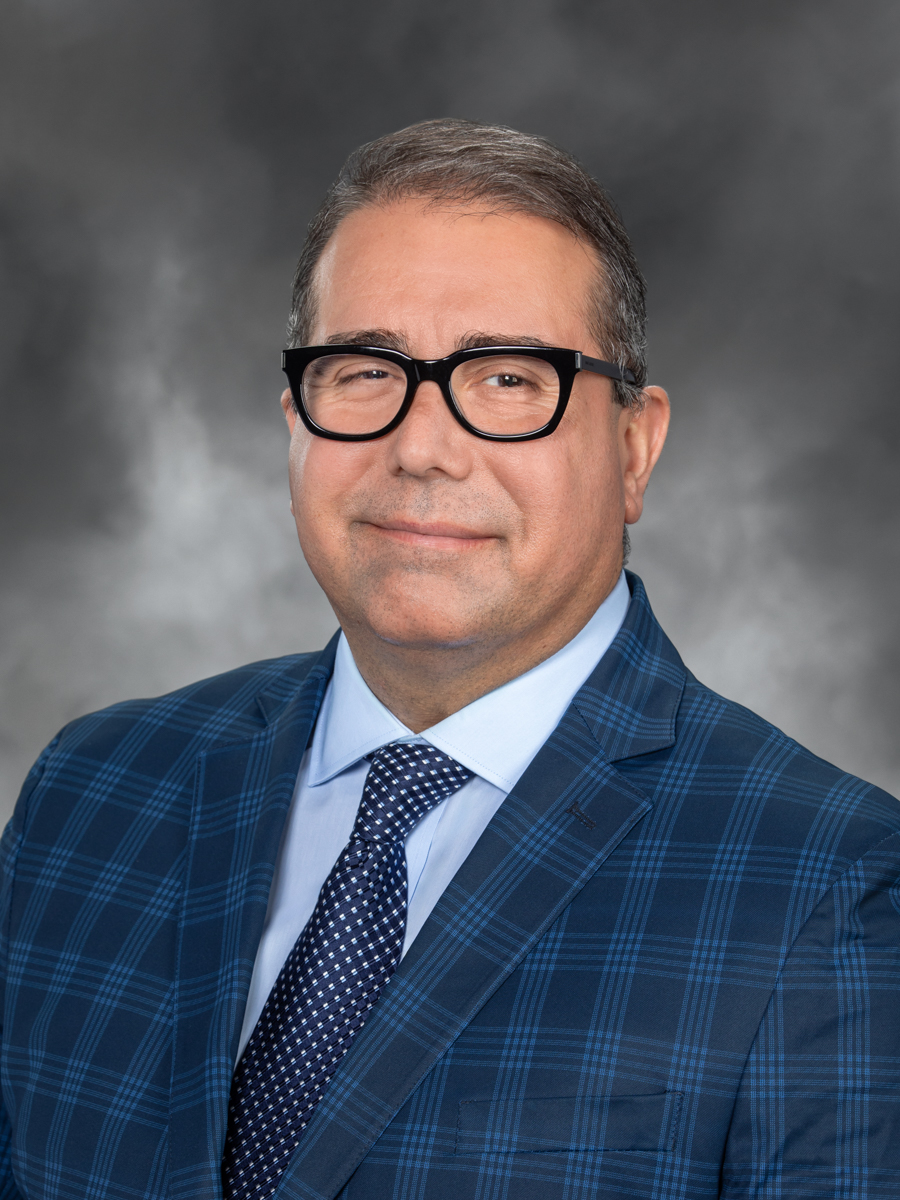
Adrian Cortes
100% support rate
Top opponent
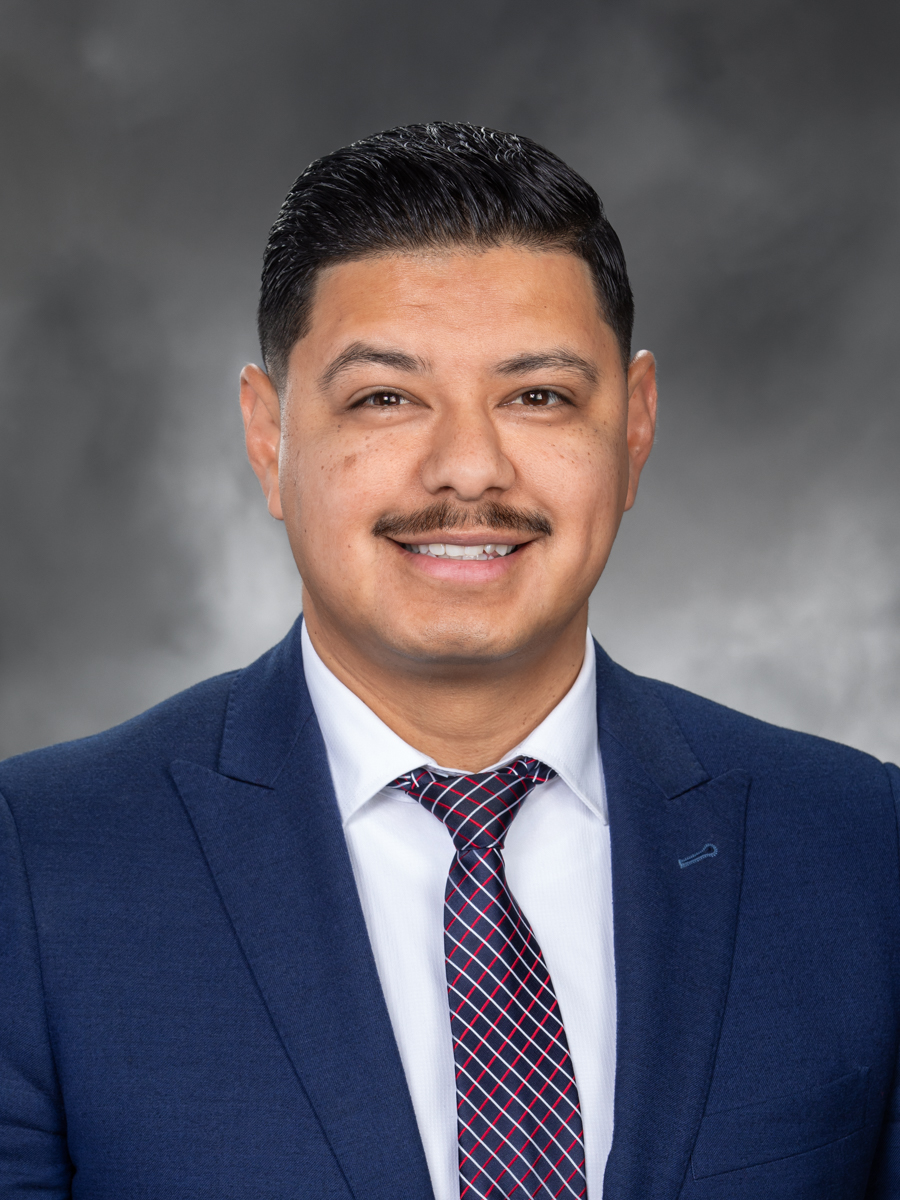
Bob Hasegawa
33% support rate
Ranked legislators
10
5 support · 5 oppose
Key legislators

Who's moving drug policy in Washington

Legislators moving drug policy in Washington
Legislator Party Stance Support rate Votes
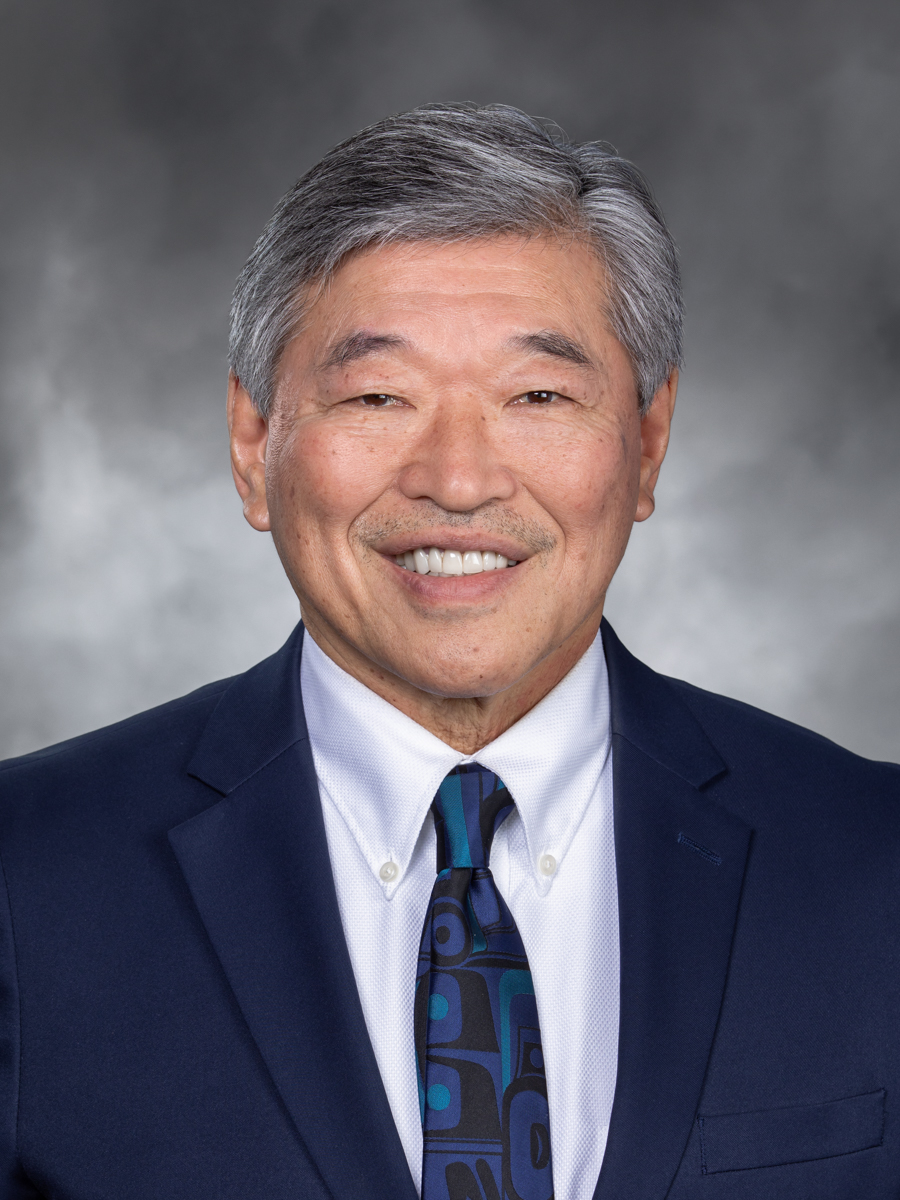
Adrian Cortes
Adrian Cortes Senate · District 18
D
Strong +
100% 5
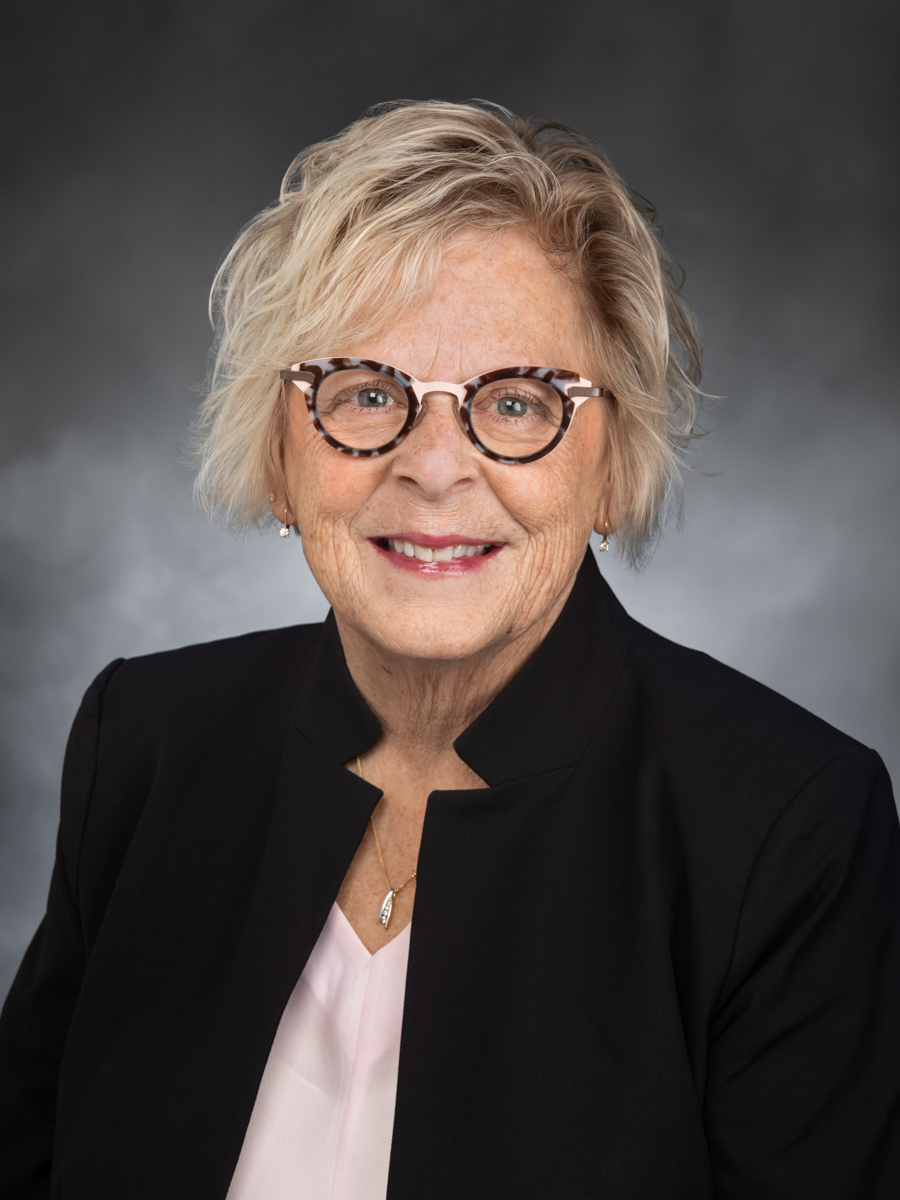
Julio Cortes
Julio Cortes House · District 38
D
Strong +
100% 5
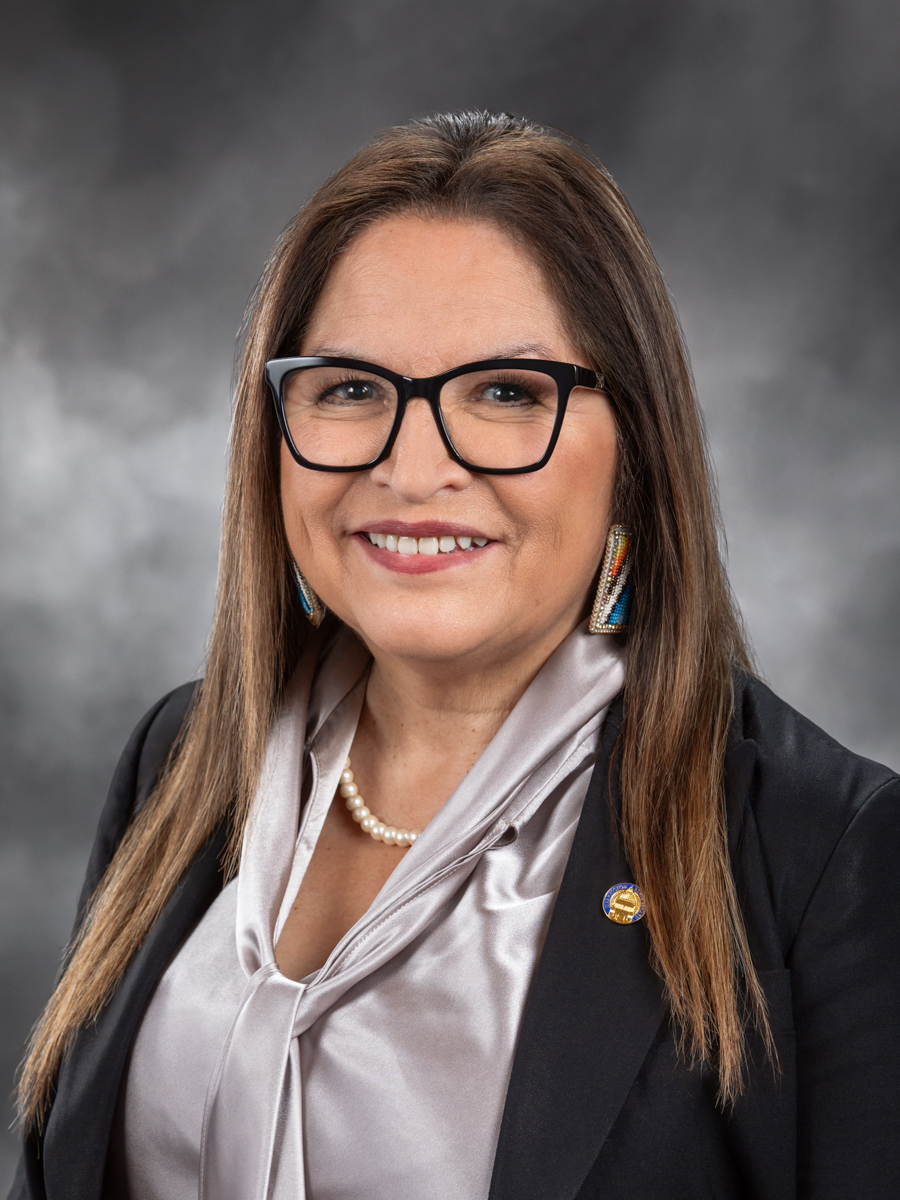
Annette Cleveland
Annette Cleveland Senate · District 49
D
Strong +
100% 3
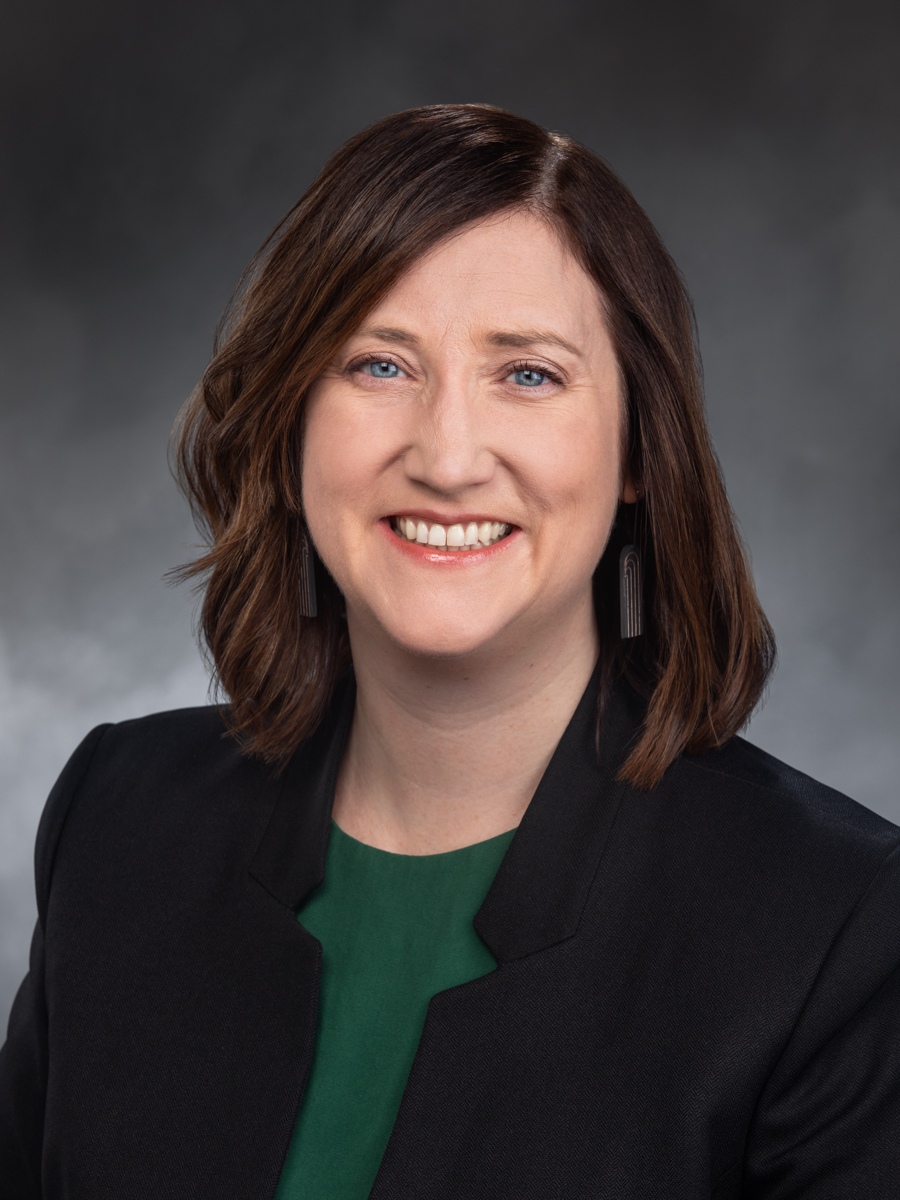
Curtis King
Curtis King Senate · District 14
R
Strong +
100% 3
Deb Krishnadasan
Deb Krishnadasan Senate · District 26
D
Strong +
100% 3
Bob Hasegawa
Bob Hasegawa Senate · District 11
D
Oppose
33% 3
Claire Wilson
Claire Wilson Senate · District 30
D
Oppose
33% 3
Claudia Kauffman
Claudia Kauffman Senate · District 47
D
Oppose
33% 3
Noel Frame
Noel Frame Senate · District 36
D
Oppose
33% 3
RS
Rebecca Saldaña Senate · District 37
D
Oppose
33% 3
Showing 1–10 of 15 bills

All criminal justice bills

in committee · Washington · Senate Jan 26, 2026

SB 6307: Concerning correctional facility liability for inmate injuries resulting from voluntary controlled substance use, when lawful intake and medical care requirements are met.

This bill limits state and local government liability for injuries to inmates caused by their voluntary use of controlled substances under specific conditions. It protects correctional facilities (jails, prisons, or similar facilities owned/operated by the state or local government) if they lawfully screened inmates for drugs upon admission, removed any found substances, and the injury resulted from the inmate’s own drug use. Exceptions apply if facility staff provided the drugs or failed to provide medical care when they knew an inmate needed it. The law applies to cases occurring after its effective date and does not affect liability for injuries caused by facility-provided substances.
in committee · Washington · House Jan 12, 2026

HB 2393: Concerning correctional facility liability for inmate injuries resulting from voluntary controlled substance use, when lawful intake and medical care requirements are met.

This bill limits state and local government liability for injuries to inmates caused by their voluntary use of controlled substances under specific conditions. It applies when inmates were lawfully searched upon admission (with any substances seized), and the facility met medical care requirements. However, liability still applies if the facility or government provided the substance or failed to provide medical care when they knew an inmate needed it. The law affects correctional facilities (jails, prisons) and the government entities that operate them, changing how liability is determined in such cases.
in committee · Washington · House Jan 12, 2026

HB 1087: Expanding the crime of endangerment with a controlled substance to include fentanyl and other high-potency synthetic opioids.

HB 1087 expands Washington's "endangerment with a controlled substance" law to include fentanyl and other high-potency synthetic opioids, in addition to methamphetamine. It directly affects individuals who knowingly expose dependent children or adults to these substances. The bill amends the law to specifically list fentanyl (and its salts/isomers) and other defined high-potency synthetic opioids as covered substances, making such exposure a class B felony. This change explicitly excludes cases where substances are administered under a valid prescription, as outlined in chapter 69.50 RCW.
Sub-Topics Drug Policy
in committee · Washington · House Jan 12, 2026

HB 1331: Increasing public safety by elevating the penalty for unlawful delivery of a controlled substance resulting in death.

HB 1331 changes the legal classification for cases where someone unlawfully delivers a controlled substance (like drugs) that causes the death of the person who used it. It reclassifies this as "manslaughter in the first degree" (a class A felony) under Washington law, instead of the previous penalty structure. This specifically affects individuals who deliver drugs that directly result in a user's death, such as in overdose cases. The bill repeals the existing "controlled substances homicide" penalty section (RCW 69.50.415) to implement this new classification. The change aims to strengthen penalties for drug dealers whose actions cause fatal outcomes.
in committee · Washington · House Jan 12, 2026

HB 1169: Concerning offenses involving fabricated depictions of minors.

HB 1169 expands Washington state law to criminalize the creation, distribution, or possession of AI-generated or digitally altered images depicting minors in sexually explicit conduct - even when the minor is not identifiable. The bill amends definitions to explicitly include AI-generated content under "digitization" and "fabricated depiction," covering any realistic image of a minor engaged in sexual acts, regardless of whether the image shows a real child. It classifies violations as class B felonies, with separate charges for each image created or shared. This directly affects individuals using AI tools to produce such content, aiming to address the challenge of detecting fabricated child sexual abuse material online. The law targets the proliferation of AI-generated images that could desensitize viewers or increase exploitation risks, without requiring the depicted minor to be identifiable.
in committee · Washington · House Jan 12, 2026

HB 1968: Concerning endangerment with a controlled substance.

HB 1968 makes it a crime to knowingly expose a child or dependent adult to fentanyl, synthetic opioids, or methamphetamine precursors (like ephedrine or anhydrous ammonia). It specifically targets situations where a caregiver allows a vulnerable person to come into contact with these substances, excluding medical use. The law exempts child welfare workers and their staff from criminal liability under this provision, and violations would be charged as a class B felony. This bill directly affects parents, guardians, and caregivers who endanger vulnerable individuals through substance exposure.
Sub-Topics Drug Policy
in committee · Washington · House Jan 12, 2026

HB 1159: Concerning the crime of endangerment with a controlled substance.

HB 1159 creates a new class B felony crime for knowingly permitting a dependent child (under 18) or vulnerable adult (e.g., elderly, disabled, or in care facilities) to ingest, inhale, absorb, or contact a controlled substance (excluding cannabis). It specifically targets situations where someone responsible for their care allows exposure to drugs, with exceptions for medical use or prescriptions from licensed practitioners. The law defines "dependent person" broadly to include those relying on others for basic needs like food, shelter, or medical care, and specifies that administering substances for health care or via valid prescriptions is a valid defense. This bill directly affects caregivers, family members, and facility staff responsible for vulnerable individuals.
Sub-Topics Drug Policy
in committee · Washington · House Jan 12, 2026

HB 1286: Concerning the crime of endangerment with a controlled substance.

HB 1286 makes it a class B felony to knowingly allow a dependent child or adult to be exposed to, ingest, inhale, or touch any controlled substance (including those in Schedules I-IV under Washington or federal law), unless the substance was obtained via a valid medical prescription. This law directly affects caregivers, such as parents or guardians, who may unintentionally or intentionally expose dependents to these substances. The key provision criminalizes exposure without medical authorization, while explicitly allowing legally prescribed medications. Penalties apply to all controlled substances in Schedules I-IV, with no exception for non-prescription use.
Sub-Topics Drug Policy
in committee · Washington · House Jan 12, 2026

HB 1548: Deterring robberies from cannabis retail establishments.

HB 1548 requires cannabis retail stores in Washington to report robbery attempts or incidents to the state board within 10 days. It also mandates that the board's enforcement officer regularly consult with the Washington State Patrol to identify patterns of robbery at these stores. The bill amends sentencing laws to require courts to make a special finding if someone robs a cannabis store by using a vehicle to damage it or by committing the robbery with others, which could lead to harsher penalties. This directly affects licensed cannabis retailers and impacts sentencing for specific types of robberies targeting these businesses. The law aims to improve reporting and law enforcement coordination to deter such crimes.
in committee · Washington · Senate Jan 12, 2026

SB 5213: Penalizing the possession of fentanyl.

SB 5213 changes the penalty for possessing fentanyl from a gross misdemeanor to a class C felony in Washington State. It applies to anyone knowingly holding fentanyl without a valid prescription, excluding medical cannabis users under existing laws. The bill includes provisions for law enforcement to refer some cases to treatment programs instead of jail, while maintaining criminal penalties for fentanyl possession.
Showing 1 to 10 of 15 bills
1 2 Next