Issue · Criminal Justice

Criminal Justice (Corrections)

Every criminal justice bill, vote, and legislator stance in Washington, automatically classified by Maddy, our AI policy reader.

Total bills
20
2025-2026 Regular Session
Top supporter
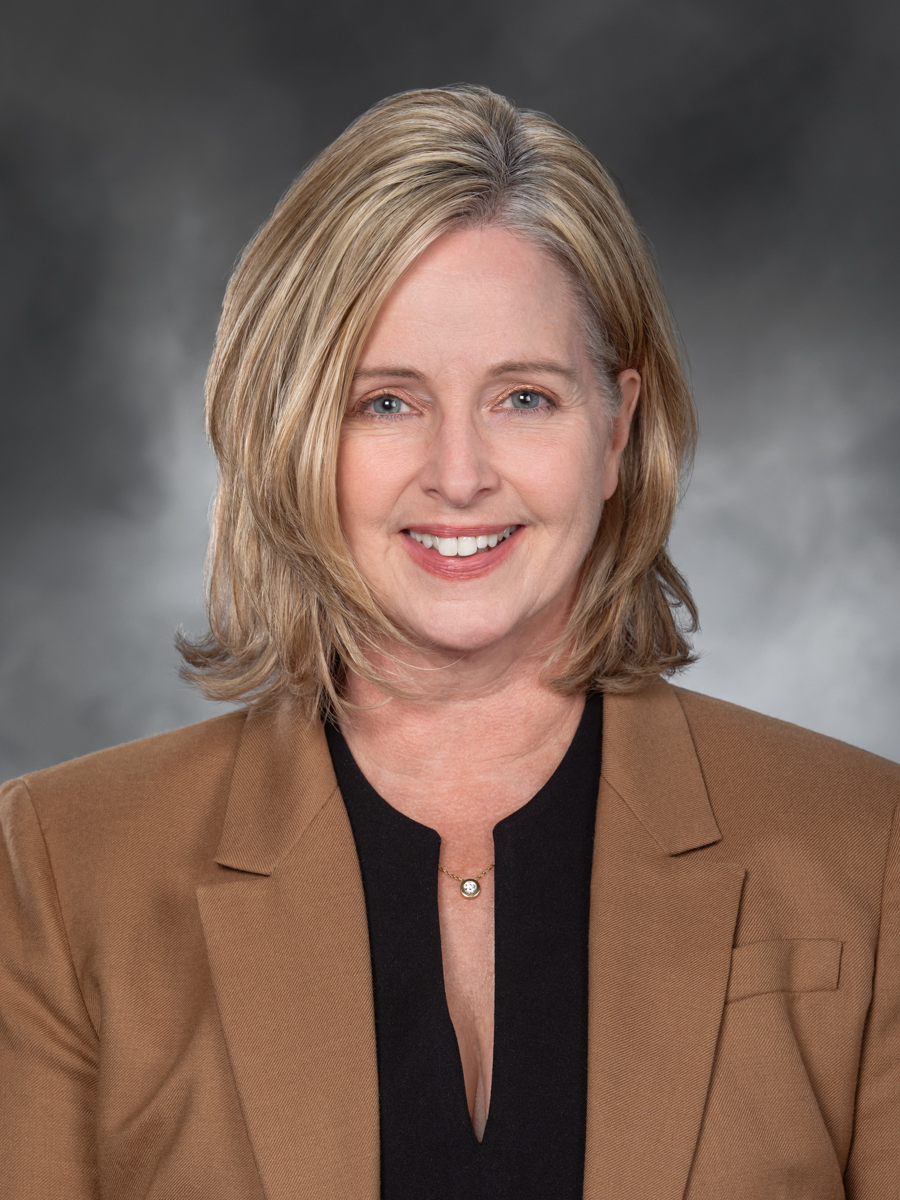
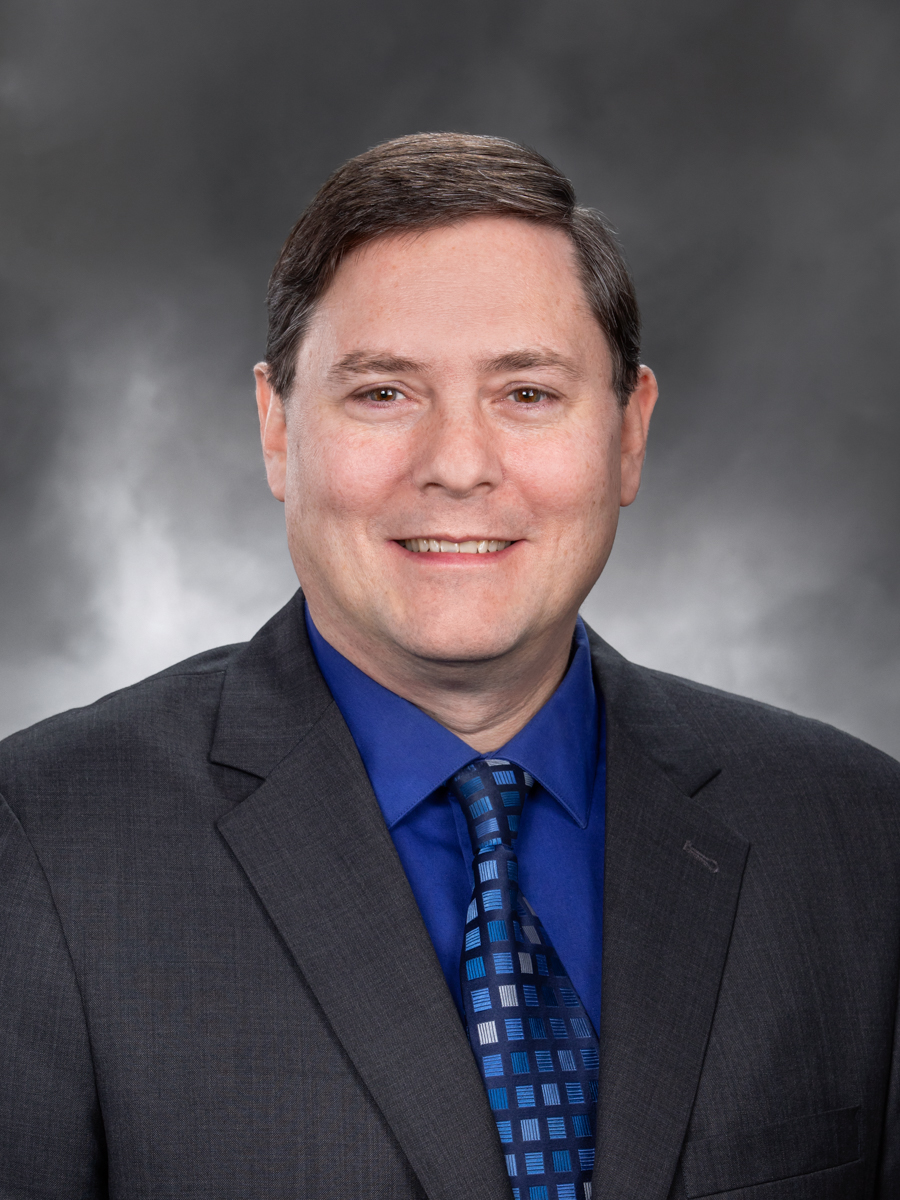
Annette Cleveland
100% support rate
Top opponent
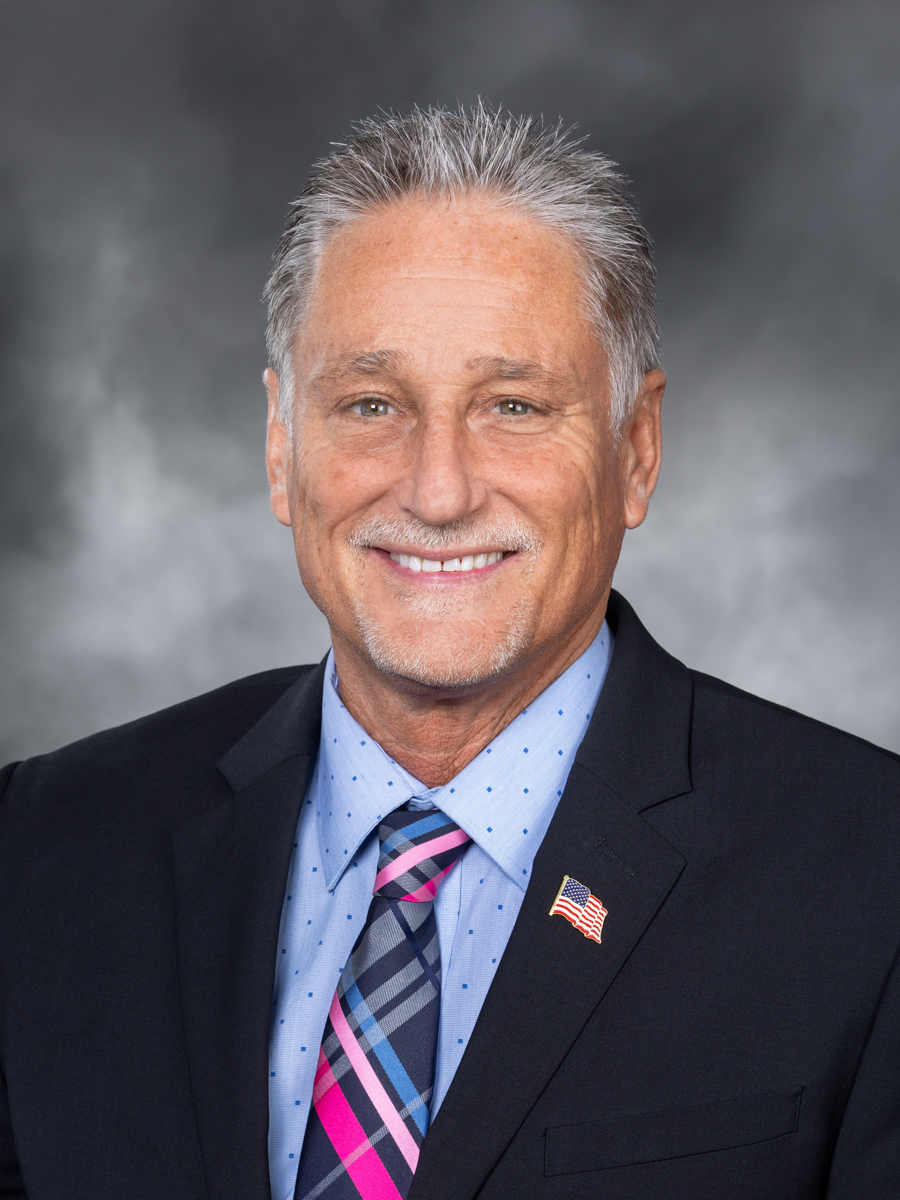
Jeff Wilson
0% support rate
Ranked legislators
10
5 support · 5 oppose
Key legislators

Who's moving corrections in Washington

Legislators moving corrections in Washington
Legislator Party Stance Support rate Votes
Annette Cleveland
Annette Cleveland Senate · District 49
D
Strong +
100% 12
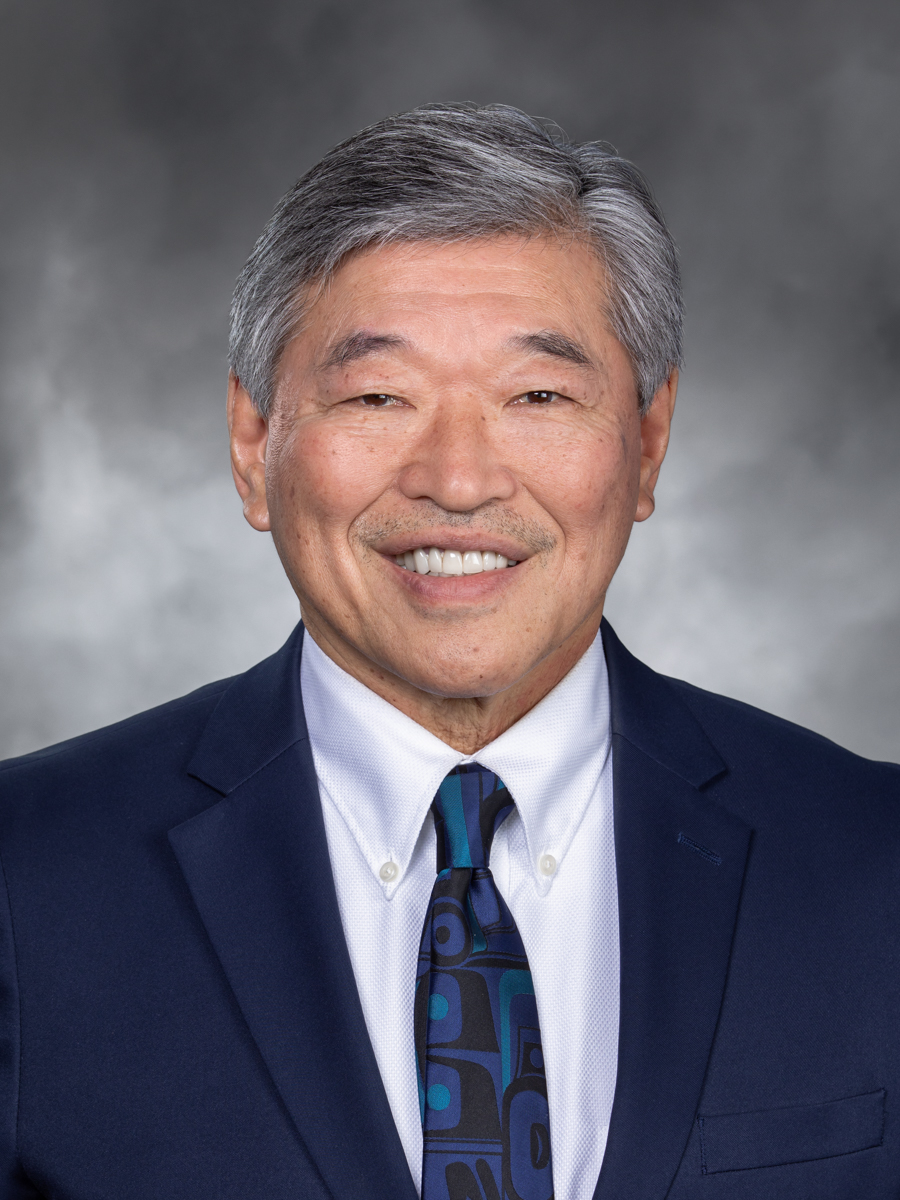
Bob Hasegawa
Bob Hasegawa Senate · District 11
D
Strong +
100% 12
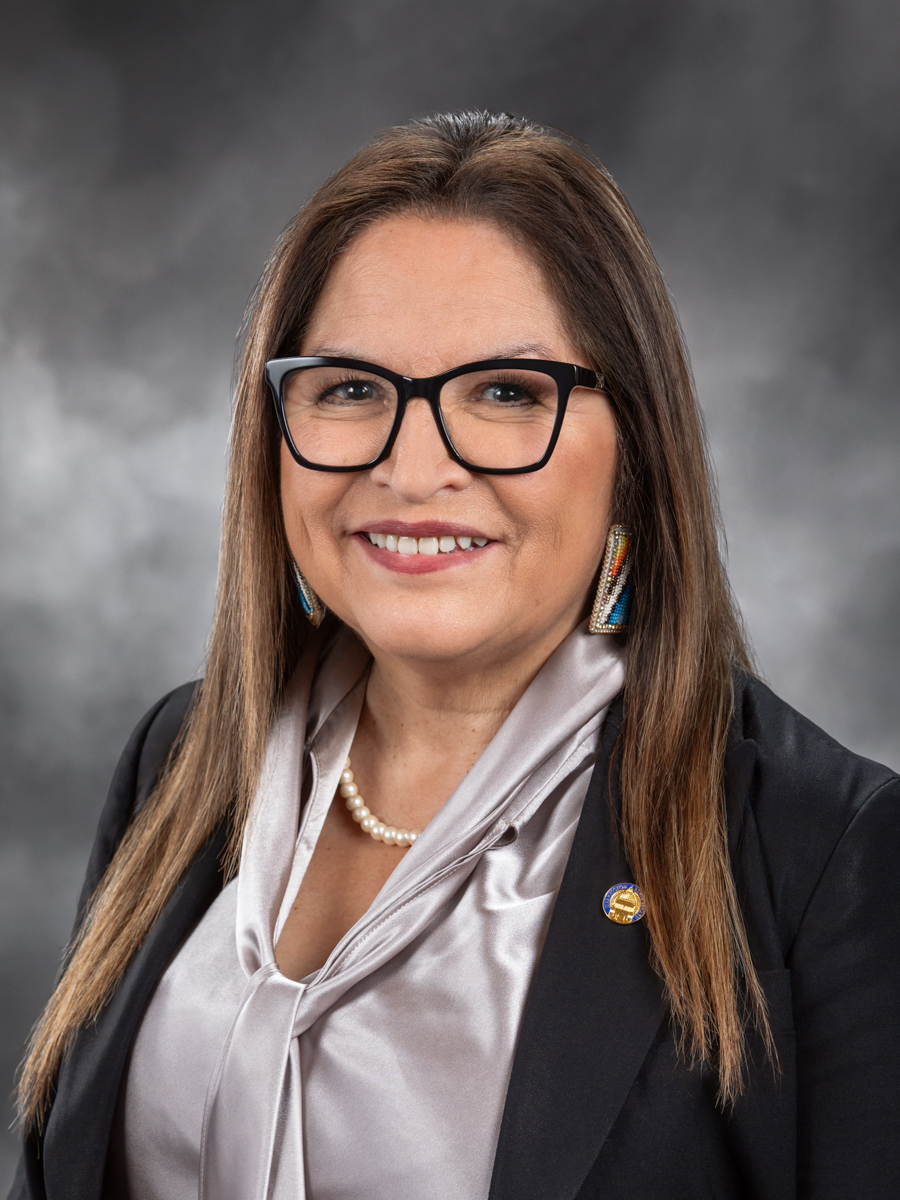
Claire Wilson
Claire Wilson Senate · District 30
D
Strong +
100% 12
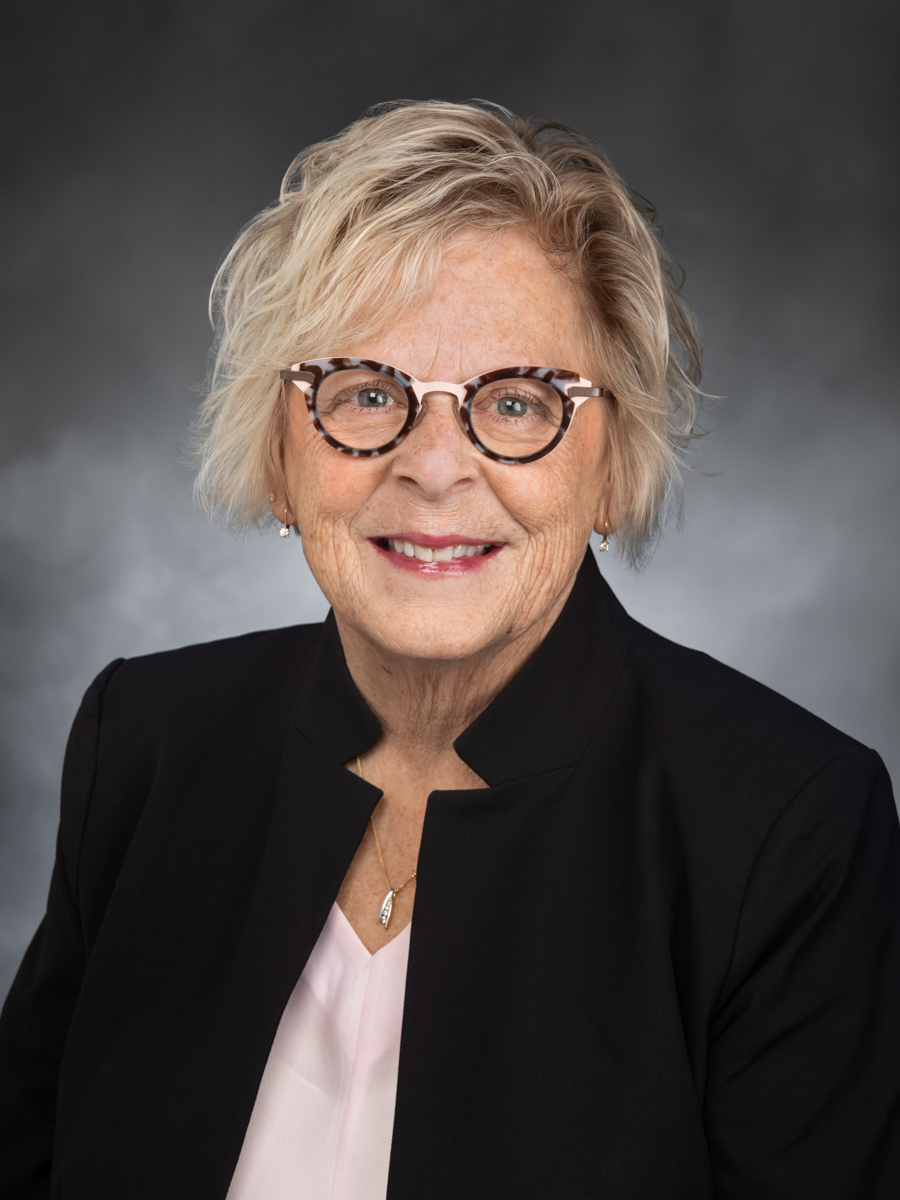
Claudia Kauffman
Claudia Kauffman Senate · District 47
D
Strong +
100% 12
Derek Stanford
Derek Stanford Senate · District 1
D
Strong +
100% 12
Jeff Wilson
Jeff Wilson Senate · District 19
R
Strong −
0% 12
Jim McCune
Jim McCune Senate · District 2
R
Strong −
0% 12
Matt Boehnke
Matt Boehnke Senate · District 8
R
Strong −
0% 12
Alex Ybarra
Alex Ybarra House · District 13
R
Strong −
0% 11
Andrew Barkis
Andrew Barkis House · District 2
R
Strong −
0% 11
Showing 11–20 of 20 bills

All criminal justice bills

in committee · Washington · House Jan 12, 2026

HB 1629: Concerning restrictions on the placement of inmates of different biological sexes in correctional facilities.

HB 1629 prohibits housing inmates in shared cells or rooms with someone of a different biological sex if the inmate has a prior conviction or current charges for a sex offense, violent offense, or domestic violence against a victim of the same sex as the potential roommate. This rule directly affects inmates in Washington state correctional facilities and the staff managing housing assignments. The bill defines "history of sexual or physical violence" as current charges or prior convictions for offenses listed in RCW 9.94A.030. It creates a new requirement for correctional facilities to follow this placement policy.
in committee · Washington · Senate Jan 12, 2026

SB 5153: Transferring certain individuals from the department of children, youth, and families to the department of corrections at age 18.

SB 5153 changes Washington state law to transfer youth convicted of felonies under age 18 from the Department of Children, Youth, and Families (DCYF) to the Department of Corrections (DOC) at age 18, instead of keeping them in DCYF until age 25. This applies to most felony convictions, with an exception requiring immediate transfer at 18 for "serious violent offenses" (as defined in RCW 9.94A.030). The bill amends RCW 72.01.410 and 13.40.280 to eliminate required hearings for these transfers. It directly affects youth under 18 convicted as adults who were previously retained in juvenile facilities beyond age 18.
in committee · Washington · Senate Jan 12, 2026

SB 5267: Ensuring that offenders who are incarcerated and commit murder may be charged with the death penalty.

SB 5267 allows prosecutors to seek the death penalty for inmates who commit murder while already serving a prison sentence. It requires prosecutors to submit such cases to a special death penalty review panel, which includes prosecutors, the attorney general, and corrections officials. The panel must recommend whether the death penalty should be pursued based on factors like mitigating circumstances and its impact on deterrence. If the panel recommends the death penalty, prosecutors have 30 days to file notice for a special sentencing hearing; otherwise, the death penalty cannot be sought. This bill directly affects incarcerated individuals convicted of murder during their imprisonment.
Sub-Topics Corrections Sentencing
in committee · Washington · House Jan 12, 2026

HB 1323: Making obstructing highways a crime.

HB 1323 makes it a crime to intentionally block state highways with three or more people without a permit, particularly when the action creates safety risks like impeding ambulances or causing injury. Organizers face class C felony charges with a minimum 30-day jail sentence and $5,000 fine (non-reducible below $1,000), while participants could face serious misdemeanor penalties. The law specifically targets dangerous blockades that endanger public safety or obstruct emergency response, not peaceful protests. It requires courts to impose minimum penalties for violations, including prior offenses.
Sub-Topics Corrections
in committee · Washington · Senate Jan 12, 2026

SB 5213: Penalizing the possession of fentanyl.

SB 5213 changes the penalty for possessing fentanyl from a gross misdemeanor to a class C felony in Washington State. It applies to anyone knowingly holding fentanyl without a valid prescription, excluding medical cannabis users under existing laws. The bill includes provisions for law enforcement to refer some cases to treatment programs instead of jail, while maintaining criminal penalties for fentanyl possession.
in committee · Washington · Senate Jan 12, 2026

SB 5260: Concerning emergency measures for managing juvenile populations at state juvenile correctional institutions.

SB 5260, the Youth Rehabilitation Pathways Act, allows youth aged 18 and older in Washington state juvenile correctional facilities (operated by the Department of Children, Youth, and Families) to request transfer to the adult correctional system (Department of Corrections). The bill requires facilities to provide a transfer form, grant a 3-day reconsideration period, and complete transfers within 10 days. It removes standard court hearings for these transfers and limits transfers to the original juvenile court’s maximum confinement term. The law directly affects older youth in juvenile facilities, aiming to address overcrowding and provide access to adult correctional programs.
in committee · Washington · House Jan 12, 2026

HB 1085: Improving school safety by extending penalties for interference by, or intimidation by threat of, force or violence at schools and extracurricular activities and requiring schools to notify the public of such penalties.

HB 1085 strengthens school safety by increasing penalties for interference with school activities through force or violence, and for threatening intimidation, specifically targeting disruptions at athletic events. It requires schools to post clear signage at entrances and athletic fields explaining these penalties, including fines up to $1,000 or jail time for adults, and exclusion from school or events for 12-18 months. The bill directly affects students, athletes, spectators, and school staff (including athletic officials and volunteers), expanding protections previously limited to general school settings to cover extracurricular sports. These changes aim to prevent escalation of harmful behavior by making consequences explicit and enforceable.
Sub-Topics Corrections
in committee · Washington · Senate Jan 12, 2026

SB 5530: Concerning penalty increases for certain offenses.

SB 5530 increases penalties for repeat theft offenses in Washington State. It reclassifies third-degree theft (theft under $750 or specific pallet/crate quantities) as a class C felony punishable by up to five years in prison for individuals with two or more prior convictions for specified theft-related crimes like retail theft, vehicle theft, or robbery. The bill also modifies sentencing guidelines to add mandatory minimum prison time for offenders armed with firearms during certain felony crimes, including theft. This directly affects repeat offenders convicted of the listed theft offenses, increasing their potential prison sentences. The changes apply to sentencing under Washington’s criminal code for eligible offenses.
in committee · Washington · House Jan 12, 2026

HB 1027: Concerning housing of inmates in state correctional facilities.

HB 1027 prohibits housing inmates convicted of sex offenses against victims of the same biological sex as the facility's primary population in certain correctional facilities. Specifically, an inmate cannot be placed in a facility primarily housing people of a different biological sex than their own if they were previously convicted of a sex offense (under RCW 9.94A.030) against a victim whose biological sex matches those primarily housed in that facility. The bill directly affects inmates with specific sex offense convictions who would otherwise be housed in facilities based on the facility's primary population. This policy change mandates facility placement based on the victim's biological sex in the offense, rather than the inmate's gender identity.
Sub-Topics Corrections
in committee · Washington · House Jan 12, 2026

HB 1139: Promoting public safety and deterring unlawful firearm possession by increasing criminal penalties for unlawful possession of a firearm.

HB 1139 increases penalties for unlawful firearm possession by classifying certain cases as violent crimes, resulting in higher sentencing levels. It mandates immediate jail booking for individuals arrested for violating firearm laws, eliminating the option of release on bail or personal recognizance. The bill directly affects people who possess firearms unlawfully, particularly those with prior violent criminal records. This legislation amends Washington state laws to enhance public safety through stricter enforcement of firearm possession restrictions.
Showing 11 to 20 of 20 bills