Issue · Budget & Taxes

Budget & Taxes

Every budget & taxes bill, vote, and legislator stance in Washington, automatically classified by Maddy, our AI policy reader.

Total bills
688
2025-2026 Regular Session
Top supporter
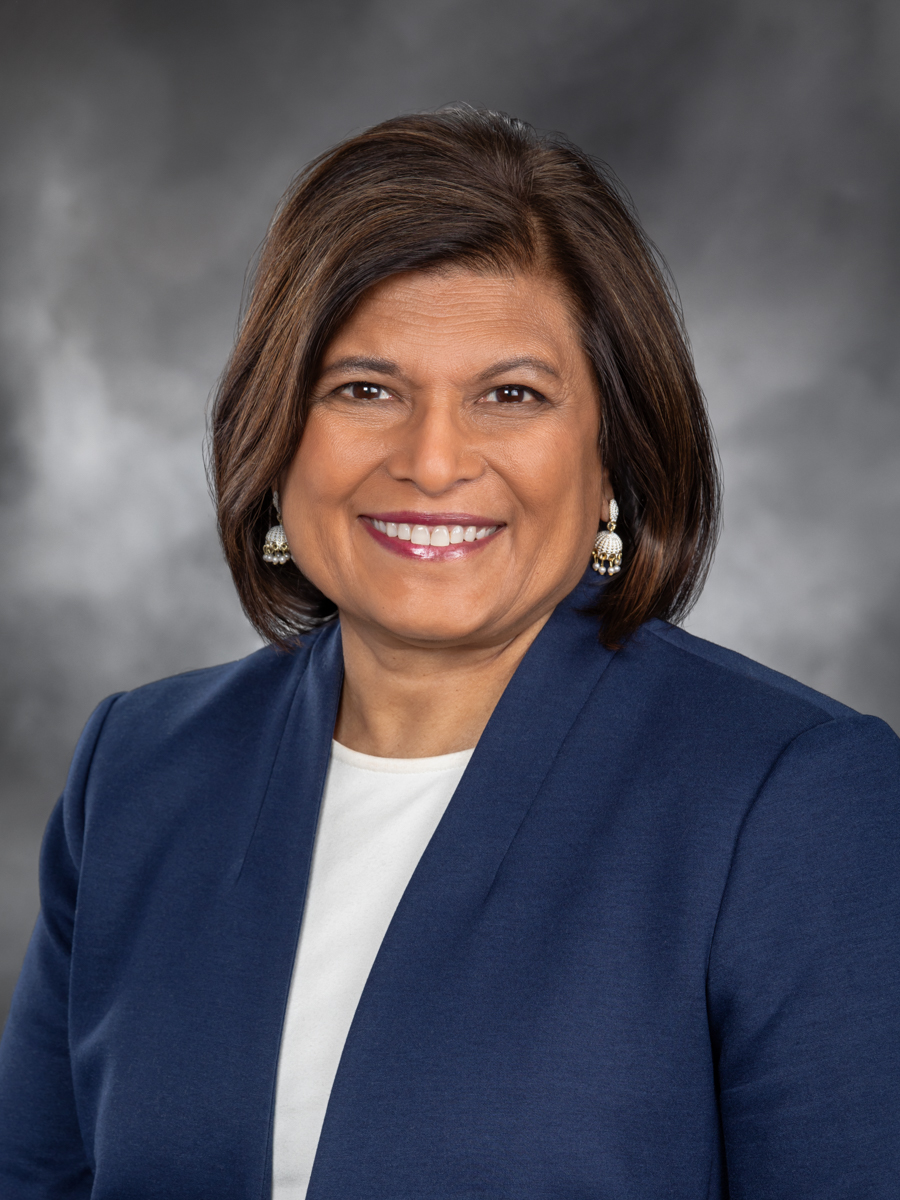
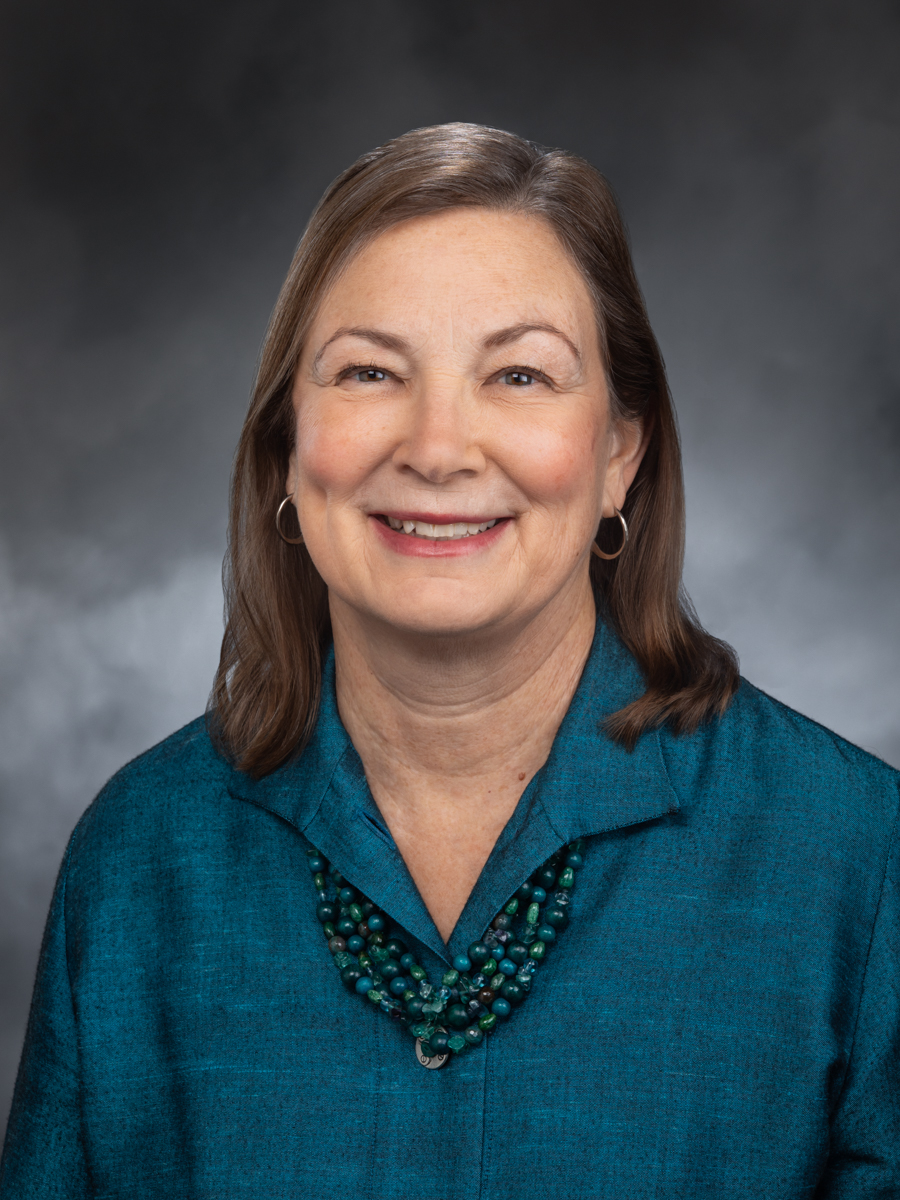
Vandana Slatter
80% support rate
Top opponent
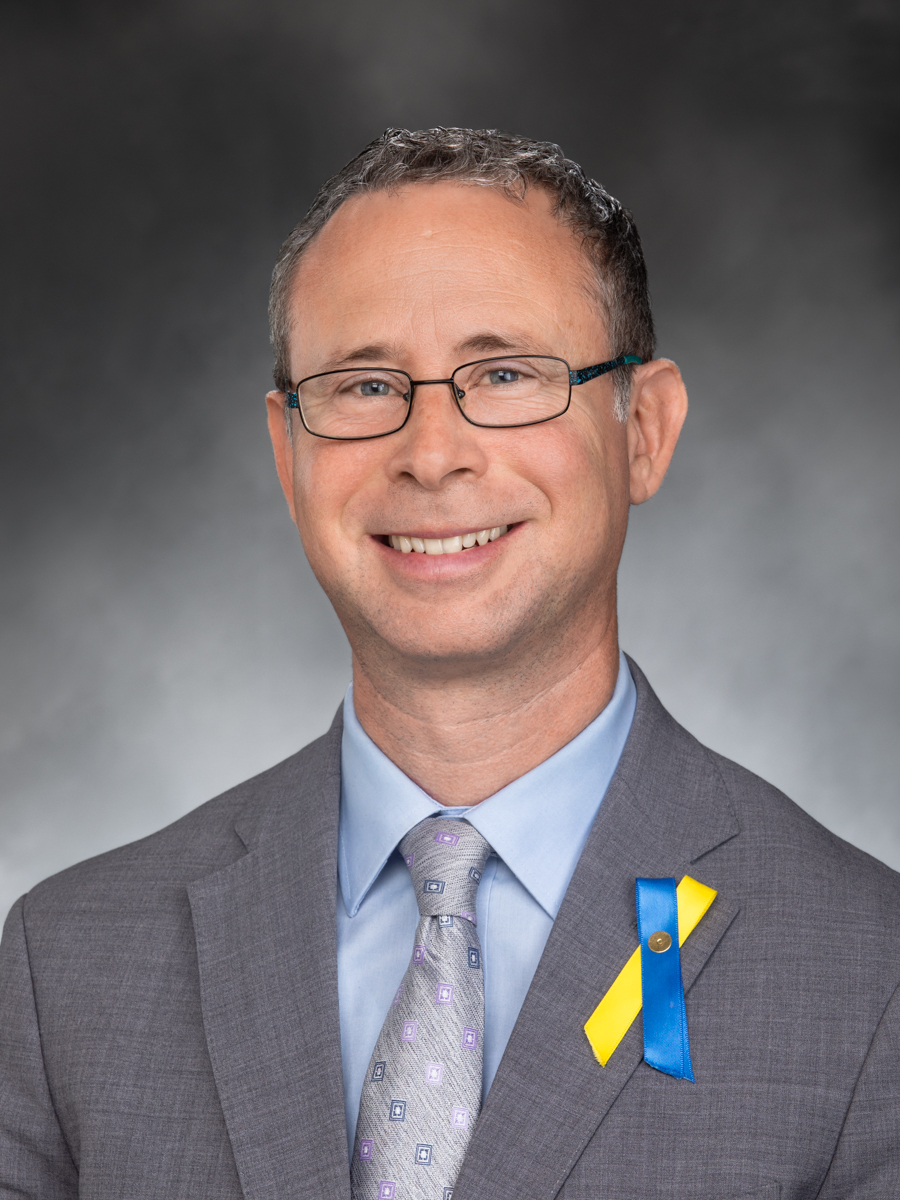
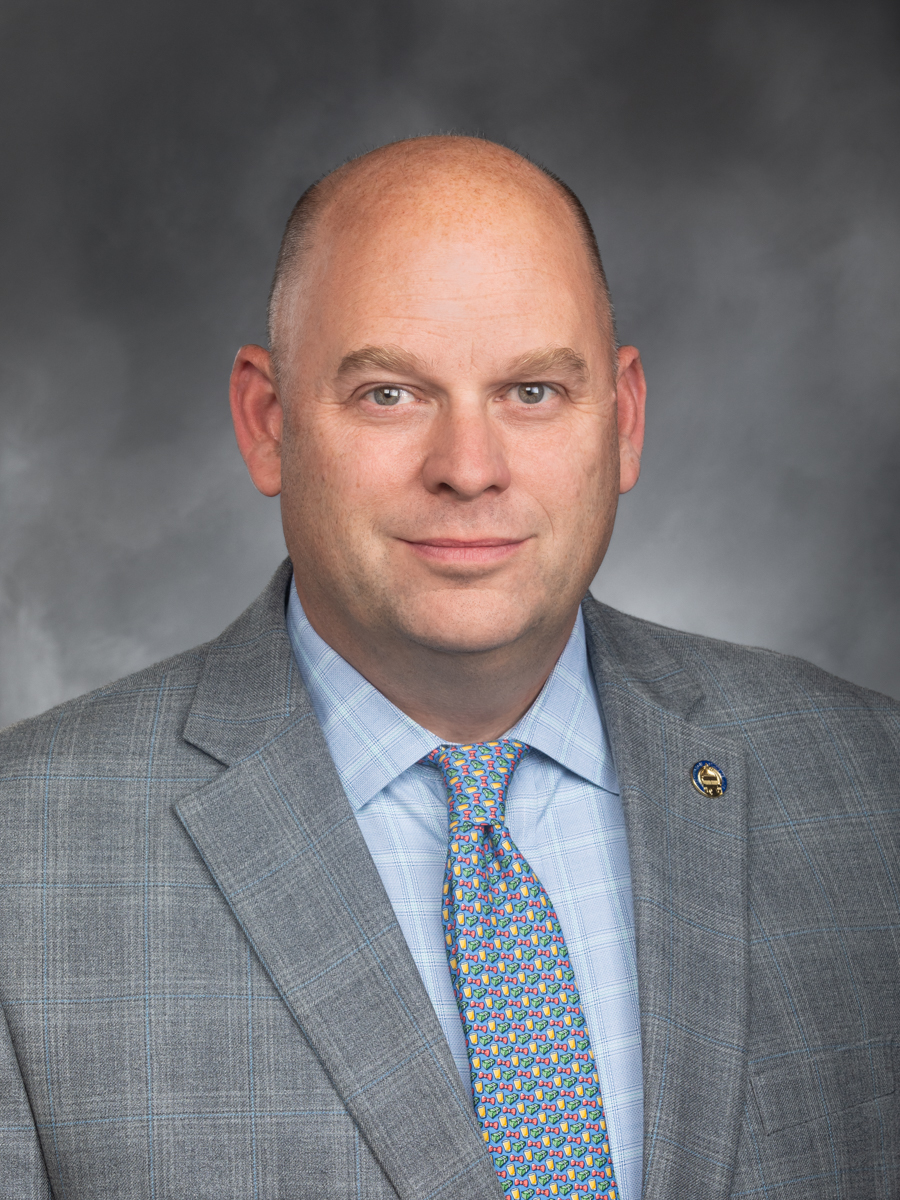
Zach Hall
25% support rate
Ranked legislators
10
5 support · 5 oppose
Key legislators

Who's moving budget & taxes in Washington

Legislators moving budget & taxes in Washington
Legislator Party Stance Support rate Votes
Vandana Slatter
Vandana Slatter Senate · District 48
D
Support
80% 151
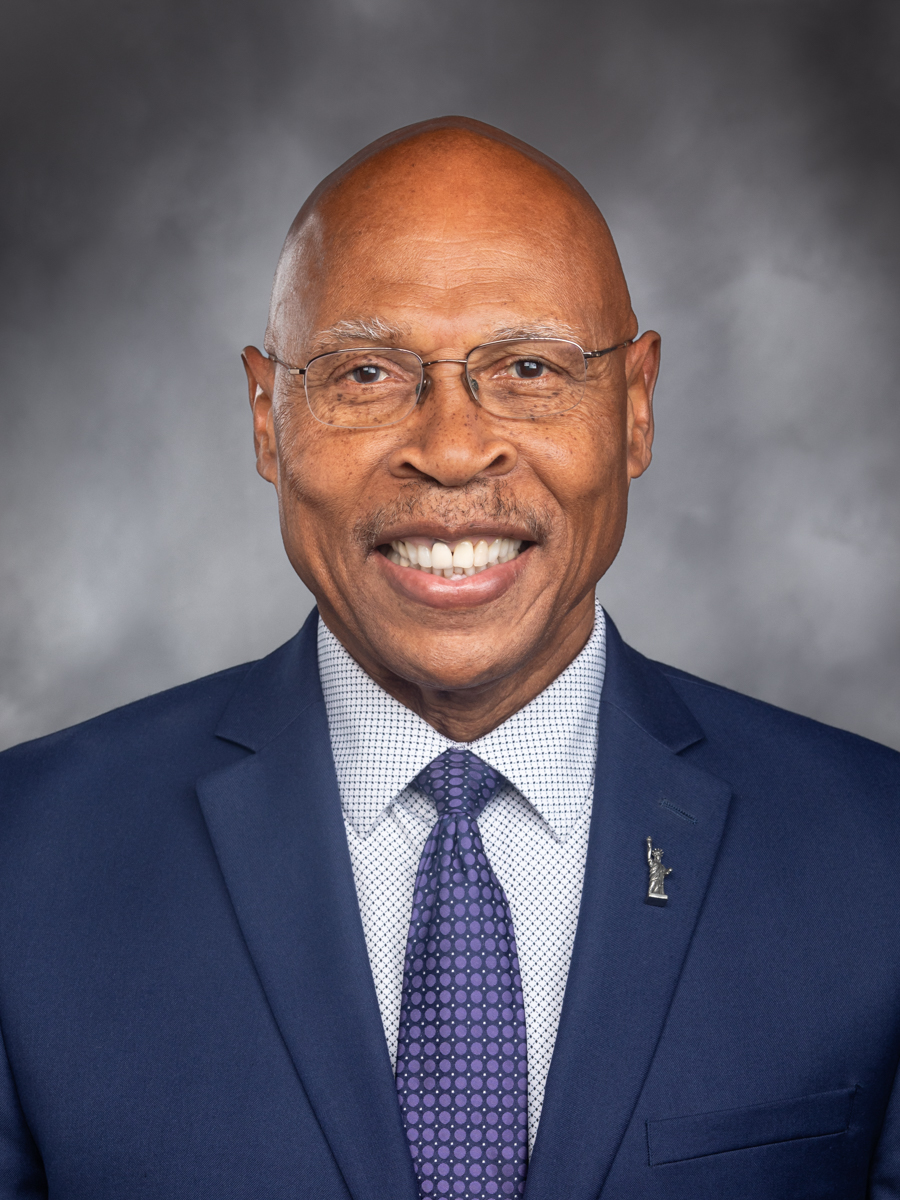
Jesse Salomon
Jesse Salomon Senate · District 32
D
Support
78% 155
John Lovick
John Lovick Senate · District 44
D
Support
78% 155
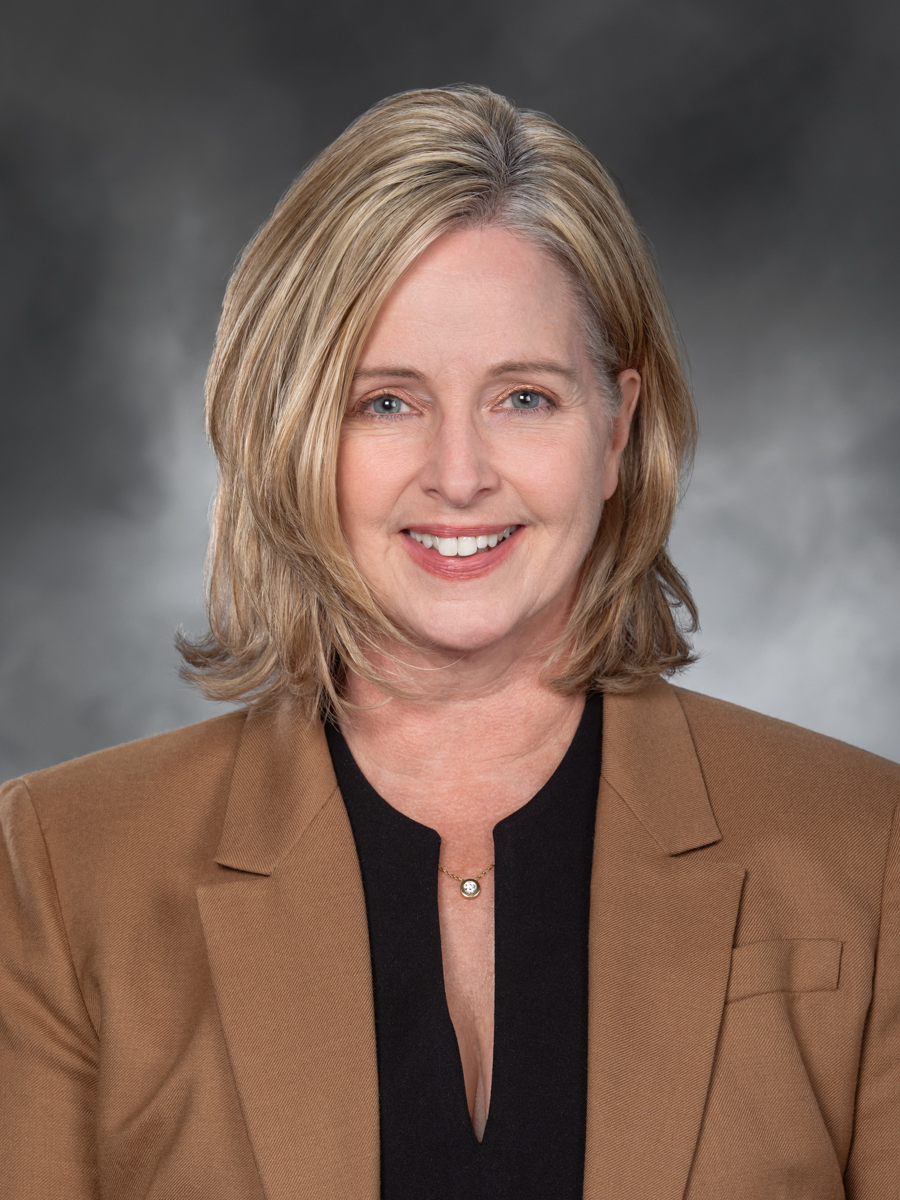
Annette Cleveland
Annette Cleveland Senate · District 49
D
Support
78% 155
June Robinson
June Robinson Senate · District 38
D
Support
78% 154
Zach Hall
Zach Hall House · District 5
D
Oppose
25% 152
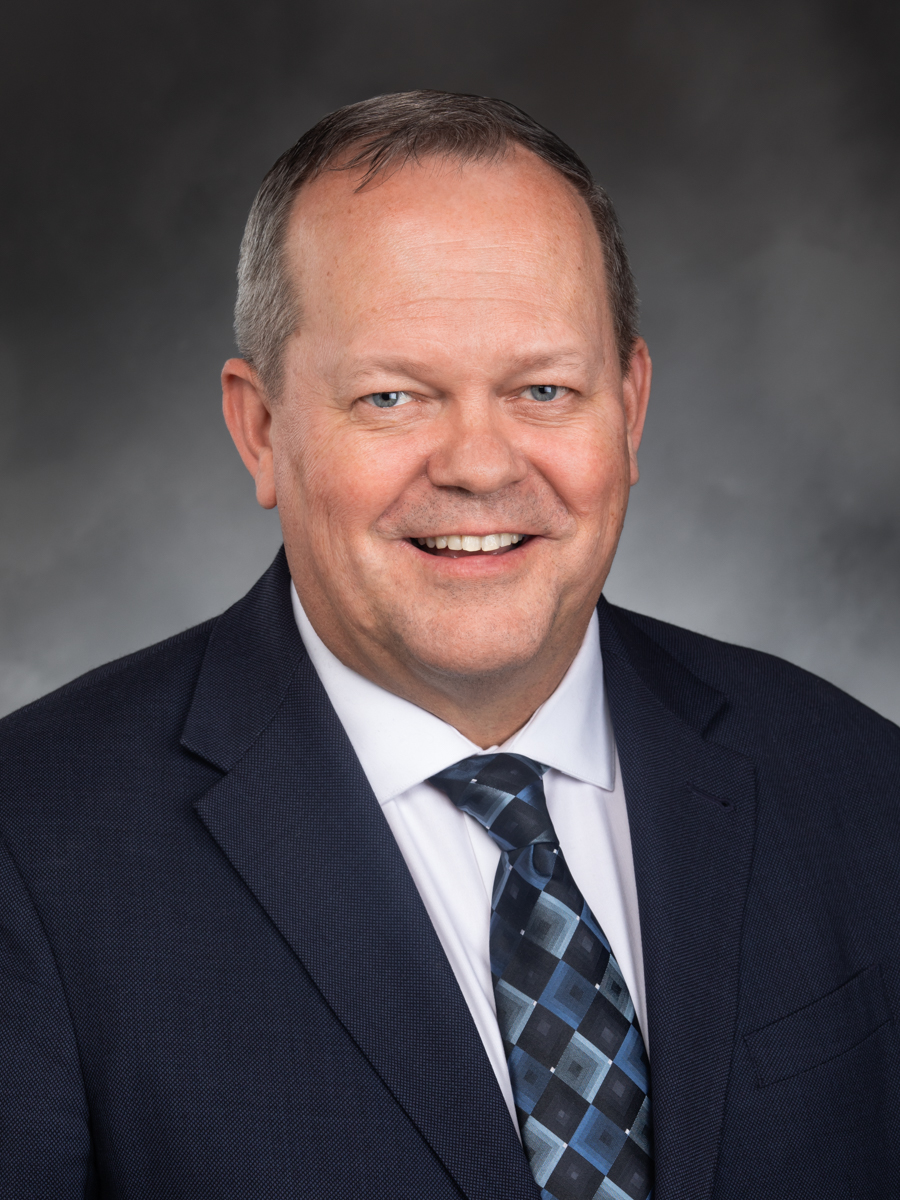
Leonard Christian
Leonard Christian Senate · District 4
R
Oppose
28% 155
Jim McCune
Jim McCune Senate · District 2
R
Oppose
30% 152
Matt Boehnke
Matt Boehnke Senate · District 8
R
Oppose
31% 152
Drew MacEwen
Drew MacEwen Senate · District 35
R
Oppose
32% 154
Showing 461–470 of 688 bills

All budget & taxes bills

in committee · Washington · House Jan 12, 2026

HB 1307: Easing the financial burden on families by removing sales and use tax on diapers and essential child care products.

HB 1307 would remove Washington state sales and use tax on diapers and essential child care products starting January 1, 2026. The bill specifically exempts items like car seats, baby clothing (size 5T and smaller), incontinence products for infants and adults, baby monitors, strollers, and other products designed for children under five. It defines "essential child care products" to include items commonly recognized as necessary for infant and toddler care, as well as products for adults needing incontinence supplies. This tax exemption directly affects families with young children and caregivers of vulnerable adults who face high costs for these essentials. The policy aims to reduce financial strain without altering existing tax rates for other goods.
in committee · Washington · House Jan 12, 2026

HB 1226: Making supplemental transportation appropriations for the 2023-2025 fiscal biennium.

HB 1226 allocates $2.7 million from the Multimodal Transportation Account to fund the University of Washington’s sidewalk accessibility mapping project, requiring public data sharing and prioritizing overburdened communities. It also appropriates $1 million to the Washington State Transportation Center for engineering internships, training programs, and a workforce analysis addressing shortages in civil engineering and related fields. Additionally, $6 million from the Carbon Emissions Reduction Account funds zero-emission electric vehicle charging infrastructure at state facilities, with reporting requirements on installation locations and carbon impact. The bill mandates annual project updates to legislative committees and prioritizes installations based on state environmental goals.
in committee · Washington · House Jan 12, 2026

HB 1117: Removing the delegation of authority related to California motor vehicle emissions standards to generate new transportation revenue for the state by reducing administration burdens on the government and the people.

HB 1117 repeals Washington State's adoption of California's motor vehicle emissions standards, which had caused registration barriers for vehicles meeting federal standards. The bill directly affects vehicle owners who previously needed 407,541 exemptions to register their vehicles and government agencies managing registrations. Key provisions require the Department of Licensing to register previously prohibited vehicles (if they meet state requirements) and direct the Department of Ecology to repeal all rules implementing California standards. This eliminates administrative burdens on both the public and government, allowing vehicles to be registered without exemptions under federal standards. The bill takes immediate effect as an emergency measure.
in committee · Washington · Senate Jan 12, 2026

SB 5307: Concerning special education funding.

SB 5307 eliminates Washington's cap on students eligible for state special education funding, ensuring all public school districts receive full state support without needing local funds to cover costs. It increases per-student funding multipliers based on inclusion rates: districts serving students in general education settings 80%+ of the day receive a higher multiplier (1.5289) versus those with lower inclusion (1.447). The bill also requires the state to monitor inclusion rates, reduce disproportionate identification of students with disabilities, and provide technical assistance to school districts. This directly affects all public school districts in Washington serving students with special education needs.
in committee · Washington · Senate Jan 12, 2026

SB 5739: Concerning public facilities districts.

SB 5739 allows specific public facilities districts (PFDs) that meet strict criteria - such as creation dates, population thresholds, and prior construction timelines - to impose a small sales and use tax (up to 0.037%) to fund regional centers like community facilities. The tax, collected from residents and businesses within the district, must be deducted from state tax collections and can only be used for qualifying regional center projects. Districts may increase the tax rate in 0.001% increments if state revenue data shows a net loss exceeding 0.50%, but total tax cannot exceed 0.037% and must be matched with other public or private funding. This bill amends existing tax authority for PFDs created under Washington’s chapters 35.57 and 36.100, focusing on funding regional centers rather than new policies.
Sub-Topics Revenue Sales Tax
in committee · Washington · Senate Jan 12, 2026

SB 5404: Concerning public defense services.

SB 5404 establishes a new funding structure for Washington state public defense services, requiring the state to cover 50% of costs starting in 2026 based on a five-year average of county expenditures. Counties and cities that save funds due to this state contribution must redirect those savings toward specific alternatives like pretrial diversion programs, reentry services, or public defense infrastructure (e.g., IT, staffing). The bill mandates annual reporting of caseloads, attorney hours, and service quality metrics to the Office of Public Defense, which will use this data to review case categorization standards. It also allows low-population counties to transfer public defense responsibilities to the state office, with the state retaining their pro rata funding share for service delivery.
Sub-Topics Probation & Parole
signed · Washington · House Apr 21, 2025

HB 1858: Eliminating the exemption for assignments or substitutions of previously recorded deeds of trust from the document recording fee and the covenant homeownership program assessment.

House Bill 1858 eliminates a specific exemption from two existing document recording fees for certain real estate transactions. Previously, assignments or substitutions of previously recorded deeds of trust were exempt from these charges. With this bill, individuals and entities recording these types of documents will now be subject to a $100 covenant homeownership program assessment and an additional $183 document recording surcharge. The collected funds from these fees contribute to various state and local housing initiatives, including affordable housing and homeless housing programs.
Sub-Topics Fees & Licensing
in committee · Washington · House Jan 12, 2026

HB 1466: Increasing the biennial funds contribution in lieu of state funds from the hospital safety net program.

HB 1466 increases the biennial funding amount used to replace state general fund payments for Medicaid hospital services, raising it from $452 million to $527 million for the 2025-2027 fiscal biennium, with a subsequent rise to $552 million per biennium starting in 2027. This funding directly affects hospitals and managed care organizations receiving Medicaid payments, as it replaces state general fund contributions while maintaining payment levels at 2022 rates (adjusted for enrollment). The bill specifies that $160 million annually must fund postacute hospital transitions and allocates $2 million for psychiatry residency programs and $4.1 million for family medicine residency slots at the University of Washington. It also ensures funds are used exclusively for Medicaid hospital services, administrative costs, and federal compliance, with no new programs created.
in committee · Washington · Senate Jan 12, 2026

SB 5645: Transferring extraordinary revenue collections from the estate tax to the developmental disabilities community services account.

SB 5645 redirects excess estate tax revenue to support community services for people with intellectual and developmental disabilities. Starting in fiscal year 2026, 50% of estate tax collections above $600 million annually must be transferred to the developmental disabilities community services account. This creates a permanent funding source to expand independent living supports, as the bill aims to address past shortfalls in reliable revenue for these services. The transfer must occur within 60 days of the state confirming revenue exceeds the $600 million threshold.
Sub-Topics Revenue
in committee · Washington · Senate Jan 12, 2026

SB 5160: Making supplemental transportation appropriations for the 2023-2025 fiscal biennium.

SB 5160 provides supplemental transportation funding for Washington State's 2025-2027 fiscal biennium, totaling approximately $26.16 million for the Washington State Patrol and other agencies. It directly affects state agencies, counties, and tribal governments through specific project allocations, such as $7.3 million for the University of Washington to map sidewalks and improve accessibility, $2.5 million for county bridge load rating grants, and $3.7 million for traffic safety initiatives including telematics data collection and tribal traffic safety programs. Key mechanisms include strict "provided solely" conditions requiring funds to be used only for designated purposes, with amounts lapsing if related legislation (e.g., SB 5374 for tribal programs) isn't enacted by June 2025. The bill does not create new policies but allocates existing funds to targeted transportation projects and administrative needs.
Showing 461 to 470 of 688 bills
Previous 1 46 47 48 69 Next