

Issue · Budget & Taxes
Budget & Taxes
Every budget & taxes bill, vote, and legislator stance in Washington, automatically classified by Maddy, our AI policy reader.
Total bills
688
2025-2026 Regular Session
Top supporter
Vandana Slatter
80% support rate
Top opponent
Zach Hall
25% support rate
Ranked legislators
10
5 support · 5 oppose
Key legislators
Who's moving budget & taxes in Washington
| Legislator | Party | Stance | Support rate | Votes |
|---|---|---|---|---|
Vandana Slatter
Senate · District 48
|
D |
Support
|
80% | 151 |
Jesse Salomon
Senate · District 32
|
D |
Support
|
78% | 155 |
John Lovick
Senate · District 44
|
D |
Support
|
78% | 155 |

Annette Cleveland
Senate · District 49
|
D |
Support
|
78% | 155 |
June Robinson
Senate · District 38
|
D |
Support
|
78% | 154 |
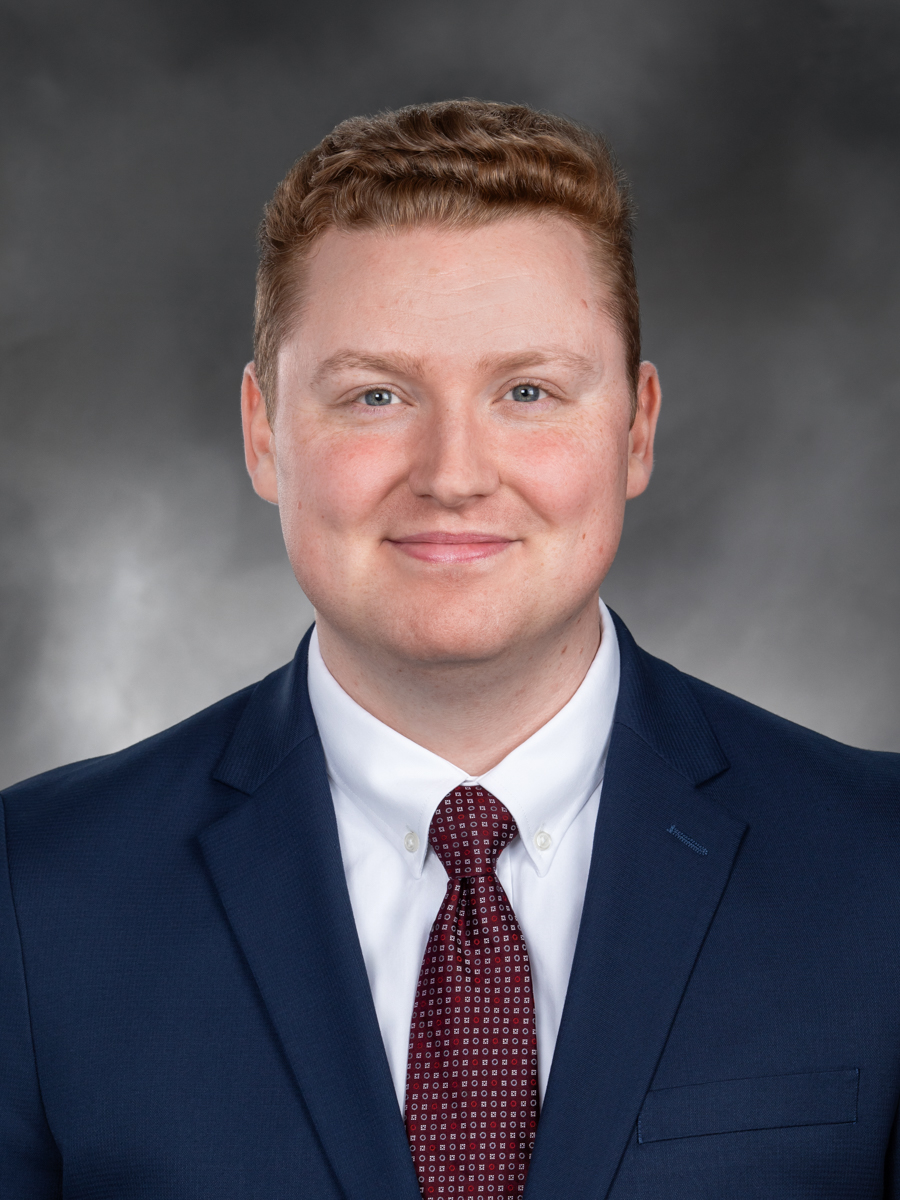
Zach Hall
House · District 5
|
D |
Oppose
|
25% | 152 |

Leonard Christian
Senate · District 4
|
R |
Oppose
|
28% | 155 |

Jim McCune
Senate · District 2
|
R |
Oppose
|
30% | 152 |
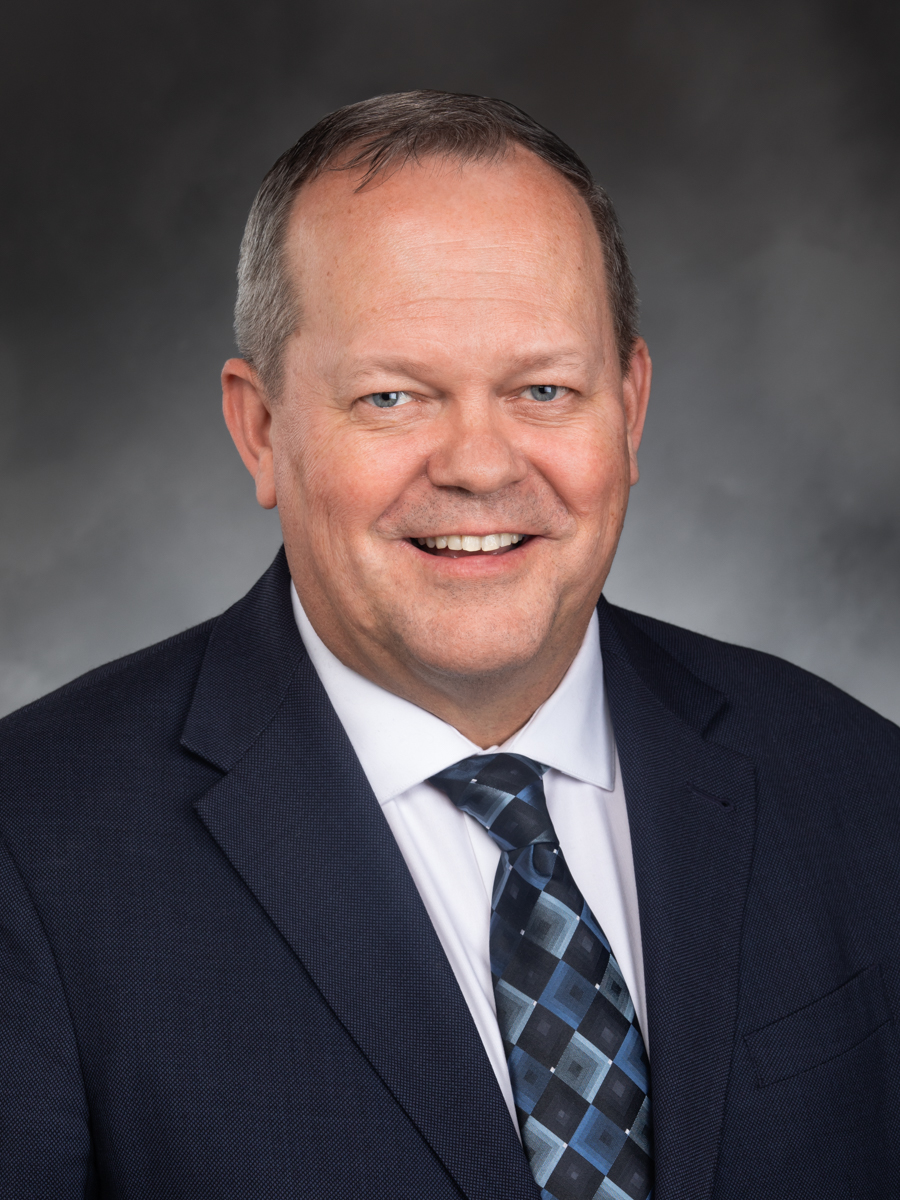
Matt Boehnke
Senate · District 8
|
R |
Oppose
|
31% | 152 |
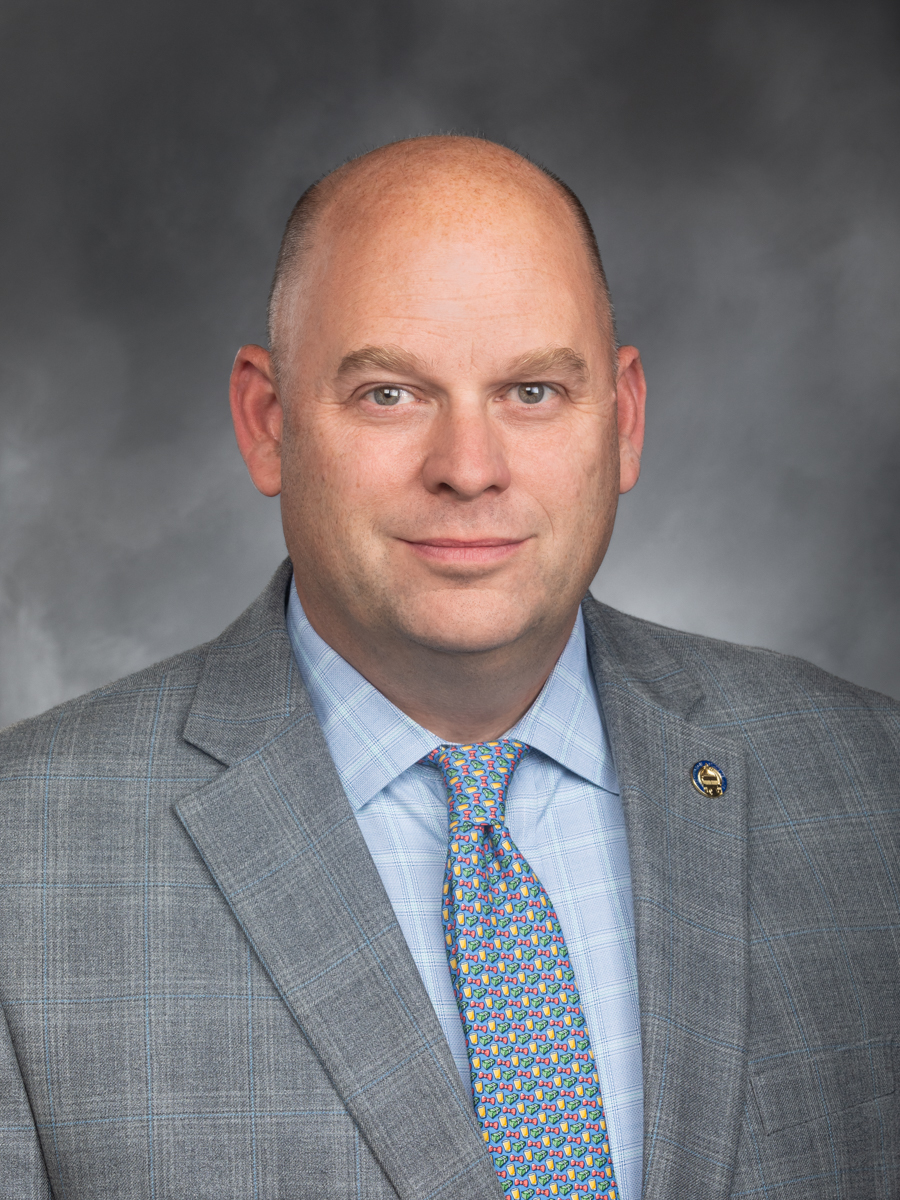
Drew MacEwen
Senate · District 35
|
R |
Oppose
|
32% | 154 |
Showing 181–190 of 688
bills
All budget & taxes bills
HB 2593: Addressing school district accounting, budgeting, and reporting requirements.
Sub-Topics
State Budget
SB 5994: Preserving timber tax distributions for school districts with recent school district levy failures.
Topics
✓ Budget & TaxesSupports Budget & TaxesPreserves timber tax distributions for schools after levy failures, ensuring continued non-debt funding for essential education programs via historical rate calculations.
✓ EducationSupports EducationPreserves timber tax funding for school districts post-levy failure, ensuring continued non-debt funding stability for K-12 operations.
Sub-Topics
School Funding
SB 5958: Creating an additional regional training option for the basic law enforcement academy.
Topics
✓ Budget & TaxesSupports Budget & TaxesAppropriates $5M from general fund for law enforcement training, increasing state spending on public safety program per budget allocation
✓ Criminal JusticeSupports Criminal JusticeFunds additional law enforcement training classes ($5M appropriation) to improve officer standards, aligning with strengthening criminal justice systems through enhanced training.
SB 6003: Concerning the capital budget.
Topics
✓ Budget & TaxesSupports Budget & TaxesAllocates $66.7M from state construction account to fund mental health facilities, increasing public service funding for underserved communities.
✓ Criminal JusticeSupports Criminal JusticeFunds mental health/substance use treatment facilities, aligning with rehabilitation-focused criminal justice reform to reduce recidivism and address root causes of criminal behavior.
✓ HealthcareSupports HealthcareBill allocates $66.7M for behavioral health facilities, requiring projects to address underserved areas and serve publicly funded patients, directly advancing mental health services funding and access.
HB 2457: Ensuring access to victim services through the crime victim penalty assessment.
Topics
✓ Budget & TaxesSupports Budget & TaxesIncreases penalty assessments to fund victim services, directing revenue to essential public programs through dedicated funding.
✓ Criminal JusticeSupports Criminal JusticeBill creates dedicated fund for victim services, directly allocating increased penalties to comprehensive victim programs under criminal justice reform.
SB 6201: Establishing tax exemptions for property used as affordable housing owned or operated by a social housing agency.
Topics
✓ Budget & TaxesSupports Budget & TaxesProvides tax exemption for affordable housing, reducing tax burden on low-income housing providers per bill's tax code amendment.
✓ HousingSupports HousingCreates tax exemption for affordable housing properties owned by social agencies, reducing operational costs to maintain/expand affordable units per bill's core purpose.
SB 6196: Taxing kratom.
HB 2559: Providing a local government option for the funding of essential affordable housing programs.
Topics
✓ Budget & TaxesSupports Budget & TaxesCreates 4% local tax on short-term rentals to fund affordable housing programs, directly allocating tax revenue to essential housing services with dedicated accounting.
✓ HousingSupports HousingBill creates 4% short-term rental tax to fund affordable housing programs, directly advancing housing access through dedicated revenue for acquisition, rehab, and rental assistance.
SB 6173: Creating an apple health employer assessment.
Topics
✓ Budget & TaxesSupports Budget & TaxesCreates employer assessment to fund Apple Health, directing revenue to state health care affordability program per bill summary.
✓ HealthcareSupports HealthcareBill creates employer assessment to fund Apple Health affordability, directly increasing healthcare program revenue through mandatory employer contributions.