Issue · Labor & Employment

Labor & Employment

Every labor & employment bill, vote, and legislator stance in Virginia, automatically classified by Maddy, our AI policy reader.

Total bills
14
119th Congress
Top supporter
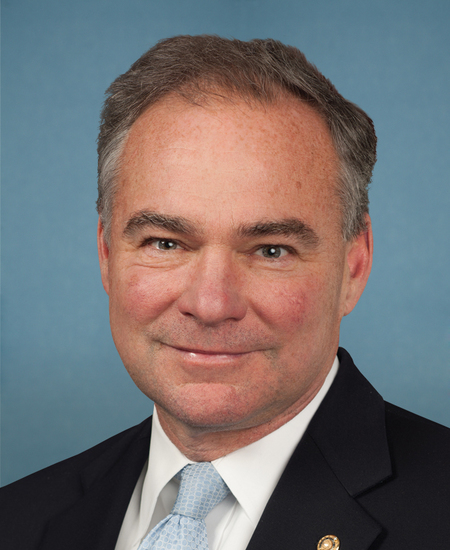
Tim Kaine
75% support rate
Top opponent
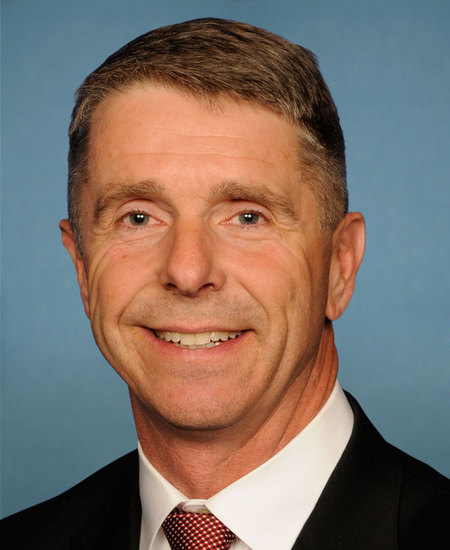
Robert J. Wittman
38% support rate
Ranked legislators
10
5 support · 5 oppose
Key legislators

Who's moving labor & employment in Virginia

Legislators moving labor & employment in Virginia
Legislator Party Stance Support rate Votes
Tim Kaine
Tim Kaine Senate
D
Support
75% 212
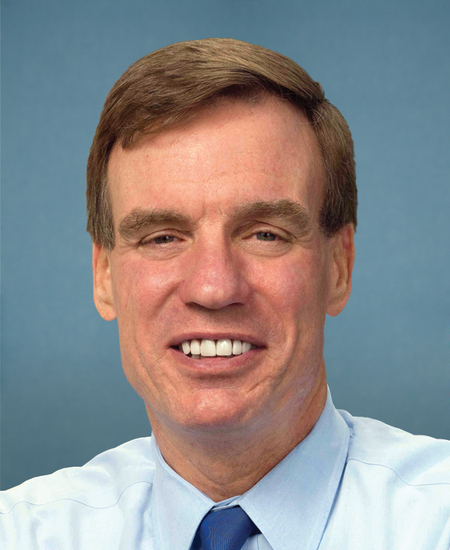
Mark R. Warner
Mark R. Warner Senate
D
Support
75% 211
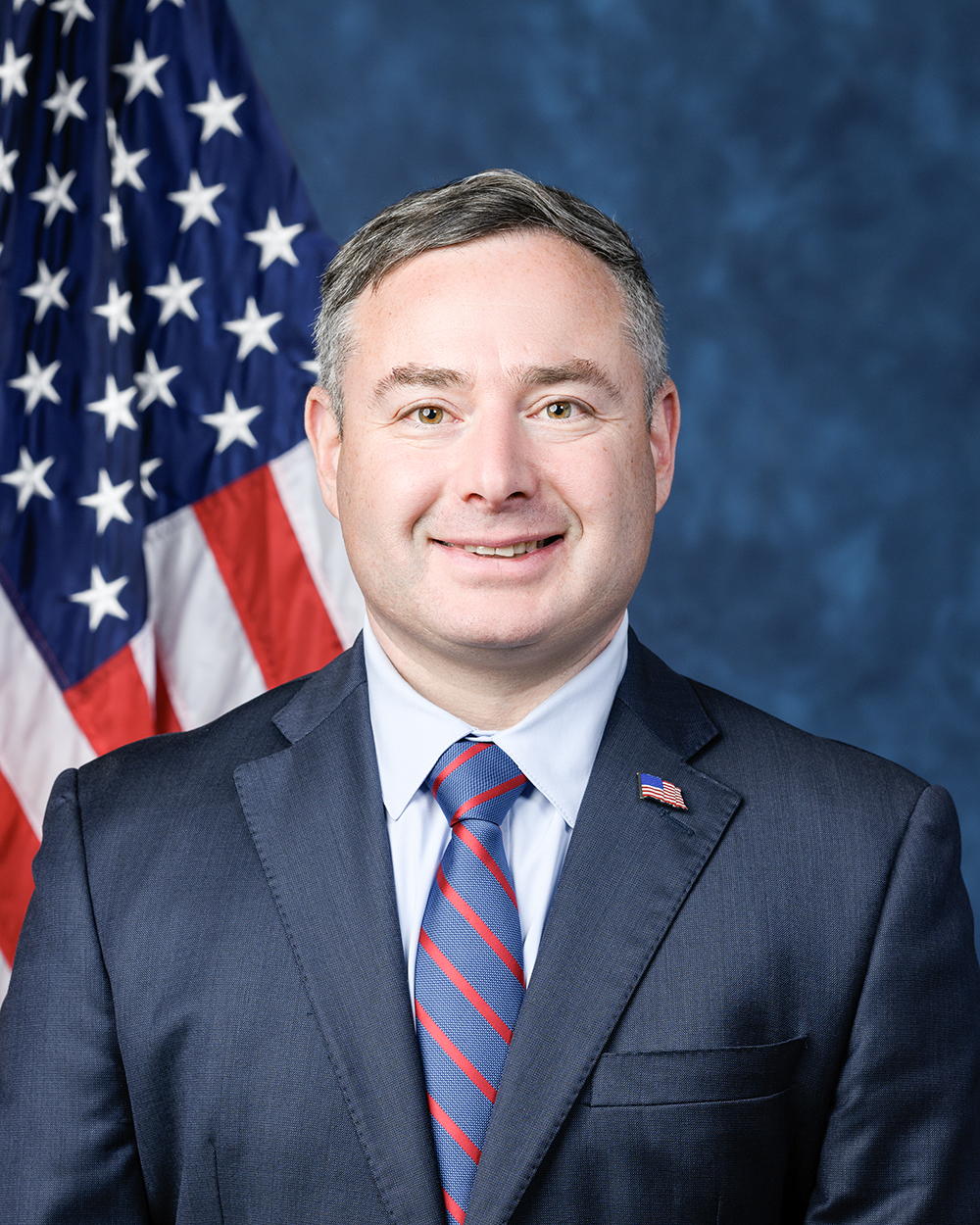
Eugene Simon Vindman
Eugene Simon Vindman House · District 7
D
Support
69% 196
James R. Walkinshaw
James R. Walkinshaw House · District 11
D
Support
67% 148
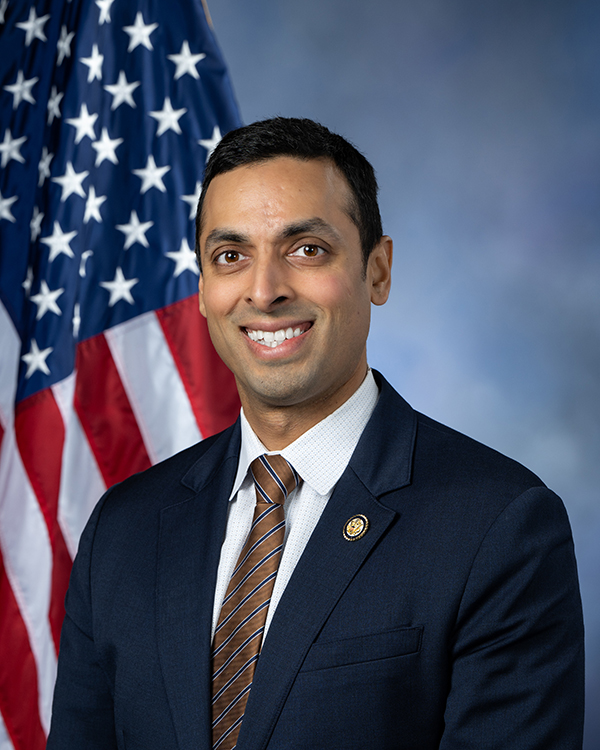
Suhas Subramanyam
Suhas Subramanyam House · District 10
D
Support
62% 197
Robert J. Wittman
Robert J. Wittman House · District 1
R
Oppose
38% 194
H. Morgan Griffith
H. Morgan Griffith House · District 9
R
Oppose
38% 198
Jennifer A. Kiggans
Jennifer A. Kiggans House · District 2
R
Oppose
38% 197
Ben Cline
Ben Cline House · District 6
R
Oppose
38% 196
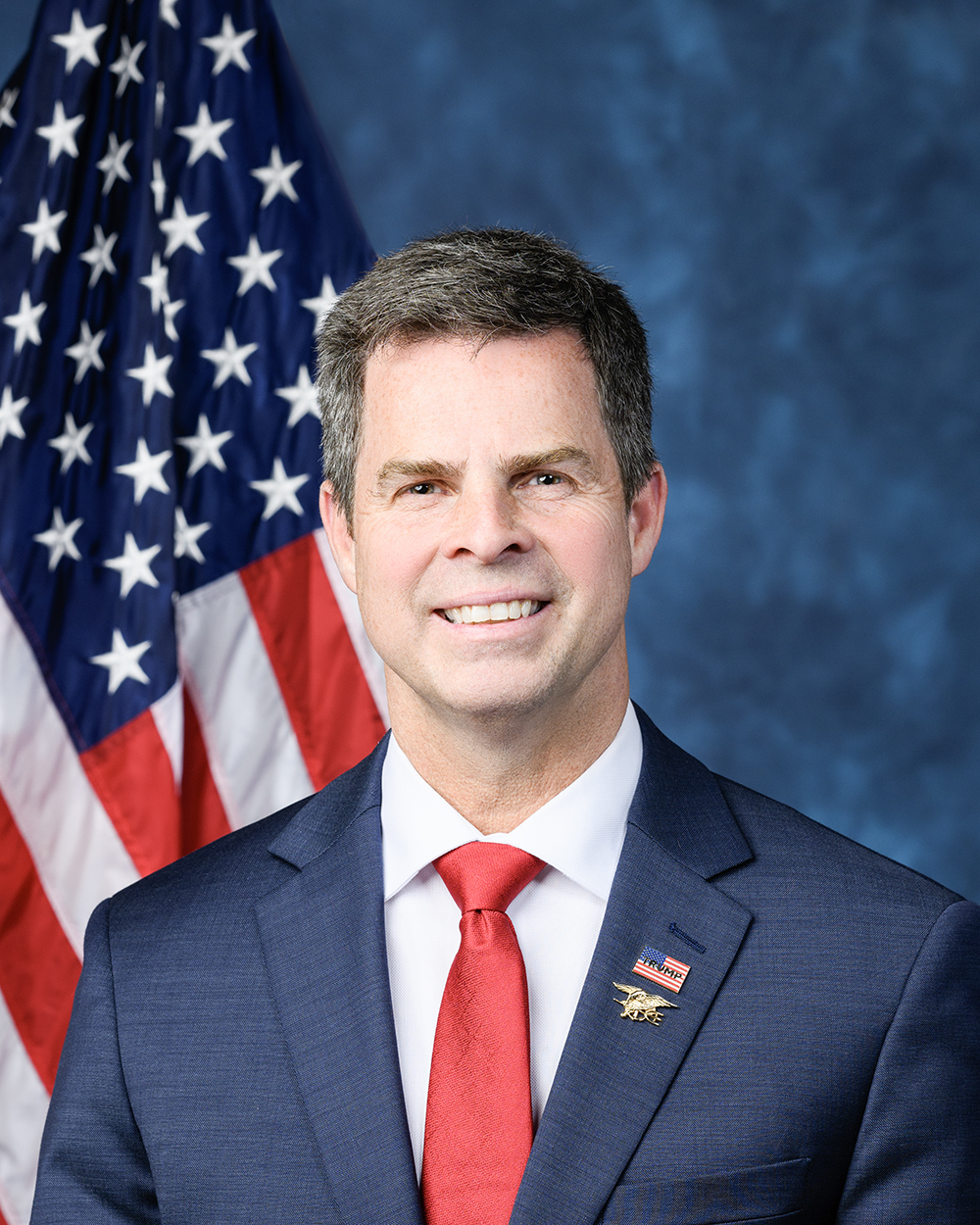
John J. McGuire III
John J. McGuire III House · District 5
R
Oppose
38% 196
Showing 1–10 of 14 bills

All labor & employment bills

in committee · United States · House Apr 9, 2026

HR 8213: Defending Women in the Workplace Act

This bill amends Title VII of the Civil Rights Act of 1964 to clarify that protections against sex discrimination do not extend to gender identity. It directly affects employers, employees, and individuals involved in workplace discrimination claims by explicitly excluding gender identity from the definition of sex-based discrimination. The key provision is a rule of construction that interprets existing federal law in a specific way, rather than creating new protections or restrictions. This change would limit the scope of federal sex discrimination claims to biological sex rather than including gender identity as a protected category.
in committee · United States · House Mar 25, 2025

HR 2315: Fairness for High-Skilled Americans Act of 2025

Fairness for High-Skilled Americans Act of 2025 This bill eliminates the Optional Practical Training Program or any successor program, unless Congress expressly authorizes such a program. (The program provides an F-1 student visa holder temporary employment authorization before or after completion of the student's studies, or both.)
Sub-Topics Work Authorization
in committee · United States · House Dec 1, 2025

HR 5767: Secure Commercial Driver Licensing Act of 2025

This bill requires all commercial driver's license (CDL) tests - including knowledge tests, entry-level training exams, and third-party provider assessments - to be administered exclusively in English. It also mandates that new CDL applicants must hold a regular driver's license for at least one year prior to receiving a CDL, affecting most first-time commercial drivers. The Secretary of Transportation can revoke a state's authority to issue non-domiciled CDLs or commercial learner's permits (CLPs) if the state fails to comply with these requirements. These provisions directly impact new CDL applicants, particularly non-English speakers and those without prior driving experience.
in committee · United States · House Jan 16, 2025

HR 473: SHOW UP Act of 2025

HR 473, the SHOW UP Act of 2025, requires federal executive agencies to return to pre-pandemic telework policies within 30 days of enactment, limiting work-from-home options to those in place on December 31, 2019. Agencies must then conduct a 6-month study analyzing pandemic-era telework impacts - including effects on mission performance, costs from underused office space, and employee productivity tools - and submit a plan to Congress if they seek to expand telework beyond these baseline levels. The plan requires certification from the Office of Personnel Management confirming it will improve mission performance, reduce real estate costs, lower locality pay expenses, and ensure secure remote work capabilities without increasing agency costs. This bill directly affects all federal executive agencies (excluding the Government Accountability Office) and their employees by restricting telework flexibility and imposing strict requirements for any future expansion.
in committee · United States · House Mar 5, 2025

HR 1882: Saving Gig Economy Taxpayers Act

This bill modifies tax reporting rules for gig economy platforms (like Uber or DoorDash) by reinstating a pre-American Rescue Plan threshold. It requires third-party payment platforms to report income to the IRS only if a gig worker earns over $20,000 in a year or completes more than 200 transactions. This directly affects low-earning gig workers who would no longer receive tax forms for smaller earnings. The change simplifies reporting for platforms and reduces administrative burden on workers with minimal income from these platforms.
Sub-Topics Gig Economy
in committee · United States · House Mar 5, 2025

HR 1870: SPEED for BEAD Act

The SPEED for BEAD Act (HR 1870) amends the federal broadband deployment program (BEAD) to accelerate network expansion. It defines "gigabit-level broadband" as 1,000 Mbps download speeds, requires unused funds to be returned to the Treasury instead of reallocated, and allows states to remove high-cost locations from project areas. The bill prohibits grant conditions related to labor practices (e.g., union requirements), diversity initiatives, climate policies, or network management rules, while ensuring all broadband technologies meeting speed standards are eligible. It also explicitly bans government regulation of broadband pricing, directly affecting states administering BEAD funds and the internet providers they fund.
in committee · United States · House Jul 16, 2025

HR 4448: Restoring Equal Opportunity Act

HR 4448, the Restoring Equal Opportunity Act, prohibits lawsuits alleging discrimination based on "disparate impact" in employment and housing. It amends the Civil Rights Act of 1964 and Fair Housing Act to ban claims where a neutral policy (like a test or screening rule) unintentionally disadvantages protected groups (such as race or gender), even if there was no discriminatory intent. The bill also nullifies specific federal regulations implementing civil rights laws, removing legal grounds for such claims under current enforcement rules. This directly affects employers, housing providers, and federal agencies that enforce civil rights laws, changing how discrimination claims can be brought in court.
in committee · United States · House Sep 8, 2026

HR 3495: Direct Seller and Real Estate Agent Harmonization Act

This bill amends the Fair Labor Standards Act to clarify that direct sellers and qualified real estate agents (as defined under IRS rules) are not considered "employees" under federal labor law. It directly affects these workers by excluding them from FLSA protections like minimum wage and overtime pay. The key provision inserts a new definition into the law, changing how these professions are classified for labor rights purposes. This is a technical definitional change, not a new policy or program.
in committee · United States · House Feb 7, 2025

HR 1119: Unemployment Integrity Act of 2025

HR 1119, the Unemployment Integrity Act of 2025, requires unemployed individuals applying for regular benefits to actively engage with job opportunities by responding to work-related requests, attending required interviews, and complying with reasonable assessments like drug tests or skills evaluations. It also mandates the Secretary of Labor to study increasing random audits of unemployment claims and potentially expand these audits to improve program integrity. Additionally, the bill links federal funding for extended unemployment benefits to states adopting these new requirements, stating that states must include the interview and compliance provisions before receiving federal funds for extended benefits. These changes directly affect unemployed workers seeking benefits and state unemployment programs administering the system.
in committee · United States · House Mar 25, 2025

HR 1210: Protecting Taxpayers’ Wallets Act of 2025

HR 1210, the Protecting Taxpayers’ Wallets Act of 2025, requires federal agency labor unions recognized as exclusive representatives to pay quarterly fees for using agency resources. These fees cover the value of union time (hours spent on union work during work hours) and agency resources like office space or equipment, calculated using agency pay rates and GSA/market values. Unions must pay fees within 60 days of notice, with penalties including denied union time after 90 days, termination of union certification after 365 days, and fines accruing interest. The bill directly affects federal labor unions representing agency employees, mandating payment for resource use to reduce taxpayer costs.
Showing 1 to 10 of 14 bills
1 2 Next