Issue · Energy

Energy (Pipeline Infrastructure)

Every energy bill, vote, and legislator stance in Virginia, automatically classified by Maddy, our AI policy reader.

Total bills
1
2026 Regular Session
Top supporter
Bonita Anthony
100% support rate
Top opponent
Tony Wilt
0% support rate
Ranked legislators
10
5 support · 5 oppose
Key legislators

Who's moving pipeline infrastructure in Virginia

Legislators moving pipeline infrastructure in Virginia
Legislator Party Stance Support rate Votes
Bonita Anthony
Bonita Anthony House · District 92
D
Strong +
100% 4
Irene Shin
Irene Shin House · District 8
D
Strong +
100% 4
May Nivar
May Nivar House · District 57
D
Strong +
100% 4
Michael Feggans
Michael Feggans House · District 97
D
Strong +
100% 4
Rip Sullivan
Rip Sullivan House · District 6
D
Strong +
100% 4
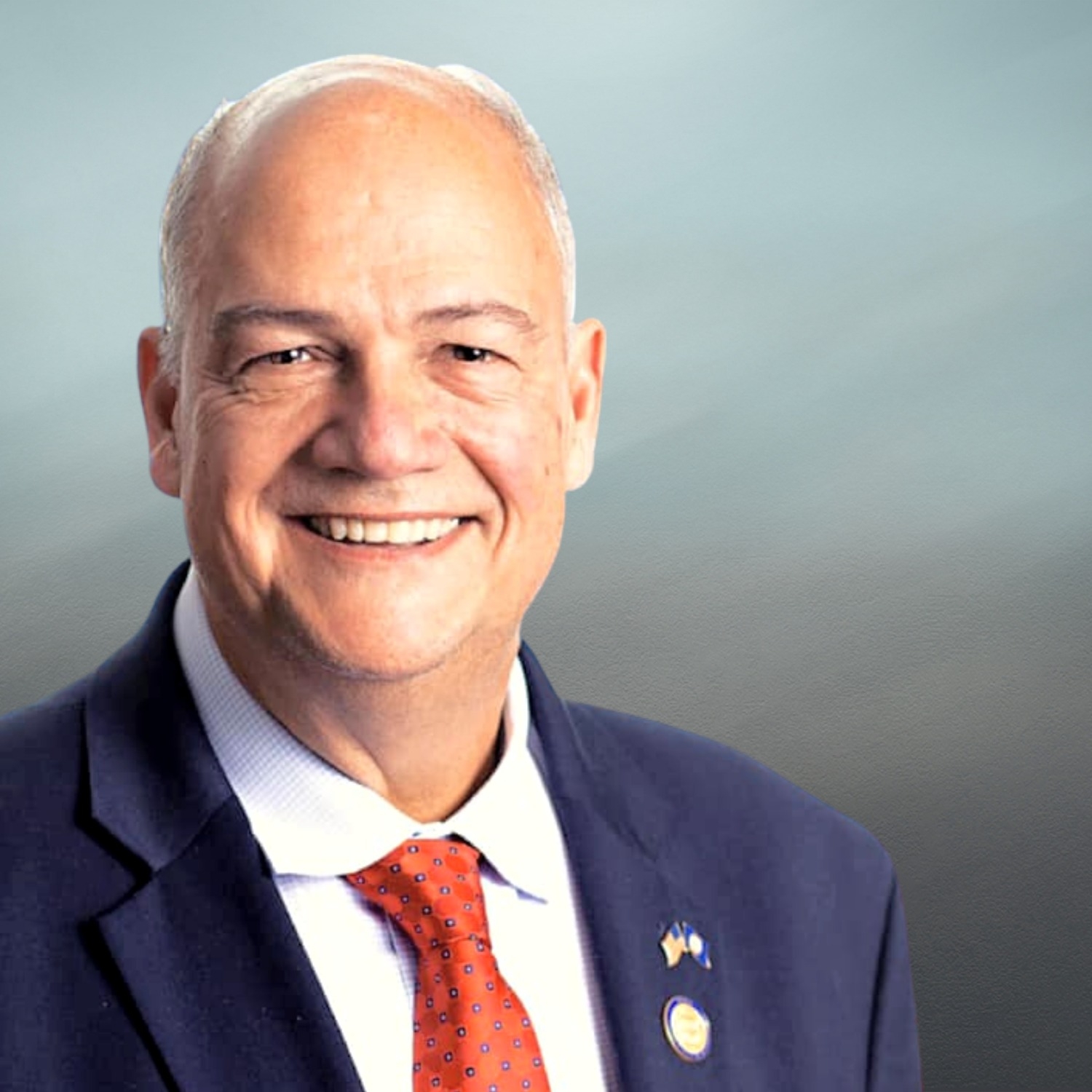
Tony Wilt
Tony Wilt House · District 34
R
Strong −
0% 4
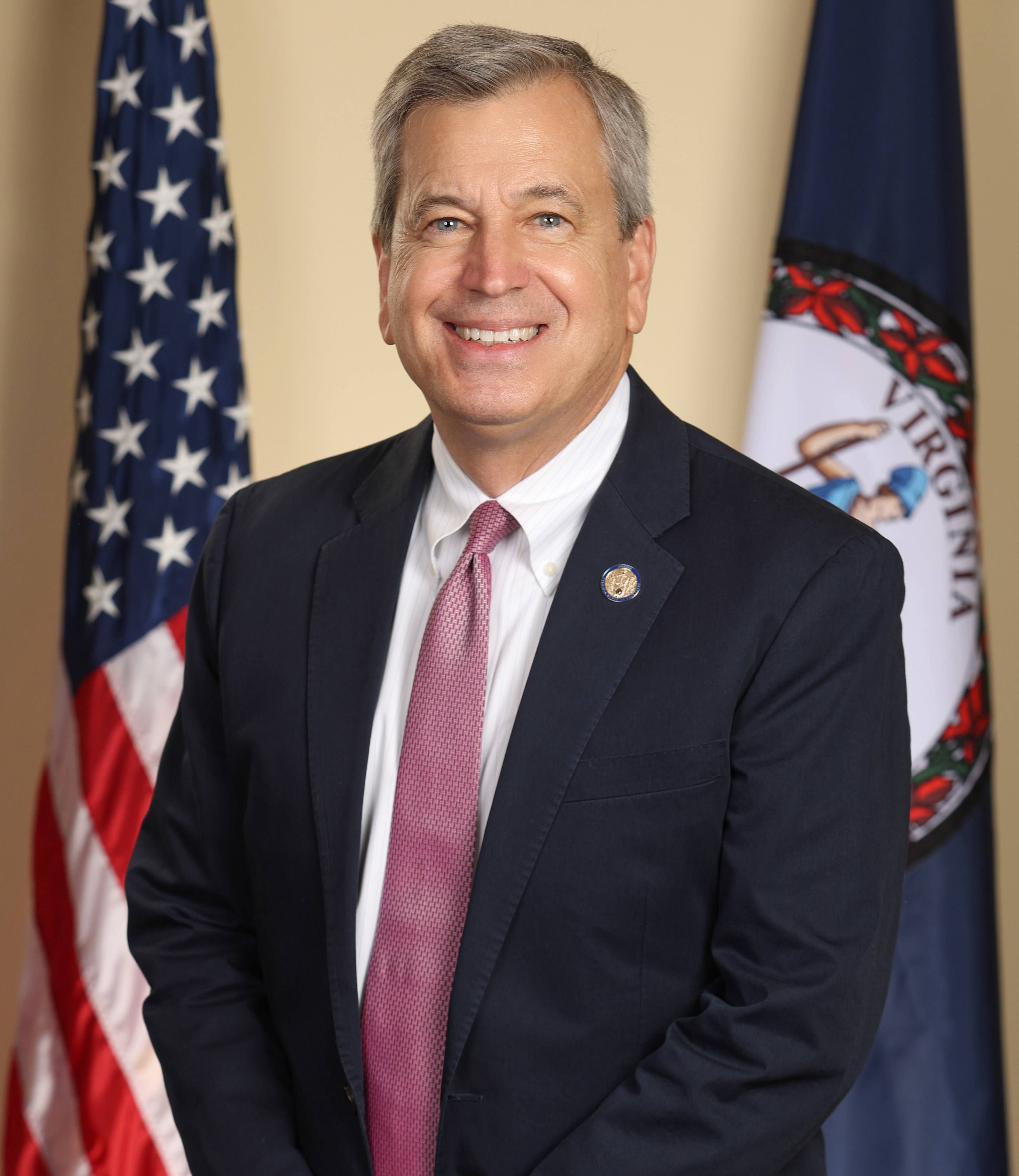
Bill DeSteph
Bill DeSteph Senate · District 20
R
Strong −
0% 3
Chris Runion
Chris Runion House · District 35
R
Strong −
0% 3
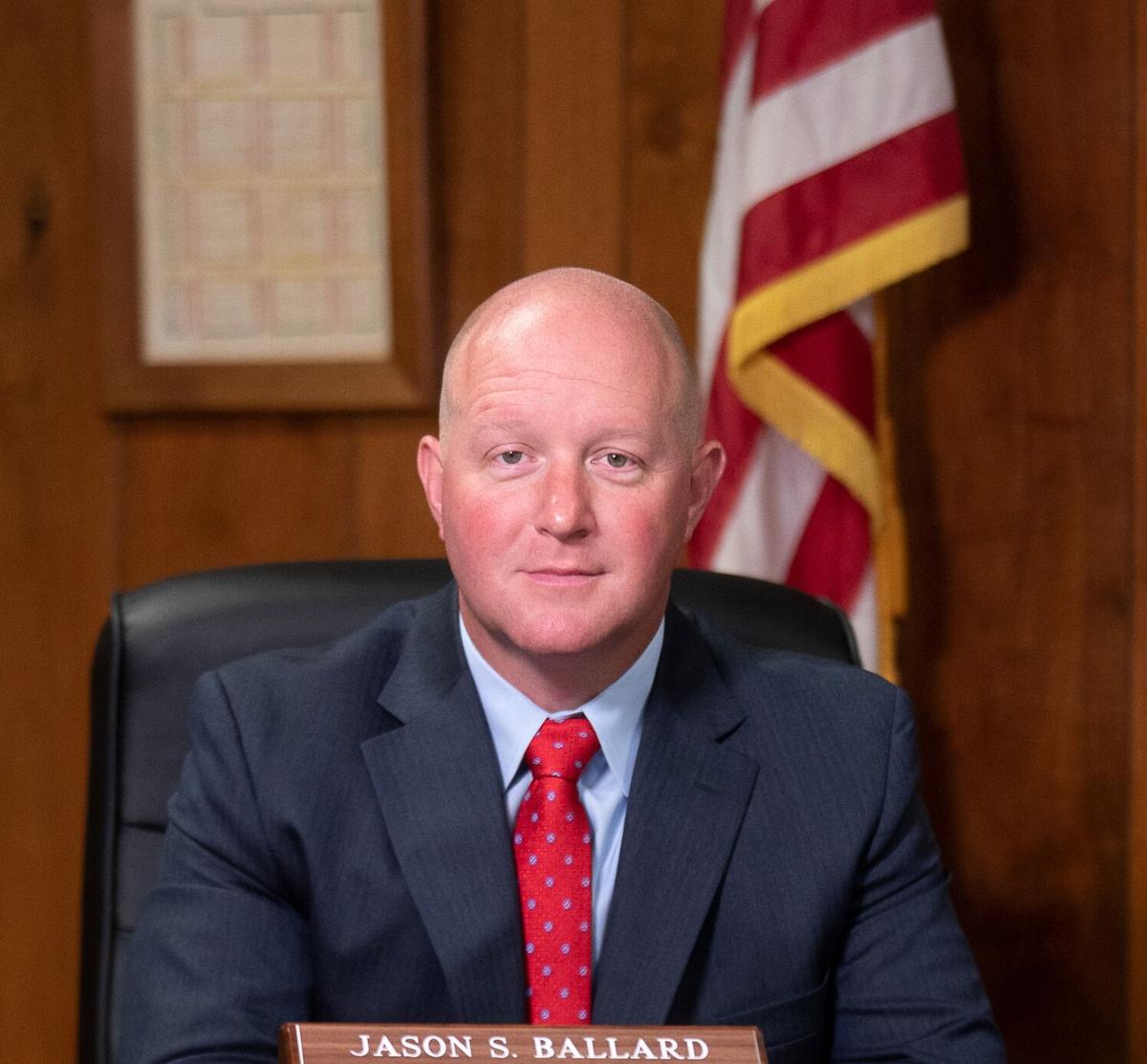
Jason Ballard
Jason Ballard House · District 42
R
Strong −
0% 3
Mark Obenshain
Mark Obenshain Senate · District 2
R
Strong −
0% 3
Showing 1 of 1 bills

All energy bills

signed · Virginia · House of Delegates Apr 13, 2026

HB 1487: Underground transmission lines; pilot program, clarifies qualifying projects, report.

Pilot program for underground transmission lines; qualifying projects; levy; report. Authorizes the State Corporation Commission, in reviewing any application submitted by a public utility for a certificate of public convenience and necessity for the construction of an electrical transmission line of 500 kilovolts filed between January 1, 2025, and July 1, 2033, to approve up to four applications for qualifying projects to be constructed in whole or in part underground as part of the pilot program for underground transmission lines and to provide an expedited review of any such application. The bill removes certain provisions related to the existing pilot program. Under the bill, a project shall be qualified if (i) the Commission finds that an engineering analysis demonstrates that it is technically feasible to place the proposed line in whole or in part underground, (ii) the application contains certain information regarding projections of project costs, (iii) the application contains evidence that the governing body of each locality in which at least a portion of the proposed line will be placed underground supports the project's inclusion in the program and agrees to meet its related funding obligations, and (iv) the Commission finds the overall cost of the project reasonable and consistent with the public interest. The bill permits the Commission to deny an application for a project that otherwise meets the criteria to qualify, provided that the Commission publicly shares its rationale for doing so.The bill requires at least 50 percent of the marginal costs, as defined in the bill, of the portion of a qualifying project chosen to be placed underground within a locality pursuant to its provisions to be paid by such locality. The bill permits such a locality to meet such requirement through imposing a levy on electric utility customers within the locality, issuing a general obligation bond subject to a referendum, or allocating its own funds. The bill extends the Commission's final report deadline for the pilot program from December 1, 2024, to December 1, 2034.