Issue · Criminal Justice

Criminal Justice

Every criminal justice bill, vote, and legislator stance in Virginia, automatically classified by Maddy, our AI policy reader.

Total bills
211
2026 Regular Session
Top supporter
Delores McQuinn
88% support rate
Top opponent
Phil Scott
17% support rate
Ranked legislators
10
5 support · 5 oppose
Key legislators

Who's moving criminal justice in Virginia

Legislators moving criminal justice in Virginia
Legislator Party Stance Support rate Votes
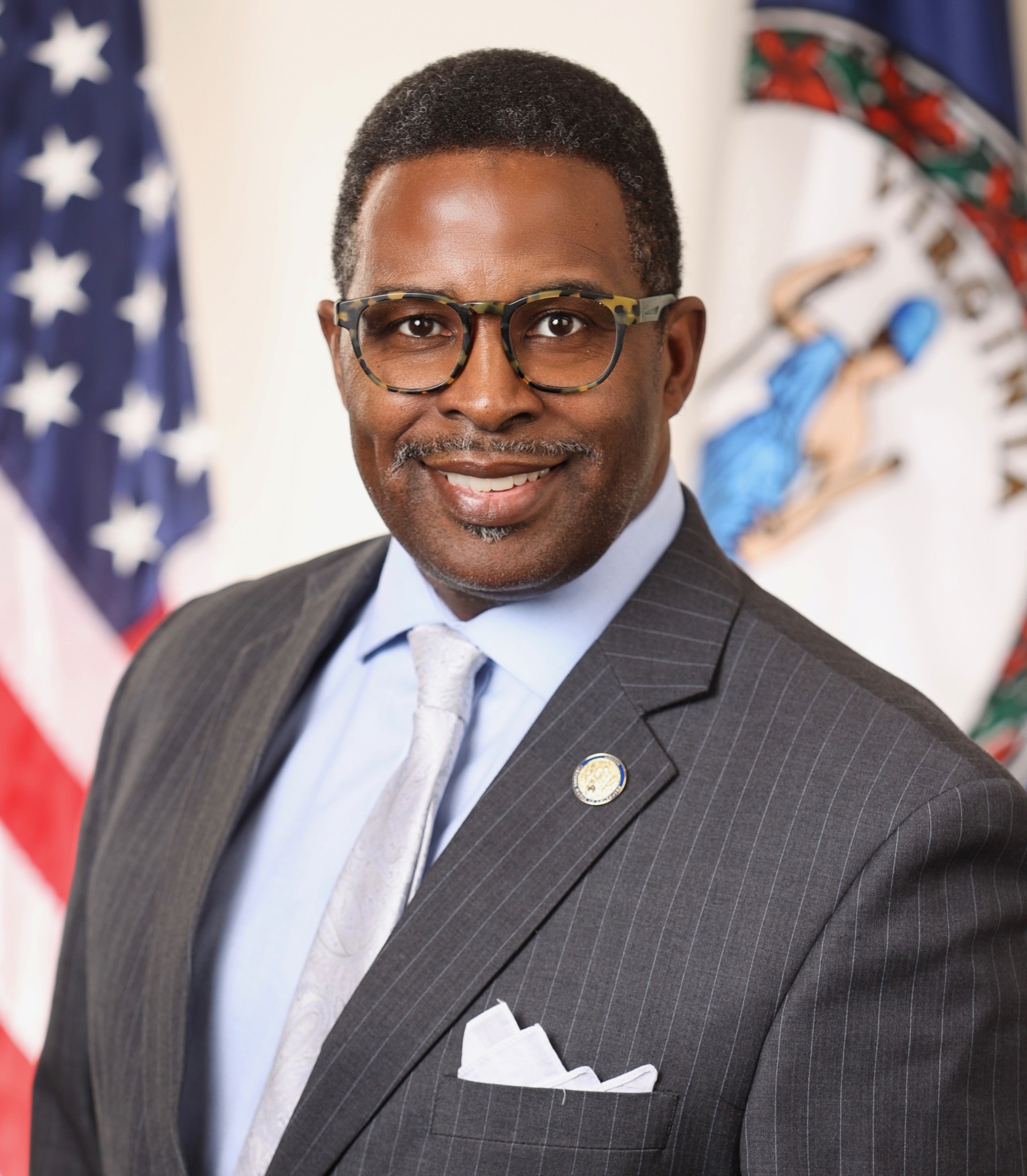
Delores McQuinn
Delores McQuinn House · District 81
D
Strong +
88% 327
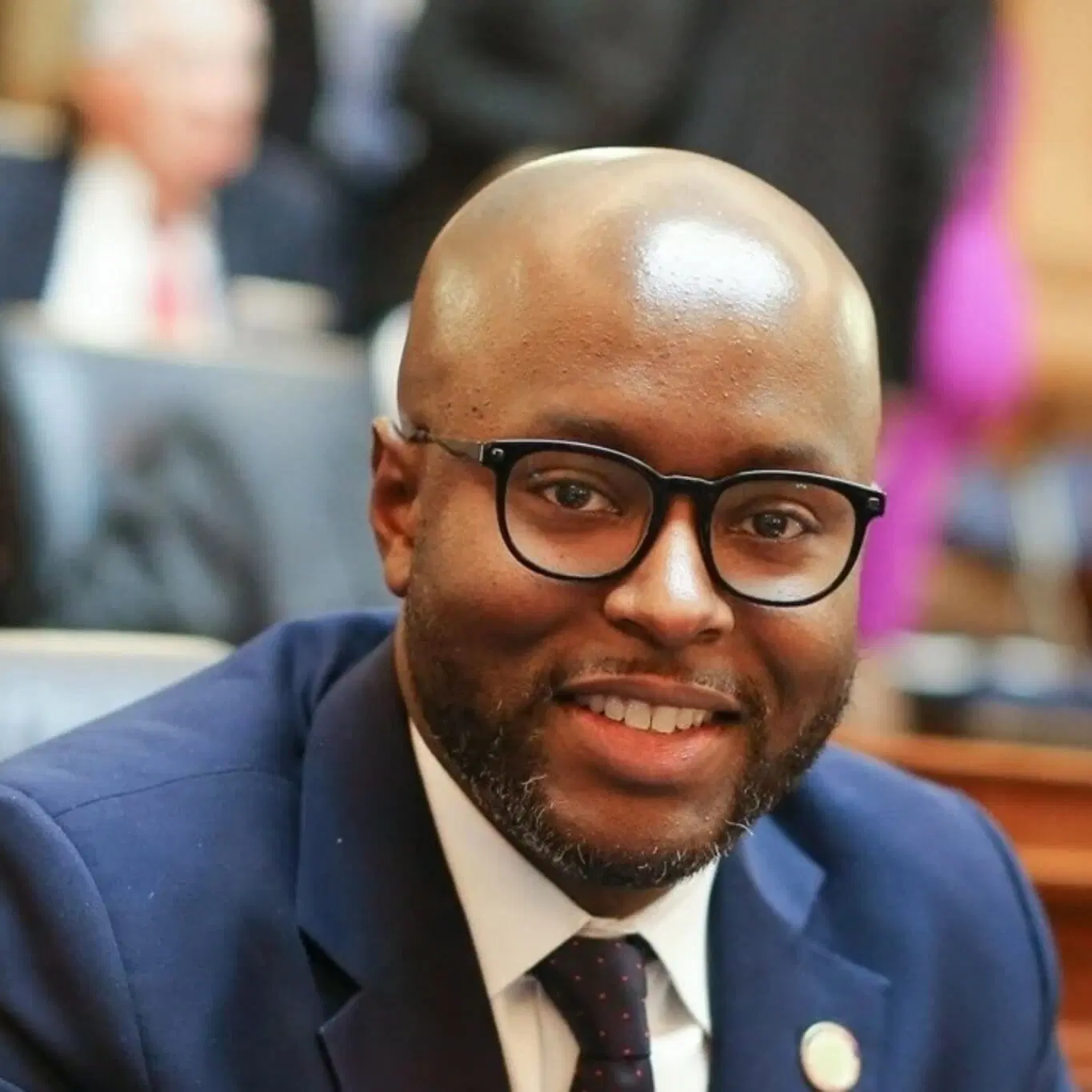
Cliff Hayes
Cliff Hayes House · District 91
D
Strong +
87% 322
Alex Askew
Alex Askew House · District 95
D
Strong +
87% 330
David Reid
David Reid House · District 28
D
Strong +
86% 349
Kathy Tran
Kathy Tran House · District 18
D
Strong +
86% 318
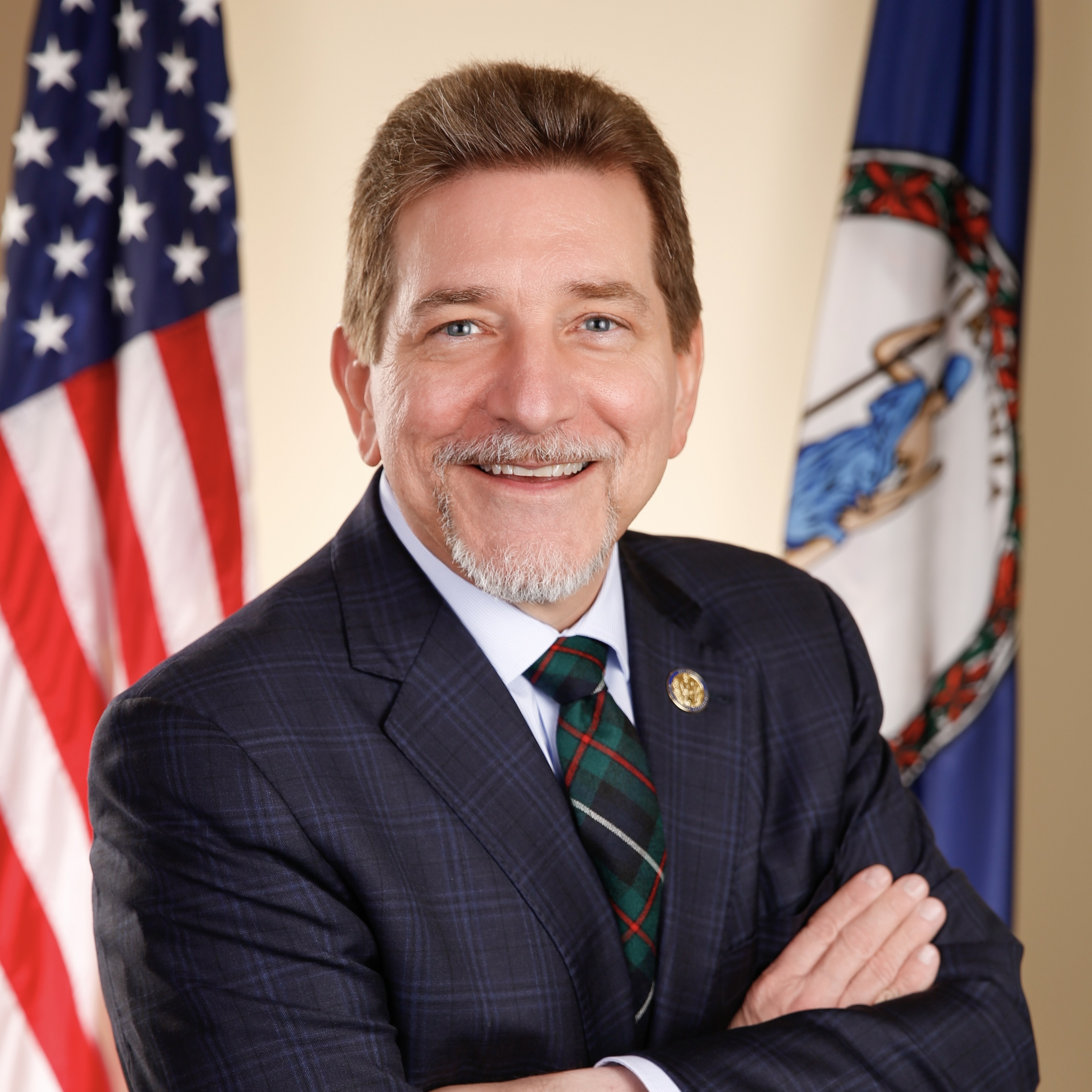
Phil Scott
Phil Scott House · District 63
R
Strong −
17% 301
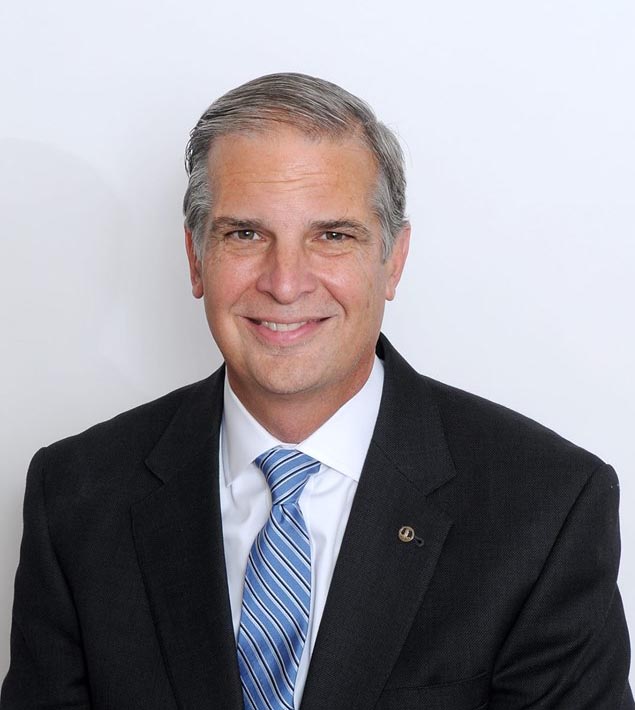
Mark Obenshain
Mark Obenshain Senate · District 2
R
Strong −
19% 443
Mike Webert
Mike Webert House · District 61
R
Strong −
19% 332
Tim Griffin
Tim Griffin House · District 53
R
Strong −
19% 266
Tommy Wright
Tommy Wright House · District 50
R
Strong −
19% 263
Showing 141–150 of 211 bills

All criminal justice bills

passed · Virginia · Senate Mar 9, 2026

SB 198: Individuals with developmental or intellectual disabilities; admissibility of statements.

Admissibility of statements by individuals with developmental or intellectual disabilities in certain cases. Prohibits admission of any evidence from an individual with developmental disabilities or intellectual disabilities, as defined in relevant law, in certain criminal prosecutions unless the court finds by a preponderance of the evidence that such individual's decision to speak to law enforcement was not caused by and did not have a direct and substantial relationship to such individual's disability. The bill requires notice be given to the attorney for the Commonwealth if a defendant intends to introduce expert testimony regarding his disability. The bill prohibits any statements made by a defendant during an examination by an expert witness from being used against him except for impeachment or perjury. The provisions of the bill do not become effective unless reenacted by a subsequent regular or special session of the General Assembly.
Sub-Topics Courts Law Enforcement Tags People with Disabilities
in committee · Virginia · House of Delegates Feb 2, 2026

HB 1261: Law-enforcement agencies; use of certain technology & interrogation practices; forensic laboratory.

Law-enforcement agencies; use of certain technologies and interrogation practices; forensic laboratory accreditation. Directs the Department of Criminal Justice Services (the Department) to establish a comprehensive framework for the use of generative artificial intelligence (AI) systems, machine learning systems, audiovisual surveillance technologies, and custodial and noncustodial interrogations of adults and juveniles by law-enforcement agencies, which shall include (i) developing policies and procedures and publishing model policies for the use of generative AI, machine learning systems, and audiovisual surveillance technologies and interrogation practices and (ii) establishing compulsory minimum training standards for basic training and recertification of law-enforcement officers in the use of generative AI, machine learning systems, and audiovisual surveillance technologies and in conducting interrogations. The bill provides that the Department shall establish and publish such model policies by January 1, 2027, and that all law-enforcement agencies shall adopt policies consistent with such model policies by July 1, 2027. The bill requires any person employed as a law-enforcement officer prior to July 1, 2026, to complete the training required by the bill by January 1, 2030. The bill also provides that no local law-enforcement agency or campus police department shall operate a forensic laboratory, defined in the bill, unless such forensic laboratory is accredited by an accrediting body that requires conformance to forensic-specific requirements and that is a signatory to the International Laboratory Accreditation Cooperation Mutual Recognition Arrangement with a scope of accreditation that covers the testing being performed. The bill also prohibits local law-enforcement agencies and campus police departments from purchasing any equipment or instrument that is intended to be used in forensic laboratory analysis or any breath test device, presumptive chemical test, or presumptive mobile instrument unless such equipment, instrument, device, or test has been approved by the Department of Forensic Science or the Forensic Science Board. Such provisions of the bill have a delayed effective date of January 1, 2030.
signed · Virginia · Senate Apr 6, 2026

SB 136: Probation; decreasing period.

Decreasing probation period. Establishes criteria for which a defendant's supervised probation period shall be reduced, including completing educational activities, maintaining employment, completing treatment, or obtaining housing. The bill provides that a court may decrease a defendant's probation period if warranted by the defendant's conduct upon receipt of a request from the Department of Corrections and requires the Department of Corrections to request termination of a defendant's supervised probation period after 12 months in certain situations. This bill is identical to HB 149.
in committee · Virginia · House of Delegates Feb 18, 2026

HB 1326: Geriatric prisoners; conditional release, Parole Board shall promulgate regulations.

Conditional release of geriatric prisoners. Expands the list of offenses that prohibit a person from petitioning the Parole Board for conditional release as a geriatric prisoner.
Sub-Topics Probation & Parole
signed · Virginia · House of Delegates Apr 13, 2026

HB 632: Kinship foster care; barrier crime waiver, report.

Kinship foster care; barrier crime waiver; report. Establishes a process by which a local department of social services may apply for a barrier crime waiver on behalf of an individual who has been convicted of a Virginia barrier crime that (i) is not (a) included on the list of federal barrier crimes; (b) a violent felony offense; or (c) an offense requiring registration under the Sex Offender and Crimes Against Minors Registry Act and (ii) does not otherwise fall under a barrier crime exception for foster or adoptive homes for the purpose of approval of the individual's home as a kinship foster home. The bill creates a process by which such a local department of social services may apply to the Department of Social Services for a waiver and for the Department to conduct an assessment of such application. The bill also requires the Department of Social Services to file an annual report by December 1 of each year detailing the specifics of the waiver process to the Senate Committee on Rehabilitation and Social Services and the House Committee on Health and Human Services. This bill is identical to SB 305.
passed · Virginia · Senate Mar 10, 2026

SB 209: Geriatric prisoners; conditional release.

Conditional release of geriatric prisoners. Expands the list of offenses that prohibit a person from petitioning the Parole Board for conditional release as a geriatric prisoner.
signed · Virginia · House of Delegates Apr 6, 2026

HB 223: Public defender; local funding for positions.

HB 223 allows counties and cities to fund public defender positions using local resources. It directly affects local governments and public defender offices by giving them the option to establish or expand these roles through municipal budgets. The bill's key provision is enabling governing bodies (like city councils or county commissions) to allocate funds for public defender staffing without requiring state financial support. The bill passed the House unanimously and is now under review by the Committee for Courts of Justice.
Tags Local Government
signed · Virginia · House of Delegates Apr 8, 2026

HB 296: State correctional facilities; visitation policies, reports.

State correctional facilities; visitation policies; report. Requires the Department of Corrections to establish and publicly post on its website and in the lobby of each state correctional facility an objective dress code for individuals visiting a state correctional facility and specifies certain requirements for and limitations on what such dress code may include. The bill prohibits any state correctional facility from enforcing a dress code that is more restrictive than the dress code posted by the Department.The bill also prohibits any individual from being denied in-person visitation unless such individual is in clear violation of visitation rules or policies. Prior to denying entry to a visitor, the bill requires the reasoning to be (i) reviewed in person by the facility administrative duty officer and (ii) approved by a regional administrator or superior. The bill requires the Department to submit a report annually on or before November 1 to the General Assembly and the Governor with information on visitors denied entry to state correctional facilities, including the following information disaggregated by facility and by month: (a) the number of visitors denied entry and (b) the reasoning for such denials, including the specific rules or policies such visitors were alleged to have violated.The bill requires the Department to convene a work group consisting of relevant stakeholders to consider goals and develop practical policy and legislative recommendations related to facilitating visitation within state correctional facilities and report its findings and recommendations to the Governor and the General Assembly no later than November 1, 2026.
vetoed · Virginia · Senate Apr 14, 2026

SB 749: Assault firearms & certain ammunition feeding devices; purchase, sale, etc., prohibited, penalties.

Purchase, sale, transfer, etc., of assault firearms and certain ammunition feeding devices prohibited; penalties. Creates a Class 1 misdemeanor for any person who imports, sells, manufactures, purchases, or transfers an assault firearm, as that term is defined in the bill with some exceptions, and prohibits a person who has been convicted of such violation from purchasing, possessing, or transporting a firearm for a period of three years from the date of conviction. The bill provides that an assault firearm does not include any firearm that is an antique firearm, has been rendered permanently inoperable, or is manually operated by bolt, pump, lever, or slide action. The bill also prohibits the sale of a large capacity ammunition feeding device, as that term is defined in the bill. The bill provides that any person who willfully and intentionally (i) sells an assault firearm to another person or (ii) purchases an assault firearm from another person is guilty of a Class 1 misdemeanor and that any person who imports, sells, barters, transfers, or purchases a large capacity ammunition feeding device is guilty of a Class 1 misdemeanor. This bill is identical to HB 217.
Sub-Topics Firearms Violent Crime
signed · Virginia · House of Delegates Apr 6, 2026

HB 357: Person arrested for a felony; release of accused on secured or unsecured bond.

Release of accused on secured or unsecured bond. Removes the conditions requiring that any person arrested for a felony who (i) has previously been convicted of a felony, (ii) is presently on bond for an unrelated arrest in any jurisdiction, or (iii) is on probation or parole be released only upon a secure bond. Additionally, the bill adds to the factors a judicial officer shall consider in making a bail determination (a) the person's current bond status for an unrelated arrest in any jurisdiction and (b) whether the person is on probation or parole.
Showing 141 to 150 of 211 bills
Previous 1 14 15 16 22 Next