Issue · Healthcare

Healthcare

Every healthcare bill, vote, and legislator stance in Vermont, automatically classified by Maddy, our AI policy reader.

Total bills
342
119th Congress
Top supporter
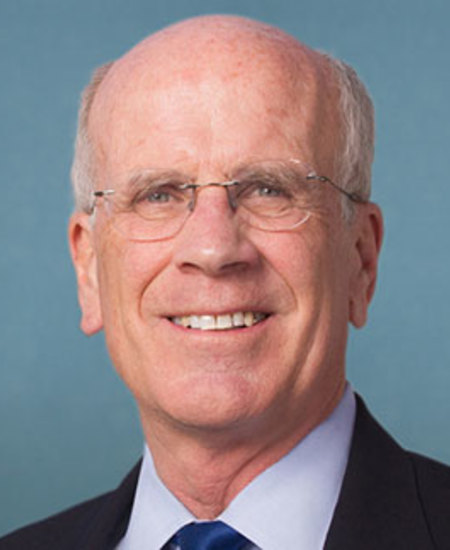
Peter Welch
76% support rate
Top opponent
-
no data yet
Ranked legislators
3
3 support · 0 oppose
Key legislators

Who's moving healthcare in Vermont

Legislators moving healthcare in Vermont
Legislator Party Stance Support rate Votes
Peter Welch
Peter Welch Senate
D
Support
76% 211
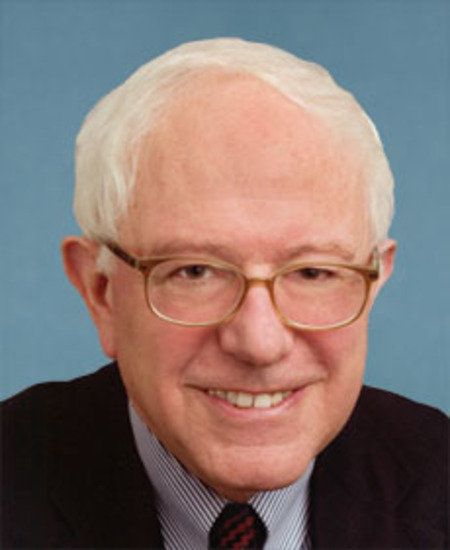
Bernard Sanders
Bernard Sanders Senate
I
Support
71% 215
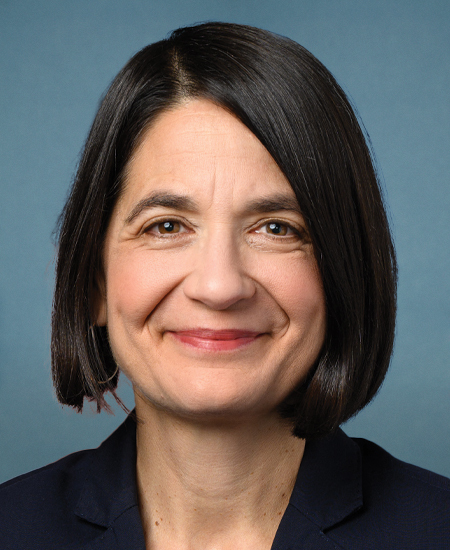
Becca Balint
Becca Balint House · District At-Large
D
Support
67% 211
Showing 1–10 of 342 bills

All healthcare bills

in committee · United States · House Sep 8, 2026

HRES 1514: Recognizing suicide as a serious public health problem, expressing support for the designation of September 8, 2026, as "988 Day" and the role of the 988 Suicide and Crisis Lifeline, and for other purposes.

This House resolution formally recognizes suicide as a significant public health issue in the United States and highlights the impact of the 988 Suicide and Crisis Lifeline on individuals and communities. It commends the establishment of the 988 number as a nationwide three-digit dialing code for crisis support, noting its role in connecting people to mental health resources. The bill supports the designation of September 8, 2026, as "988 Day" to raise awareness about the service and promote access to mental health care. Additionally, it encourages continued public education and federal, state, and local efforts to expand crisis intervention programs for high-risk populations.
in committee · United States · House Jul 23, 2026

HR 9946: Equity in STI Testing Act

The Equity in STI Testing Act requires Medicare Advantage, Medicaid, CHIP, TRICARE, and the Department of Veterans Affairs to cover screening tests for HIV, gonorrhea, syphilis, trichomoniasis, and chlamydia without charging beneficiaries any out-of-pocket costs. The bill directly affects patients enrolled in these federal health programs by eliminating copayments and deductibles specifically for these preventive screenings. It also mandates that the Indian Health Service provide these tests to eligible Native Americans at no cost, regardless of whether the services are typically authorized under their purchased or referred care systems. These changes take effect on different timelines depending on the specific program, with some provisions applying immediately upon enactment and others starting in the following calendar year.
in committee · United States · House Sep 3, 2026

HR 10245: 9–8–8 and 9–1–1 Integration Act

The 9-8-8 and 9-1-1 Integration Act directs the Secretary of Health and Human Services to establish a multidisciplinary panel that will develop recommendations for training and protocols for emergency dispatchers. The primary goal is to ensure that individuals experiencing behavioral health or substance use crises are connected to appropriate care services rather than being met solely by law enforcement. The panel must consider integrating the 9-8-8 crisis line with the 9-1-1 system, utilizing standardized assessment tools to evaluate caller needs, and implementing training on cultural competency and implicit bias. Additionally, the legislation requires the creation of data collection standards to track response outcomes and disparities while protecting caller privacy, with reports submitted to Congress upon the release of recommendations and every five years thereafter.
Sub-Topics Law Enforcement Mental Health Tags Public Safety
in committee · United States · House Sep 3, 2026

HR 10280: 9–8–8 Implementation Act of 2026

The 9-8-8 Implementation Act of 2026 expands federal funding and mandates insurance coverage for behavioral health crisis services, directly affecting individuals experiencing mental health or substance use emergencies as well as the providers who serve them. The bill authorizes grants to upgrade local lifeline call centers, build new crisis stabilization facilities, and train a larger workforce of behavioral health professionals. It requires Medicare, Medicaid, private group health plans, TRICARE, and other federal insurance programs to cover crisis response services with financial terms no more restrictive than standard medical care. Additionally, the legislation establishes a federal panel to develop training protocols for 9-1-1 dispatchers to better connect callers to appropriate crisis care rather than law enforcement responses.
in committee · United States · Senate Aug 6, 2026

S 5321: HCBS Access Act

The HCBS Access Act would require states to cover home and community-based services (HCBS) as a mandatory benefit under Medicaid, effectively eliminating waiting lists for individuals with disabilities and older adults who need support to live in their communities rather than institutions. To fund this expansion, the bill provides a 100% federal matching rate for these services if states meet specific requirements, such as improving workforce wages, removing access barriers, and establishing infrastructure to support self-directed care models. Additionally, the legislation creates a national technical assistance center and authorizes grants to recruit, train, and retain direct care workers, while also prohibiting states from placing liens on the assets of Medicaid recipients for medical assistance correctly paid.
passed · United States · Senate Aug 7, 2026

SRES 843: A resolution expressing support for the designation of the first week of August 2026, as "National Community Health Center Week", encouraging all people of the United States to participate by visiting their local community health center, and celebrating the important partnership between community health centers and the communities they serve.

This Senate resolution designates the first week of August 2026 as "National Community Health Center Week" to recognize the role these facilities play in providing affordable primary care across the United States. The bill highlights that community health centers serve a diverse range of populations, including those in rural and urban areas, by offering integrated services such as mental health, dental, and pharmacy care. It encourages the general public to participate in the observance by visiting local centers and celebrating the partnership between these organizations and their communities.
in committee · United States · Senate Aug 6, 2026

S 5331: Protect American Values Act of 2026

The Protect American Values Act of 2026 prohibits the use of federal funds to implement or enforce a specific Department of Homeland Security rule regarding the "Public Charge" ground of inadmissibility. This legislation directly affects immigrants and their families by preventing the government from using financial resources to carry out policies that could restrict access to essential services like food, medical care, and housing. The bill includes a statement of congressional intent arguing that the targeted rule would harm community health, increase poverty, and circumvent established immigration laws. By blocking funding for this specific regulatory action, the act aims to maintain current eligibility standards for public assistance without altering the underlying statutory framework.
in committee · United States · Senate Aug 6, 2026

S 5283: Momnibus Act

The Momnibus Act is a comprehensive legislative package designed to address maternal health disparities by expanding access to care, improving data collection, and funding community-based interventions for pregnant and postpartum individuals. Key provisions include extending WIC nutrition benefits for new mothers from six months to two years, establishing a federal task force to coordinate efforts across government agencies, and creating grant programs to support social determinants of health such as housing, transportation, and mental health services. The bill also mandates respectful maternity care training for hospital staff, requires states to restrict the shackling of pregnant individuals in prison to maintain federal funding eligibility, and authorizes significant research funding through the National Institutes of Health to study maternal mortality causes and climate change impacts on pregnancy outcomes.
in committee · United States · Senate Jul 29, 2026

S 5168: Comprehensive Paid Leave for Federal Employees Act

This bill expands paid family and medical leave benefits for a wide range of federal workers, including those in the Executive Office of the President, the Postal Service, and the District of Columbia courts. It primarily increases the amount of paid leave available for specific events, such as the birth or adoption of a child, by allowing employees to take up to 26 workweeks of leave in total, which includes a separate 12-week portion for other family and medical needs. The legislation also clarifies that leave for adoption can begin before the child is placed with the family to support necessary pre-placement activities. Additionally, it updates the rules for various federal agencies to ensure their leave programs align with these new standards and covers employees who might have previously received different types of paid leave under separate laws.
Sub-Topics Paid Leave
in committee · United States · Senate Jul 30, 2026

S 5180: Provider Reimbursement Stability Act of 2026

The Provider Reimbursement Stability Act of 2026 aims to create more predictable payment amounts for physicians by modifying how the Centers for Medicare & Medicaid Services calculates fee schedules. It raises the financial threshold for certain budget adjustments from $20 million to $57.64 million starting in 2028 and requires these amounts to be adjusted every five years based on inflation data. The bill also mandates that the government update the costs of staff wages and medical supplies used to calculate payments at least once every five years and limits how much the overall payment rate can change from one year to the next to no more than 2.5 percent. These changes directly affect doctors and healthcare providers who receive Medicare payments, ensuring their reimbursement rates remain more stable and better aligned with actual costs.
Sub-Topics Medicaid Medicare
Showing 1 to 10 of 342 bills
1 2 3 35 Next