Maddy summaryHB 291 establishes a standardized procedure for conducting mayoral recall elections in Utah cities. It defines key terms, sets requirements for filing recall petitions (including signature gathering, submission, and validation rules), and outlines the process for holding the election and counting votes. The bill directly affects citizens seeking to remove a mayor and city election officials responsible for administering the recall process. It includes criminal penalties for misconduct during the petition phase and makes technical updates to election law codes. This is a procedural bill focused on creating clear, consistent rules for mayoral recalls, with no funding impact.
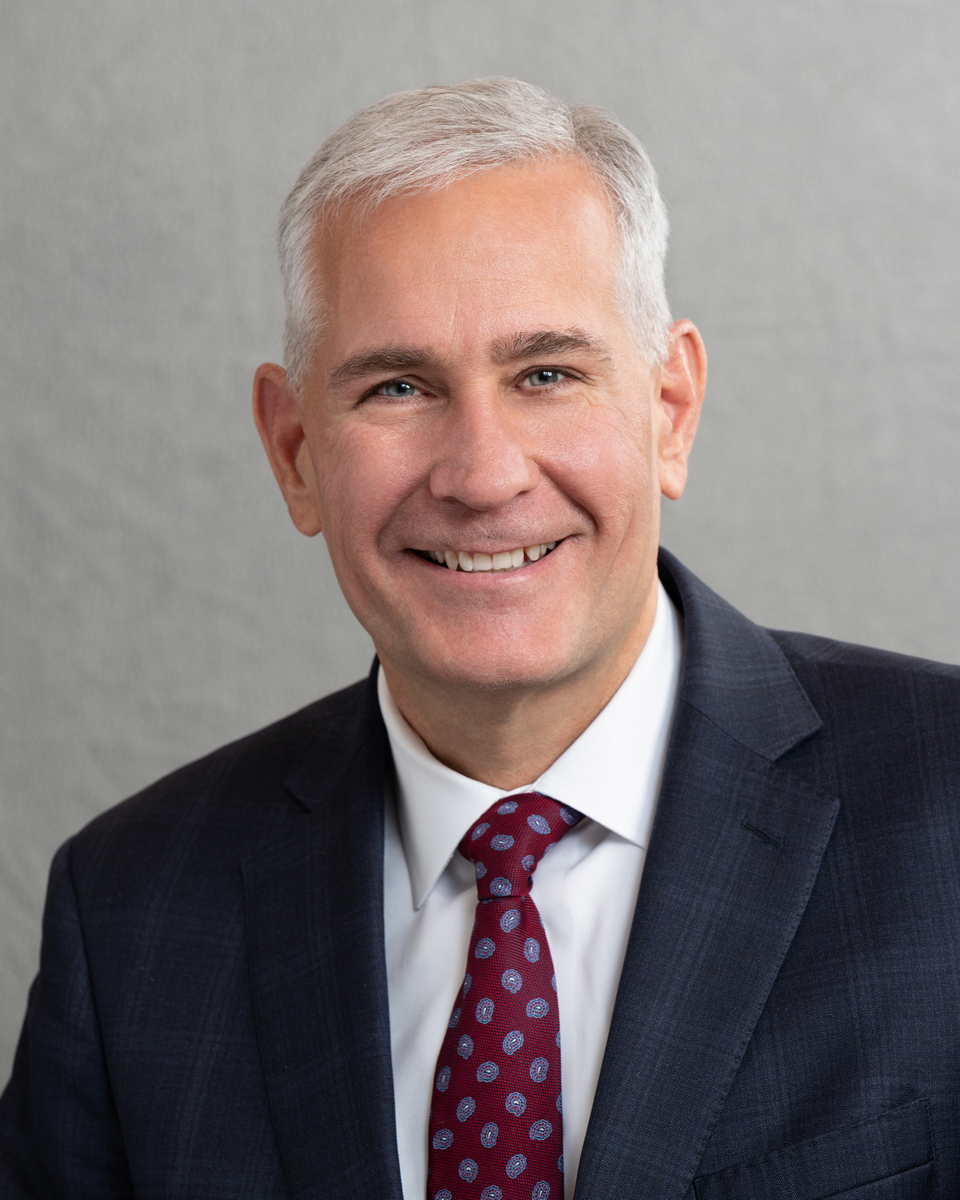
Rep. Nelson Abbott
Sponsored bills
Maddy summarySB 313 amends Utah Code Section 17-25-1 to allow constables to offer individuals a payment schedule instead of immediately seizing their property for unpaid debts. This directly affects residents who owe money to constables (such as court fees or fines), providing them a structured way to pay over time. The key change adds a specific provision to the constable's duties, enabling this alternative to property seizure while maintaining existing legal authority. The bill makes no new funding commitments and takes effect on May 7, 2025.
Maddy summaryHB 220 requires transportation network companies (like Uber or Lyft) to ensure drivers maintain specific insurance coverage for both prearranged rides ($1 million liability) and waiting periods ($50,000 per person). If a company fails to provide this coverage and an individual is injured in an accident it arranges, the injured person can sue the company for damages not covered by the driver’s insurance. The bill amends Utah’s insurance code to clarify coverage requirements, mandate company verification of driver insurance, and ensure companies provide immediate coverage if driver insurance lapses. It directly affects ride-hailing companies, drivers, and accident victims in Utah, effective May 2025.
Maddy summaryHB 527 requires Utah's health department and education state board to annually report how they interpret federal health and education rules from the U.S. Department of Health and Human Services and Department of Education. Specifically, these agencies must submit reports by July 1 each year to health and education committees and the Federalism Commission, detailing federal guidance they use to implement rules. The bill includes a coordination clause that would update the reporting requirement to specifically include "federal guidance letters" if both this bill and S.B. 198 pass. This affects state agencies responsible for health and education programs, creating a formal process for tracking federal regulatory impacts. The bill takes effect May 7, 2025, with no funding allocated.
Maddy summaryHB 557 creates the Utah Debate Committee at Utah Valley University to organize nonpartisan candidate debates for state and federal elections. The committee, governed by a leadership board appointed by legislative leaders and the governor, will schedule debates for gubernatorial and congressional races while ensuring fair conduct and public access. It appropriates $600,000 from the Income Tax Fund for fiscal year 2026 to cover operations, including staff support from Utah Valley University. The committee must prevent any single university from hosting more than one primary or general election debate per cycle and maintain political neutrality in all debate planning.
Maddy summaryHB 118 modifies how local governments in Utah calculate their annual contribution to the Homeless Shelter Cities Mitigation Restricted Account. The bill changes the formula to base contributions on 2.55% of a local government's tax revenue distribution (capped at $275,000), adjusted for spending on homelessness goals and the number of homeless shelter beds. This affects all counties and cities required to make these contributions, directing more targeted funding toward homelessness services. The bill makes technical updates to tax distribution rules without appropriating new money.
Maddy summaryHB 338 clarifies procedures for individuals under mental health commitment in Utah, affecting adults and juveniles in civil, criminal, and juvenile cases. It defines key terms (like "mental illness" and "incompetent to proceed"), requires parties seeking additional forensic evaluations to pay for and select the evaluator when expert opinions conflict, and streamlines release processes for defendants found incompetent. The bill also updates requirements for juvenile competency evaluations after specific time periods and adjusts related court procedures. These changes aim to improve clarity and efficiency in commitment proceedings without adding new funding.