Maddy summaryHB 181 enacts Utah's adoption of the Uniform Electronic Estate Planning Documents Act. It allows electronic versions of non-will estate planning documents (like powers of attorney, living wills, and trust documents) to have the same legal standing as paper copies. The bill requires electronic signatures to be attributable to the person signing and sets standards for notarization, witnessing, and document retention. It ensures these electronic documents cannot be rejected in court solely because they are digital. This directly affects individuals creating estate plans and legal professionals handling such documents.
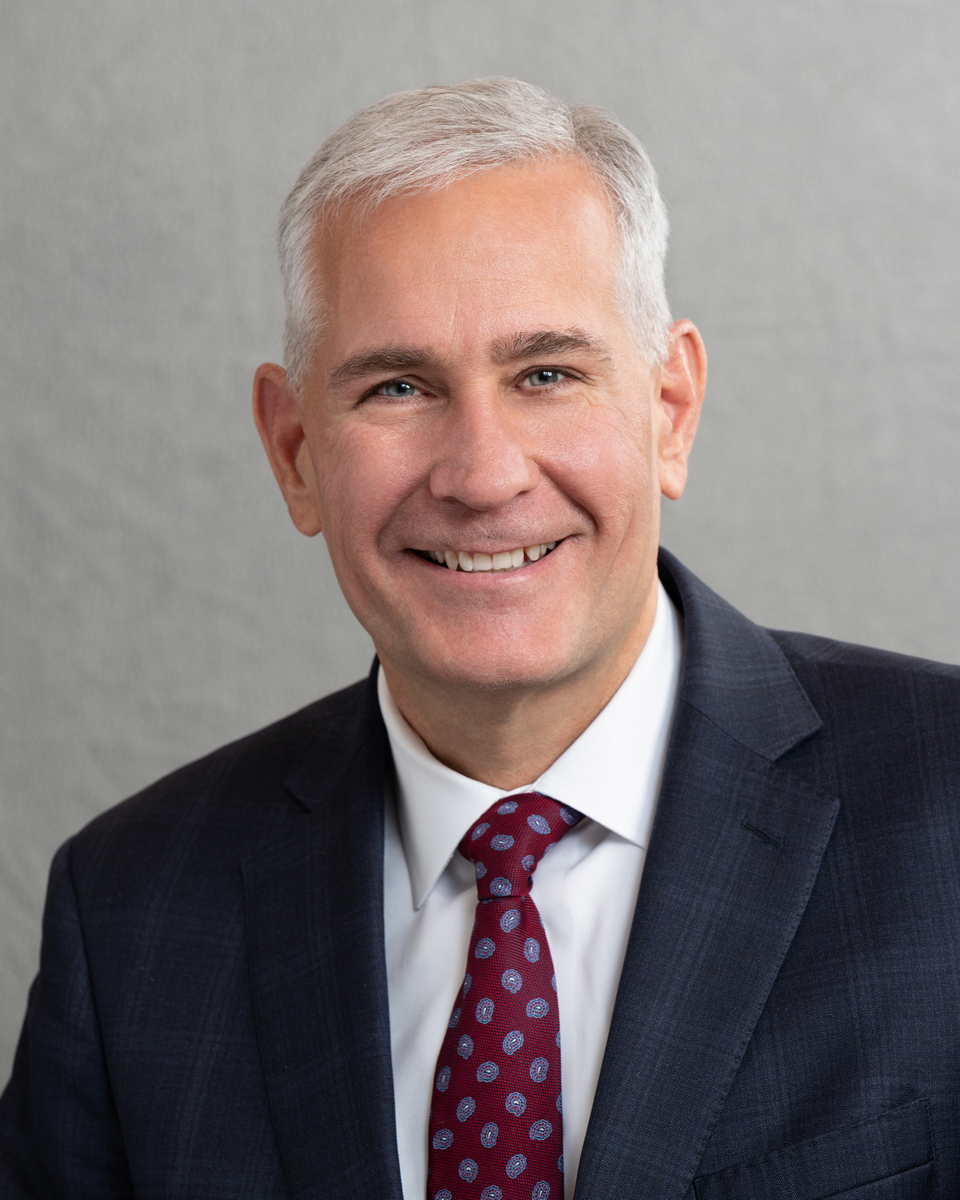
Rep. Nelson Abbott
Sponsored bills
Maddy summarySB 68 creates a process for Utah courts to determine if website accessibility lawsuits under the Americans with Disabilities Act (ADA) are "abusive" - meaning primarily filed for monetary gain rather than fixing accessibility issues. Courts must evaluate factors like multiple similar lawsuits, the defendant's ability to defend, and whether the lawsuit was filed in an unreasonable jurisdiction. If deemed abusive, courts can award the defendant attorney fees, punitive damages (up to three times the fees), and sanctions against the filing party. This directly affects businesses sued for website accessibility and the law firms initiating such lawsuits, with the law taking effect in May 2026.
Maddy summarySB 112 modifies Utah's Exemptions Act to protect certain federal tax refunds from being seized by creditors. It specifically allows individuals with unsecured debt to keep the full amount of federal income tax refunds linked to the Earned Income Tax Credit (EITC) or Child Tax Credit, whether the refund is refundable or reduces their tax liability. This change directly affects low-income Utah residents who rely on these credits, ensuring these refunds remain exempt from collection efforts. The bill makes no other policy changes beyond this targeted exemption and technical updates to existing law.
Maddy summaryHB 207 amends Utah court procedures for competency evaluations of defendants in criminal cases. It requires courts to order multiple evaluations simultaneously if needed, allows the Department of Health to conduct additional evaluations under specific circumstances, and permits transferring defendants to clinical settings for evaluations. The bill clarifies reporting rules for progress toward competency and ensures involuntary medication orders remain valid during facility transfers. This procedural update affects defendants, courts, and the Department of Health, with no new funding required.
Maddy summaryHB 466 modifies Utah's Rural Jobs Act to authorize new nonrefundable income and insurance tax credits for investments in eligible small businesses located in rural counties. It directly affects insurers and their affiliates that make qualifying investments through rural investment companies, allowing them to claim tax credits against state taxes or retaliatory assessments. The bill enacts new provisions (effective January 1, 2027) that specify credit amounts and carry-forward rules, while repealing one outdated section and making technical updates to related statutes.
Maddy summaryHB 255 requires health care sharing ministries in Utah to provide clear disclosures to consumers. Specifically, ministries must include a written "Notice" on applications, guidelines, and advertising materials stating they are not insurance, have no obligation to pay medical bills, and participants remain personally responsible for all expenses. This directly affects health care sharing ministries and their members by mandating transparency about their non-insurance status. The bill amends Utah Code to add these disclosure requirements, ensuring consumers understand these arrangements differ fundamentally from traditional health insurance.
Maddy summarySB 129 establishes Utah Civic Engagement and Service Day, observed annually on the first Friday in September. This new commemorative day aims to promote civic responsibility, community service, and constructive dialogue in response to political violence that occurred in Utah on September 10, 2025. The bill amends Utah Code Section 63G-1-401 to add this day to the state's list of recognized observances, with no funding or additional policy changes. As a procedural bill naming a commemorative day, it does not directly affect specific groups beyond encouraging statewide participation in civic activities.
Maddy summaryHB 213 sets specific deadlines for courts to schedule criminal trials after requests from defendants or victims. It requires trials to begin within 90 days for defendants in custody and 180 days for others (including victims) who file written requests. Courts may extend these deadlines only for limited reasons like case complexity, court backlog, or a defendant's requested continuance. The bill amends Utah law to clarify these timeframes and applies to all criminal cases in Utah courts, effective May 6, 2026.
Maddy summaryHB 363 requires municipalities holding prescriptive water easements to file detailed notices with county recorders about the easement's use and location. It allows cities to take control of easements if owners intend to abandon them, and permits converting easement use after mailing notices to affected landowners, waiting 120 days, and ensuring the change doesn't burden landowners, interfere with other easements, or expand the easement size. The bill directly affects municipalities managing water infrastructure and landowners whose properties are subject to these easements. It makes procedural changes to existing law without altering water rights or requiring new funding.
Maddy summaryThis resolution designates the first Friday in September as "Utah Civic Engagement and Service Day" to promote community involvement. It encourages Utah citizens, schools, local governments, and nonprofits to organize activities like community service projects, civil dialogue forums, voter registration drives, and neighborhood improvements on that day. The resolution specifically supports free speech, peaceful assembly, and respectful civic discourse as foundational to democratic participation. It does not create new laws or appropriate funding, but rather urges voluntary community action aligned with Utah's constitutional values. The focus is on fostering civic responsibility through recognized annual activities, not on mandating specific government actions.