Issue · Education

Education

Every education bill, vote, and legislator stance in Utah, automatically classified by Maddy, our AI policy reader.

Total bills
106
2026 General Session
Top supporter
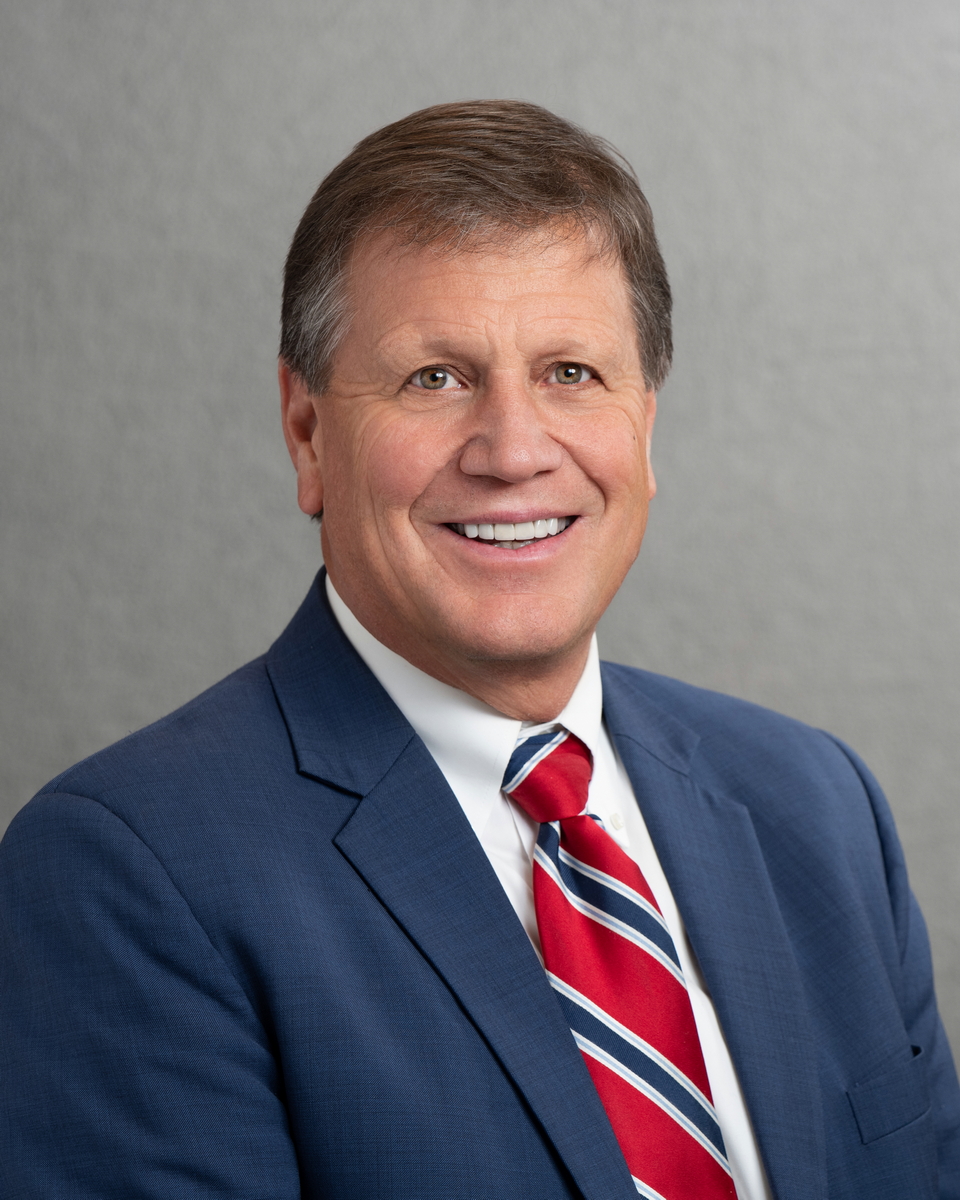
Kirk Cullimore
96% support rate
Top opponent
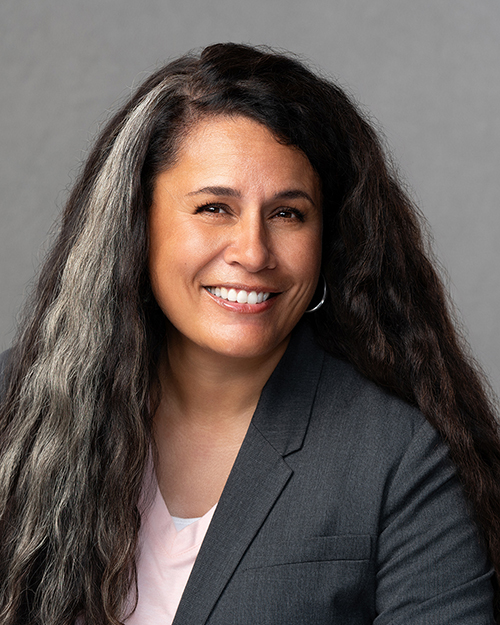
Nate Blouin
15% support rate
Ranked legislators
10
5 support · 5 oppose
Key legislators

Who's moving education in Utah

Legislators moving education in Utah
Legislator Party Stance Support rate Votes
Kirk Cullimore
Kirk Cullimore Senate · District 19
R
Strong +
96% 52
Mike McKell
Mike McKell Senate · District 25
R
Strong +
92% 69
Stuart Adams
Stuart Adams Senate · District 7
R
Strong +
91% 62
Keven Stratton
Keven Stratton Senate · District 24
R
Strong +
89% 72
Cal Musselman
Cal Musselman Senate · District 4
R
Strong +
89% 72
Nate Blouin
Nate Blouin Senate · District 13
D
Strong −
15% 78
Kathleen Riebe
Kathleen Riebe Senate · District 15
D
Oppose
21% 76
Leah Hansen
Leah Hansen House · District 51
R
Oppose
30% 51
Karen Kwan
Karen Kwan Senate · District 12
D
Oppose
32% 79
Stephanie Pitcher
Stephanie Pitcher Senate · District 14
D
Oppose
32% 76
Showing 41–50 of 106 bills

All education bills

signed · Utah · Senate Mar 19, 2026

SB 131: Charter School Eligibility

SB 131 expands Utah charter school enrollment preferences to include students living within the city or county where the school is located (if their home school is at capacity) and children of military service members and Department of Defense employees. The bill amends existing eligibility rules to add these categories to the list of students who may receive priority admission, while maintaining random lotteries for oversubscribed schools. It takes effect on July 1, 2026, and does not require new state funding. This directly affects charter schools and families seeking enrollment in these schools.
Sub-Topics School Choice
signed · Utah · House Mar 19, 2026

HB 219: Higher Education Civics Amendments

HB 219, the Higher Education Civics Amendments, requires Utah's public and private colleges and universities to incorporate foundational American documents - such as the Constitution, Federalist Papers, and key Supreme Court decisions - into writing courses when appropriate for the course's learning goals, starting in the 2026-27 academic year. The Utah Board of Higher Education must establish a policy directing institutions to use these "seminal documents" in analytical writing assignments to build skills like close reading, historical context analysis, and evidence-based argumentation. Institutions may voluntarily adopt structured requirements (e.g., three analytical writing assignments using these documents), but the bill does not mandate adoption for all schools. Faculty retain full discretion to select specific documents, design assignments, and integrate them without overriding course objectives. The policy aims to strengthen students' ability to analyze primary sources while preserving flexibility in teaching diverse writing genres.
signed · Utah · House Mar 19, 2026

HB 426: Online Education Service Provider Amendments

HB 426 establishes accountability rules for Utah's "learner validated programs," which are competency-based online learning programs where students progress by mastering content rather than attending class. It directly affects local school districts (LEAs) operating these programs and third-party providers they contract with. Key requirements include mandating a licensed teacher of record for every student, setting student-to-teacher ratios, requiring documented pacing and proctored assessments, ensuring courses align with state standards, and demanding written policies covering progress monitoring and equivalent rigor to traditional courses. The bill also allows limited waivers for advanced students who demonstrate mastery through state-approved assessments. These changes aim to ensure quality and accountability in online learning while maintaining state educational standards.
Sub-Topics Teachers
signed · Utah · House Mar 19, 2026

HB 300: School District Taxation Amendments

HB 300 extends a 5-year "hold harmless" period for school districts that reduce their tax rates due to changes in property valuation. This protects districts from losing state funding guarantees if they proportionally lower all local tax levies (voted, board, and capital). The bill phases out excess state funding received in 2025 over three years (2026-2028), requiring districts to gradually reduce payments until 2029. It does not appropriate new funds but adjusts how existing state guarantee money is distributed to maintain stability during tax rate changes.
signed · Utah · House Mar 19, 2026

HB 145: School Excused Absence Amendments

HB 145 amends Utah's definition of "valid excuse" for school absences to include participation in specific extracurricular clubs. It explicitly adds mountain biking, shooting sports, and Utah State University-administered youth development programs (focused on agriculture, STEM, leadership, etc.) to the list of activities that qualify as a valid excuse. This directly affects public school students in Utah who participate in these clubs, allowing them to miss school for club-related events without being marked truant. The bill takes effect on July 1, 2026, and makes only technical changes to the existing code.
Sub-Topics Higher Education
in committee · Utah · Senate Mar 7, 2026

SB 207: Protection from Unfair Treatment Based on Religion or Other Irrelevant Characteristics

SB 207 prohibits discrimination based on religion, race, age, gender, or other protected characteristics in credit decisions by lenders and credit reporting agencies, and in insurance underwriting. It requires schools to grant excused absences for religious holidays and mandates state universities to reasonably accommodate students' religious practices during admissions, class attendance, exams, and academic requirements. The bill directly affects consumers applying for loans or insurance, public school students, and state higher education institutions. It amends existing Utah laws to clarify prohibited practices and enforcement mechanisms without appropriating new funds. The law aims to ensure equal access to financial services and educational opportunities while protecting individuals from bias based on irrelevant personal traits.
failed · Utah · Senate Mar 7, 2026

SB 169: High School Graduation Amendments

SB 169 ensures all Utah students who meet graduation requirements can participate in commencement ceremonies, including those in online programs (unless safety concerns prevent it). It requires school districts to allow this participation and gives the State Board of Education oversight to monitor local graduation policies. The bill does not change graduation requirements or standards but clarifies that students in online programs must have equal ceremony access. This policy affects all high school students earning diplomas, particularly those in remote learning environments.
signed · Utah · Senate Mar 18, 2026

SB 88: School Technology Amendments

SB 88 amends Utah's public school internet policies to require school boards to adopt specific procedures. It directly affects public schools, parents, and students by mandating that school boards: (1) adopt policies restricting obscene content, (2) implement a parent-accessible monitoring system for student device activity, and (3) use a preapproved content filtering system when parents request it. The bill also requires school boards to review policies every three years and post them visibly in schools. It takes effect July 1, 2026, and does not appropriate new funding.
passed · Utah · Senate Mar 7, 2026

SB 189: School District Funding Amendments

SB 189 creates the High Growth District Grant Program to provide $15 million in state funding for school districts experiencing significant enrollment growth. It directly affects districts meeting a specific threshold: those with an average annual net enrollment increase equal to at least 10% of Utah’s total enrollment growth. The program funds land acquisition, facility construction/renovation, and transportation infrastructure expansion to address overcrowding. Eligibility is determined using a formula based on three years of enrollment data, with special rules for newly formed or reorganized districts. The State Board of Education will manage applications, distribution, and annual recalculations of qualifying districts.
Sub-Topics School Funding
signed · Utah · Senate Mar 19, 2026

SB 164: School Construction Amendments

SB 164 transfers oversight of public school construction projects from Utah's State Board of Education to the Division of Facilities Construction and Management. It requires school districts to obtain division approval before construction begins, including adherence to cost matrices, safety standards (like fire safety and accessibility), and mandatory inspections. The bill establishes new requirements for online documentation tracking, cost reporting, and safety consultations with the state security chief, with full compliance needed by January 1, 2027. This directly affects all Utah school districts planning new construction or major renovations.
Showing 41 to 50 of 106 bills
Previous 1 4 5 6 11 Next