Issue · Education

Education

Every education bill, vote, and legislator stance in Utah, automatically classified by Maddy, our AI policy reader.

Total bills
49
119th Congress
Top supporter
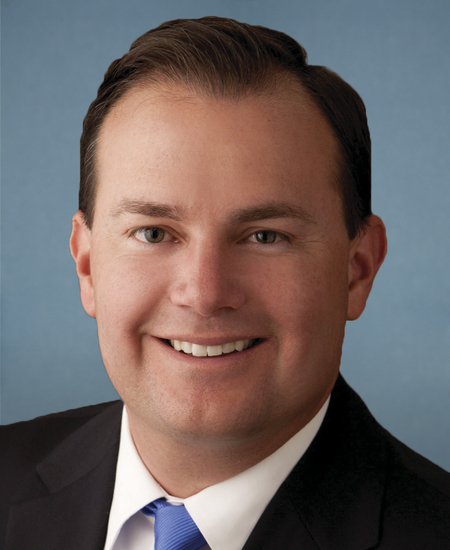
Mike Lee
57% support rate
Top opponent
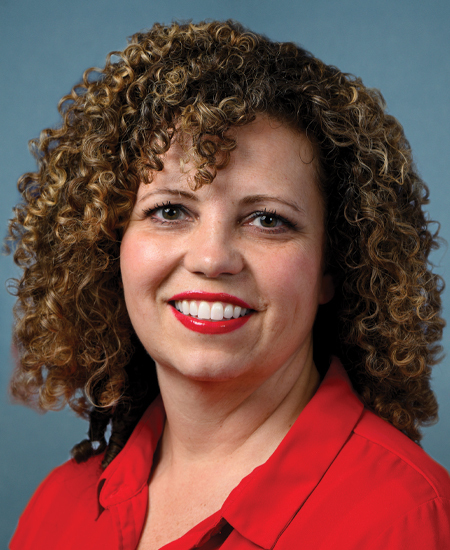
Celeste Maloy
33% support rate
Ranked legislators
6
2 support · 4 oppose
Key legislators

Who's moving education in Utah

Legislators moving education in Utah
Legislator Party Stance Support rate Votes
Mike Lee
Mike Lee Senate
R
Mixed
57% 166
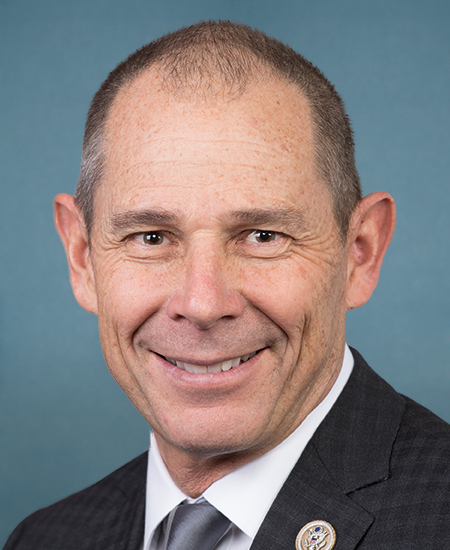
John R. Curtis
John R. Curtis Senate
R
Mixed
57% 165
Celeste Maloy
Celeste Maloy House · District 2
R
Oppose
33% 130
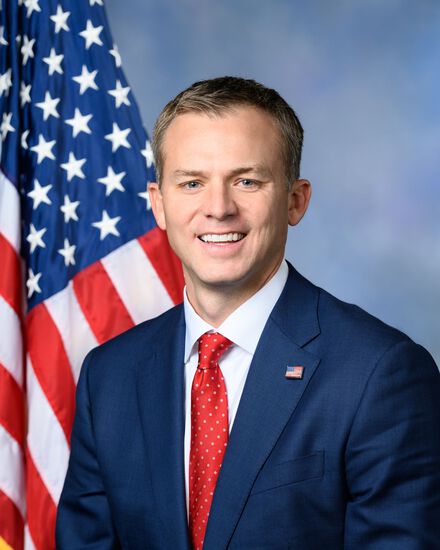
Mike Kennedy
Mike Kennedy House · District 3
R
Oppose
33% 130
Blake D. Moore
Blake D. Moore House · District 1
R
Oppose
33% 131
Burgess Owens
Burgess Owens House · District 4
R
Oppose
33% 131
Showing 1–10 of 49 bills

All education bills

in committee · United States · House Aug 3, 2026

HR 10031: READ Act

The READ Act amends the Elementary and Secondary Education Act to improve reading instruction by defining specific terms like "science of reading" and "high-impact tutoring" and requiring states to exclude certain teaching models that rely on context clues. The bill directs federal literacy grants to states, with mandatory funding for low-performing states, to implement evidence-based strategies such as universal early literacy screenings, professional development for teachers, and the adoption of high-quality instructional materials. It also mandates that states report data on student progress and teacher training while prohibiting the Department of Education from issuing regulations that dictate specific instructional content or curricula. Additionally, the legislation expands research initiatives to study reading development and requires the federal government to provide states with detailed reports on academic outcomes and achievement gaps.
Sub-Topics Curriculum Teachers
in committee · United States · House Jul 15, 2026

HR 9604: Less Bureaucracy, Better Tribal Education Act

The Less Bureaucracy, Better Tribal Education Act transfers federal programs and funding for tribal education and job training from the Department of Education to the Department of the Interior. This shift includes specific initiatives such as grants for American Indian and Alaska Native children, language preservation programs, and career and technical education support for Native-serving institutions. The bill also mandates that the Secretary of Education consult with Indian Tribes within six months of enactment before the transfer takes effect one year later. Additionally, the law ensures that existing contracts, grants, and legal proceedings continue without interruption during the transition period.
Tags Tribal Nations
in committee · United States · Senate Jul 16, 2026

S 5031: Building Community in America Act

The Building Community in America Act aims to increase participation in national and community service programs by specifically targeting underrepresented groups, including young adults and men. It achieves this by amending existing laws to require that federal funding priorities favor projects focused on mentoring, youth development, disaster response, and skilled-trade apprenticeships. Additionally, the bill mandates that volunteers be assigned to initiatives designed to recruit and train these specific populations. Ultimately, the legislation seeks to diversify the workforce within community service by making the recruitment of underrepresented individuals a central requirement for receiving federal support.
in committee · United States · House Jul 27, 2026

HR 9957: Time for Completion Act

The Time for Completion Act requires colleges to publicly report how quickly students finish their degrees based on their specific enrollment status. Institutions must disclose the percentage of first-time and returning students who graduate within the normal time, 150 percent of that time, 200 percent, and 300 percent. These statistics will be broken down by whether students attend full-time or part-time and will be displayed with equal visibility on college websites. The law also updates financial aid reporting to include these same completion rates, ensuring that prospective students and families have clearer data on graduation timelines.
in committee · United States · House Jul 23, 2026

HR 9920: Foster Youth Investment Act

The Foster Youth Investment Act allows individuals to contribute to Coverdell Education Savings Accounts for foster children who are under 18 and in the custody of a state or tribal government. This change expands eligibility beyond just the taxpayer's own eligible foster child to include any minor meeting these specific care and age requirements. The provision applies to contributions made after December 31, 2025, enabling these youth to benefit from tax-advantaged savings for their education.
Tags Children
in committee · United States · Senate Jun 23, 2026

S 4855: SAFE KIDS Act

The SAFE KIDS Act requires companies providing AI chatbots to verify user ages, conduct regular safety risk assessments, and implement specific safeguards to protect children from harms such as self-harm, sexual exploitation, and manipulative design. Providers must offer robust parental controls that allow parents to limit usage, restrict data collection, and receive notifications if their child encounters dangerous content or expresses suicidal ideation. The legislation also prohibits targeting children with advertisements or selling their personal information without explicit parental consent, while mandating annual independent audits to ensure compliance. Enforcement of these rules will be handled by the Federal Trade Commission, which has the authority to impose civil penalties for violations.
in committee · United States · Senate Jun 15, 2026

S 4783: COMPASS Act

The COMPASS Act expands protections for military families by updating the Servicemembers Civil Relief Act to address homeschooling requirements during permanent moves. It ensures that a military child's home education is considered compliant with the laws of their new location if they were already following the rules of their legal residence state. This change aims to reduce administrative burdens and prevent conflicting state regulations from penalizing families when they relocate due to military orders. By clarifying these rules, the bill seeks to support family stability and ensure uninterrupted schooling for military-connected students.
Sub-Topics Military Families
in committee · United States · Senate Apr 22, 2026

S 4371: TECH Act

The TECH Act allows qualified technical schools to apply for the same federal funding as traditional two-year and four-year colleges. To make this happen, the bill requires government agencies to update their rules and application forms so these technical schools can participate in specific grant programs for student support and workforce training. A technical school must offer approved career training programs that lead to recognized credentials in high-demand fields like healthcare or manufacturing to qualify. This change aims to help these schools compete more fairly for financial resources while ensuring they prepare students for essential jobs.
in committee · United States · House Aug 20, 2026

HR 8476: No Antisemitism in Education Act of 2026

The No Antisemitism in Education Act of 2026 requires schools and universities receiving federal funds to treat antisemitism with the same seriousness as other forms of discrimination prohibited by Title VI of the Civil Rights Act. Under this law, institutions must use the official definition of antisemitism found in a prior presidential executive order to investigate complaints and enforce their own policies. The bill explicitly states that these requirements do not violate free speech rights or override existing state laws, ensuring that Jewish students and staff are protected from harassment and exclusion on campus.
Sub-Topics Higher Education
in committee · United States · Senate Apr 29, 2026

S 4431: Time for Completion Act

The Time for Completion Act requires colleges to publicly report how many students finish their degree programs within specific timeframes, such as the normal duration, 150 percent, 200 percent, and 300 percent of the expected length. This reporting applies to both short and long programs and must be broken down by student type, including whether they are first-time or returning students and whether they attend full-time or part-time. The law also updates federal financial aid regulations to ensure these completion rates are included in institutional data used for determining eligibility and funding. By mandating consistent and visible display of these statistics, the bill aims to provide prospective students and families with clearer information about graduation timelines at higher education institutions.
Showing 1 to 10 of 49 bills
1 2 3 5 Next