Issue · Budget & Taxes

Budget & Taxes (Business Taxes)

Every budget & taxes bill, vote, and legislator stance in Utah, automatically classified by Maddy, our AI policy reader.

Total bills
15
2026 General Session
Top supporter
Don Ipson
100% support rate
Top opponent
Leah Hansen
25% support rate
Ranked legislators
8
5 support · 3 oppose
Key legislators

Who's moving business taxes in Utah

Legislators moving business taxes in Utah
Legislator Party Stance Support rate Votes
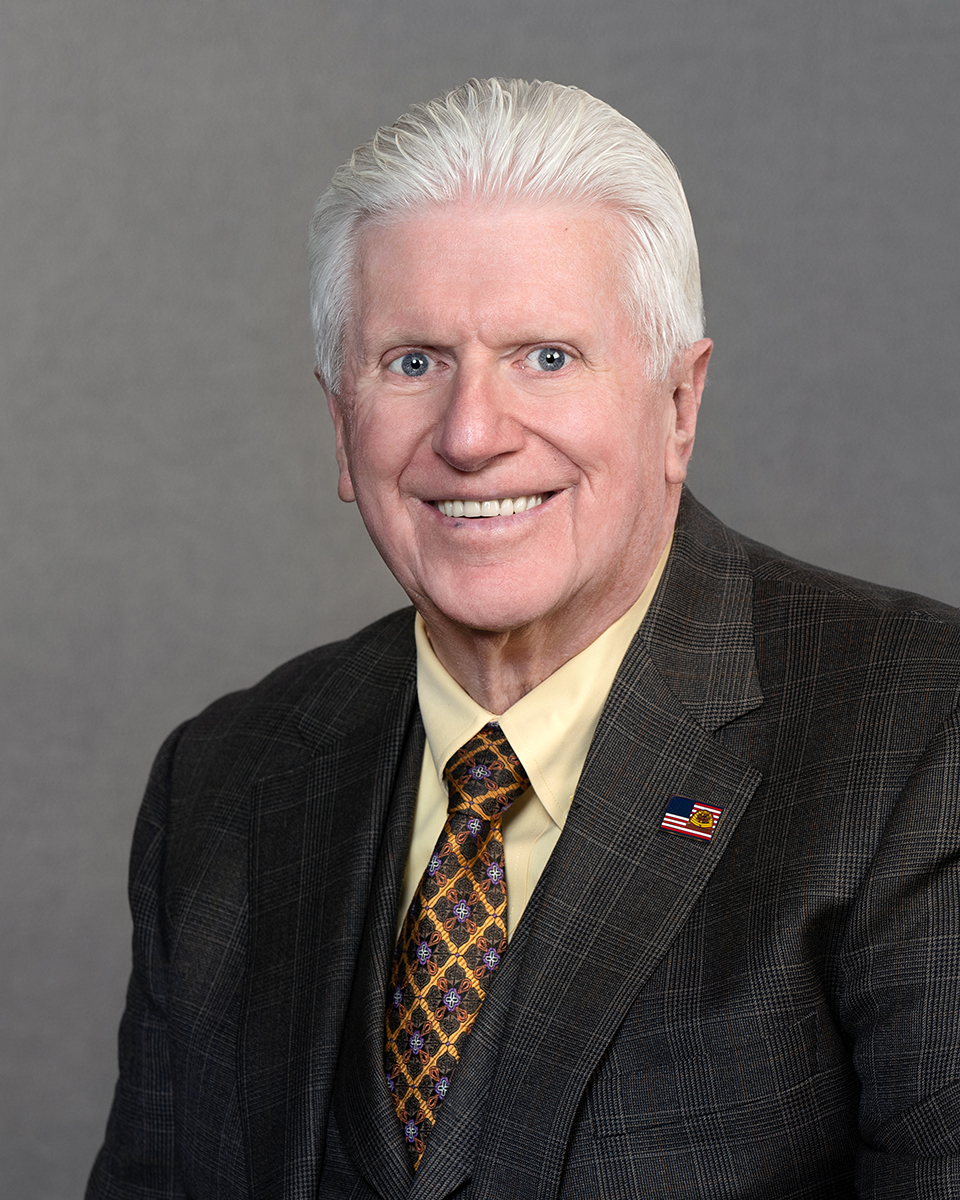
Don Ipson
Don Ipson Senate · District 29
R
Strong +
100% 6
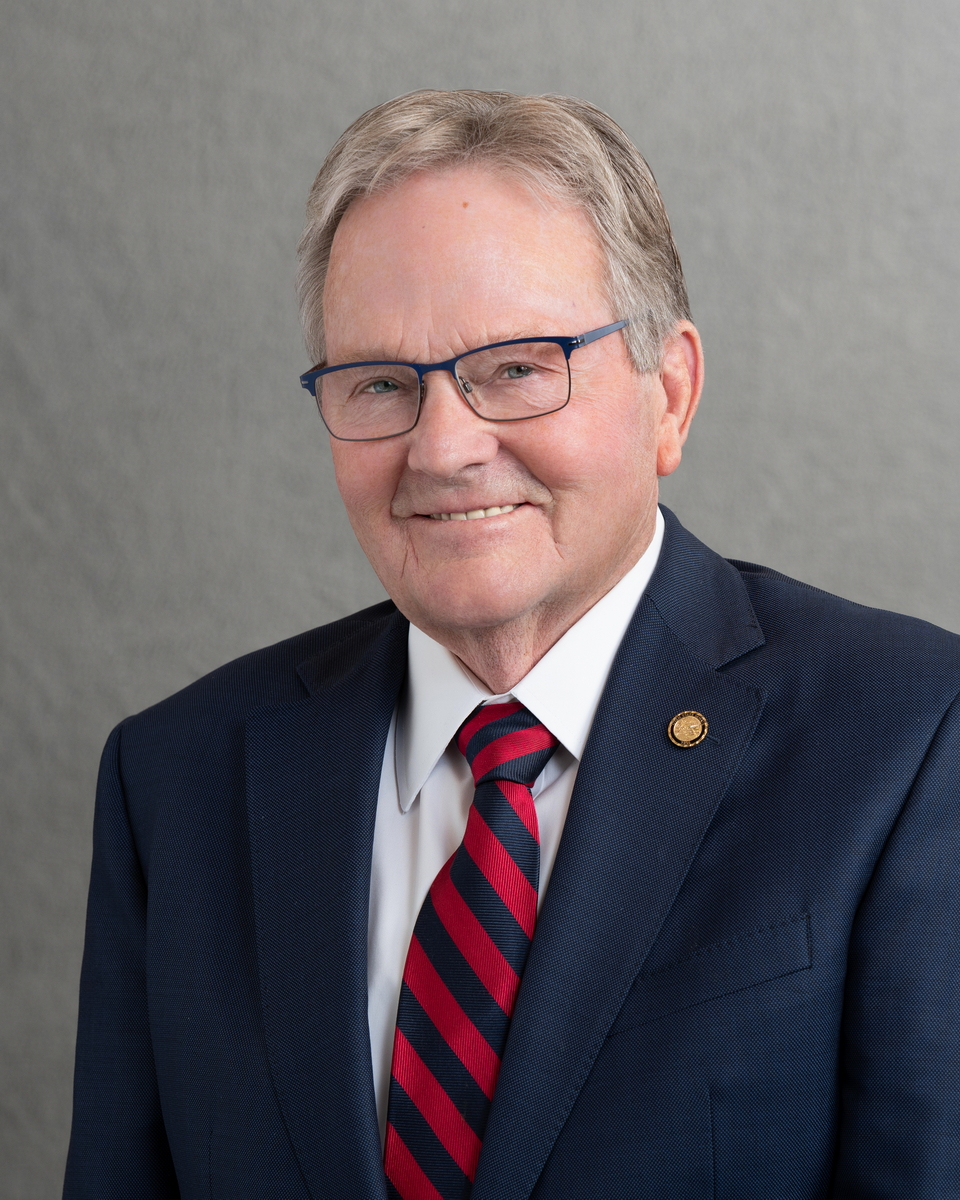
Jerry Stevenson
Jerry Stevenson Senate · District 6
R
Strong +
100% 6
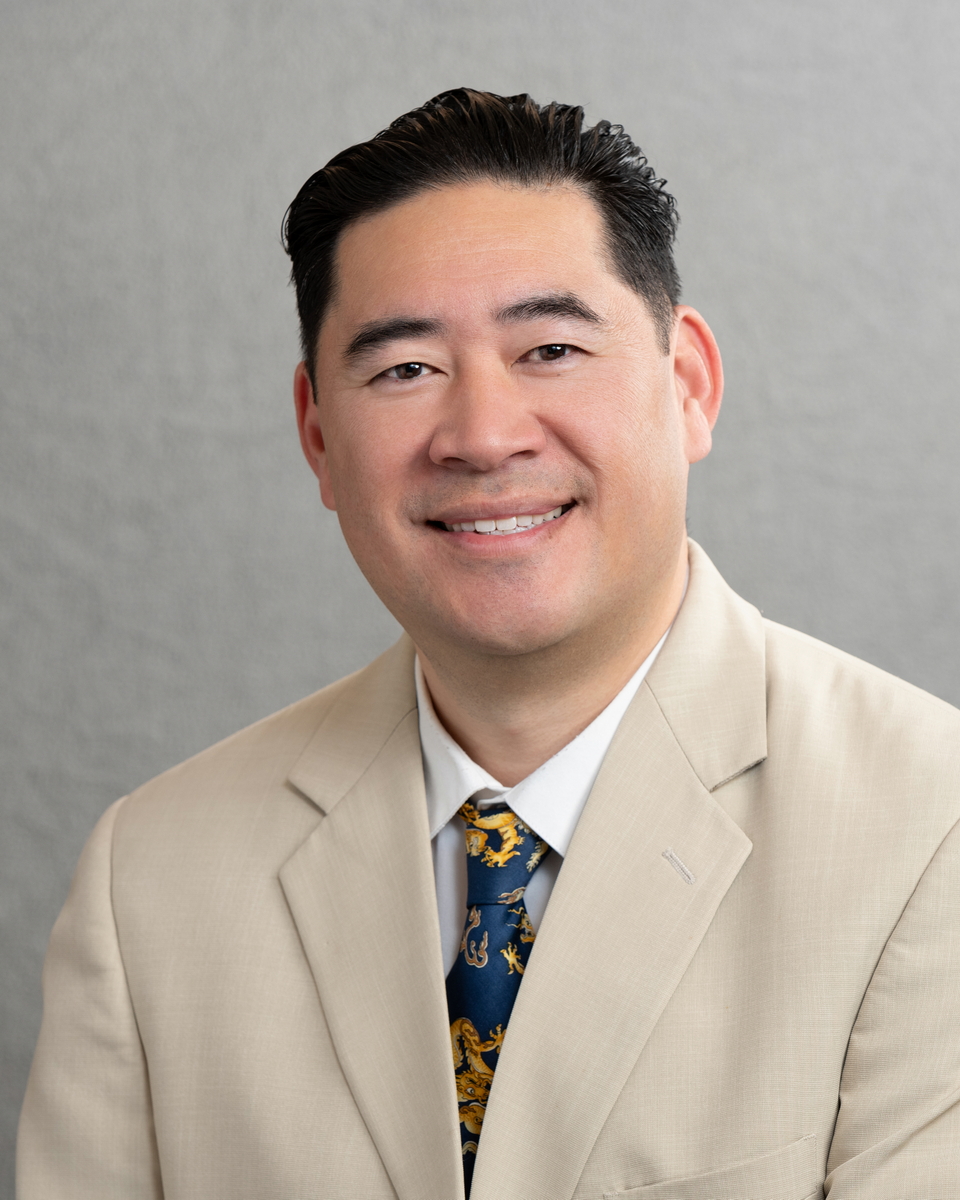
Mike McKell
Mike McKell Senate · District 25
R
Strong +
100% 5
Andrew Stoddard
Andrew Stoddard House · District 40
D
Strong +
100% 4
Jake Fitisemanu
Jake Fitisemanu House · District 30
D
Strong +
100% 4
Leah Hansen
Leah Hansen House · District 51
R
Oppose
25% 4
Kathleen Riebe
Kathleen Riebe Senate · District 15
D
Oppose
33% 6
David Hinkins
David Hinkins Senate · District 26
R
Oppose
40% 5
Showing 1–10 of 15 bills

All budget & taxes bills

introduced · Utah · House Mar 7, 2026

HB 587: Income Tax Amendments

HB 587 reduces Utah's corporate and individual income tax rates from 4.5% to 4.45% for taxable income. It directly affects corporations and individual residents subject to Utah income tax, applying the lower rate to all taxable income under sections 59-7-104, 59-7-201, and 59-10-104. The bill maintains the $100 minimum tax for corporations but makes no changes to tax exemptions or other provisions. It takes effect May 6, 2026, with retrospective application for tax years beginning January 1, 2026. The bill contains no new funding requirements.
in committee · Utah · House Mar 7, 2026

HB 586: Transportation Funding Amendments

HB 586 amends Utah's tax code to direct a portion of new sales tax revenue growth into transportation funding. Starting in fiscal year 2028, the State Tax Commission must annually deposit additional revenue from state sales and use taxes into the Transit Transportation Investment Fund. This bill does not appropriate new money but reallocates existing tax growth to support transit projects. The change affects how sales tax revenue is managed for transportation infrastructure, directly impacting the state's transportation funding stream.
signed · Utah · Senate Mar 26, 2026

SB 254: Extracted Natural Resources Amendments

SB 254 streamlines permitting for critical minerals projects by prioritizing state agency review and allowing parallel processing for permits related to extraction or processing in designated zones. It redirects severance tax revenues into new state accounts for mineral development, establishes a Critical Minerals Council to coordinate policy and annual reviews, and creates a public "Critical Minerals Atlas" for data sharing. The bill also adjusts property taxes in critical minerals zones and modifies tax credits for mining exploration. These changes primarily affect mining companies, local governments managing mineral-rich areas, and state agencies overseeing natural resources.
Sub-Topics Business Taxes
in committee · Utah · Senate Mar 7, 2026

SB 309: Single-family Home Rental Modifications

SB 309 requires owners of single-family homes rented to register with local authorities, including property managers. It imposes an excise tax on owners who manage 25 or more rental homes and creates a grant program for municipalities to help transition rental properties to owner-occupied homes. The bill mandates that registration notices be included with 2026 property tax notices and requires the Division of Real Estate to share registered property data with county assessors. It affects rental property owners, local governments, and municipalities, with provisions set to take effect in 2026. The bill includes technical changes but does not appropriate funds for implementation.
passed · Utah · House Mar 7, 2026

HB 554: State Debt Collection Amendments

HB 554 modifies Utah's debt collection rules to streamline how government entities recover unpaid amounts. It directs the State Tax Commission to apply corporate tax overpayments toward debts under the Crime Victims Restitution Act, allows collections without a court judgment, and standardizes definitions for "accounts receivable" (including fines, restitution, and taxes). The bill also permits the State Debt Collection Fund to retain up to one year's expenses annually and makes technical updates to multiple statutes. These changes primarily affect taxpayers with outstanding debts and government agencies collecting public funds, with no new state funding required.
failed · Utah · Senate Mar 7, 2026

SB 279: State Homeless Campus Neighbor Tax Credit

SB 279 creates a 50% nonrefundable tax credit for property owners within one mile of designated "homeless services campuses" (facilities offering emergency shelter, mental health services, and support in one location, excluding correctional centers or microshelters). It directly affects qualifying property owners who receive annual tax notices for their land near these campuses. The credit equals half the property taxes paid in the year the tax notice is issued, applied to the owner’s state tax return. This policy aims to offset costs for neighbors of these facilities through a direct tax reduction.
passed · Utah · House Mar 7, 2026

HB 466: Utah Rural Jobs Act Modifications

HB 466 modifies Utah's Rural Jobs Act to authorize new nonrefundable income and insurance tax credits for investments in eligible small businesses located in rural counties. It directly affects insurers and their affiliates that make qualifying investments through rural investment companies, allowing them to claim tax credits against state taxes or retaliatory assessments. The bill enacts new provisions (effective January 1, 2027) that specify credit amounts and carry-forward rules, while repealing one outdated section and making technical updates to related statutes.
Sub-Topics Business Taxes Tax Incentives Tags Rural Communities
signed · Utah · House Mar 18, 2026

HB 272: Tourism Taxes Amendments

HB 272 strengthens oversight of how counties spend tourism-related taxes (like transient room taxes and tourism facility taxes). It requires counties to submit detailed annual reports on tourism tax spending to the state auditor and legislative fiscal analysts, who must jointly review if funds comply with state rules. If reports are inadequate, the state auditor can block counties from accessing tourism revenue until compliance is proven. This directly affects counties collecting these taxes, ensuring they account for spending on tourism promotion, emergency services, and infrastructure tied to tourism.
signed · Utah · House Mar 19, 2026

HB 300: School District Taxation Amendments

HB 300 extends a 5-year "hold harmless" period for school districts that reduce their tax rates due to changes in property valuation. This protects districts from losing state funding guarantees if they proportionally lower all local tax levies (voted, board, and capital). The bill phases out excess state funding received in 2025 over three years (2026-2028), requiring districts to gradually reduce payments until 2029. It does not appropriate new funds but adjusts how existing state guarantee money is distributed to maintain stability during tax rate changes.
signed · Utah · House Mar 23, 2026

HB 236: Truth in Taxation Amendments

HB 236 requires local governments (like cities and school districts) proposing property tax increases to follow specific transparency steps. It mandates that these entities make a public statement about considering a tax hike before approval and submit two budgets: one without the proposed tax revenue and another including it if approved. The bill also clarifies the State Tax Commission's power to reject increases that don't meet these requirements. This directly affects how local taxing entities plan and present property tax changes, aiming to increase public accountability without new funding.
Showing 1 to 10 of 15 bills
1 2 Next