

Issue · Budget & Taxes
Budget & Taxes
Every budget & taxes bill, vote, and legislator stance in Utah, automatically classified by Maddy, our AI policy reader.
Total bills
126
2026 General Session
Top supporter
Mike McKell
95% support rate
Top opponent
Leah Hansen
21% support rate
Ranked legislators
10
5 support · 5 oppose
Key legislators
Who's moving budget & taxes in Utah
| Legislator | Party | Stance | Support rate | Votes |
|---|---|---|---|---|
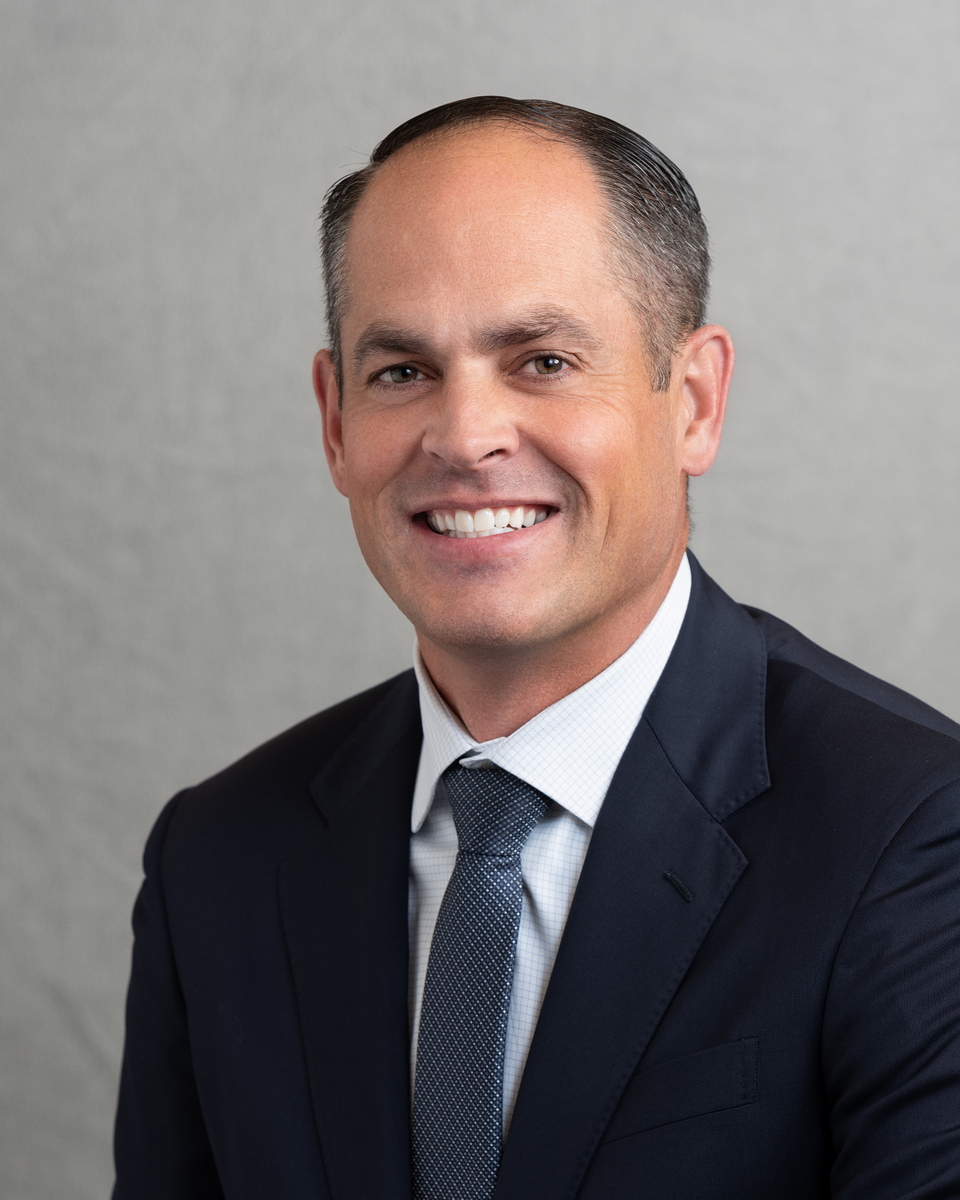
Mike McKell
Senate · District 25
|
R |
Strong +
|
95% | 94 |

Todd Weiler
Senate · District 8
|
R |
Strong +
|
93% | 109 |
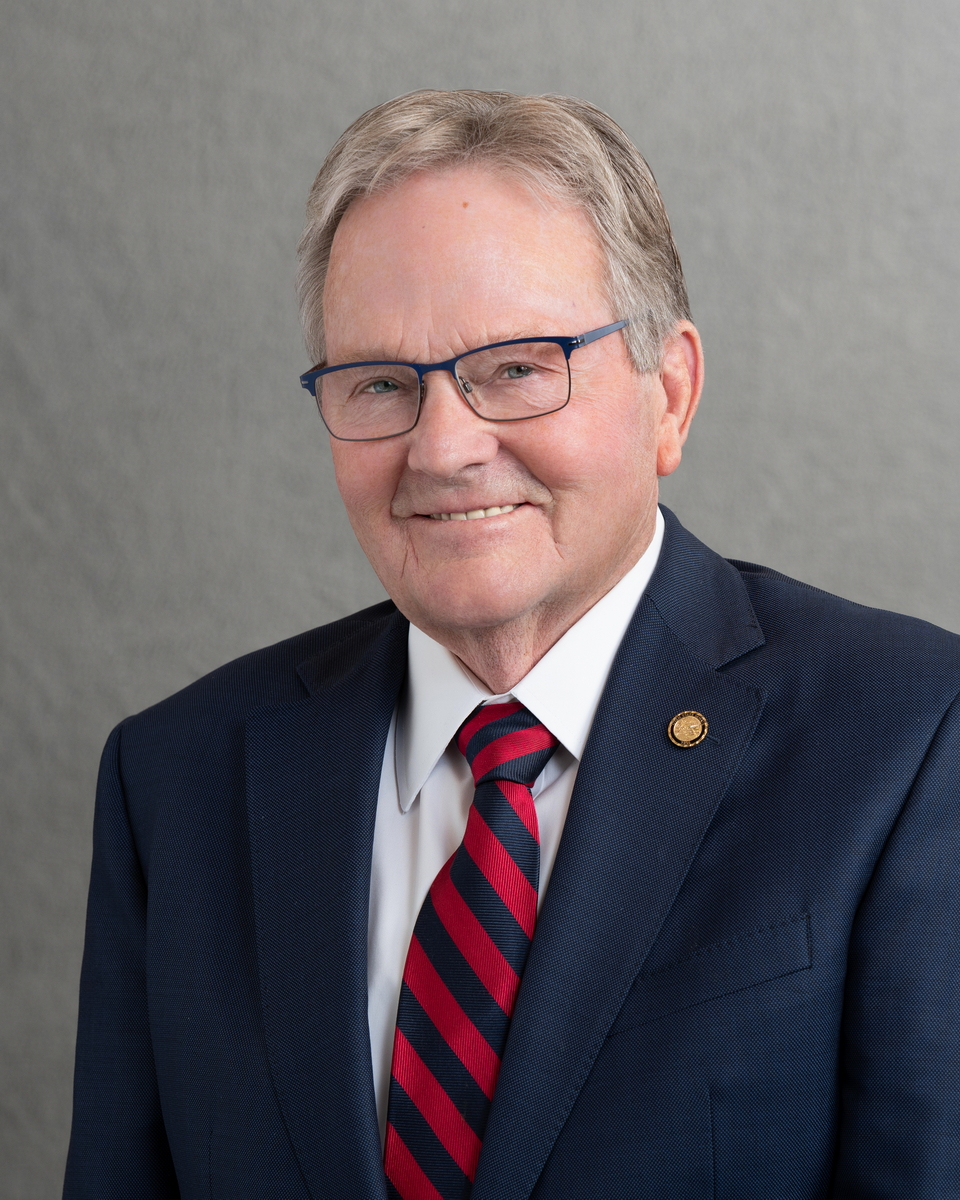
Jerry Stevenson
Senate · District 6
|
R |
Strong +
|
91% | 88 |

Verona Mauga
House · District 31
|
D |
Strong +
|
89% | 83 |

Doug Welton
House · District 65
|
R |
Strong +
|
88% | 81 |
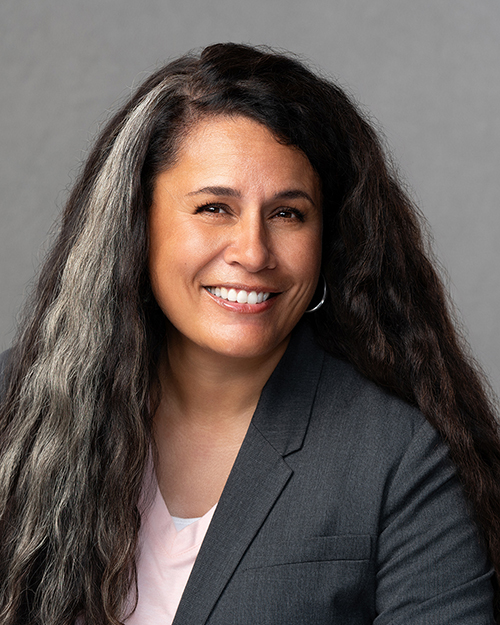
Leah Hansen
House · District 51
|
R |
Oppose
|
21% | 82 |
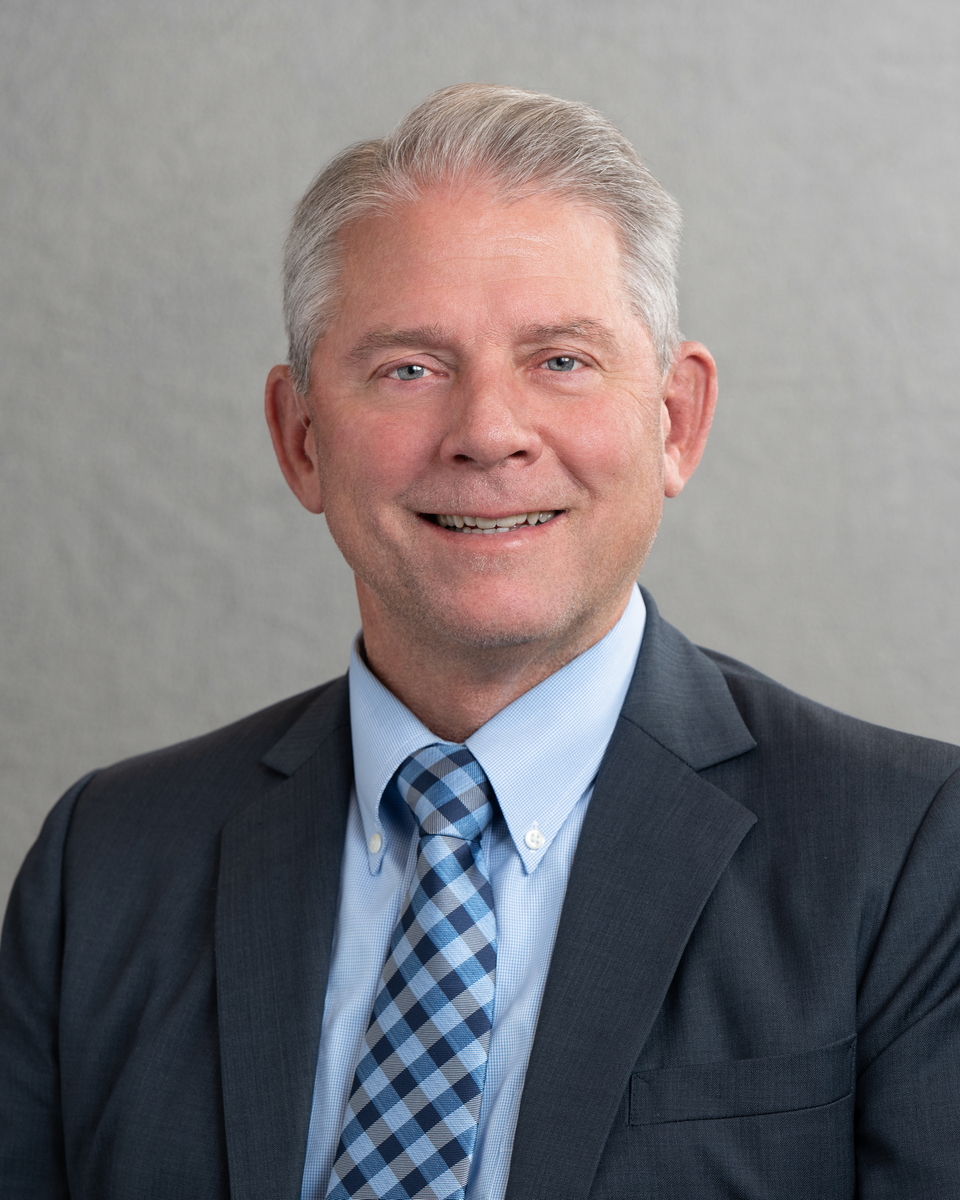
Rex Shipp
House · District 71
|
R |
Oppose
|
33% | 82 |

Norm Thurston
House · District 62
|
R |
Oppose
|
39% | 74 |

Tiara Auxier
House · District 4
|
R |
Oppose
|
40% | 74 |

Kathleen Riebe
Senate · District 15
|
D |
Mixed −
|
42% | 108 |
Showing 51–60 of 126
bills
All budget & taxes bills
HB 137: Violent Crime Clearance Rate Amendments
Topics
✓ Budget & TaxesSupports Budget & TaxesBill establishes a state-funded grant program requiring appropriations for law enforcement, increasing government spending on public safety. Explicitly creates a nonlapsing fund via state budget allocation, aligning with budget & tax support indic...
✓ Criminal JusticeSupports Criminal JusticeCreates grant fund for law enforcement to solve violent crimes, directly funding criminal justice operations to improve clearance rates.
SB 6: Transportation and Infrastructure Base Budget
Topics
✓ Budget & TaxesSupports Budget & TaxesAllocates $333.6M for transportation infrastructure via General Fund, directly funding public services under state budget management.
✓ TransportationSupports TransportationAllocates $333.6M (2026) and $3.8B (2027) specifically for transportation infrastructure operations, capital projects, and agency funding per bill summary.
SB 73: Online Age Verification Amendments
Topics
✓ Budget & TaxesSupports Budget & TaxesBill imposes excise tax on platforms to fund mental health programs and enforcement, directly allocating tax revenue to public services per Budget & Taxes topic description.
✓ HealthcareSupports HealthcareBill allocates excise tax revenues to fund mental health programs, directly advancing mental health services under healthcare topic.
✓ TechnologySupports TechnologyMandates age verification for minors' safety on platforms, funds mental health via tax, aligns with consumer protection regulations in tech governance.
SB 160: Medicaid Reimbursement Rate Amendments
Topics
✓ Budget & TaxesSupports Budget & TaxesBill ties Medicaid reimbursement rates to Utah's General Fund revenue growth, ensuring stable funding alignment with budget performance and preventing defunding of ABA services.
✓ HealthcareSupports HealthcareEnsures ABA providers receive rate increases tied to Utah's budget growth, directly funding mental health services under Medicaid and protecting provider reimbursement rates.
HB 267: Public Employee Compensation Amendments
Topics
✗ Budget & TaxesOpposes Budget & TaxesRestricts school administrator salary increases to WPU inflation rate, limiting government spending on personnel without performance ties or public approval.
✗ EducationOpposes EducationRestricts salary increases for school administrators, ties raises to performance metrics, and limits benefits, directly restricting school personnel compensation.
✗ Labor & EmploymentOpposes Labor & EmploymentLimits salary increases for school administrators to WPU inflation rate, restricting compensation growth without performance ties or majority approval.
Sub-Topics
Public Employees
HB 300: School District Taxation Amendments
Topics
✓ Budget & TaxesSupports Budget & TaxesProtects school districts from losing state funding guarantees when reducing local tax rates, maintaining fiscal stability without new appropriations.
✓ EducationSupports EducationExtends 'hold harmless' period to protect school district funding guarantees from tax reductions, preventing loss of state funding without new appropriations.
HB 390: Veterans PTSD Clinical Research Amendments
Topics
✓ Budget & TaxesSupports Budget & TaxesBill requires legislative appropriations to fund PTSD research, directly advancing budget allocation for a specific health program through state funding.
✓ HealthcareSupports HealthcareAuthorizes clinical research on psychedelic therapy for veterans' PTSD, funding mental health treatment innovation through legislative appropriations and grants.
✓ VeteransSupports VeteransAuthorizes clinical research on psychedelic therapy for veterans' PTSD, funding new treatment options to improve veteran healthcare access.
SB 209: Gooseberry Narrows State Park Study
Topics
✓ Budget & TaxesSupports Budget & TaxesRequires legislative funding for park designation, directly allocating state budget resources to a public project and meeting fiscal conditions for park development.
✓ EnvironmentSupports EnvironmentDesignates Gooseberry Narrows as state park, requires conservation studies, and secures funding for natural resource protection per Natural Resources Committee requirements.
SB 1: Higher Education Base Budget
Topics
✓ Budget & TaxesSupports Budget & TaxesAllocates $3.08B from General/Income Tax Funds to public higher education, directly increasing state budget funding for essential education programs.
✓ EducationSupports EducationBill allocates $3.08B for 2027 higher education operations, instruction, and research at public institutions, directly funding core educational functions.