Issue · Veterans

Veterans (Veteran Benefits)

Every veterans bill, vote, and legislator stance in United States, automatically classified by Maddy, our AI policy reader.

Total bills
11
119th Congress
Top supporter
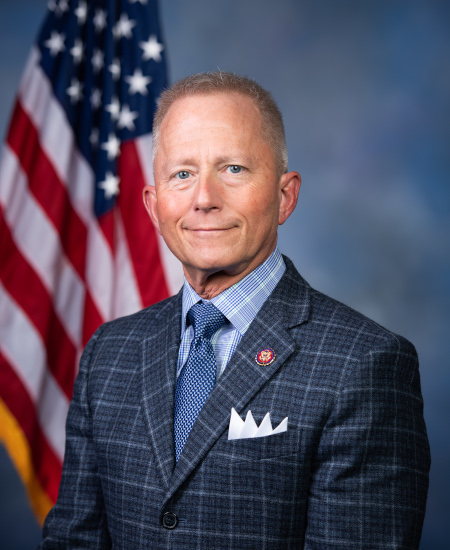
Jefferson Van Drew
100% support rate
Top opponent
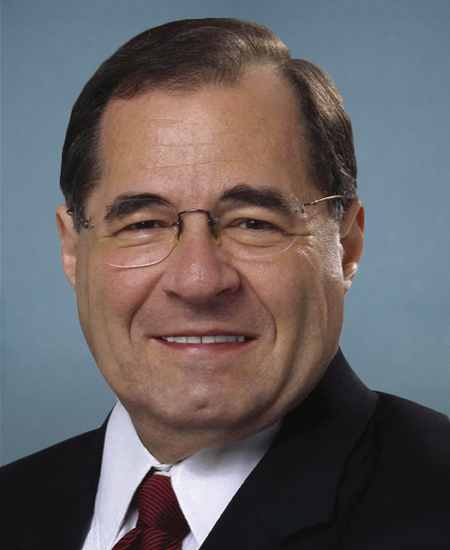
Jerrold Nadler
0% support rate
Ranked legislators
10
5 support · 5 oppose
Key legislators

Who's moving veteran benefits in United States

Legislators moving veteran benefits in United States
Legislator Party Stance Support rate Votes
Jefferson Van Drew
Jefferson Van Drew House · District 2
R
Strong +
100% 4
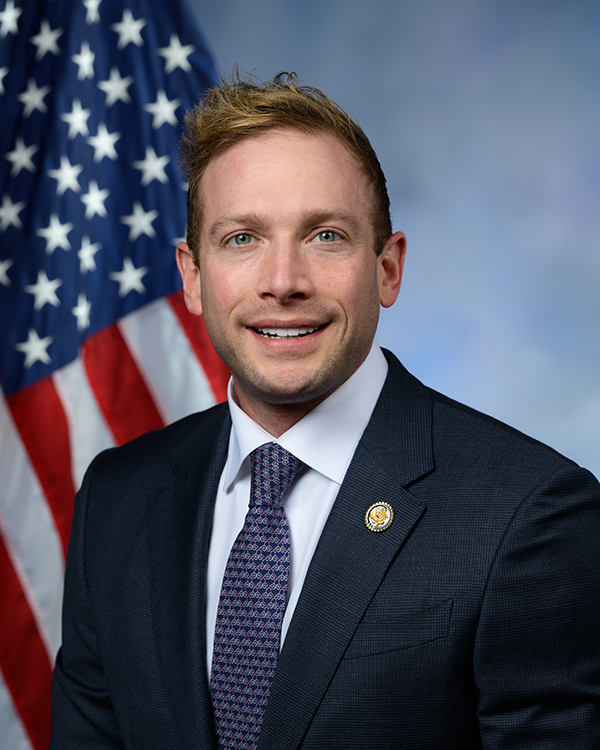
Max L. Miller
Max L. Miller House · District 7
R
Strong +
100% 4
Elise M. Stefanik
Elise M. Stefanik House · District 21
R
Strong +
100% 3
Lauren Boebert
Lauren Boebert House · District 4
R
Strong +
100% 3
Wesley Hunt
Wesley Hunt House · District 38
R
Strong +
100% 3
Jerrold Nadler
Jerrold Nadler House · District 12
D
Strong −
0% 3
Mike Quigley
Mike Quigley House · District 5
D
Strong −
0% 3
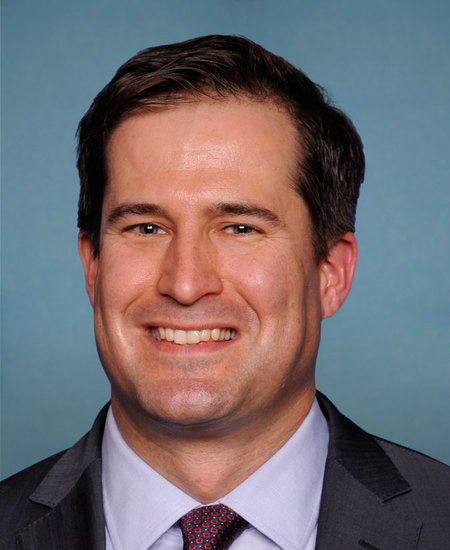
Seth Moulton
Seth Moulton House · District 6
D
Strong −
0% 3
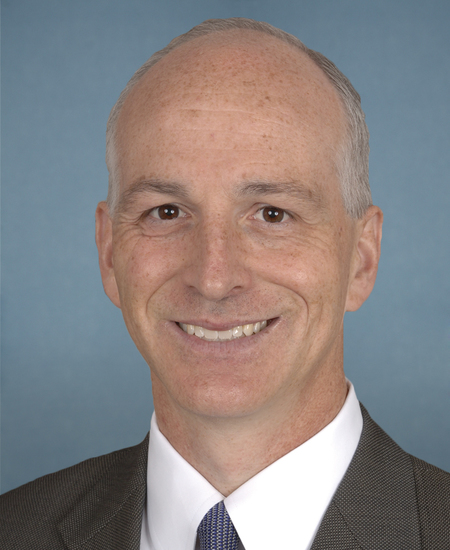
Adam Smith
Adam Smith House · District 9
D
Oppose
25% 4
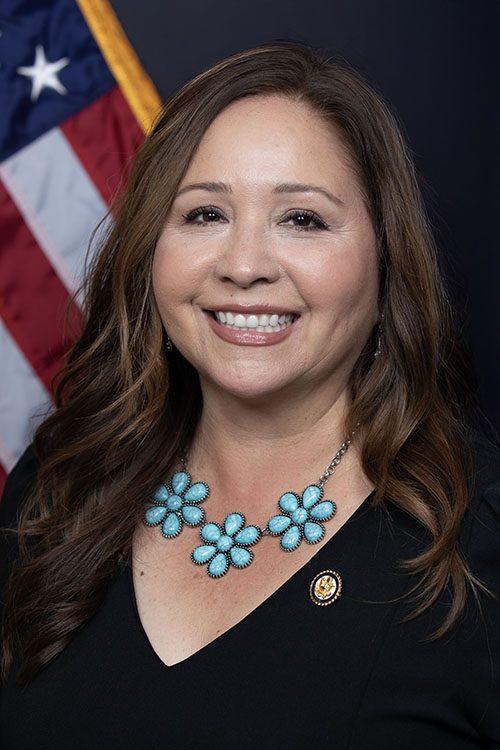
Adelita S. Grijalva
Adelita S. Grijalva House · District 7
D
Oppose
25% 4
Showing 1–10 of 11 bills

All veterans bills

in committee · United States · Senate Aug 5, 2026

S 5266: Veterans’ Earned Benefits Access Act of 2026

The Veterans’ Earned Benefits Access Act of 2026 allows the Secretary of Veterans Affairs to recover separation, severance, and readjustment pay from service members who are receiving veterans' disability compensation. To manage this recovery, the bill authorizes deductions from monthly disability payments, with regulations ensuring that no more than 25 percent of a member's compensation is withheld in any given month. The legislation also establishes a process for service members to apply for a waiver if these deductions would cause them financial hardship. These provisions will take effect once final regulations are published and will apply to disability compensation paid on or after that date.
in committee · United States · House Jun 25, 2026

HR 8767: Compensation Fund Recrediting Act

The Compensation Fund Recrediting Act sets a specific end date for the Filipino Veterans Equity Compensation Fund, which provides financial compensation to Filipino veterans of World War II. Under this legislation, the fund will stop operating on January 1, 2027, and any remaining money in the fund will be transferred to the Treasury's general fund. This change affects the timeline for when veterans can receive payments and determines how leftover funds are handled after the program concludes.
in committee · United States · House Mar 5, 2025

HR 968: Time of Service Act

HR 968, the Time of Service Act, would change the deadline for using benefits under the Post-9/11 Educational Assistance Program from January 1, 2013, to January 1, 2001. This would require veterans to use their educational benefits by 2001, before the program's effective date in 2009. As a result, the bill would make these benefits unavailable for all veterans eligible under the program. It directly affects veterans who served after September 11, 2001, and are currently using or eligible for the Post-9/11 Educational Assistance Program.
in committee · United States · House Nov 17, 2025

HR 6002: Veterans Earned Education Act

HR 6002, the Veterans Earned Education Act, amends eligibility rules for transferring Post-9/11 GI Bill educational benefits to dependents. It requires veterans to have completed at least 17 years of service (up from 6 years) and be retired under Chapter 61 of Title 10 to qualify for transferring benefits. The bill directly affects active-duty and retired veterans seeking to share their education benefits with family members. These changes tighten the service requirements for beneficiaries who wish to transfer their benefits, without altering the core education benefits themselves.
in committee · United States · House Apr 8, 2025

HR 2723: VA Home Loan GRACE Act of 2025

HR 2723 modifies VA home loan guarantee limits for veterans, creating new rules based on loan size and whether the veteran had a loan closed before or after April 7, 2031. It establishes different maximum guaranty amounts - such as 50% of loan value for smaller loans closed before 2031, dropping to 25% afterward - and caps coverage at $36,000 for larger loans. This directly affects veterans applying for VA-backed mortgages, especially those with multiple veterans on a single loan or seeking loans above $56,250. The bill also adds a $23,607 civil penalty for false certification and adjusts loan fee effective dates.
signed · United States · House Jan 20, 2026

HR 4446: FAST VETS Act

The FAST VETS Act (HR 4446) modifies how the Department of Veterans Affairs (VA) updates vocational rehabilitation plans for veterans. It requires the VA to rework a veteran’s individualized plan only if two conditions are met: (1) the veteran’s job-related challenges have changed, making the original goals unachievable, and (2) a new plan would better achieve their long-term employment goals. Veterans currently enrolled in VA vocational rehabilitation programs are directly affected, as this change limits automatic plan revisions to cases where specific, documented shifts in their circumstances occur. The law does not alter eligibility or funding but refines the process for adapting plans to evolving veteran needs.
in committee · United States · House Sep 8, 2026

HR 5634: Veterans Flight Training Responsibility Act of 2026

This bill limits the amount of Post-9/11 GI Bill benefits available for flight training at public colleges and universities. It sets a $100,000 maximum total benefit for such training (adjusted annually for inflation), affecting veterans pursuing flight programs at public institutions. The inflation adjustment uses the Consumer Price Index, increasing the cap each year based on prior cost-of-living changes. The limit applies only to veterans starting flight training on or after August 1, 2026. This is a direct change to benefit eligibility under the VA's education program.
in committee · United States · House Mar 10, 2025

HR 1814: Restoring the VA Home Loan Program in Perpetuity Act of 2025

HR 1814, the *Restoring the VA Home Loan Program in Perpetuity Act of 2025*, limits the Department of Veterans Affairs (VA) to purchasing no more than 250 home loans annually under its Servicer Purchaser Program. This directly affects veterans seeking VA-backed mortgages, as it caps the program’s scale by restricting the VA’s ability to acquire loans. The bill’s key provision establishes this annual 250-loan limit for VA purchases, while also requiring a study on selling loans acquired after May 31, 2024. It does not change eligibility for veterans but alters how the VA manages loan acquisitions.
passed · United States · House Sep 16, 2025

HR 2034: Edith Nourse Rogers STEM Scholarship Opportunity Act

This bill modifies the Edith Nourse Rogers STEM Scholarship program for veterans. It reduces the maximum months of scholarship use from 60 to 45 and lowers the required benefit usage threshold from 90% to 67.5% for certain veterans. The changes prioritize veterans who have used the most months of their regular education benefits and those pursuing STEM degrees. Veterans must now exhaust all their regular education benefits under Chapter 33 before accessing this scholarship, as specified in new subsection (d)(5). The bill directly affects veterans using education benefits to pursue STEM fields.
in committee · United States · House Jan 27, 2026

HJRES 144: Providing for congressional disapproval under chapter 8 of title 5, United States Code, of the rule submitted by the Department of Veterans Affairs relating to "Reproductive Health Services".

HJRES 144 is a congressional disapproval resolution targeting a specific rule issued by the Department of Veterans Affairs (VA) on December 31, 2025, which addressed "Reproductive Health Services" (90 Fed. Reg. 61310). This resolution directs Congress to disapprove the VA rule under Chapter 8 of Title 5, U.S. Code, meaning the rule would have no legal effect if passed. The bill directly affects the VA's implementation of reproductive health services for veterans, as it seeks to nullify the agency's existing policy. This is a procedural measure, not a substantive policy change, aimed solely at blocking the VA's rule through congressional action.
Showing 1 to 10 of 11 bills
1 2 Next