Issue · Veterans

Veterans

Every veterans bill, vote, and legislator stance in United States, automatically classified by Maddy, our AI policy reader.

Total bills
1,176
119th Congress
Top supporter
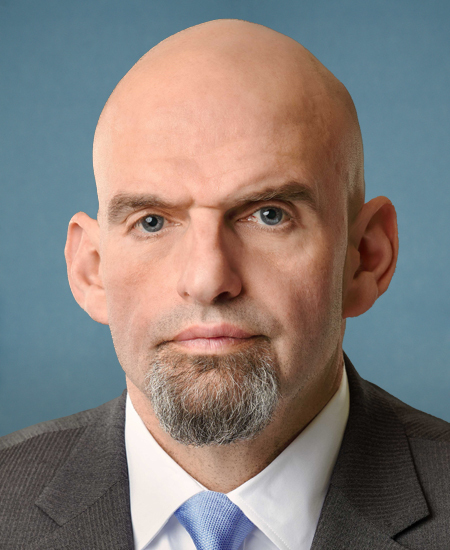
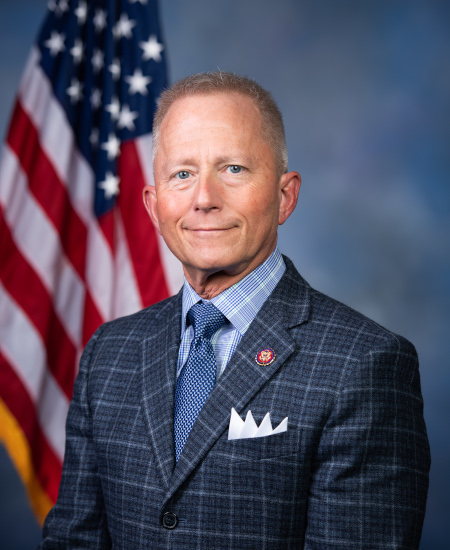
John Fetterman
88% support rate
Top opponent
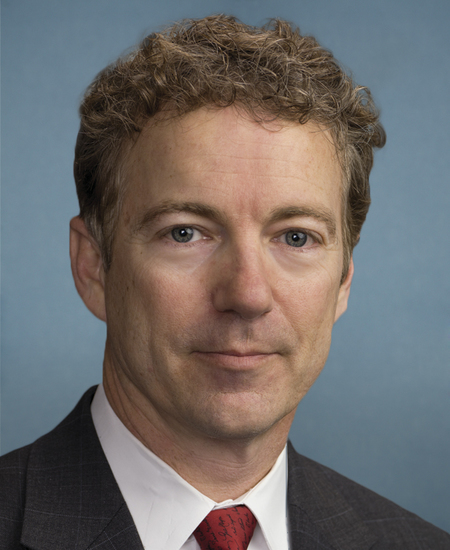
Rand Paul
12% support rate
Ranked legislators
10
5 support · 5 oppose
Key legislators

Who's moving veterans in United States

Legislators moving veterans in United States
Legislator Party Stance Support rate Decisive votes
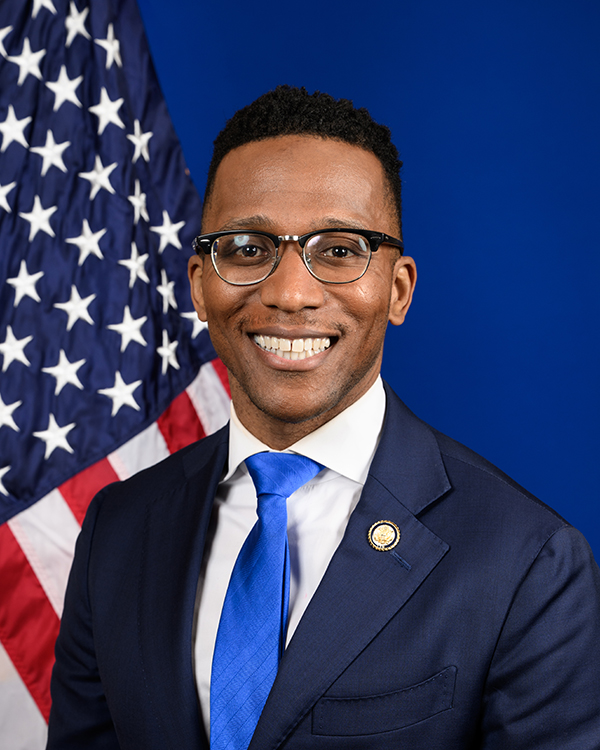
John Fetterman
John Fetterman Senate
D
Strong +
88% 40
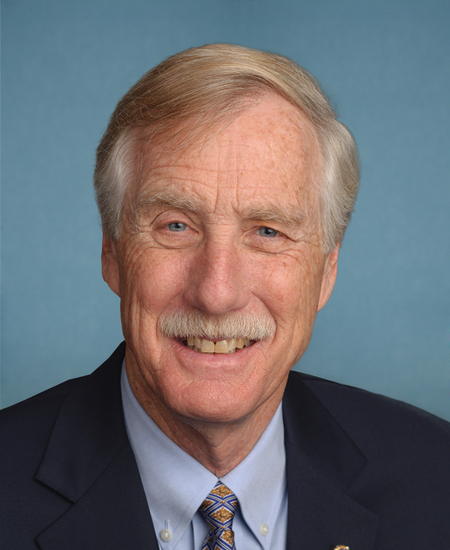
Angus S. King, Jr.
Angus S. King, Jr. Senate
I
Strong +
83% 42
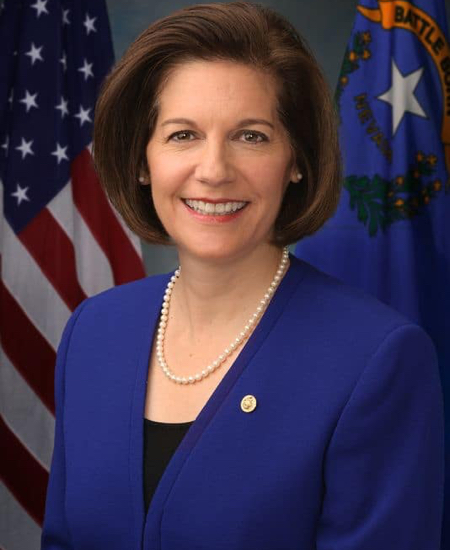
Catherine Cortez Masto
Catherine Cortez Masto Senate
D
Strong +
83% 42
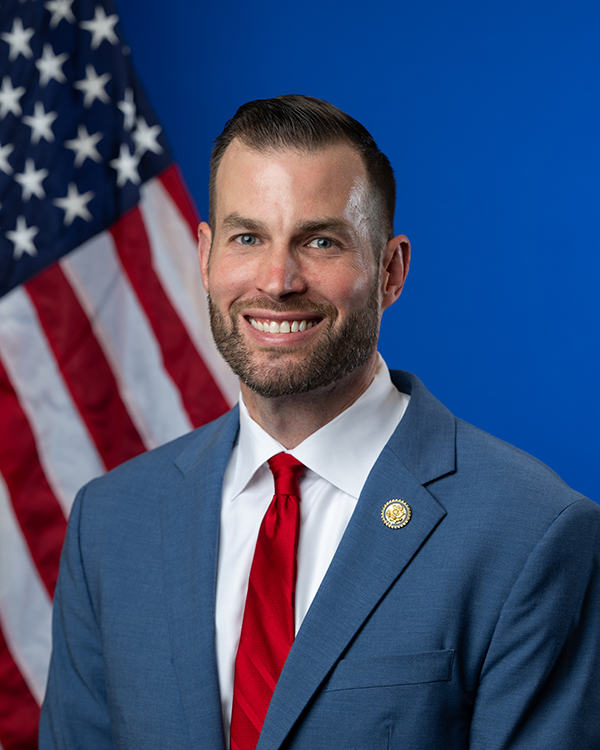
Clay Fuller
Clay Fuller House · District 14
R
Strong +
80% 10
Jefferson Van Drew
Jefferson Van Drew House · District 2
R
Support
76% 17
Rand Paul
Rand Paul Senate
R
Strong −
12% 42
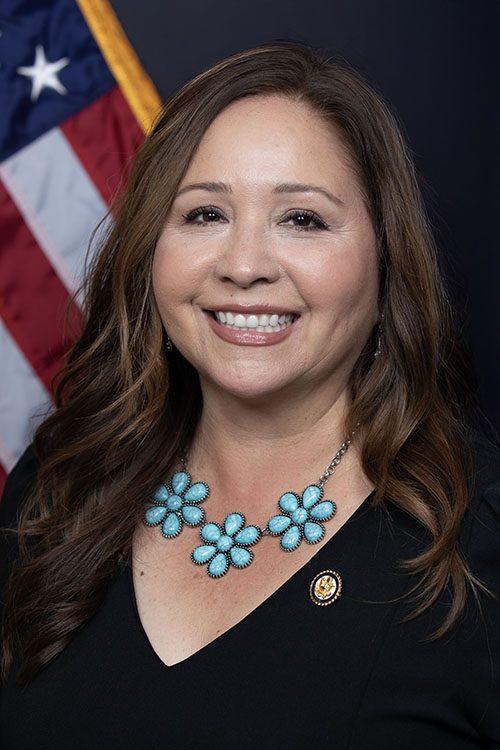
Adelita S. Grijalva
Adelita S. Grijalva House · District 7
D
Strong −
18% 11
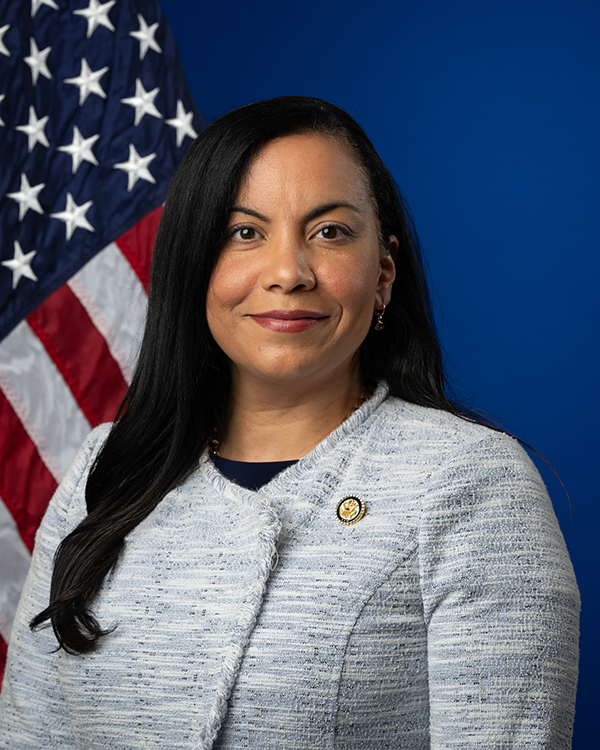
Analilia Mejia
Analilia Mejia House · District 11
D
Strong −
20% 10
Christian D. Menefee
Christian D. Menefee House · District 18
D
Strong −
20% 10
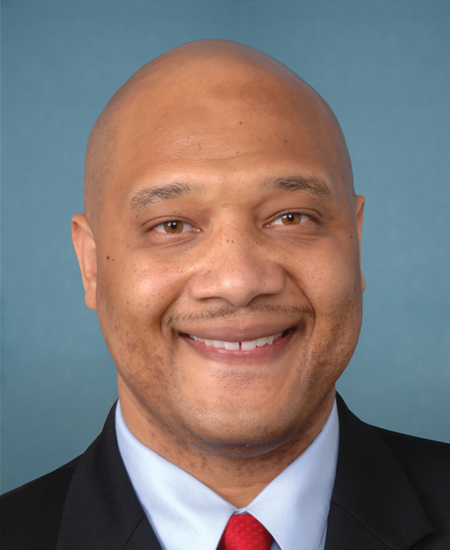
André Carson
André Carson House · District 7
D
Oppose
25% 16
Showing 201–210 of 1,176 bills

All veterans bills

in committee · United States · House Apr 20, 2026

HR 8384: To provide for the conveyance of certain property to the Utah National Guard located in Lehi, Utah, and for other purposes.

This bill authorizes the transfer of three specific parcels of federal land in Lehi, Utah, to the Utah National Guard for use as a state armory. The property includes various strips and irregularly shaped lots, and the transfer is subject to existing easements and restrictions that are currently in place. To ensure the land remains dedicated to military training, the agreement includes a clause allowing the federal government to reclaim the property if it is no longer used for National Guard readiness activities. Additionally, the bill requires the State of Utah to cover the costs associated with the transfer, such as environmental reviews and administrative fees, without using federal funds for these expenses.
in committee · United States · House May 7, 2026

HR 8679: To amend title 38, United States Code, to require the Secretary of Veterans Affairs to transmit a veteran's history of opioid prescriptions to a Community Care health care provider.

This bill requires the Department of Veterans Affairs to share a veteran's history of opioid prescriptions with their community healthcare providers. The rule applies to veterans receiving care outside the VA system and mandates that this prescription data be sent to both the specific non-VA doctors treating them and any third-party administrators managing their care. By updating existing regulations, the legislation aims to improve coordination between VA medical records and private healthcare providers to ensure comprehensive treatment information is available.
in committee · United States · House May 4, 2026

HRES 1253: Expressing the sense of the House of Representatives that public servants should be commended for their dedication and continued service to the United States, including their commitment to defending the Constitution and delivering essential services to United States citizens, and in doing so, supporting the United States economy, during Public Service Recognition Week and throughout the year.

This bill is a non-binding resolution that expresses the House of Representatives' sentiment to honor public servants for their dedication to the United States. It specifically acknowledges the work of federal, state, and local government employees, as well as uniformed service members, who deliver essential services and support the economy. The resolution calls on the American public to observe Public Service Recognition Week with ceremonies and activities that recognize these contributions. Because it is a symbolic expression of the House's feelings rather than a law with enforceable rules, it does not create new policies or mandate specific actions.
in committee · United States · House May 14, 2026

HR 8739: Brownfields Revitalization for a Better Tomorrow Act

The Brownfields Revitalization for a Better Tomorrow Act expands funding and support for cleaning up and redeveloping contaminated properties known as brownfields. It increases the maximum grant amounts available for site remediation and adds new criteria to prioritize projects located on former military bases or in small communities. The legislation also mandates regular audits of how federal funds are used, requires states to maintain public inventories of brownfield sites, and directs the EPA to provide technical assistance to organizations that have previously been unsuccessful in securing grants. Additionally, the bill authorizes new studies to evaluate the effectiveness of existing loan programs and to explore the feasibility of creating a larger loan program for complex cleanup projects.
in committee · United States · House Jun 5, 2026

HR 9018: Fostering TRUST Act of 2026

The Fostering TRUST Act of 2026 requires the Department of Veterans Affairs to notify Congress and local representatives whenever a veteran commits or attempts suicide within a VA facility or an associated care provider. This notification must occur within seven days of the incident and include the facility location, along with detailed personal data such as the veteran's demographics, service history, medical insurance status, and housing situation within 60 days. The bill also mandates that these reports include guidance on suicide warning signs, available support resources, and best practices for securing lethal means while ensuring the privacy and dignity of the veteran and their family.
in committee · United States · House Apr 27, 2026

HR 8524: Kenya Merritt Renewing our PACT Act of 2026

This bill, titled the Kenya Merritt Renewing our PACT Act of 2026, establishes a legal presumption that specific diseases are caused by exposure to open burn pits and other toxic hazards for certain federal employees. It directly affects workers in departments such as Defense, State, and Homeland Security who spent at least 30 days in foreign contingency operations on or after August 2, 1990. Under the new rules, eligible employees can receive disability or death compensation for listed illnesses without needing to prove that the disease was recorded during their time of exposure. The Secretary of Labor is tasked with maintaining an updated list of covered diseases and submitting a progress report to Congress within one year of the law's enactment.
in committee · United States · House May 7, 2026

HJRES 178: Providing for congressional disapproval under chapter 8 of title 5, United States Code, of the rule submitted by the Bureau of Consumer Financial Protection relating to the withdrawal of the rule relating to "Examinations for Risks to Active-Duty Servicemembers and Their Covered Dependents".

This bill seeks to overturn a Bureau of Consumer Financial Protection decision that removed rules requiring lenders to examine risks to active-duty military members and their families. If passed, the resolution would cancel the agency's action, effectively restoring the previous regulations that mandated these specific risk assessments. The measure directly impacts financial institutions by ensuring they must continue evaluating how their products affect servicemembers under the original guidelines. It is a procedural step that uses Congress's power to disapprove federal agency rules without creating new laws or policies.
Sub-Topics Military Families
in committee · United States · House May 7, 2026

HR 8667: MISSION Rx Act

The MISSION Rx Act ensures that military beneficiaries and veterans pay no more for specific negotiated drugs than Medicare Part D beneficiaries do. It achieves this by capping the out-of-pocket costs for TRICARE-covered servicemembers and copayments for veterans at the same levels established under the federal drug price negotiation program. Additionally, the bill requires federal agencies to limit the maximum prices they agree to pay pharmaceutical manufacturers for these same negotiated drugs. These changes apply to existing contracts and new agreements involving drugs selected for federal price negotiation.
in committee · United States · Senate Apr 29, 2026

S 4400: Optimizing the VA Workforce for Veterans Act of 2026

This bill requires the Department of Veterans Affairs to create and regularly update a five-year strategic plan that details how the agency will staff its various offices to meet future demand for veterans' services. It mandates that the Secretary of Veterans Affairs consult with veterans service organizations while developing this plan, which must include specific goals for recruiting and retaining current and former military personnel. Additionally, the legislation establishes strict rules for workforce reductions, requiring the agency to notify Congress and affected employees 60 days in advance and providing a legal remedy if this notice is not given. The bill also strengthens oversight of office reorganizations by requiring detailed risk mitigation plans and regular reports on how well these changes improve outcomes for veterans.
in committee · United States · House May 15, 2026

HR 8848: National Guard Relief Act

The National Guard Relief Act amends federal law to officially recognize the National Guard Relief Foundation as a military welfare society. This change allows the foundation to receive specific benefits and support designated for organizations assisting military personnel and their families. By updating Title 10 of the United States Code, the bill formally includes the foundation in the list of eligible welfare societies without altering its existing operations. The legislation focuses on administrative classification rather than introducing new funding or changing the foundation's mission.
Showing 201 to 210 of 1,176 bills
Previous 1 20 21 22 118 Next