Issue · Technology

Technology

Every technology bill, vote, and legislator stance in United States, automatically classified by Maddy, our AI policy reader.

Total bills
1,641
119th Congress
Top supporter
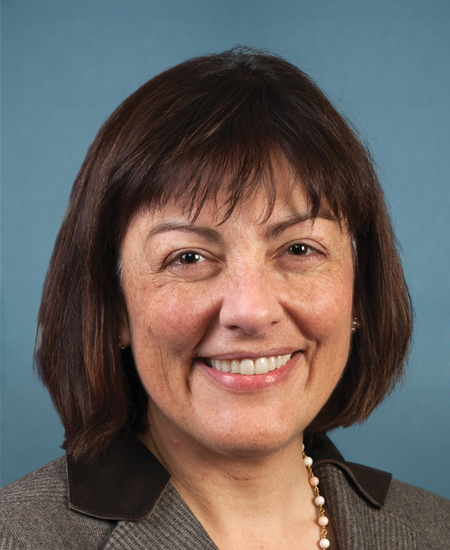
Suzan K. DelBene
86% support rate
Top opponent
Scott Perry
14% support rate
Ranked legislators
10
5 support · 5 oppose
Key legislators

Who's moving technology in United States

Legislators moving technology in United States
Legislator Party Stance Support rate Votes
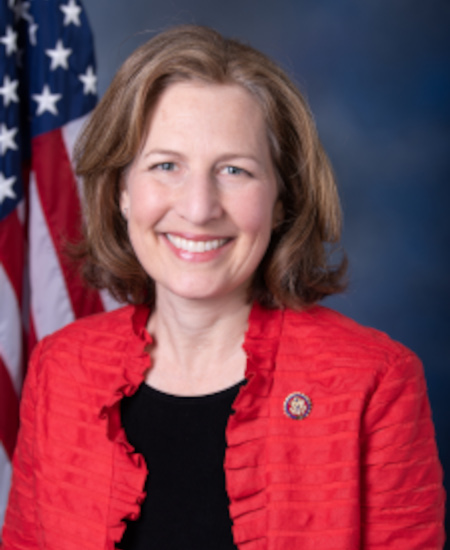
Suzan K. DelBene
Suzan K. DelBene House · District 1
D
Strong +
86% 259
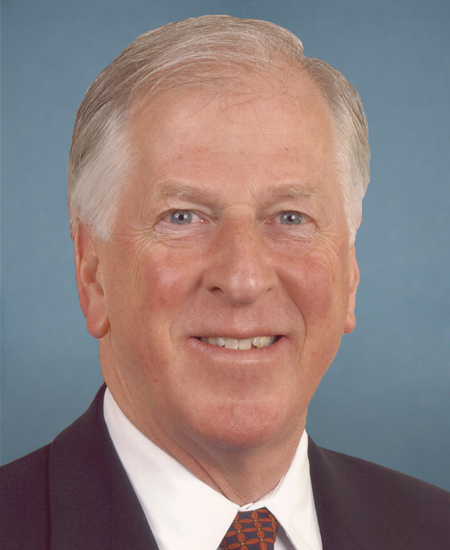
Mike Thompson
Mike Thompson House · District 4
D
Strong +
86% 261
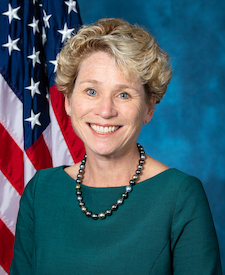
Chrissy Houlahan
Chrissy Houlahan House · District 6
D
Strong +
86% 259
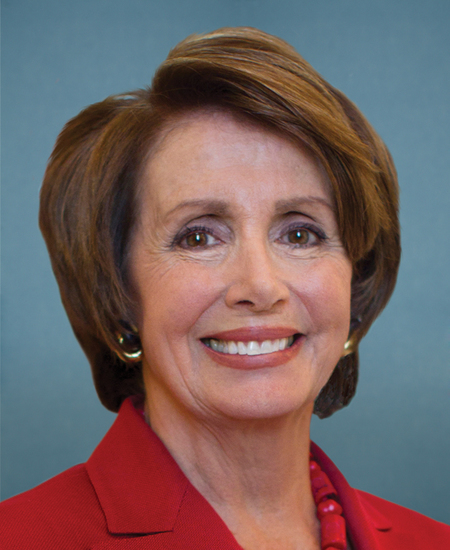
Nancy Pelosi
Nancy Pelosi House · District 11
D
Strong +
86% 246
Kim Schrier
Kim Schrier House · District 8
D
Strong +
86% 261
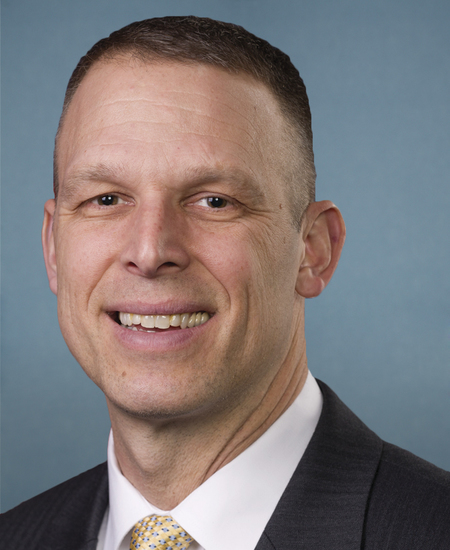
Scott Perry
Scott Perry House · District 10
R
Strong −
14% 252
AA
Alan Armstrong Senate
R
Strong −
14% 46
Rand Paul
Rand Paul Senate
R
Strong −
16% 223
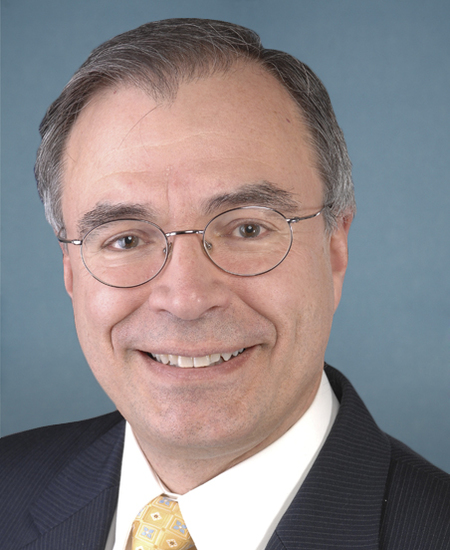
Andy Harris
Andy Harris House · District 1
R
Strong −
18% 257
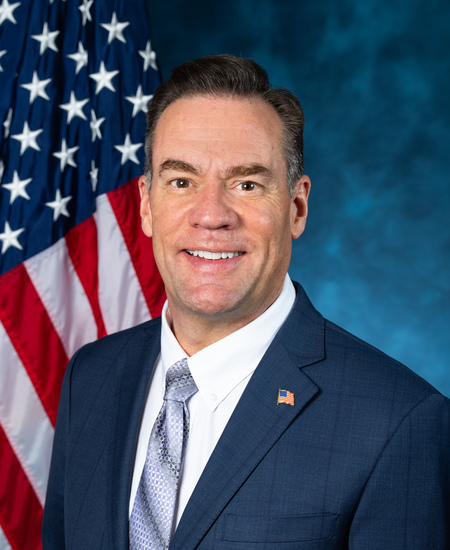
Russ Fulcher
Russ Fulcher House · District 1
R
Strong −
18% 262
Showing 61–70 of 1,641 bills

All technology bills

in committee · United States · House Aug 3, 2026

HR 10017: Permanent CBDC Ban Act

This bill, titled the Permanent CBDC Ban Act, aims to permanently prohibit the Federal Reserve from issuing a central bank digital currency. It achieves this by amending the Federal Reserve Act to remove the specific legal authority that allows the Reserve to create such a digital currency. The legislation directly affects the Federal Reserve by stripping away its power to launch a digital version of the dollar. By deleting the relevant subsection of the law, the bill ensures that the Reserve cannot issue a CBDC in the future.
in committee · United States · Senate Jul 30, 2026

S 5193: Expanding Capacity for Health Outcomes Act of 2026

The Expanding Capacity for Health Outcomes Act of 2026 authorizes the Secretary of Health and Human Services to award grants to networks of organizations that use technology to improve health outcomes. These networks must consist of at least three entities with experience in collaborative learning and capacity building models. Recipients are required to use a shared dataset at the end of the grant period to demonstrate the impact of their work on significant public health issues such as infectious or chronic diseases. Additionally, the act extends the funding period for these grants from 2022 through 2026 to 2027 through 2031.
Sub-Topics Public Health
in committee · United States · House Aug 3, 2026

HRES 1471: Expressing the sense of the House of Representatives that every American and community impacted by the construction or operation of an artificial intelligence data center should have the right to transparency and local autonomy.

This resolution expresses the sense of the House that communities impacted by artificial intelligence data centers should have the right to transparency and local control over their development. It outlines a proposed set of guidelines that would allow local governments to ban data centers near homes and schools, require public impact reports on water and energy use, and mandate that operators pay their fair share in taxes. The bill also suggests mechanisms for communities to pause construction until protections against higher electricity bills and water shortages are established, while ensuring developers provide affordable housing and environmental safeguards. Ultimately, the measure aims to empower local authorities to regulate data center operations without being overruled by state laws, focusing on health, environmental, and economic concerns.
Sub-Topics Artificial Intelligence Tags Government Transparency Local Government
in committee · United States · Senate Jul 30, 2026

S 5176: National Guard for National Service Act

This bill creates a pilot program that brings together the National Guard and the Corporation for National and Community Service to address workforce needs and national security goals. The program would allow National Guard members to work alongside national service participants on projects such as protecting critical infrastructure like energy grids and water systems, improving cybersecurity for schools and local governments, and enhancing disaster preparedness. It also aims to build a career pipeline that connects part-time Guard and Reserve members with structured employment opportunities to help address economic insecurity. Ultimately, the legislation seeks to expand community resilience and ensure workforce stability through these coordinated activities.
in committee · United States · Senate Jul 23, 2026

S 5130: Human Dignity and Emerging Technologies Act

This bill creates the United States Commission on Human Dignity, an independent advisory group within the federal government tasked with examining the ethical and policy impacts of emerging technologies like artificial intelligence, robotics, and biotechnology. The 17-member commission will be appointed by the President, congressional leaders, and committee chairs, with a focus on selecting experts in ethics, law, and science to ensure diverse perspectives. Its primary duties include developing ethical guidelines, monitoring federal programs for threats to human dignity, holding public hearings, and issuing annual reports to Congress and the President. The commission is explicitly limited to an advisory role and cannot issue regulations or enforce laws, and it will receive $2 million annually starting in 2027 until it dissolves in October 2032.
in committee · United States · House Jul 21, 2026

HR 9799: Online Sellers’ Bill of Rights Act of 2026

The Online Sellers' Bill of Rights Act of 2026 aims to protect third-party businesses using major online marketplaces by requiring these platforms to provide greater transparency and due process. Under the bill, the Federal Trade Commission must create rules that limit how long platforms can hold inventory or freeze funds, mandate written notice within 72 hours for any restrictions, and ensure sellers receive at least 30 days' warning before significant policy changes. The law also establishes a presumption of innocence, placing the burden of proof on the platform to demonstrate a violation rather than on the seller, and allows for specific appeals processes. Enforcement is handled through the FTC, which can pursue violations as unfair competition, while state attorneys general and individual sellers retain the right to file civil lawsuits for damages.
in committee · United States · Senate Aug 4, 2026

S 5225: K–12 AI Literacy and Readiness Act of 2026

The K-12 AI Literacy and Readiness Act of 2026 allows federal education funds to be used for teaching artificial intelligence to students and training educators on how to use it responsibly. By amending the Elementary and Secondary Education Act, the bill permits schools to spend money on AI curricula that focus on safe and effective usage, as well as professional development for teachers and staff. This change directly affects state and local school districts by expanding the list of allowable expenses to include specific instruction on AI tools and the skills needed to teach them. The legislation defines artificial intelligence using the same standard established in the National Artificial Intelligence Initiative Act of 2020 to ensure consistency across programs.
in committee · United States · Senate Jul 23, 2026

S 5117: Senior Chatbot Protection Act of 2026

The Senior Chatbot Protection Act of 2026 establishes safety and transparency rules for artificial intelligence chatbots used by older adults in the United States. It requires companies to clearly disclose that their chatbots are not human beings or licensed professionals and mandates specific warnings when the chatbot offers advice on high-stakes matters like healthcare or finances. The law also forces chatbots to detect signs of crisis, such as suicidal thoughts, and immediately refer users to human support services while prohibiting the AI from giving dangerous medical or self-harm advice. Additionally, the bill restricts how user conversations are stored and processed, requiring affirmative consent for data training and giving users the ability to delete their chat history. Enforcement is handled by the Federal Trade Commission, which can impose penalties for violations, while the National Institutes of Standards and Technology will develop voluntary guidelines for safe AI design.
in committee · United States · Senate Aug 4, 2026

S 5226: Parental Approval for Youth Social Media Act of 2026

This bill requires social media companies to obtain verifiable parental consent before allowing anyone under 16 to create or maintain an account. If consent is provided, the platform must set up the account as a parent-supervised profile, giving parents tools to manage privacy settings, limit screen time, control communications, and monitor activity. The Federal Trade Commission will establish rules for verifying age and consent, while state attorneys general are authorized to enforce the law through civil actions. The legislation defines "child" as anyone under 16 and excludes services like email, text messaging, and educational platforms from its requirements.
in committee · United States · Senate Aug 3, 2026

S 5215: Cleaner Transportation Access for All Act

The Cleaner Transportation Access for All Act extends federal tax credits for purchasing clean vehicles and installing charging equipment through 2031, while also allowing a higher credit amount for home charging installations. It establishes a new Joint Office of Energy and Transportation to coordinate federal efforts on electric vehicle infrastructure and creates an Electric Vehicle Commission to study industry needs and safety issues. The legislation authorizes billions in funding to expand charging networks, with specific requirements that states prioritize underserved communities and medium- and heavy-duty vehicles. Additionally, the bill mandates that electric vehicle charging stations be permitted on public curbsides and expands access to high-occupancy vehicle lanes for clean vehicles.
Showing 61 to 70 of 1,641 bills
Previous 1 6 7 8 165 Next