Issue · Technology

Technology

Every technology bill, vote, and legislator stance in United States, automatically classified by Maddy, our AI policy reader.

Total bills
1,447
119th Congress
Top supporter
Ami Bera
86% support rate
Top opponent
Scott Perry
14% support rate
Ranked legislators
10
5 support · 5 oppose
Key legislators

Who's moving technology in United States

Legislators moving technology in United States
Legislator Party Stance Support rate Decisive votes
Ami Bera
Ami Bera House · District 6
D
Strong +
86% 22
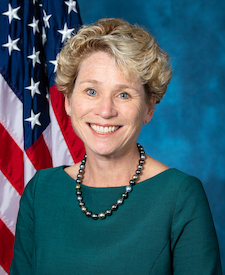
Chrissy Houlahan
Chrissy Houlahan House · District 6
D
Strong +
86% 22
Kim Schrier
Kim Schrier House · District 8
D
Strong +
86% 22
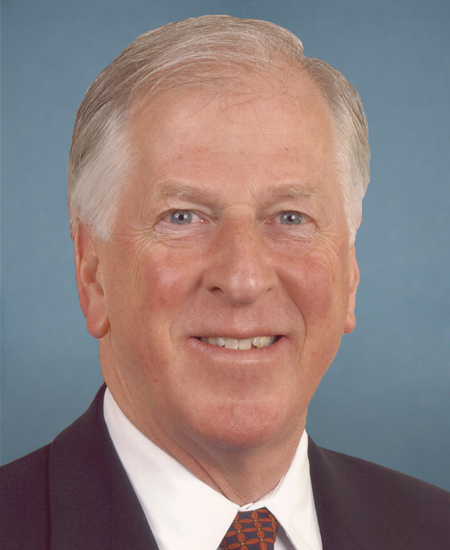
Mike Thompson
Mike Thompson House · District 4
D
Strong +
86% 22
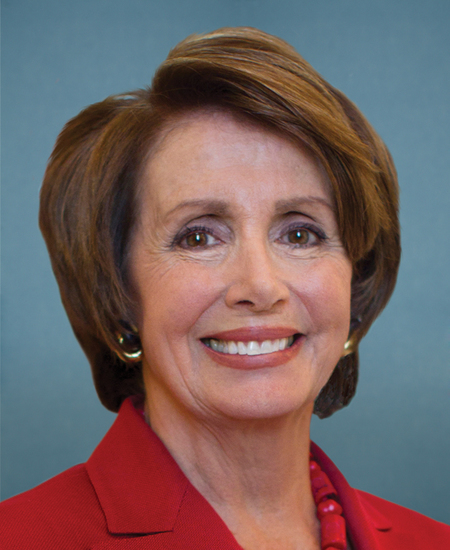
Nancy Pelosi
Nancy Pelosi House · District 11
D
Strong +
86% 22
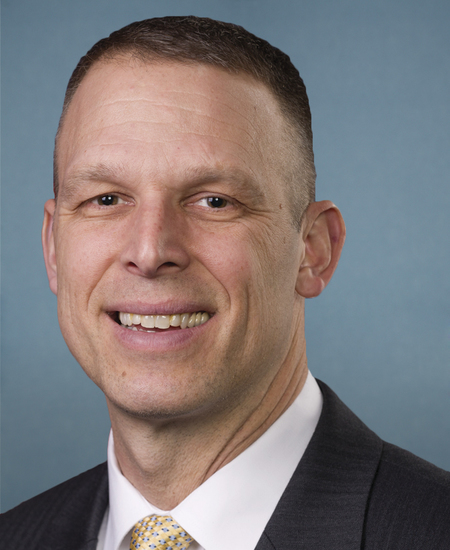
Scott Perry
Scott Perry House · District 10
R
Strong −
14% 21
AA
Alan Armstrong Senate
R
Strong −
17% 29
Rand Paul
Rand Paul Senate
R
Strong −
17% 46
Josh Hawley
Josh Hawley Senate
R
Strong −
18% 45
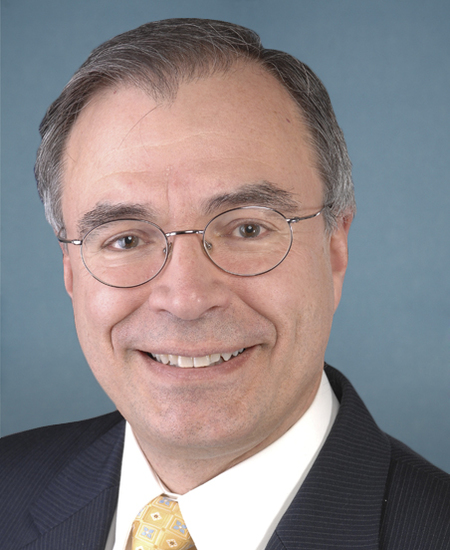
Andy Harris
Andy Harris House · District 1
R
Strong −
18% 22
Showing 441–450 of 1,447 bills

All technology bills

in committee · United States · Senate Apr 13, 2026

SJRES 168: A joint resolution providing for congressional disapproval under chapter 8 of title 5, United States Code, of the rule submitted by the Bureau of Consumer Financial Protection relating to the withdrawal of the rule relating to "Consumer Financial Protection Circular 2024-01: Preferencing and Steering Practices by Digital Intermediaries for Consumer Financial Products or Services".

This joint resolution seeks to disapprove a Bureau of Consumer Financial Protection rule that would have withdrawn a 2024 regulation on how digital intermediaries handle consumer financial products. The bill directly affects the Consumer Financial Protection Bureau by preventing the removal of rules governing preferencing and steering practices in digital finance. If passed, the existing 2024 regulation on these practices would remain in effect, while the proposed withdrawal would have no legal force. The measure uses the Congressional Review Act process to block the agency's regulatory change.
in committee · United States · House Apr 22, 2026

HR 8288: Strengthening Export Controls Compliance Act

This bill requires the Department of Commerce to create a biennial plan helping U.S. businesses, particularly small and medium-sized enterprises, comply with export control regulations. It mandates annual public conferences and outreach efforts to educate companies on licensing procedures and policy updates, with special focus on those lacking large compliance departments. The legislation also updates reporting requirements to include detailed statistics on advisory opinions and classification requests, including processing times and the number of publicly posted guidance documents. These changes aim to improve transparency and support for businesses navigating complex export rules while maintaining national security standards.
in committee · United States · House Mar 27, 2026

HR 8146: Rural Utilities Service Modernization Act

This bill creates a web-based platform for rural communities receiving federal assistance from the Rural Utilities Service to track their project status through permitting and review stages. It also establishes new grants to help eligible entities with pre-development planning and requires improvements to grant application timelines and online submission processes. The legislation authorizes funding for developing and maintaining the tracking platform, provides up to $15 million annually for planning grants, and mandates regular reports to Congress on program performance and efficiency.
Tags Rural Communities
in committee · United States · Senate Mar 26, 2026

S 4251: Mined in America Act of 2026

The Mined in America Act of 2026 establishes a voluntary certification program for Bitcoin mining facilities and pools to ensure they use hardware manufactured in the United States or friendly nations, rather than from foreign adversaries. The program requires operators to meet specific hardware sourcing standards that phase out foreign adversary equipment by 2030, maintain cybersecurity protocols, and participate in U.S.-based mining pools. Certified facilities become eligible for priority access to federal loan, grant, and procurement programs through the Department of Energy and Agriculture. The bill also creates a Strategic Bitcoin Reserve within the Treasury Department, allowing the government to acquire mined Bitcoin from certified sources without recognizing capital gains, and authorizes the use of staking rewards from digital asset stockpiles to fund Bitcoin acquisitions.
Sub-Topics Cybersecurity
in committee · United States · House Mar 24, 2026

HR 8038: DPA Private-Sector Outreach Act of 2026

The DPA Private-Sector Outreach Act of 2026 requires the Department of Commerce to create a toolkit and online resource center within 365 days of enactment to help private companies understand how to access federal authorities under the Defense Production Act. This toolkit will include information on how to submit offers, available funding opportunities for small businesses, details on past awards, and contact information for federal agencies. The bill also mandates that the Department develop annual outreach plans to educate the private sector about commercial opportunities available through these authorities. Additionally, the bill requires a report on the outreach activities conducted and makes minor corrections to the official title of the Defense Production Act.
in committee · United States · House Apr 22, 2026

HR 8284: Bureau of Industry and Security License Administration Enhancement Act

This bill strengthens the Bureau of Industry and Security's ability to manage export control licenses by requiring the agency to publish specific regulatory guidance within 60 days and establishing clear standards for denying licenses to prevent technology transfer to foreign adversaries. It creates a system of technical advisory committees composed of national security experts, industry specialists, and academics to advise on emerging technologies like AI, semiconductors, and biotechnology, with these committees required to meet every four months and submit annual reports. The legislation also mandates regular reviews of existing export control rules for advanced computing integrated circuits and requires the Secretary of Commerce to report findings to Congress within 120 days of enactment.
in committee · United States · House Mar 12, 2026

HR 7896: NOAA Global Ocean Monitoring and Observing Research Act

This bill establishes a new research program within NOAA to improve global ocean monitoring and observing systems. It directs the agency to develop sustained data collection capabilities, including the One-Argo system, while supporting research on ocean health, climate, and extreme weather forecasting. The legislation also mandates the integration of artificial intelligence and cloud technologies to optimize data use, requires annual reviews of program activities, and allows for competitive grants to academic and private institutions for ocean research projects.
in committee · United States · House Jul 21, 2026

HR 8183: MATCH Act of 2026

This bill establishes a new talent marketplace system to connect job seekers with employers and training programs using digital platforms that support open standards and interoperable data sharing. It creates a federal grant program requiring states to allocate 5-10 percent of workforce funds toward building these marketplaces, which include digital tools for tracking skills, verifying credentials, and generating standardized skill profiles. The legislation also mandates that states make these platforms publicly accessible through one-stop delivery systems while protecting user privacy and ensuring websites are easy to navigate and compare programs.
introduced · United States · Senate Apr 14, 2026

S 4280: SAFE Act

The Security And Freedom Enhancement Act of 2026, known as the SAFE Act, introduces new rules for how U.S. intelligence agencies collect and use information about Americans and people in the United States. The bill requires the FBI to conduct regular audits of its data queries, obtain additional approvals before searching for information about elected officials and judges, and create detailed records of all searches. It also limits when government agencies can access Americans' communications without a warrant and restricts intelligence agencies from purchasing personal data from private companies about people in the United States. The law increases transparency by requiring more detailed reports to Congress and the public about surveillance activities, and it expands the role of independent reviewers in court proceedings related to intelligence gathering.
Sub-Topics Data Privacy
in committee · United States · House Mar 27, 2026

HR 8145: Expanding Access to Distance Learning and Telemedicine Act

This bill expands the scope of federal programs supporting rural areas to include cybersecurity support, digital literacy, workforce development, and job training alongside existing telemedicine and distance learning services. It amends the Food, Agriculture, Conservation, and Trade Act of 1990 to update the section heading and modify multiple subsections to explicitly incorporate these new categories of assistance. The changes apply to programs that provide technical support and educational resources to rural communities, with an effective date set for six months after the bill is enacted.
Sub-Topics Telehealth Workforce Development Broadband Access Cybersecurity Tags Agriculture Rural Communities
Showing 441 to 450 of 1,447 bills
Previous 1 … 44 45 46 … 145 Next