Issue · Technology

Technology

Every technology bill, vote, and legislator stance in United States, automatically classified by Maddy, our AI policy reader.

Total bills
1,641
119th Congress
Top supporter
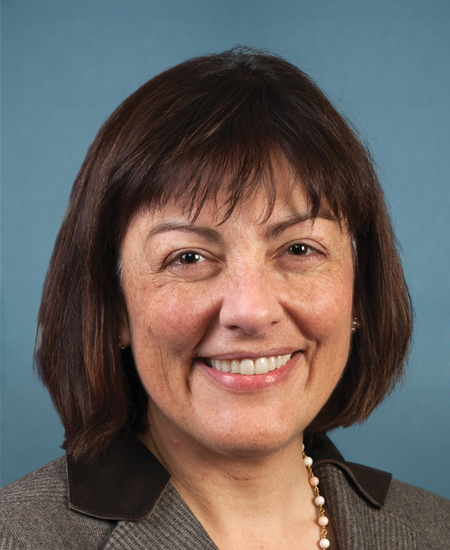
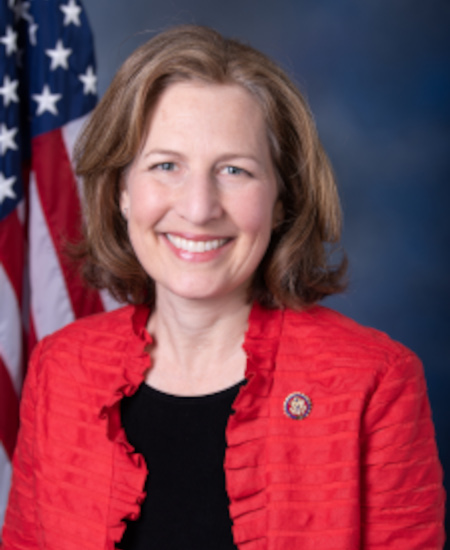
Suzan K. DelBene
86% support rate
Top opponent
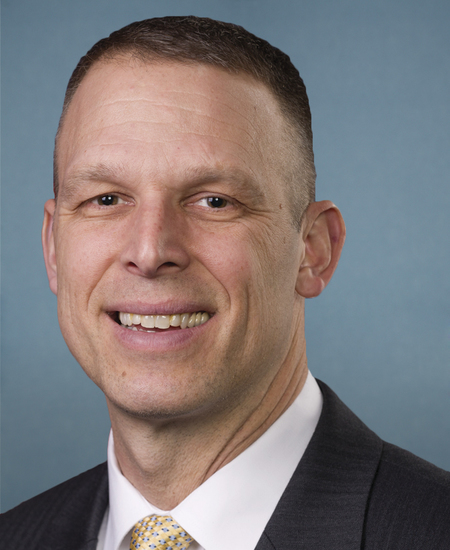
Scott Perry
14% support rate
Ranked legislators
10
5 support · 5 oppose
Key legislators

Who's moving technology in United States

Legislators moving technology in United States
Legislator Party Stance Support rate Votes
Suzan K. DelBene
Suzan K. DelBene House · District 1
D
Strong +
86% 259
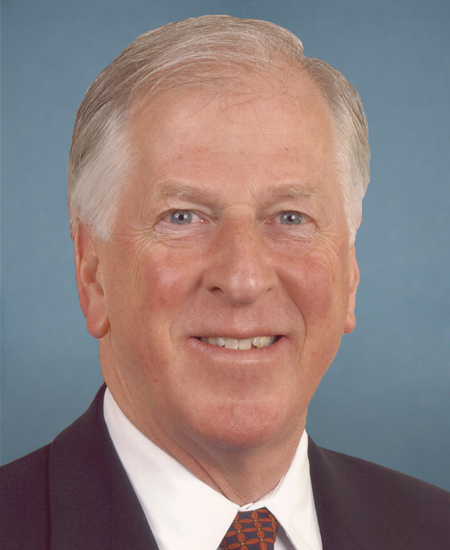
Mike Thompson
Mike Thompson House · District 4
D
Strong +
86% 261
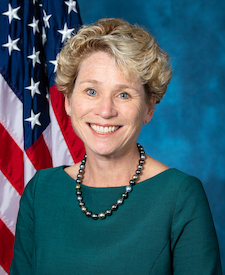
Chrissy Houlahan
Chrissy Houlahan House · District 6
D
Strong +
86% 259
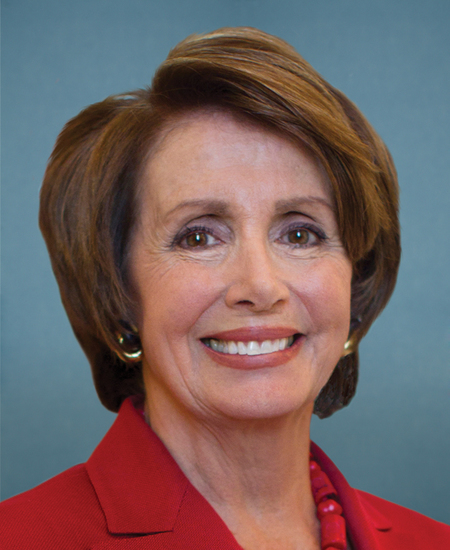
Nancy Pelosi
Nancy Pelosi House · District 11
D
Strong +
86% 246
Kim Schrier
Kim Schrier House · District 8
D
Strong +
86% 261
Scott Perry
Scott Perry House · District 10
R
Strong −
14% 252
AA
Alan Armstrong Senate
R
Strong −
14% 46
Rand Paul
Rand Paul Senate
R
Strong −
16% 223
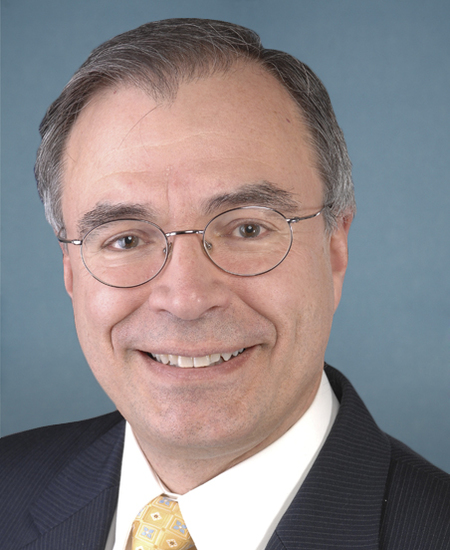
Andy Harris
Andy Harris House · District 1
R
Strong −
18% 257
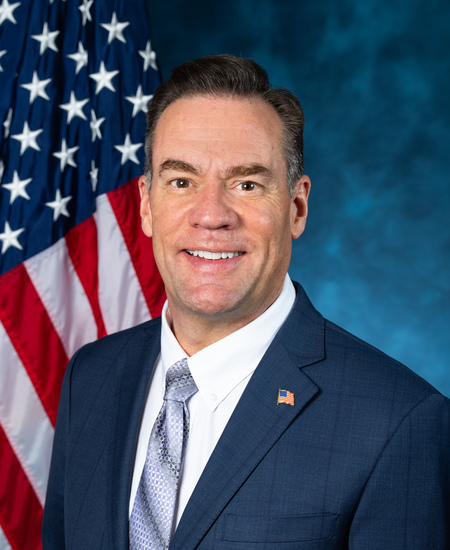
Russ Fulcher
Russ Fulcher House · District 1
R
Strong −
18% 262
Showing 1,551–1,560 of 1,641 bills

All technology bills

in committee · United States · Senate Feb 25, 2025

S 713: Broadband Buildout Accountability Act

The Broadband Buildout Accountability Act requires the federal Broadband Equity, Access, and Deployment Program (BEAD) to comply with the Freedom of Information Act (FOIA). This means information about how broadband funds are allocated and used - including grant decisions and project details - will be publicly accessible through standard FOIA requests. The bill directly affects the federal program managing broadband infrastructure funding and the state/local entities receiving these grants. By making the program subject to FOIA, the legislation increases transparency in the use of federal broadband investment dollars.
Sub-Topics Broadband Access Telecommunications Tags Government Transparency
passed · United States · Senate Mar 16, 2026

S 836: Children and Teens’ Online Privacy Protection Act

The Children and Teens' Online Privacy Protection Act (S 836) extends COPPA protections to teens aged 13-17 by requiring websites, apps, and online services to obtain verifiable consent from parents for children or from teens themselves before collecting or using their personal information for purposes beyond the service. It defines "personal information" broadly to include biometric data, voice recordings, persistent identifiers, and geolocation information, and prohibits using such information for individual-specific advertising without consent. The bill mandates clear notice about data practices and gives children and teens rights to access, correct, and delete their personal information. Additionally, it requires the FTC to conduct studies on mobile app oversight and the GAO to study teen privacy in financial technology products.
in committee · United States · House Dec 23, 2025

HR 6920: SUCCESS for BEAD Act

The SUCCESS for BEAD Act (HR 6920) amends the BEAD program to allow states and other eligible entities to use remaining broadband grant funds for specific purposes. It authorizes the use of these funds for AI-supportive telecommunications infrastructure, workforce development, public safety, and national security initiatives through a competitive subgrant program. The bill establishes specific requirements including a public challenge process for fiber infrastructure projects and priorities for underserved areas and strategic infrastructure. It also includes detailed definitions and requirements for Next Generation 9-1-1 systems in emergency communications centers. The bill provides more specific guidance on how remaining funds can be used without changing the overall BEAD program structure.
in committee · United States · Senate May 21, 2025

S 305: Small Business Technological Act of 2025

S 305, the Small Business Technological Act of 2025, expands eligibility for Small Business Administration (SBA) Section 7(a) loans to cover business software, cloud computing services, and AI-powered tools that support core operations like payroll, HR, sales, billing, accounting, and inventory management. The bill directly affects small businesses seeking SBA loans by allowing these funds to finance technology tools they previously could not use for such purposes. It explicitly excludes research and development from eligible uses and clarifies that existing working capital definitions remain unchanged. This policy change modifies the SBA’s existing loan program without creating new funding or altering prior loan approvals for qualifying technology.
Sub-Topics Artificial Intelligence Tags Small Business
in committee · United States · House Jun 25, 2026

HR 6461: READ AI Models Act

The READ AI Models Act directs the National Institute of Standards and Technology (NIST) to develop a free, flexible template for documenting artificial intelligence (AI) models. The template would require basic details like developer information, training data cutoff dates, supported languages, and terms of service for both public and private sector AI models. NIST must gather public input through a 60-day comment period before finalizing the template and technical guidelines. If the pilot program proves effective, NIST would publish the template publicly and report to Congress within one year.
in committee · United States · House Feb 11, 2026

HR 7509: Deterring Adversarial Access to Americans’ Data Act

HR 7509, the *Deterring Adversarial Access to Americans’ Data Act*, modifies U.S. tax law to impose financial penalties on businesses using technology linked to "foreign adversaries." It directly affects companies that rely on specified foreign-controlled technology (like certain apps or services from designated countries) or are owned by "prohibited foreign entities." Key provisions deny tax benefits including bonus depreciation for such technology, block research expense deductions, adjust business interest deductions, and eliminate R&D credits for affected entities. These changes apply to tax returns filed after the law's effective date, one year post-enactment.
in committee · United States · House Jun 17, 2025

HR 4032: Lowering Broadband Costs for Consumers Act of 2025

This bill requires major internet companies (including social media, streaming services, and app stores) and broadband providers to contribute to the Universal Service Fund, which subsidizes affordable broadband in rural and high-cost areas. It exempts smaller companies that transmit less than 3% of U.S. broadband data or earn under $5 billion annually. The Federal Communications Commission must create a new support mechanism to help rural broadband providers cover costs, while ensuring contributions remain fair and predictable. The bill explicitly states it does not grant the FCC new authority over these companies.
Sub-Topics Broadband Access Social Media Telecommunications Tags Rural Communities
in committee · United States · House Jun 12, 2025

HR 4005: UNPLUGGED Schools Grant Act of 2025

This bill creates a federal grant program to help public schools implement phone-free policies during school hours. It requires states to adopt a policy prohibiting student phone use (with specific exceptions for health needs, disabilities, English learners, and documented instructional needs) to qualify for funding. Grants can only be used to purchase secure storage solutions like lockers or signal-blocking containers for devices. The program allocates funds based on prior Title I education funding, with minimum allocations for smaller states. It directly affects public K-12 schools through their state education agencies.
in committee · United States · Senate Dec 16, 2025

S 3494: Auto Data Privacy and Autonomy Act

The Auto Data Privacy and Autonomy Act requires automakers to obtain explicit, written consent from vehicle owners before accessing or sharing their vehicle data (including location and personal information), except for safety improvements or emergencies. It prohibits selling personal data to specific foreign governments (like China, Russia, and North Korea) and mandates that owners have free, real-time access to all vehicle data - without fees, proprietary tools, or restrictions - via open interfaces to delete data or adjust settings. The Federal Trade Commission must report to Congress within 180 days on how automakers handle data, including cybersecurity risks and foreign data sharing. The law takes effect three months after enactment and is enforced under existing FTC authority.
in committee · United States · Senate Jul 17, 2025

S 2346: Preparing Election Administrators for AI Act

This bill directs the Election Assistance Commission (EAC) to create voluntary guidelines for state and local election offices on managing artificial intelligence (AI) in elections. The guidelines must address AI's risks and benefits, cybersecurity threats, how AI affects sharing accurate election information, and how it might spread disinformation. The EAC must also study AI's use in the 2024 federal elections by July 2026 and update the guidelines based on that study. These guidelines are non-binding, meaning election offices choose whether to adopt them, and they aim to help election administrators navigate AI tools responsibly.
Sub-Topics Artificial Intelligence Cybersecurity Tags Elections
Showing 1,551 to 1,560 of 1,641 bills