Issue · Technology

Technology

Every technology bill, vote, and legislator stance in United States, automatically classified by Maddy, our AI policy reader.

Total bills
1,641
119th Congress
Top supporter
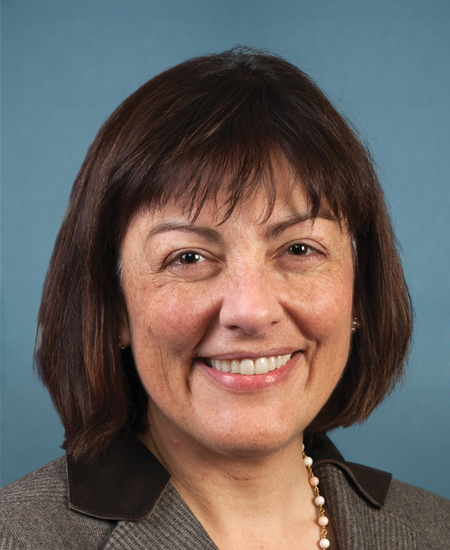
Suzan K. DelBene
86% support rate
Top opponent
Scott Perry
14% support rate
Ranked legislators
10
5 support · 5 oppose
Key legislators

Who's moving technology in United States

Legislators moving technology in United States
Legislator Party Stance Support rate Votes
Suzan K. DelBene
Suzan K. DelBene House · District 1
D
Strong +
86% 259
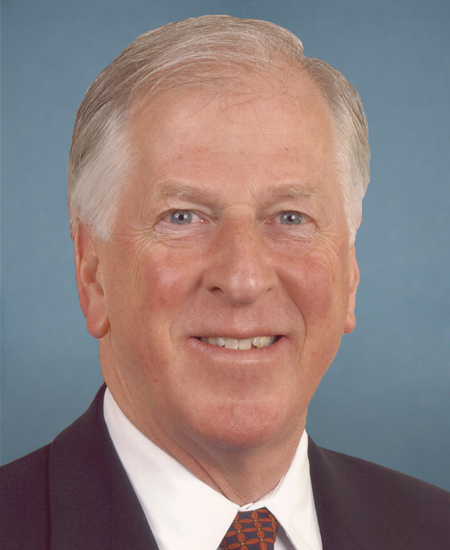
Mike Thompson
Mike Thompson House · District 4
D
Strong +
86% 261
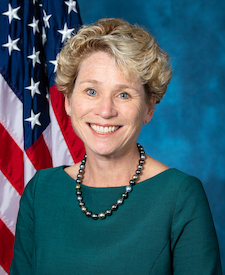
Chrissy Houlahan
Chrissy Houlahan House · District 6
D
Strong +
86% 259
Nancy Pelosi
Nancy Pelosi House · District 11
D
Strong +
86% 246
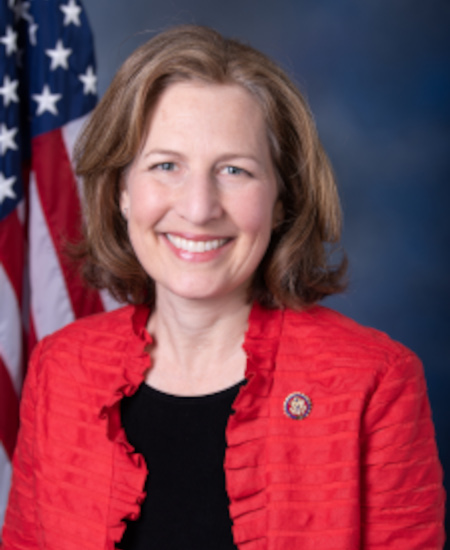
Kim Schrier
Kim Schrier House · District 8
D
Strong +
86% 261
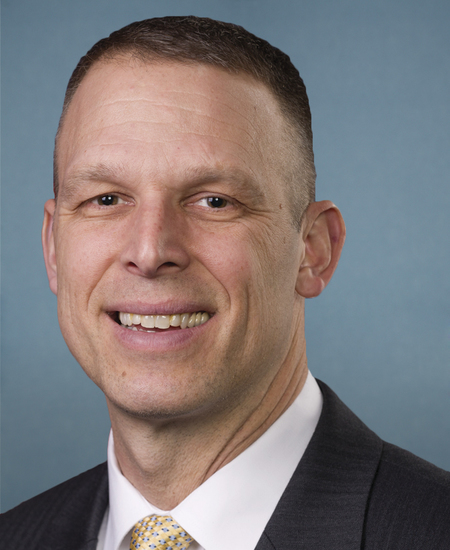
Scott Perry
Scott Perry House · District 10
R
Strong −
14% 252
AA
Alan Armstrong Senate
R
Strong −
14% 46
Rand Paul
Rand Paul Senate
R
Strong −
16% 223
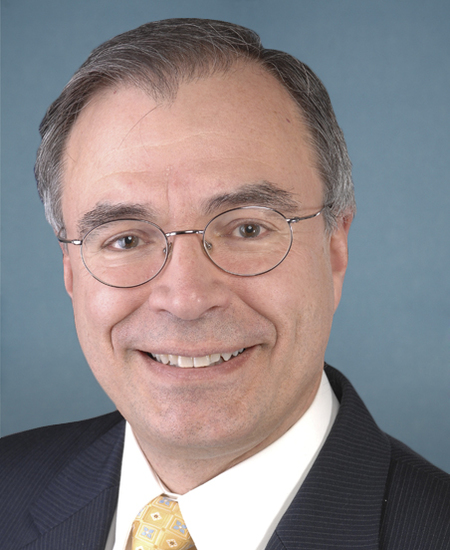
Andy Harris
Andy Harris House · District 1
R
Strong −
18% 257
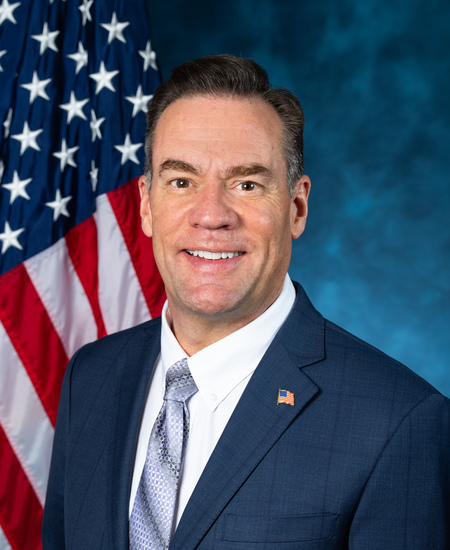
Russ Fulcher
Russ Fulcher House · District 1
R
Strong −
18% 262
Showing 1,471–1,480 of 1,641 bills

All technology bills

in committee · United States · House Mar 28, 2025

HR 1985: Promoting Precision Agriculture Act

The Promoting Precision Agriculture Act directs the U.S. Department of Agriculture to develop voluntary, private-sector-led standards for precision agriculture equipment within two years. These standards will focus on improving connectivity between farm technologies (like GPS systems, sensors, and data software), addressing cybersecurity concerns, and supporting the use of advanced networks and AI in farming. The bill requires the Government Accountability Office (GAO) to assess these standards every two years for eight years, checking if they were developed with industry input and effectively encourage adoption. The primary beneficiaries are U.S. farmers and agricultural technology companies, aiming to make farming more efficient by reducing waste of resources like water, fertilizer, and fuel.
Sub-Topics Artificial Intelligence Cybersecurity Tags Agriculture Rural Communities
in committee · United States · Senate Feb 5, 2026

SRES 598: A resolution condemning and calling for the reversal of President Trump's decision to allow the export of advanced artificial intelligence chips to the United Arab Emirates, despite significant risks to national security and just months after the United Arab Emirates signed a secret $500,000,000 deal to buy close to a majority stake in the Trump family crypto company World Liberty Financial.

SRES 598 is a Senate resolution condemning President Trump's decision to approve the export of advanced AI chips to the United Arab Emirates. It cites national security concerns, noting the UAE signed a secret $500 million deal to buy nearly half of the Trump family's crypto company (World Liberty Financial) just days before Trump's 2025 inauguration, followed by UAE officials meeting with Trump to push for chip access. The resolution states the export risks chips being diverted to China, which seeks such technology to advance its military and compete globally. It calls for reversing the export decision but does not create new policy or alter existing law.
in committee · United States · Senate Mar 4, 2025

S 840: Digital Integrity in Democracy Act

The Digital Integrity in Democracy Act (S 840) amends Section 230 of the Communications Act to create a limited exception to social media platform liability protection. It requires large platforms (with ≥25 million U.S. monthly users) to remove "false election administration information" within 24-48 hours after receiving a valid complaint - defined as objectively incorrect facts about election timing, location, voter eligibility, or penalties, but excluding political speech about candidates or parties. Platforms face $50,000 fines per violation for failing to remove such content, with enforcement by the Attorney General, states, or candidates. The law applies only to factual misinformation about election administration, not opinions or political advocacy.
Sub-Topics Social Media
in committee · United States · Senate Feb 25, 2025

S 703: CATCH Fentanyl Act

S 703 (CATCH Fentanyl Act) establishes pilot projects at U.S. border ports to test non-intrusive inspection technologies - such as AI, machine learning, and quantum sensing - to improve detection of contraband, drugs, and threats in cargo and vehicles. The bill requires testing at least five technology types from specified categories, prioritizing those that enhance detection accuracy, reduce wait times, integrate with existing systems, and demonstrate cost-effectiveness. It mandates reports analyzing pilot results, privacy safeguards for data collected during inspections, and recommendations for nationwide implementation, with no new funding authorized. The legislation directly affects U.S. Customs and Border Protection (CBP) at land border ports and aims to modernize inspection processes without altering existing legal frameworks.
in committee · United States · Senate Feb 5, 2025

S 438: Cyber PIVOTT Act of 2025

This bill establishes the PIVOTT Program to build a cybersecurity workforce by providing full tuition scholarships for students at community colleges and technical schools pursuing cybersecurity or cyber-relevant associate's degrees. Students must complete a 2-year service obligation in cybersecurity roles after graduation, with exceptions for military service, and must participate in skills-based exercises like hackathons and labs. The program requires participating institutions to offer these training components and coordinate internships with government agencies, including critical infrastructure entities and Federal departments. CISA will coordinate implementation with enrollment targets of 250 students in the first year, growing to 10,000 annually within 10 years.
in committee · United States · House Nov 7, 2025

HR 5927: Securing Reliable Power for Advanced Technologies Act

This bill streamlines federal permitting for projects critical to artificial intelligence infrastructure, including large data centers (50+ megawatts), reliable power plants, and associated transmission/fuel systems. It requires federal agencies to coordinate reviews and complete all necessary approvals within 2 years for designated projects, with a single agency leading environmental reviews. Owners of affected projects can seek compensation if new federal regulations materially impair operations for 180+ days, and qualifying power facilities may receive financial assistance for expansion. The bill directly affects AI infrastructure developers, power providers, and federal permitting agencies, focusing on accelerating reliable power access for national defense-related AI systems.
in committee · United States · House Sep 10, 2025

HR 5266: 5G UPGRADE Act of 2025

HR 5266, the 5G UPGRADE Act of 2025, streamlines approval for 5G infrastructure by requiring local governments to act on wireless facility requests within 60 days or automatically approve them. It directly affects wireless companies seeking to install 5G equipment, limiting local governments’ ability to delay projects through excessive paperwork or vague denials. Key provisions include a strict 60-day deadline for approval/denial (with automatic approval if missed), rules requiring clear written justifications for denials citing specific regulations, and prohibitions on demanding unnecessary documentation beyond publicly available requirements. The bill also allows companies to sue for noncompliance and mandates federal rules within 180 days of enactment.
in committee · United States · Senate Jul 13, 2026

S 3468: National Programmable Cloud Laboratories Network Act of 2025

This bill establishes a National Programmable Cloud Laboratories Network, designating up to six "nodes" at eligible institutions (universities, nonprofits, or private companies) by 2026. These nodes must offer remote, AI-assisted lab access for research, require private-sector cost-sharing, and develop sustainable funding models to reduce long-term federal reliance. The network aims to accelerate scientific innovation in fields like biotechnology and materials science by standardizing remote experimentation, improving collaboration, and ensuring cybersecurity. It mandates annual congressional reporting and expires on September 30, 2031.
in committee · United States · Senate May 21, 2025

S 1833: Leadership in CET Act

S 1833, the Leadership in CET Act, creates a 5-year pilot program to speed up patent examinations for specific critical technologies like AI systems, semiconductor designs, and quantum computing. It allows qualifying U.S. applicants (excluding foreign entities of concern) to submit patent applications for these technologies under an accelerated review process, with a limit of 15,000 applications total. The program requires applicants to certify inventors haven't filed more than four similar applications previously and mandates public reporting on application numbers and patents issued. The pilot ends after 5 years or 15,000 accepted applications, whichever comes first, and requires a final report to Congress on its effectiveness.
in committee · United States · Senate May 8, 2025

S 1699: Artificial Intelligence Public Awareness and Education Campaign Act

This bill establishes a federal campaign to improve public understanding of artificial intelligence (AI) in daily life. It requires the Secretary of Commerce to create educational materials explaining AI's prevalence (e.g., in apps, recommendations, and services), how to detect AI-generated content like deepfakes, and how to protect personal data - with targeted outreach for vulnerable groups like seniors. The campaign must measure success through audience reach, engagement, and adoption of best practices, and will be updated annually to reflect new AI developments. The program runs for five years with no new funding, ending automatically after enactment.
Showing 1,471 to 1,480 of 1,641 bills