Issue · Technology

Technology

Every technology bill, vote, and legislator stance in United States, automatically classified by Maddy, our AI policy reader.

Total bills
1,641
119th Congress
Top supporter
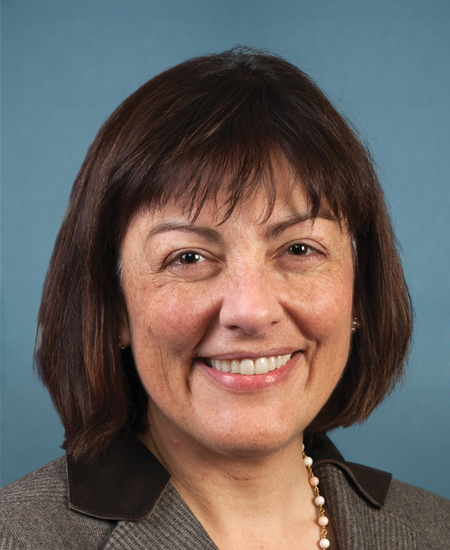
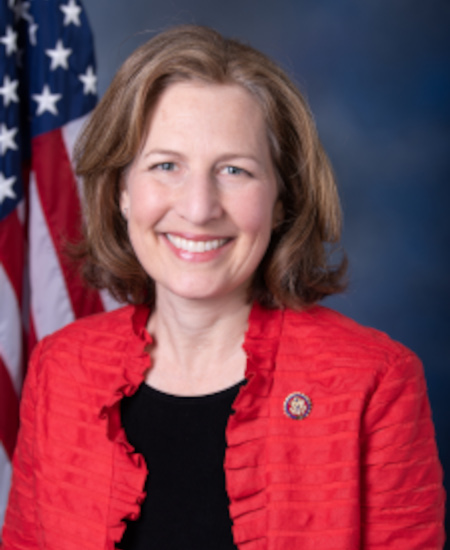
Suzan K. DelBene
86% support rate
Top opponent
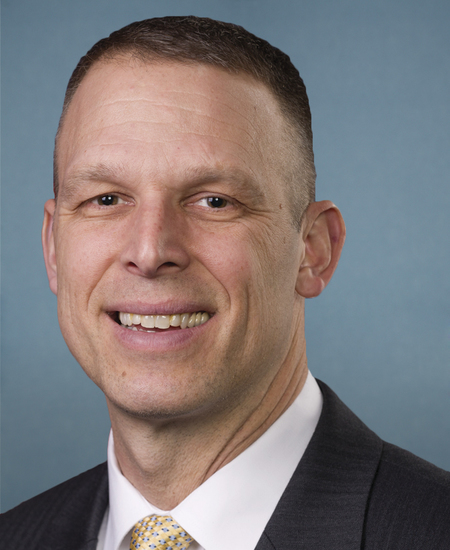
Scott Perry
14% support rate
Ranked legislators
10
5 support · 5 oppose
Key legislators

Who's moving technology in United States

Legislators moving technology in United States
Legislator Party Stance Support rate Votes
Suzan K. DelBene
Suzan K. DelBene House · District 1
D
Strong +
86% 259
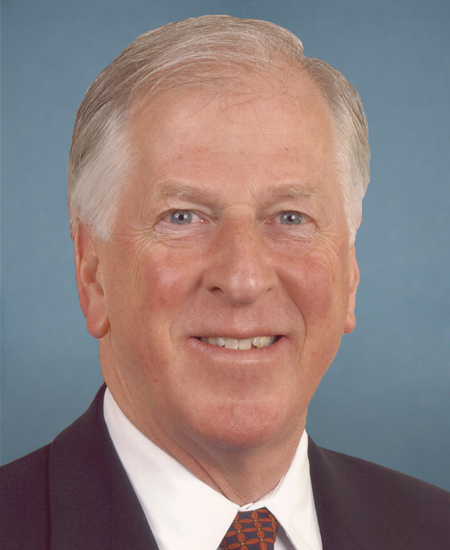
Mike Thompson
Mike Thompson House · District 4
D
Strong +
86% 261
Chrissy Houlahan
Chrissy Houlahan House · District 6
D
Strong +
86% 259
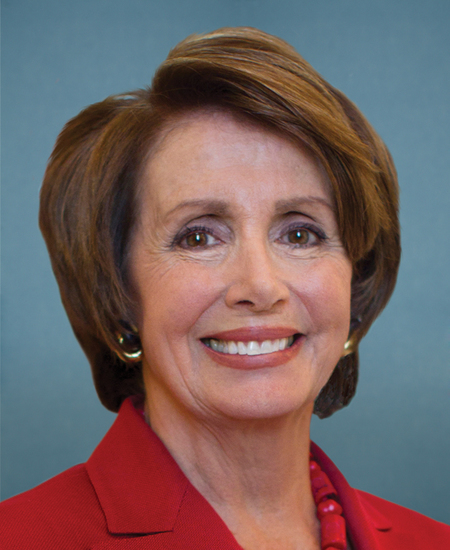
Nancy Pelosi
Nancy Pelosi House · District 11
D
Strong +
86% 246
Kim Schrier
Kim Schrier House · District 8
D
Strong +
86% 261
Scott Perry
Scott Perry House · District 10
R
Strong −
14% 252
AA
Alan Armstrong Senate
R
Strong −
14% 46
Rand Paul
Rand Paul Senate
R
Strong −
16% 223
Andy Harris
Andy Harris House · District 1
R
Strong −
18% 257
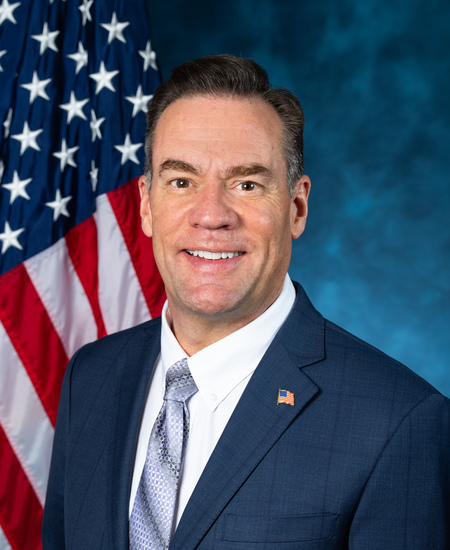
Russ Fulcher
Russ Fulcher House · District 1
R
Strong −
18% 262
Showing 1,451–1,460 of 1,641 bills

All technology bills

in committee · United States · House Jun 3, 2025

HR 3693: To prohibit the Federal Government from establishing or maintaining a database that contains data collected through, or facilitates, the biometric identity verification of a citizen of the United States, and for other purposes.

HR 3693 prohibits all federal agencies from creating or maintaining databases that store biometric data used for verifying U.S. citizens' identities. The bill specifically bans databases containing information like fingerprints, facial recognition, or iris patterns collected through biometric identity verification systems. It applies directly to every federal agency, preventing them from using such technology for citizen identification purposes. This is a clear policy change restricting federal data collection practices related to biometric identification.
failed · United States · House Apr 1, 2025

HRES 282: Providing for consideration of the joint resolution (S.J. Res. 18) disapproving the rule submitted by the Bureau of Consumer Financial Protection relating to "Overdraft Lending: Very Large Financial Institutions''; providing for consideration of the joint resolution (S.J. Res. 28) disapproving the rule submitted by the Bureau of Consumer Financial Protection relating to ''Defining Larger Participants of a Market for General-Use Digital Consumer Payment Applications''; providing for consideration of the bill (H.R. 1526) to amend title 28, United States Code, to limit the authority of district courts to provide injunctive relief, and for other purposes; providing for consideration of the bill (H.R. 22) to amend the National Voter Registration Act of 1993 to require proof of United States citizenship to register an individual to vote in elections for Federal office, and for other purposes; and for other purposes.

HRES 282 is a procedural resolution that sets rules for debating and voting on four specific legislative items in the House. It enables consideration of two resolutions disapproving Consumer Financial Protection Bureau rules (one on overdraft lending by large banks, another on digital payment apps), a bill limiting court injunctions (H.R. 1526), and a bill requiring U.S. citizenship proof for federal voting registration (H.R. 22). The resolution waives objections to these items and allocates one hour of debate for each, equally divided between committee chairs and ranking members. This resolution itself does not change policy but streamlines the process for the House to vote on the underlying bills and disapproval resolutions.
in committee · United States · House Nov 17, 2025

HR 6067: Tribal Internet Expansion Act of 2025

This bill amends the Communications Act to expand eligibility for universal service funding to tribal lands and areas with high populations of Native American residents. It updates existing rules by adding these areas to the "high cost areas" category that qualify for federal broadband support programs. The change directly affects tribal communities and residents in designated areas by making them eligible for funding to improve internet access.
Sub-Topics Broadband Access Telecommunications Tags Rural Communities Tribal Nations
in committee · United States · Senate Mar 14, 2025

S 1085: MedShield Act of 2025

The MedShield Act of 2025 establishes a new pandemic preparedness program under the Department of Health and Human Services (HHS), requiring the use of artificial intelligence to improve national biodefense. It directs HHS to create a system for real-time pathogen tracking, accelerate vaccine development, and optimize treatment distribution using AI tools, as outlined in Section 3(c). The program mandates annual funding of $300 million in 2025, increasing to $500 million by 2029 (Section 6), and requires a report to Congress within 180 days of enactment (Section 4). This bill directly affects federal agencies coordinating pandemic response and aims to create a continuous, integrated system for addressing biological threats, replacing ad-hoc efforts like Operation Warp Speed.
in committee · United States · House Nov 25, 2025

HR 6306: AI Fraud Deterrence Act

HR 6306, the AI Fraud Deterrence Act, increases penalties for fraud crimes when artificial intelligence is used to impersonate federal officials. The bill amends existing laws (mail fraud, wire fraud, bank fraud, and money laundering) to add $1 million fines or up to 20 years in prison for AI-assisted fraud, and specifically targets impersonation of government officials with $1 million fines or up to 3 years in prison when AI is used. It defines "artificial intelligence" using the 2020 National AI Initiative Act and includes a First Amendment protection for satire or parody with clear disclosure. The law directly affects scammers using AI to mimic government officials, as highlighted by recent incidents involving impersonated White House and State Department communications.
in committee · United States · House Feb 6, 2025

HR 1027: QUIET Act

The QUIET Act (HR 1027) requires that robocalls or text messages using artificial intelligence to mimic human communication must disclose at the beginning that AI is being used. It doubles penalties for violations involving AI impersonation intended to defraud, cause harm, or obtain value, applying to automated calls sent to stored numbers or generated randomly. The bill excludes calls requiring substantial human intervention, focusing on transparency and deterrence in AI-driven automated communications.
in committee · United States · House Feb 12, 2025

HR 1233: To prohibit the obligation or expenditure of Federal funds for disinformation research grants, and for other purposes.

HR 1233 prohibits federal agencies from using taxpayer money to fund specific research programs. It bans spending on disinformation research grants, Secure and Trustworthy Cyberspace grants, and the National Science Foundation's Track F program focused on "Trust and Authenticity in Communications Systems." This directly affects federal departments and agencies that would otherwise allocate funds for these research areas, as well as researchers or institutions seeking such grants. The bill makes a concrete change by blocking federal funding for these particular research initiatives, without altering broader disinformation policies or creating new regulations.
in committee · United States · Senate Feb 4, 2026

S 3779: ICE Out of Our Faces Act

The ICE Out of Our Faces Act prohibits U.S. Immigration and Customs Enforcement (ICE) and U.S. Customs and Border Protection (CBP) officers from using facial recognition, voice recognition, or other biometric surveillance technology for immigration enforcement. It directly affects ICE, CBP, and 287(g) deputized officers by banning their acquisition, possession, or use of such technology in the U.S. The bill requires immediate deletion of all existing biometric data collected by these officers within 30 days and makes evidence obtained in violation inadmissible in court. Violations could lead to lawsuits by affected individuals or state attorneys general, with possible damages, penalties, or injunctive relief.
in committee · United States · Senate Dec 11, 2025

S 3437: Office of Fusion Act of 2025

The Office of Fusion Act of 2025 establishes a new Office of Fusion within the Department of Energy to accelerate the development and commercial deployment of fusion energy technology. The Office will coordinate public-private partnerships, build domestic supply chain infrastructure, and work toward the goal of starting construction on more than one private-sector fusion power plant by December 31, 2028. It requires the Department to submit a detailed commercial deployment roadmap to Congress within 180 days of enactment, with updates every four years, outlining barriers and strategies for advancing fusion energy. The bill also creates a Fusion Innovation Center, based at a national laboratory or university with proven fusion expertise, to lead these efforts.
Sub-Topics Nuclear
in committee · United States · House Jan 3, 2025

HR 46: Rural Broadband Window of Opportunity Act

HR 46, the Rural Broadband Window of Opportunity Act, requires the Federal Communications Commission (FCC) to prioritize processing applications for the Rural Digital Opportunity Fund (RDOF) Phase II auction. It specifically directs the FCC to give faster review to applications proposing to build broadband infrastructure in geographic areas with the shortest construction seasons, such as regions with long, snowy winters. This policy change directly affects service providers competing for RDOF funding to expand rural broadband access. The bill aims to address seasonal challenges by streamlining the application process for projects in areas where weather limits construction time.
Sub-Topics Broadband Access Telecommunications Tags Rural Communities
Showing 1,451 to 1,460 of 1,641 bills