Issue · Technology

Technology

Every technology bill, vote, and legislator stance in United States, automatically classified by Maddy, our AI policy reader.

Total bills
1,431
119th Congress
Top supporter
Suzan K. DelBene
86% support rate
Top opponent
Scott Perry
14% support rate
Ranked legislators
10
5 support · 5 oppose
Key legislators

Who's moving technology in United States

Legislators moving technology in United States
Legislator Party Stance Support rate Votes
Suzan K. DelBene
Suzan K. DelBene House · District 1
D
Strong +
86% 259
Mike Thompson
Mike Thompson House · District 4
D
Strong +
86% 261
Chrissy Houlahan
Chrissy Houlahan House · District 6
D
Strong +
86% 259
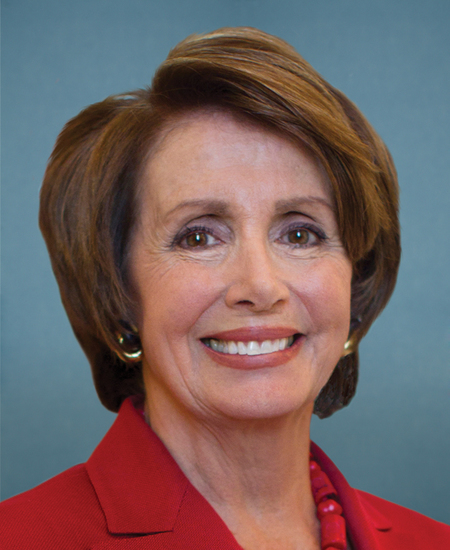
Nancy Pelosi
Nancy Pelosi House · District 11
D
Strong +
86% 246
Kim Schrier
Kim Schrier House · District 8
D
Strong +
86% 261
Scott Perry
Scott Perry House · District 10
R
Strong −
14% 252
AA
Alan Armstrong Senate
R
Strong −
14% 46
Rand Paul
Rand Paul Senate
R
Strong −
16% 223
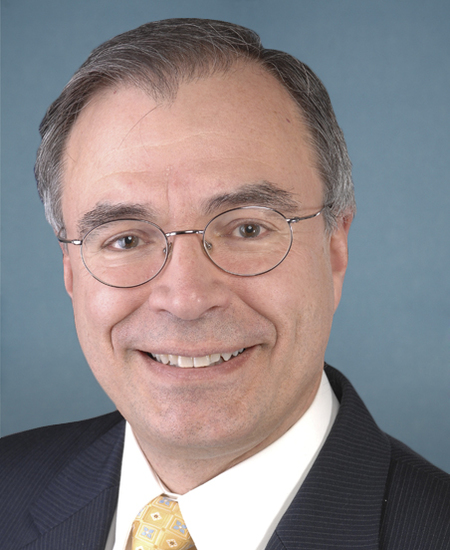
Andy Harris
Andy Harris House · District 1
R
Strong −
18% 257
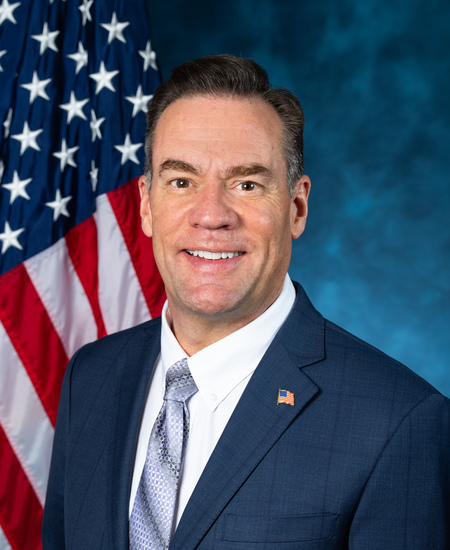
Russ Fulcher
Russ Fulcher House · District 1
R
Strong −
18% 262
Showing 1,341–1,350 of 1,431 bills

All technology bills

in committee · United States · House Mar 31, 2025

HR 2508: ENCRYPT Act of 2025

HR 2508, the ENCRYPT Act of 2025, prevents states from requiring technology companies to build backdoors into their products or services that would allow surveillance or decryption of user data. It specifically blocks states from mandating that companies alter security functions to enable government access to encrypted communications (like messages or files) or from banning encrypted products like smartphones or apps. The law applies to most internet-connected devices and services sold to the public that operate across state lines, directly affecting tech companies and state governments. This creates a uniform national standard, overriding any conflicting state laws about encryption.
in committee · United States · House Jan 16, 2026

HRES 1008: Recognizing and expressing support for the Iranian people protesting for a free and democratic Iran.

This symbolic resolution expresses the U.S. House of Representatives' support for Iranian protesters demanding democracy and human rights. It condemns the Iranian regime's violent suppression of demonstrations, calls for the release of political prisoners, and urges expanded internet access for Iranian citizens. The resolution specifically demands an end to regime violence, recognizes the Iranian people's right to free elections, and asks the U.S. government to coordinate with allies on deterring further brutality. As a non-binding resolution, it does not create new laws but formally states congressional support for the protesters' cause.
Sub-Topics Broadband Access
in committee · United States · House Jul 29, 2025

HR 4828: Blue Shield Privacy Act of 2025

HR 4828 expands federal privacy law by adding biometric information, license plate numbers, workplace addresses, school addresses, and GPS coordinates to the list of "restricted personal information" under Title 18, U.S. Code. This directly affects businesses and organizations that collect personal data, requiring them to apply the same strict privacy safeguards to these newly protected data types. The bill modifies an existing legal definition rather than creating new requirements or enforcement mechanisms. It applies to any entity subject to current privacy regulations for restricted data. The key change clarifies which specific information categories receive enhanced protection under federal law.
Sub-Topics Consumer Data Protection Data Privacy Tags Privacy
in committee · United States · House Apr 30, 2025

HR 3125: Rural Broadband Assistance Act

HR 3125, the Rural Broadband Assistance Act, creates a new USDA grant program to help rural communities access broadband internet. It provides funding for private, nonprofit, or public organizations to offer technical assistance and training directly to eligible entities like tribes, state/local governments, schools, nonprofits, and rural cooperatives. Key provisions include helping these groups prepare grant applications, identify funding sources, conduct feasibility studies, collect infrastructure data, and improve broadband facility management. The program prioritizes organizations with proven experience in rural technical assistance and allows national or multi-state applications for community support.
Sub-Topics Broadband Access Telecommunications Tags Rural Communities
in committee · United States · House Mar 27, 2025

HR 2447: New Collar Jobs Act of 2025

The New Collar Jobs Act of 2025 creates tax credits for employers who fund cybersecurity training for staff, covering up to $5,000 per employee annually. It also offers student loan forgiveness of up to $25,000 for cybersecurity workers employed in economically distressed areas for 36 consecutive months. The bill expands CyberCorps scholarships for cybersecurity education and increases funding for cybersecurity programs at colleges. These provisions directly affect employers, cybersecurity workers, and educational institutions seeking to address workforce shortages in critical security roles.
in committee · United States · Senate May 6, 2025

S 1617: LAST ACRE Act of 2025

The LAST ACRE Act of 2025 establishes the "Last Acre Program" to expand high-speed broadband access to agricultural land that lacks sufficient connectivity. The program provides grants and loans to broadband providers to build networks meeting minimum speed requirements (100 Mbps downstream, 20 Mbps upstream) on unserved or underserved cropland, pastureland, and farm sites used for active agricultural production. It prioritizes assistance for limited resource farmers (those with lower income and farm sales) and requires providers to meet cybersecurity standards and submit detailed bid applications. The bill also mandates data collection about agricultural broadband usage and requires annual reporting to Congress on program implementation.
Sub-Topics Broadband Access Cybersecurity Telecommunications Tags Agriculture Rural Communities
in committee · United States · Senate Dec 2, 2025

S 3306: Modernizing Government Technology Reform Act

The Modernizing Government Technology Reform Act requires federal agencies to identify and report high-risk legacy information technology systems to the Federal Chief Information Officer. The Federal CIO must then compile and prioritize a list of the top 10 critical systems needing modernization, reporting this to Congress annually. Agencies can use dedicated fund money to upgrade outdated systems, enhance cybersecurity, or improve efficiency, but must repay funds to maintain the fund's operational balance until 2032. The bill also prohibits funding for projects with fraudulent or misleading information about technical design, business cases, or project management.
in committee · United States · Senate Jul 21, 2025

S 2367: AI Accountability and Personal Data Protection Act

This bill creates a federal private right of action for individuals whose "covered data" (including personal information, biometrics, location data, and inferred profiles) is used without their clear, upfront permission. It requires explicit consent for data collection, processing, or sharing with third parties, mandating specific disclosures separate from general terms. Individuals can sue for damages (minimum $1,000 per violation), punitive damages, or injunctions, and the law invalidates pre-dispute arbitration agreements for these claims. The bill does not override stricter state privacy laws but establishes a baseline federal standard for data misuse by AI systems and data processors.
in committee · United States · Senate Feb 25, 2025

S 713: Broadband Buildout Accountability Act

The Broadband Buildout Accountability Act requires the federal Broadband Equity, Access, and Deployment Program (BEAD) to comply with the Freedom of Information Act (FOIA). This means information about how broadband funds are allocated and used - including grant decisions and project details - will be publicly accessible through standard FOIA requests. The bill directly affects the federal program managing broadband infrastructure funding and the state/local entities receiving these grants. By making the program subject to FOIA, the legislation increases transparency in the use of federal broadband investment dollars.
Sub-Topics Broadband Access Telecommunications Tags Government Transparency
passed · United States · Senate Mar 16, 2026

S 836: Children and Teens’ Online Privacy Protection Act

The Children and Teens' Online Privacy Protection Act (S 836) extends COPPA protections to teens aged 13-17 by requiring websites, apps, and online services to obtain verifiable consent from parents for children or from teens themselves before collecting or using their personal information for purposes beyond the service. It defines "personal information" broadly to include biometric data, voice recordings, persistent identifiers, and geolocation information, and prohibits using such information for individual-specific advertising without consent. The bill mandates clear notice about data practices and gives children and teens rights to access, correct, and delete their personal information. Additionally, it requires the FTC to conduct studies on mobile app oversight and the GAO to study teen privacy in financial technology products.
Showing 1,341 to 1,350 of 1,431 bills