Issue · Technology

Technology

Every technology bill, vote, and legislator stance in United States, automatically classified by Maddy, our AI policy reader.

Total bills
1,647
119th Congress
Top supporter
Ami Bera
86% support rate
Top opponent
Alan Armstrong
14% support rate
Ranked legislators
10
5 support · 5 oppose
Key legislators

Who's moving technology in United States

Legislators moving technology in United States
Legislator Party Stance Support rate Decisive votes
Ami Bera
Ami Bera House · District 6
D
Strong +
86% 22
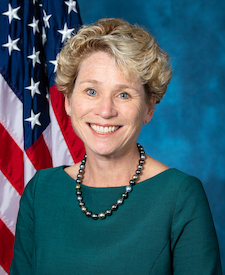
Chrissy Houlahan
Chrissy Houlahan House · District 6
D
Strong +
86% 22
Kim Schrier
Kim Schrier House · District 8
D
Strong +
86% 22
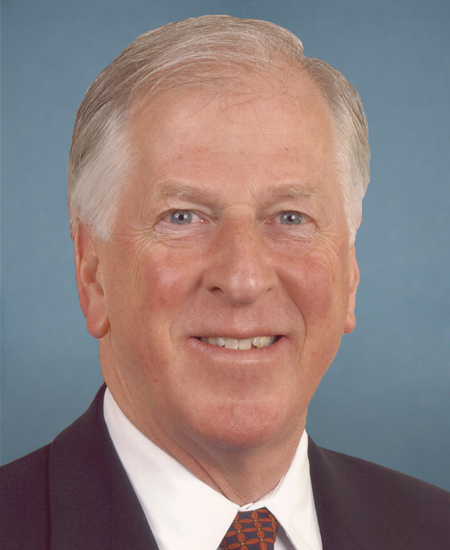
Mike Thompson
Mike Thompson House · District 4
D
Strong +
86% 22
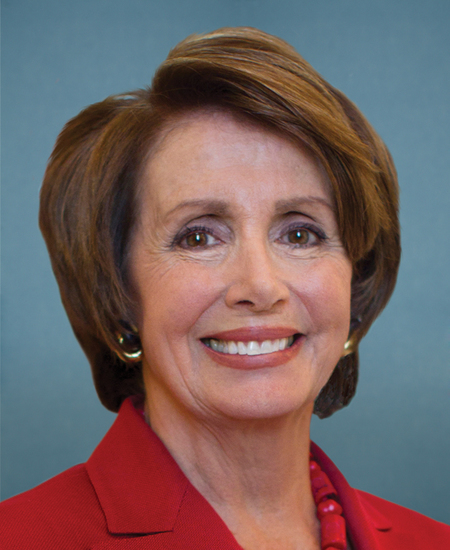
Nancy Pelosi
Nancy Pelosi House · District 11
D
Strong +
86% 22
AA
Alan Armstrong Senate
R
Strong −
14% 28
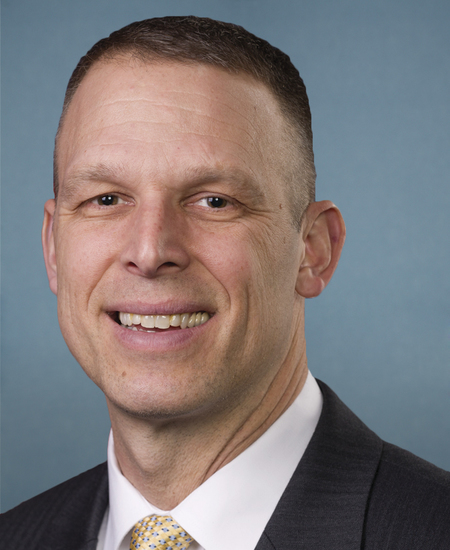
Scott Perry
Scott Perry House · District 10
R
Strong −
14% 21
Rand Paul
Rand Paul Senate
R
Strong −
16% 45
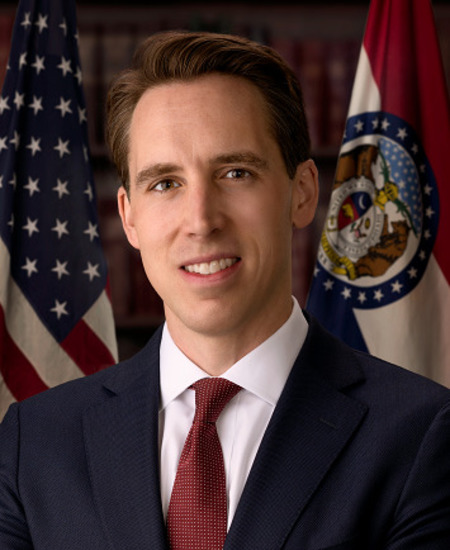
Josh Hawley
Josh Hawley Senate
R
Strong −
18% 44
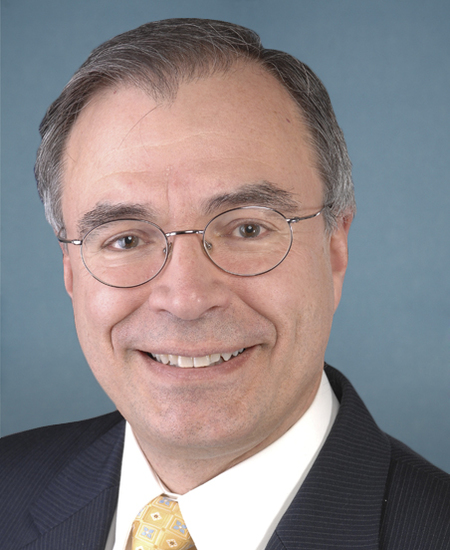
Andy Harris
Andy Harris House · District 1
R
Strong −
18% 22
Showing 1,341–1,350 of 1,647 bills

All technology bills

in committee · United States · House Jun 10, 2025

HR 3875: TERMS Act

HR 3875, the TERMS Act, requires online service providers (like social media platforms or apps requiring user accounts) to clearly explain their rules for suspending or terminating accounts. It mandates that providers publicly disclose their acceptable use policies in plain language, including what actions could lead to account restrictions, how enforcement works, and appeal options. Providers must also give users advance written notice before restricting accounts (with limited exceptions for court orders or immediate safety risks) and publish annual reports detailing how often they enforced their policies. These requirements aim to give users transparency about account decisions and promote competition by making platform rules more understandable.
Sub-Topics Social Media
in committee · United States · Senate Nov 20, 2025

S 3278: SMART Infrastructure Act of 2025

The SMART Infrastructure Act of 2025 requires federal agencies to modernize infrastructure permitting by using 3D digital models (digital twins) and a centralized electronic platform (e-NEPA portal). It directly affects transportation agencies, project developers, and communities involved in federal infrastructure projects, such as roads and bridges under the Department of Transportation. Key provisions mandate that digital twins integrate real-time data for environmental and operational planning, while the e-NEPA portal streamlines document sharing, public access, and interagency coordination. The bill sets a goal to reduce environmental review timelines by at least 25% for eligible projects through these digital tools.
in committee · United States · House Feb 13, 2026

HR 7525: Counter Drone State and Local Defender Act

The Counter Drone State and Local Defender Act (HR 7525) authorizes state, local, tribal, and territorial law enforcement agencies to use approved counter-drone technology to detect, track, and mitigate drone threats at "covered facilities or assets" identified as high-risk by jurisdiction leaders. The bill establishes two pilot programs: a general 3-year program for law enforcement agencies and a special program for security around the 2026 FIFA World Cup, requiring FAA approval of equipment and training. It mandates privacy protections for communications, requires written policies and reporting to Congress about drone mitigation activities, and creates a permanent authorization framework after the pilot programs conclude. The law aims to strengthen security against drone threats while incorporating oversight mechanisms and privacy safeguards for law enforcement operations.
Sub-Topics Emerging Technology
in committee · United States · House Jul 23, 2025

HR 4649: Smart Cities and Communities Act of 2025

The Smart Cities and Communities Act of 2025 aims to help cities and communities across the United States implement smart technologies that improve services, safety, energy efficiency, and resilience. The bill establishes a federal council to coordinate agency efforts, creates a resource guide with best practices for local governments, and provides $100 million annually for demonstration grants to test smart city technologies in various communities. It also creates a cybersecurity working group to develop evaluation tools, a workforce training program focused on smart city technologies, and a voucher program to connect cities with national laboratories. The act requires a study on innovative financing for smart city projects and promotes international cooperation to expand U.S. exports of smart city technologies while ensuring privacy and security standards.
in committee · United States · House Feb 26, 2025

HR 1617: Wireless Resiliency and Flexible Investment Act of 2025

HR 1617, the Wireless Resiliency and Flexible Investment Act of 2025, streamlines approval processes for wireless infrastructure modifications that improve network resilience and public safety. It requires state and local governments to automatically approve eligible requests - such as adding backup power, hardening towers, or replacing equipment - within 60 days if no decision is made, and prohibits them from demanding excessive paperwork beyond publicly listed requirements. The bill directly affects wireless companies seeking minor tower modifications and local governments handling these requests. Key provisions include a strict 60-day approval timeframe, clear rules for "ineligible" denials, and enforcement allowing companies to sue for violations in federal court. It applies only to changes that don’t alter a tower’s physical size, focusing on upgrades that enhance public safety or network reliability.
Sub-Topics Telecommunications
in committee · United States · Senate Feb 5, 2025

S 431: Cyber Conspiracy Modernization Act

This bill amends federal law to explicitly include "conspiracy" as a punishable offense under computer crime statutes (Section 1030 of Title 18). It updates language that previously only covered "attempted" violations to now include "conspiracy to commit" those violations. The change directly affects federal prosecutors and courts handling cybercrime cases, allowing charges for planning or organizing cyberattacks even if the crime wasn't completed. The bill makes no new policy changes but clarifies existing legal standards for prosecuting cybercrime conspiracies.
in committee · United States · House Feb 2, 2026

HR 6874: Roadway Safety Modernization Act of 2025

The Roadway Safety Modernization Act of 2025 requires states to integrate predictive safety tools - like data analytics and telematics - into federal highway safety programs to identify risks, evaluate projects, and improve planning. It directs the Department of Transportation to issue guidelines on data privacy, security, and validating these tools to ensure reliability. The bill also defines "intelligent freight transportation systems" to include technologies that enhance freight safety on highways. These changes apply directly to states administering highway safety funds and federal agencies like the Federal Highway Administration.
in committee · United States · Senate Jun 24, 2025

S 2153: Open App Markets Act

The Open App Markets Act restricts major app store owners (with over 50 million U.S. monthly active users) from forcing developers to use their payment systems or favoring their own apps in search results. It requires these stores to allow users to choose third-party app stores as defaults, install apps from outside the store, and hide preinstalled apps. The law applies to companies controlling both app stores and operating systems (like Apple or Google), with enforcement by the FTC and private lawsuits by affected developers. It prohibits self-preferencing, mandates equal access to app store interfaces, and allows developers to recover triple damages for violations.
in committee · United States · Senate Jun 30, 2025

S 278: Kids Off Social Media Act

S 278, the Kids Off Social Media Act, prohibits social media platforms from allowing children under 13 to create or maintain accounts and requires platforms to delete accounts of children under 13. It also bans the use of personalized recommendation systems for children under 13 and teens aged 13-16, with limited exceptions for basic device information. The bill requires schools receiving certain broadband subsidies to certify they prevent student access to social media on school devices through technology protection measures. Platforms would face enforcement by the Federal Trade Commission for violations, and the bill excludes certain educational platforms from the definition of "social media platform" to allow for educational use. The bill would take effect one year after enactment.
in committee · United States · House Sep 10, 2025

HR 5272: Protect Elections from Deceptive AI Act

HR 5272, the *Protect Elections from Deceptive AI Act*, prohibits the intentional distribution of AI-generated audio or video that falsely represents a federal candidate’s appearance, speech, or conduct in a way that would mislead voters during an election. It directly affects candidates for federal office, political committees, and entities distributing such content with the intent to influence elections or solicit funds. The bill includes key exceptions for news organizations (with clear authenticity disclosures), publications (with explicit statements), and satire. Victims can seek court injunctions or damages for violations, with the burden of proof requiring "clear and convincing evidence." This law aims to prevent AI-generated disinformation from distorting election outcomes.
Showing 1,341 to 1,350 of 1,647 bills