Issue · Technology

Technology

Every technology bill, vote, and legislator stance in United States, automatically classified by Maddy, our AI policy reader.

Total bills
1,661
119th Congress
Top supporter
Ami Bera
86% support rate
Top opponent
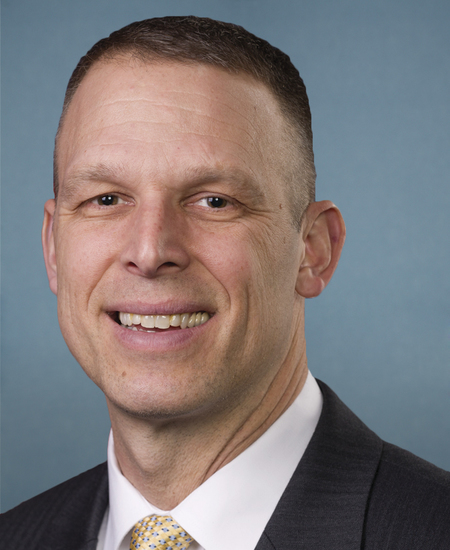
Scott Perry
14% support rate
Ranked legislators
10
5 support · 5 oppose
Key legislators

Who's moving technology in United States

Legislators moving technology in United States
Legislator Party Stance Support rate Decisive votes
Ami Bera
Ami Bera House · District 6
D
Strong +
86% 22
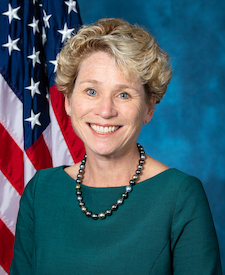
Chrissy Houlahan
Chrissy Houlahan House · District 6
D
Strong +
86% 22
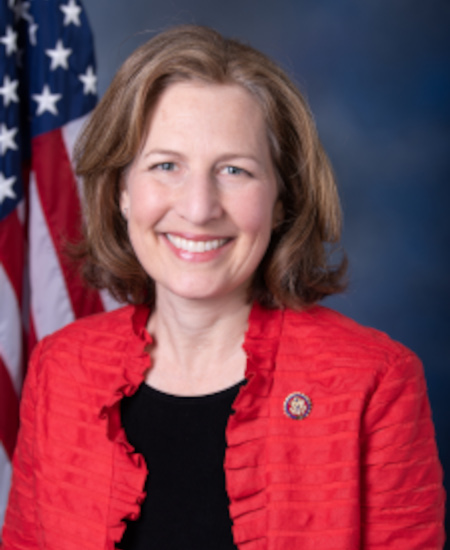
Kim Schrier
Kim Schrier House · District 8
D
Strong +
86% 22
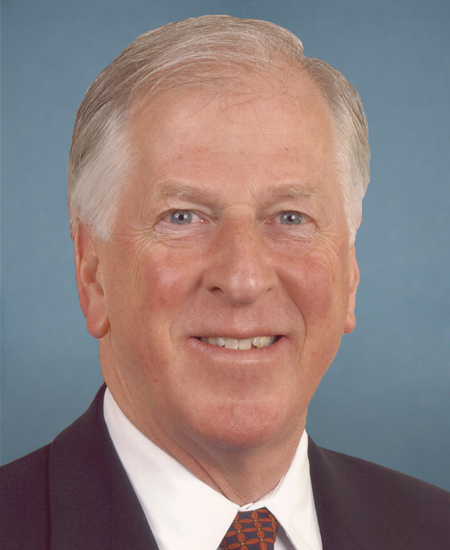
Mike Thompson
Mike Thompson House · District 4
D
Strong +
86% 22
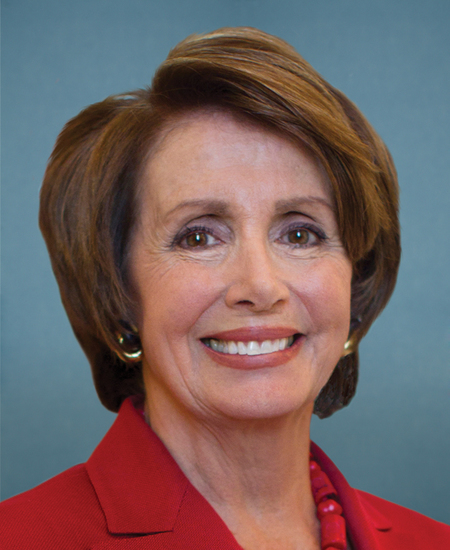
Nancy Pelosi
Nancy Pelosi House · District 11
D
Strong +
86% 22
Scott Perry
Scott Perry House · District 10
R
Strong −
14% 21
AA
Alan Armstrong Senate
R
Strong −
17% 29
Rand Paul
Rand Paul Senate
R
Strong −
17% 46
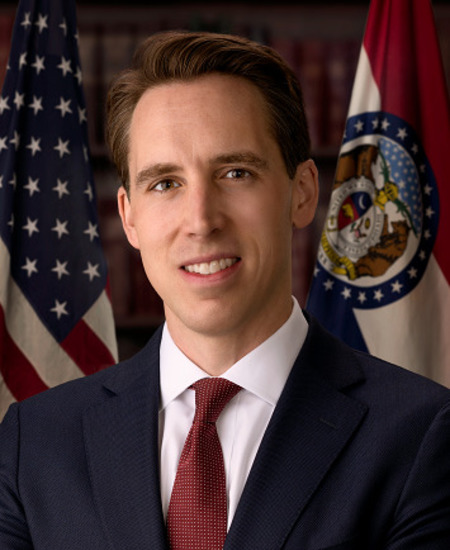
Josh Hawley
Josh Hawley Senate
R
Strong −
18% 45
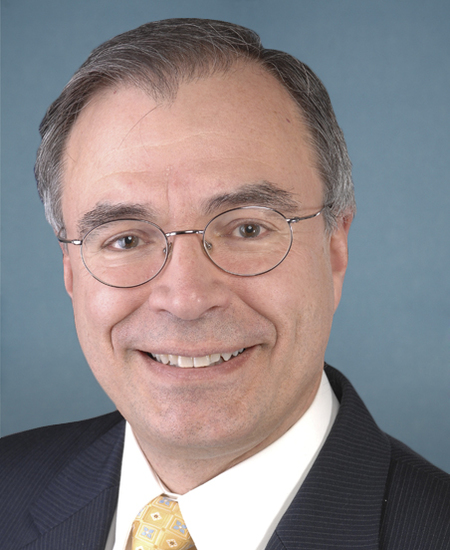
Andy Harris
Andy Harris House · District 1
R
Strong −
18% 22
Showing 1,131–1,140 of 1,661 bills

All technology bills

in committee · United States · House May 15, 2025

HR 3437: Insurance Data Protection Act

HR 3437, the Insurance Data Protection Act, prevents duplicate data collection from insurance companies by requiring federal financial regulators to coordinate with state insurance regulators before gathering data already available through other channels. It reinforces confidentiality by ensuring that sharing nonpublic data with federal regulators does not waive privacy protections under federal or state law, and maintains existing confidentiality agreements. The bill also establishes that data shared with regulators can only be provided to state regulators through new agreements that comply with privacy laws. This directly affects insurance companies (as "covered entities"), federal financial regulators, and state insurance regulators. The key change is creating a formal process to avoid redundant data requests while strengthening data privacy for the insurance industry.
in committee · United States · House Jan 21, 2026

HR 6875: AI OVERWATCH Act

The AI OVERWATCH Act requires U.S. exporters to obtain a license for sending certain high-performance integrated circuits (defined by specific technical specifications like processing power or bandwidth) to countries designated as "concerns," including China, Russia, Iran, and North Korea. Before approving such licenses, the Commerce Department must submit detailed certifications to Congress, including assurances the export won’t support military/intelligence capabilities of the recipient country and won’t harm U.S. semiconductor availability or AI leadership. The bill also creates an exemption for U.S. companies meeting strict security and ownership standards ("trusted United States persons") to export these chips to non-target countries without a license. Additionally, it mandates a national security strategy assessing how such exports affect U.S. AI competitiveness, particularly regarding China’s semiconductor production and capabilities.
in committee · United States · Senate Feb 25, 2026

S 3912: NIDIS Reauthorization Act of 2026

The NIDIS Reauthorization Act of 2026 reauthorizes the National Integrated Drought Information System (NIDIS) through 2030, increasing annual funding from $15 million (2026) to $17 million (2030). It updates NIDIS's mandate to prioritize AI and machine learning for drought forecasting, incorporate flash drought research, address data gaps (like snowpack and groundwater monitoring), and improve coordination with state and federal agencies. The bill directly affects federal agencies (NOAA, National Weather Service) and state/local entities that use drought data for water management and emergency planning. Key provisions require enhanced drought prediction tools, expanded observational networks, and better decision-support products for communities facing drought risks.
passed · United States · House Mar 25, 2025

HR 1326: DOE and USDA Interagency Research Act

HR 1326, the DOE and USDA Interagency Research Act, requires the Energy and Agriculture Secretaries to jointly conduct collaborative research focused on shared priorities like sustainable energy, agriculture, and climate resilience. It mandates a competitive grant process for federal agencies, universities, and nonprofits to fund projects in areas such as AI for farming/energy systems, biofuels, grid security, and rural technology development. The bill also requires a report to Congress within two years detailing research coordination, achievements, and future collaboration opportunities. This legislation directly affects federal agencies, research institutions, and agricultural/energy sectors through new funding mechanisms and joint projects, without altering existing regulations or creating new mandates for the public.
Sub-Topics Electric Grid Climate Change Forestry Artificial Intelligence Tags Agriculture Rural Communities
in committee · United States · Senate Feb 9, 2026

S 2544: GUARD Act

The GUARD Act allows state, local, and tribal law enforcement agencies to use existing federal grant funds to investigate elder financial fraud (targeting elderly or disabled individuals), "pig butchering" scams (where victims are tricked into investing in fake crypto schemes), and general financial fraud. It requires agencies to hire specialized staff, use technology tools for tracking scams, and report annually on how funds were used and their impact on fraud statistics. The bill also mandates two key federal reports: one to Congress on scam trends and enforcement actions, and another detailing annual consumer losses and government spending on fraud prevention. These provisions aim to improve coordination between law enforcement, financial institutions, and federal agencies to combat evolving fraud schemes.
Sub-Topics Law Enforcement
in committee · United States · Senate Sep 18, 2025

S 2888: SPACEPORT Act

This bill establishes federal grants to support state and local governments building spaceport infrastructure for civil, national security, and commercial space launches. It sets a 90% federal funding cap for projects (with a national interest waiver option), broadens eligibility to cover all U.S. space transportation needs, and requires agencies to consult on project impacts. The bill mandates a report within two years evaluating U.S. space transportation demand and competitiveness, with updates every four years. It authorizes $10 million annually for these grants, focusing on modernizing infrastructure to support national space capabilities.
in committee · United States · Senate Jul 29, 2025

S 2522: Cell-Site Simulator Warrant Act of 2025

The Cell-Site Simulator Warrant Act of 2025 requires law enforcement agencies to obtain a court-issued warrant before using cell-site simulators (devices that mimic cell towers to track or intercept phone communications), with specific requirements to limit surveillance scope. Agencies must demonstrate other investigative methods have failed or would be too dangerous, specify the narrowest possible area and time frame for use, and disclose potential disruptions to emergency services like 911 calls. Exceptions exist for emergencies (requiring 48-hour warrant applications), certain research, and protective services, but information about people not under investigation must be minimized and destroyed. The bill also mandates annual reports to Congress on usage patterns and requires third-party testing of devices to verify accuracy before deployment.
Sub-Topics Courts Law Enforcement
in committee · United States · House May 23, 2025

HR 3587: Investing in Digital Skills Act

This bill amends the Workforce Innovation and Opportunity Act (WIOA) to prioritize digital literacy skills in adult education programs. It defines "digital literacy skills" using existing federal standards and requires WIOA-funded programs to integrate these skills into their services for adults seeking employment, economic self-sufficiency, or community participation. Key provisions mandate that programs must now include training in digital technology use, problem-solving with digital tools, and parental support for children's learning through digital skills. The bill directly affects adult education and workforce programs serving low-income adults, job seekers, and parents across all states.
in committee · United States · House Apr 9, 2025

HR 2794: NO FAKES Act of 2025

The NO FAKES Act of 2025 establishes legal rights for individuals to control how their voice and visual likeness are used in digital replicas, which are defined as highly realistic computer-generated representations readily identifiable as a specific person. The bill requires authorization from the individual or their designated right holder before using their likeness in digital replicas, with specific rules for minors (limiting licenses to 5 years) and post-mortem rights (allowing 10 years of protection with possible 5-year renewals). It creates civil liability for unauthorized use of digital replicas or for distributing products/services designed to create such replicas without authorization, with penalties ranging from $5,000 to $750,000 per violation depending on the entity involved. Online services are provided safe harbor protections if they follow procedures for handling takedown notices and have designated agents for copyright issues, while also including exemptions for news, commentary, criticism, and historical uses. The law preempts most state laws regarding digital likeness rights but has exceptions for certain historical uses, news, and sexually explicit content.
in committee · United States · House Jul 14, 2025

HR 4374: American Homeowner Crypto Modernization Act of 2025

HR 4374, the American Homeowner Crypto Modernization Act of 2025, requires federal housing agencies (HUD, USDA, VA, and FHFA) to update mortgage underwriting systems within 24 months to mandate that lenders consider the value of cryptocurrency held in exchange-linked brokerage accounts when evaluating borrower credit. This directly affects homeowners and borrowers seeking mortgages who hold digital assets, as their crypto holdings would now be included in credit assessments. The key mechanism is amending automated underwriting programs to treat cryptocurrency in brokerage accounts similarly to traditional financial assets during loan approval. The bill focuses on updating existing mortgage evaluation processes, not regulating cryptocurrency itself.
Sub-Topics Emerging Technology
Showing 1,131 to 1,140 of 1,661 bills