Issue · Labor & Employment

Labor & Employment (Labor Standards)

Every labor & employment bill, vote, and legislator stance in United States, automatically classified by Maddy, our AI policy reader.

Total bills
38
119th Congress
Top supporter
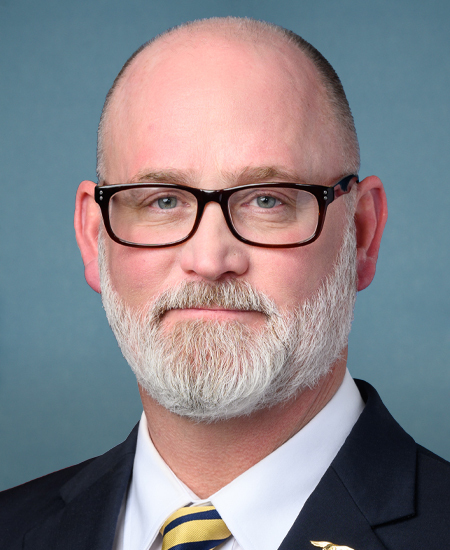
Derrick Van Orden
100% support rate
Top opponent
Julie Fedorchak
33% support rate
Ranked legislators
10
5 support · 5 oppose
Key legislators

Who's moving labor standards in United States

Legislators moving labor standards in United States
Legislator Party Stance Support rate Votes
Derrick Van Orden
Derrick Van Orden House · District 3
R
Strong +
100% 3
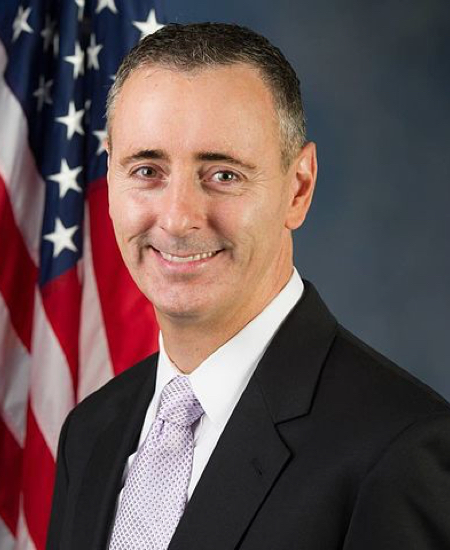
Brian K. Fitzpatrick
Brian K. Fitzpatrick House · District 1
R
Strong +
86% 7
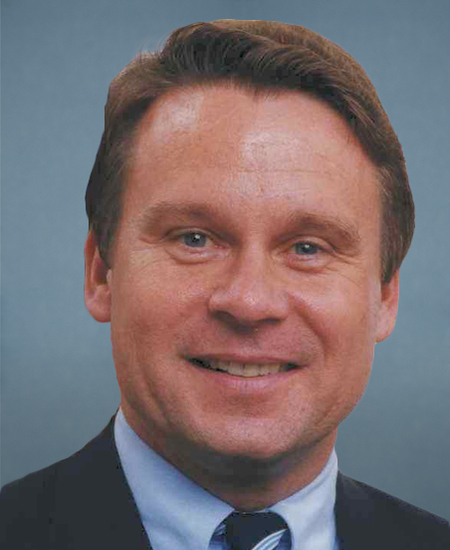
Christopher H. Smith
Christopher H. Smith House · District 4
R
Strong +
86% 7
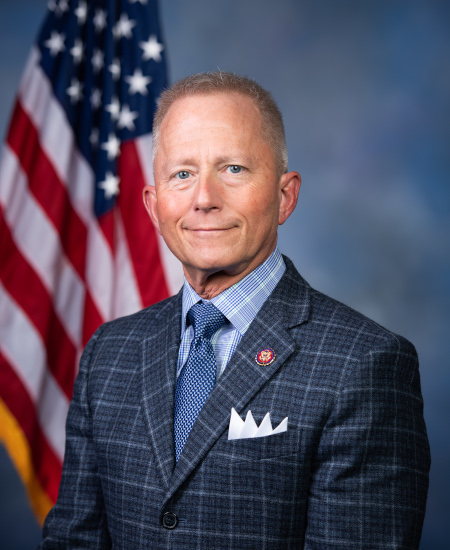
Jefferson Van Drew
Jefferson Van Drew House · District 2
R
Strong +
86% 7
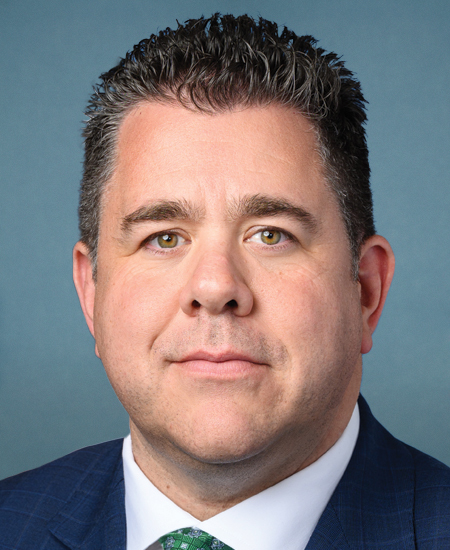
Nick LaLota
Nick LaLota House · District 1
R
Strong +
86% 7
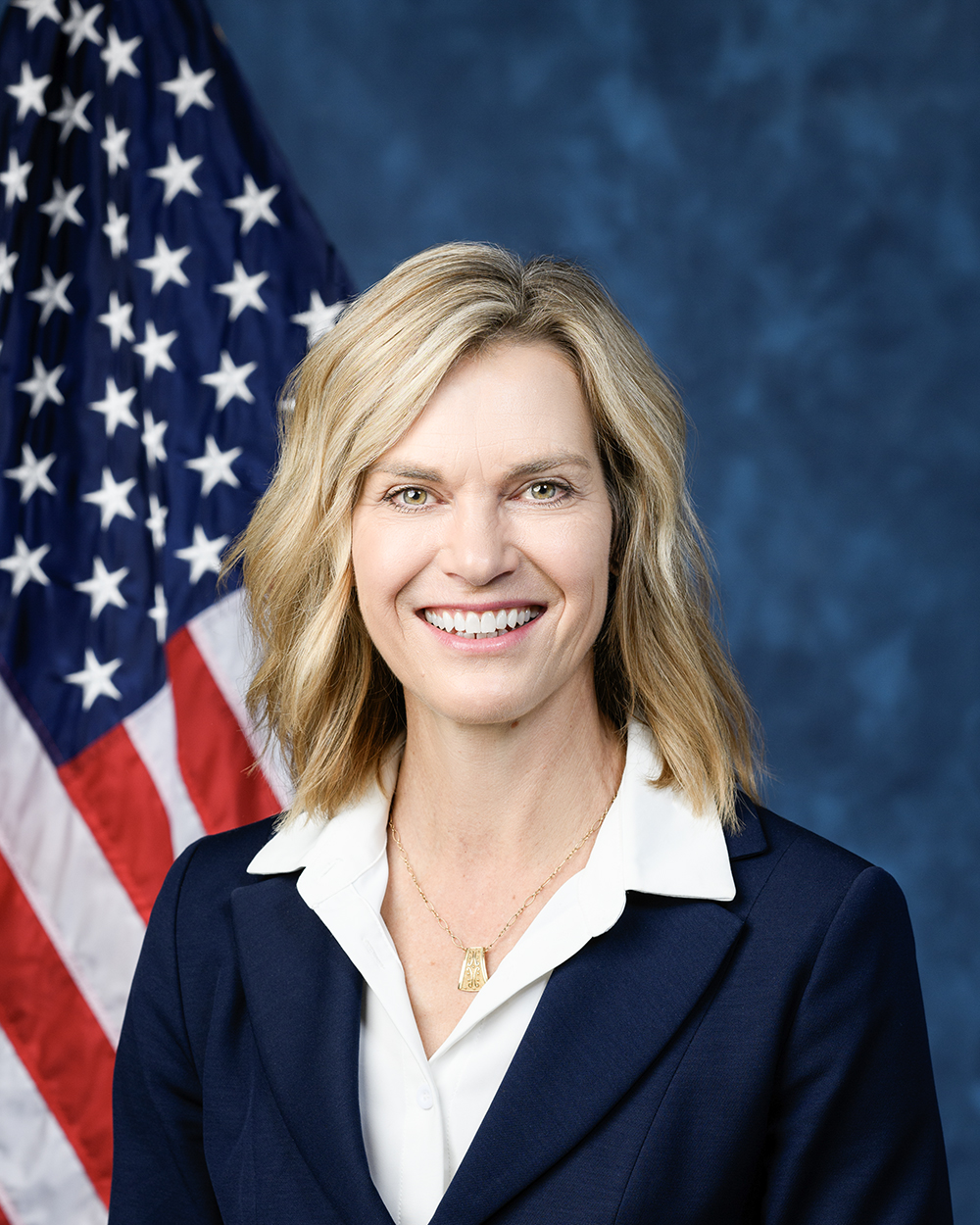
Julie Fedorchak
Julie Fedorchak House · District At-Large
R
Oppose
33% 6
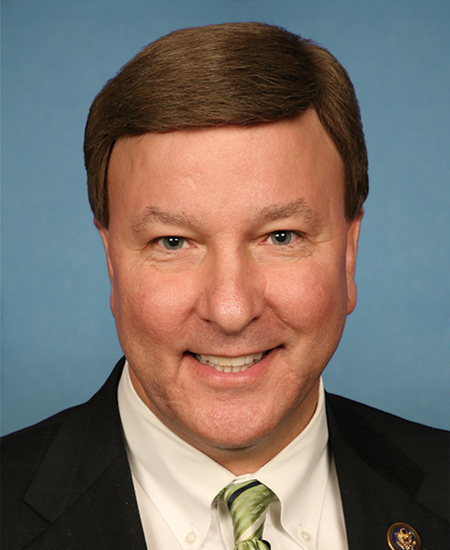
Mike Rogers
Mike Rogers House · District 3
R
Oppose
33% 6
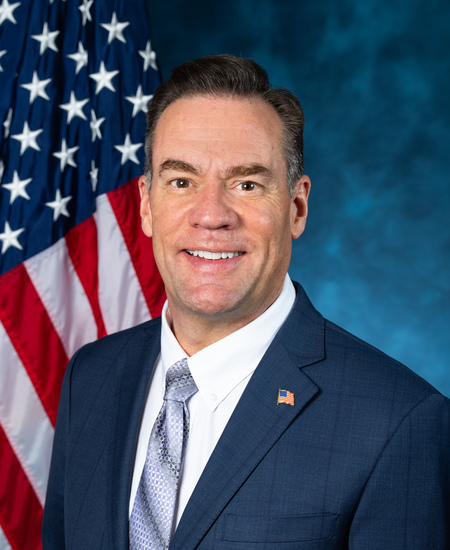
Russ Fulcher
Russ Fulcher House · District 1
R
Oppose
33% 6
Gregory F. Murphy
Gregory F. Murphy House · District 3
R
Oppose
33% 3
Wesley Hunt
Wesley Hunt House · District 38
R
Oppose
33% 3
Showing 11–20 of 38 bills

All labor & employment bills

in committee · United States · Senate Mar 19, 2026

S 3525: American Franchise Act

This bill clarifies when franchisors can be held legally responsible for franchisee employees' pay and working conditions under federal labor laws. It specifies that franchisors are only joint employers if they exercise "substantial direct and immediate control" over essential employment terms like wages, hours, hiring, or discipline - excluding routine brand standards or training. The law explicitly states that franchisors do not become joint employers for actions like setting operating hours, minimum staffing levels, or offering brand guidelines. This directly affects franchisors, franchisees, and their employees by reducing legal uncertainty in the $825 billion franchise sector.
in committee · United States · Senate Nov 6, 2025

S 3117: Worker RESULTS Act

The Worker RESULTS Act (S 3117) amends the National Labor Relations Act to change how union representation elections work. It creates a 90-day "decertification window" allowing workers to challenge a union if bargaining stalls for 60 days after the union is certified, and requires secret ballot elections for union representation. The bill also establishes a 2-year window (150 days before and 60 days after contract expiration) for new union elections, and prohibits the NLRB from blocking elections due to unfair labor practice charges. These changes directly affect unions, employers, and workers involved in collective bargaining processes.
in committee · United States · House Sep 8, 2026

HR 3495: Direct Seller and Real Estate Agent Harmonization Act

This bill amends the Fair Labor Standards Act to clarify that direct sellers and qualified real estate agents (as defined under IRS rules) are not considered "employees" under federal labor law. It directly affects these workers by excluding them from FLSA protections like minimum wage and overtime pay. The key provision inserts a new definition into the law, changing how these professions are classified for labor rights purposes. This is a technical definitional change, not a new policy or program.
in committee · United States · House Apr 17, 2025

HR 2952: SALT Act

The SALT Act (HR 2952) requires labor unions and labor relations consultants to report payments or agreements related to influencing employee organizing efforts. It directly affects unions making payments to employees or groups to persuade others about union organizing, as well as consultants hired for organizing-related activities. Key provisions mandate detailed annual reports to the Labor Department, including the amount, date, recipient's details, and full explanation of each payment or agreement. These reports must cover all payments intended to affect employees' rights to organize or bargain collectively, excluding information used solely in legal proceedings.
in committee · United States · House Jan 3, 2025

HR 100: Protect the Gig Economy Act of 2025

This bill amends federal court rules to prevent class action lawsuits claiming gig workers were wrongly classified as independent contractors. It adds a new requirement to Rule 23(a) of the Federal Rules of Civil Procedure, blocking such cases from proceeding if they allege misclassification. The change directly affects gig economy companies (like ride-share or food-delivery apps) facing worker classification lawsuits and limits workers' ability to pursue these claims collectively. This is a procedural change to the legal process, not a new classification standard for workers.
in committee · United States · House Jan 3, 2025

HR 85: Small Business Flexibility Act

The Small Business Flexibility Act (HR 85) amends the Fair Labor Standards Act to change tip pooling rules. It allows tip pools to include two types of employees: (1) those who customarily and regularly receive tips, and (2) a new category defined as employees who both customarily and regularly receive tips (while being paid at least the minimum wage) and do not customarily and regularly receive tips. This change aims to give small businesses more flexibility in managing tip distributions. The bill specifically targets how tips can be shared among staff, affecting restaurants and similar businesses where tipping is common.
Sub-Topics Gig Economy Labor Standards Minimum Wage Tags Small Business
in committee · United States · House Mar 24, 2025

HR 2304: Ensuring Access to Affordable and Quality Home Care for Seniors and People with Disabilities Act

This bill clarifies and preserves existing labor law exemptions for home care workers under the Fair Labor Standards Act. It specifically defines "companionship services" to include non-medical in-home care (like bathing, meal prep, and medication reminders) and ensures these services remain exempt from overtime pay requirements, even when provided through third-party agencies. The bill directly affects home care aides, agencies employing them, and the seniors/disabled individuals receiving care. It does not create new benefits or funding but maintains current labor exemptions for this workforce.
in committee · United States · House May 19, 2025

HR 3499: Outdoor Recreational Outfitting and Guiding Act

This bill amends the Fair Labor Standards Act to exempt certain employees in the outdoor recreation industry from overtime pay requirements. It specifically applies to employees primarily engaged in outdoor recreational outfitting (like equipment rentals) or guiding services, but only if their business meets one of two seasonal criteria: operating for fewer than seven months annually, or having average receipts for six months that don't exceed 33 1/3% of receipts during the other six months. The exemption applies to wages and overtime compensation for workweeks starting after the bill's enactment date. This change directly affects small seasonal outdoor recreation businesses and their employees who meet the specified operational thresholds.
in committee · United States · House Feb 26, 2026

HR 7739: Rural Emergency Response Support Act

HR 7739, the Rural Emergency Response Support Act, amends the Fair Labor Standards Act to exempt rural employers of emergency medical technicians (EMTs) and paramedics from standard overtime requirements. It specifically applies to public agencies (like counties or towns) with fewer than 100,000 residents and private entities contracted by them. The key provision removes these employers from FLSA overtime violations when employing EMTs or paramedics, easing compliance for small rural emergency response teams. This directly affects rural EMS providers in smaller communities by allowing flexibility in scheduling without triggering overtime pay obligations under current law.
Sub-Topics Labor Standards Tags Public Safety
in committee · United States · House May 21, 2025

HR 3545: TEENS Act

The TEENS Act amends child labor rules to allow teenagers working during school sessions to work up to 24 hours per week, with specific time restrictions. It directly affects teen workers in part-time jobs, setting a maximum weekly hour limit and requiring work to start no earlier than 7:00 a.m. and end no later than 9:00 p.m. in their local time zone. These provisions prevent employers from being deemed in violation of "oppressive child labor" rules under the Fair Labor Standards Act when following these limits. The bill creates a clear, time-bound framework for teen work hours during school terms.
Showing 11 to 20 of 38 bills
Previous 1 2 3 4 Next