Issue · Labor & Employment

Labor & Employment (Labor Standards)

Every labor & employment bill, vote, and legislator stance in United States, automatically classified by Maddy, our AI policy reader.

Total bills
264
119th Congress
Top supporter
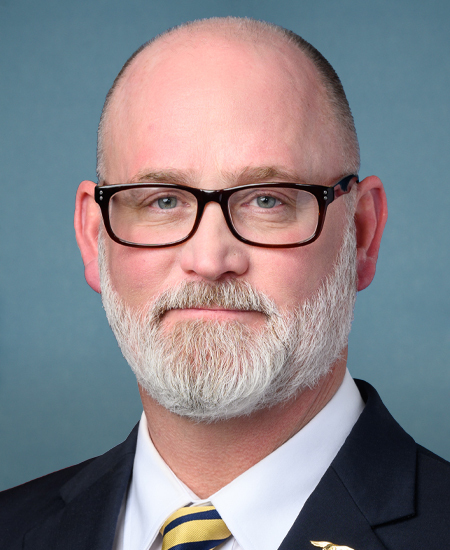
Derrick Van Orden
100% support rate
Top opponent
Julie Fedorchak
33% support rate
Ranked legislators
10
5 support · 5 oppose
Key legislators

Who's moving labor standards in United States

Legislators moving labor standards in United States
Legislator Party Stance Support rate Decisive votes
Derrick Van Orden
Derrick Van Orden House · District 3
R
Strong +
100% 3
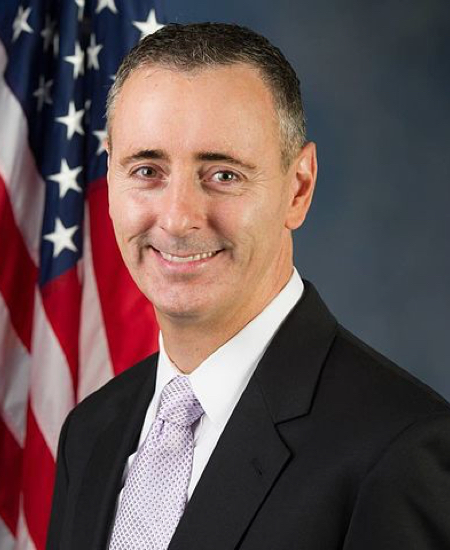
Brian K. Fitzpatrick
Brian K. Fitzpatrick House · District 1
R
Strong +
86% 7
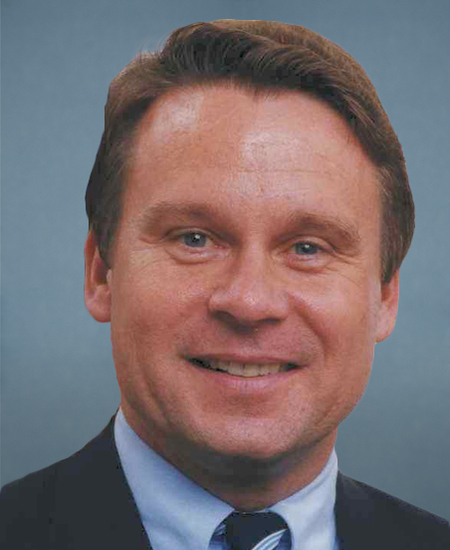
Christopher H. Smith
Christopher H. Smith House · District 4
R
Strong +
86% 7
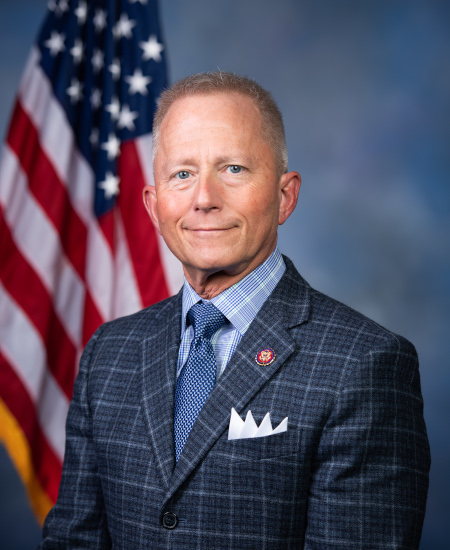
Jefferson Van Drew
Jefferson Van Drew House · District 2
R
Strong +
86% 7
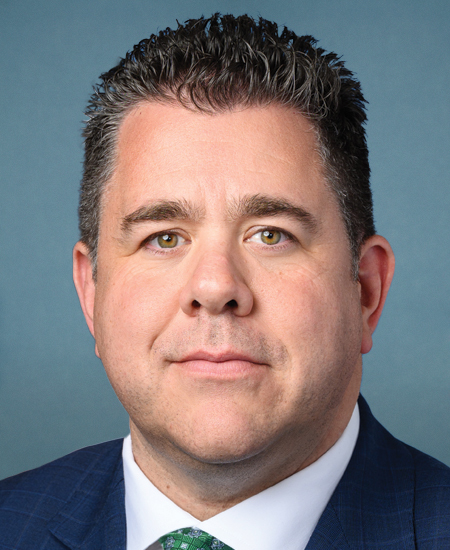
Nick LaLota
Nick LaLota House · District 1
R
Strong +
86% 7
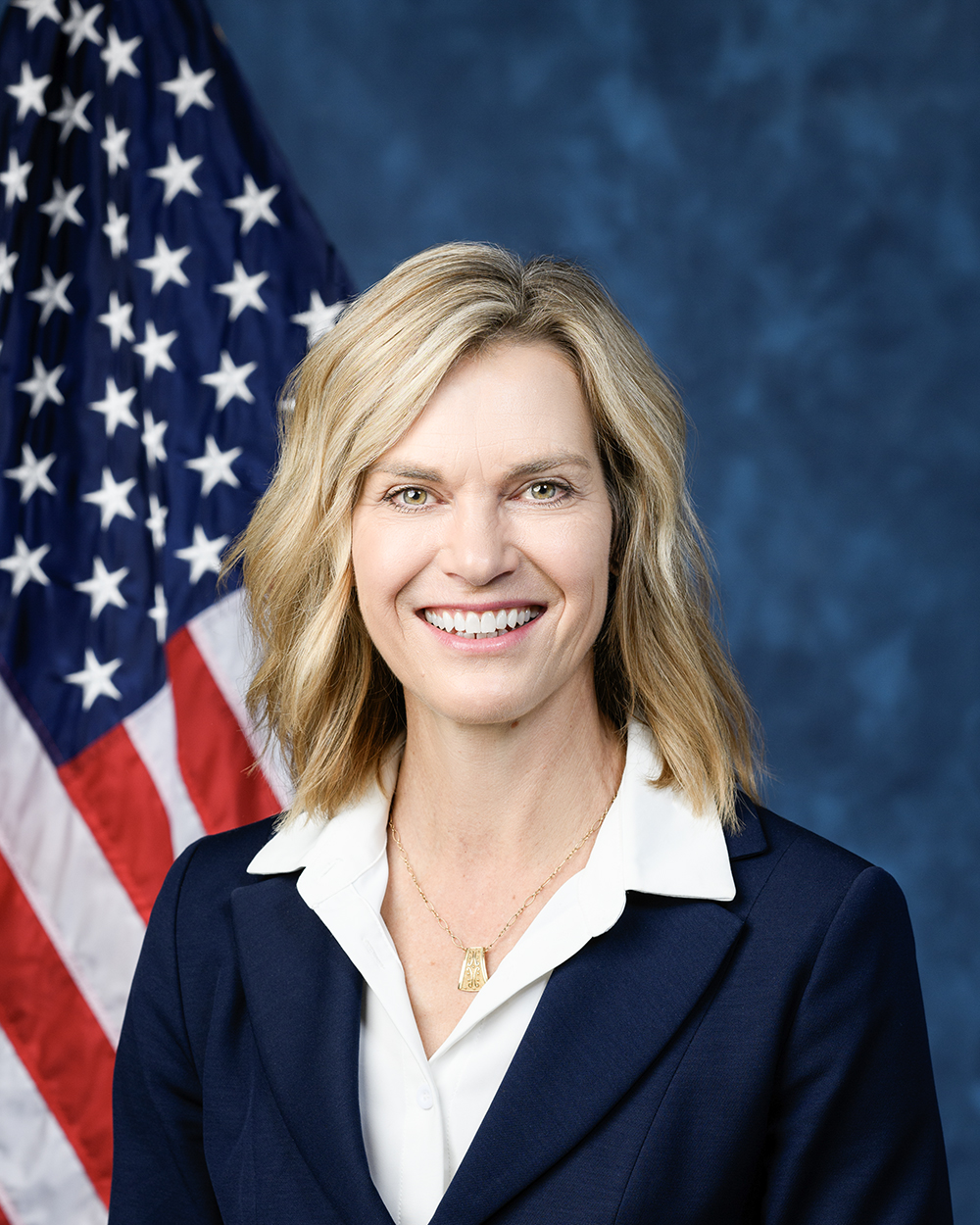
Julie Fedorchak
Julie Fedorchak House · District At-Large
R
Oppose
33% 6
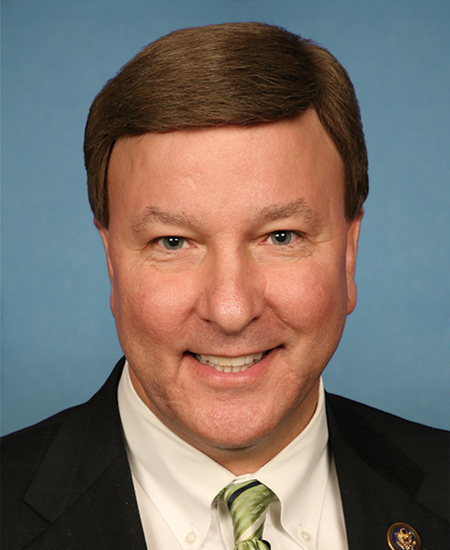
Mike Rogers
Mike Rogers House · District 3
R
Oppose
33% 6
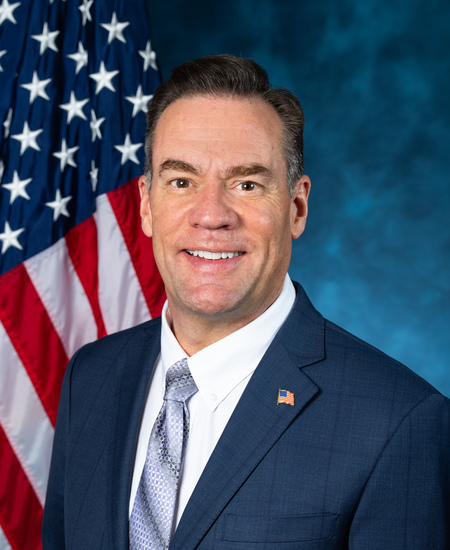
Russ Fulcher
Russ Fulcher House · District 1
R
Oppose
33% 6
Gregory F. Murphy
Gregory F. Murphy House · District 3
R
Oppose
33% 3
Wesley Hunt
Wesley Hunt House · District 38
R
Oppose
33% 3
Showing 181–190 of 264 bills

All labor & employment bills

passed · United States · House Dec 15, 2025

HR 2550: Protect America's Workforce Act

The Protect America's Workforce Act cancels an executive order issued on March 27, 2025, that excluded certain groups from federal labor-management relations programs, making it legally unenforceable. It also ensures that all collective bargaining agreements between federal agencies and labor unions, which were active as of March 26, 2025, remain fully effective until their agreed terms expire. This directly affects federal agencies, labor unions, and the employees covered by these agreements. The bill prevents federal funds from being used to implement the canceled executive order while preserving existing labor agreements.
in committee · United States · House May 21, 2025

HR 3532: Striking and Locked Out Workers Healthcare Protection Act

HR 3532, the Striking and Locked Out Workers Healthcare Protection Act, prohibits employers from terminating or altering an employee’s employer-sponsored health coverage during a lawful strike or a lockout (when an employer withholds work to influence bargaining). It directly affects workers participating in strikes or facing lockouts, ensuring continued healthcare access during these labor disputes. The bill adds penalties: $75,000 per violation for lockout-related coverage termination (up to $150,000 for repeat offenses), and $50,000 per violation for strike-related termination (up to $100,000 for repeat offenses), with penalties applied alongside other remedies. These provisions amend the National Labor Relations Act to protect workers’ healthcare rights during collective bargaining actions.
in committee · United States · Senate Jan 23, 2025

S 235: Apprenticeship Pathways Act of 2025

The Apprenticeship Pathways Act of 2025 funds business groups and nonprofits (called "industry intermediaries") to create apprenticeship programs for secondary students and disconnected youth (ages 16-25 not in school or work). It prioritizes high-poverty schools, rural communities, and underrepresented groups like women in construction and people with disabilities. Key provisions include using federal funds to cover 50% of apprentice wages, provide wraparound support (childcare, tutoring, transportation), and develop training in high-demand fields like plumbing, healthcare, and technology. The bill directs these intermediaries to partner with schools and employers to build pathways into skilled trades and STEM careers.
in committee · United States · Senate Apr 8, 2025

S 1348: Fairness for Stay-at-Home Parents Act

This bill amends the Family and Medical Leave Act (FMLA) to explicitly include the birth of a child as a qualifying reason for leave, directly affecting employees taking leave for childbirth. It adds "the birth of a son or daughter" to the list of covered events under FMLA and requires employers to notify eligible employees that they cannot recover health insurance premiums paid during leave if the employee does not return after childbirth leave. The key change prevents employers from charging employees for health coverage costs if they choose not to return to work following a birth-related leave. This update clarifies existing FMLA protections without altering leave duration or pay.
in committee · United States · House May 29, 2025

HR 3662: Labor Income Fairness and Transparency Act

The Labor Income Fairness and Transparency Act (HR 3662) increases the federal minimum wage to $10.25 per hour after one year, $13.75 after two years, and $17.00 after three years, with future increases tied to median wage growth. It eliminates subminimum wage rates for youth workers (previously allowed for first 90 days), student-learners, and special certificate programs, requiring all workers to receive the standard minimum wage. The bill also increases minimum wage rates for tipped employees and raises civil penalties for wage law violations from $1,100 to $2,200. It establishes a National Advisory Committee on the Hospitality Industry to advise on worker issues in that sector and makes temporary Earned Income Tax Credit improvements permanent. This legislation directly affects all covered workers and employers across the United States who must comply with federal wage laws.
in committee · United States · House Apr 8, 2025

HR 2732: Fairness for Stay-at-Home Parents Act

This bill amends the Family and Medical Leave Act (FMLA) to explicitly include "the birth of a son or daughter" as a qualifying reason for leave. It directly affects employees taking leave for childbirth, ensuring they cannot be penalized for not returning to work after such leave. The key provision requires employers to notify eligible employees that they cannot recover health insurance premiums paid during the leave if the employee does not return due to the birth. This change clarifies protections for parents using FMLA for childbirth-related leave.
in committee · United States · Senate Feb 12, 2026

S 3869: Healthy Families Act

The Healthy Families Act would require most private employers and certain government entities to provide employees with earned paid sick time, allowing workers to take up to 56 hours per year for their own health needs, caring for family members, or addressing domestic violence, sexual assault, or stalking. Employees would earn 1 hour of paid sick time for every 30 hours worked, with the ability to use it for medical appointments, caring for family members with health needs, or seeking safety from violence. The bill prohibits employers from retaliating against workers who use this time and requires employers to post clear notices about the policy. It applies to most private employers, with specific provisions for government entities like the Library of Congress and Government Accountability Office.
in committee · United States · House Nov 17, 2025

HR 6066: CARE Act of 2025

HR 6066, the CARE Act of 2025, strengthens child labor protections for children working in agriculture. It raises the minimum age for non-family farm work from 14 to 16 years, eliminates existing exemptions for hand-harvest labor, and prohibits children under 18 from handling pesticides. The bill increases civil penalties for violations (up to $60,115 for serious harm/death) and imposes new employer reporting requirements for child injuries, illnesses, or deaths in farm work. It also mandates annual reports to Congress on child farmworker injuries, using data from labor and health agencies.
in committee · United States · Senate Dec 17, 2025

S 3547: Part-Time Worker Bill of Rights Act

The Part-Time Worker Bill of Rights Act would expand benefits for part-time workers by reducing the eligibility requirement for family and medical leave from 12 months of employment to just 90 days. It prohibits discrimination against part-time employees based on their work hours and requires employers to offer preferred work schedules to existing part-time employees before hiring new staff or using contractors. The bill mandates that employers compensate part-time workers for hours they could not schedule due to new hires, and establishes enforcement mechanisms through the Department of Labor. This legislation directly affects part-time workers and employers with more than 15 employees across various sectors, including government agencies.
in committee · United States · Senate Jun 10, 2025

S 2013: Higher Wages for American Workers Act of 2025

This bill raises the federal minimum wage to $15 per hour, effective January 1 of the first year after enactment. It then automatically adjusts the minimum wage annually on January 1 based on the previous year's inflation rate (using the Consumer Price Index for Urban Wage Earners), rounding to the nearest $0.05. The policy directly affects most hourly workers covered under the Fair Labor Standards Act, including those in retail, hospitality, and other service sectors. The changes take effect on the first January 1 following the bill's enactment date.
Showing 181 to 190 of 264 bills
Previous 1 … 18 19 20 … 27 Next