Issue · Labor & Employment

Labor & Employment

Every labor & employment bill, vote, and legislator stance in United States, automatically classified by Maddy, our AI policy reader.

Total bills
1,543
119th Congress
Top supporter
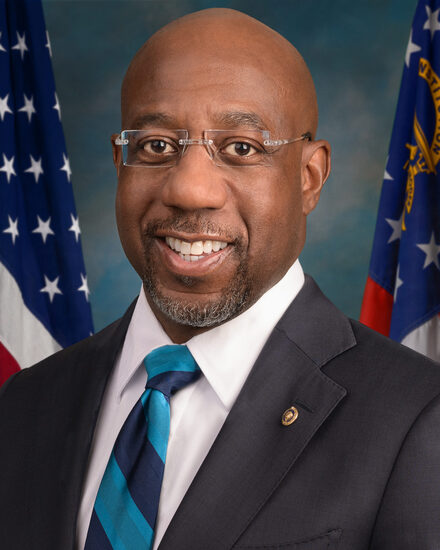
Raphael G. Warnock
100% support rate
Top opponent
Eric Burlison
31% support rate
Ranked legislators
10
5 support · 5 oppose
Key legislators

Who's moving labor & employment in United States

Legislators moving labor & employment in United States
Legislator Party Stance Support rate Votes
Raphael G. Warnock
Raphael G. Warnock Senate
D
Strong +
100% 211
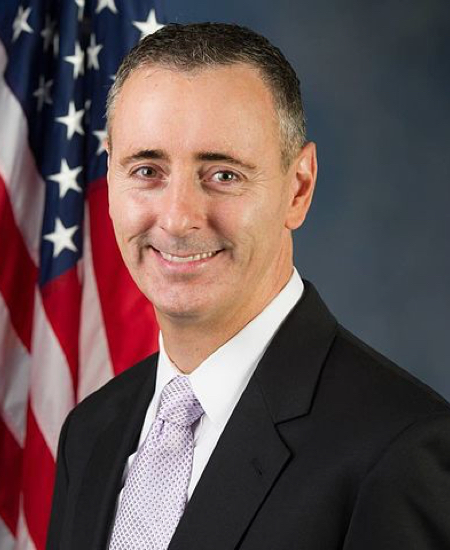
Brian K. Fitzpatrick
Brian K. Fitzpatrick House · District 1
R
Strong +
92% 194
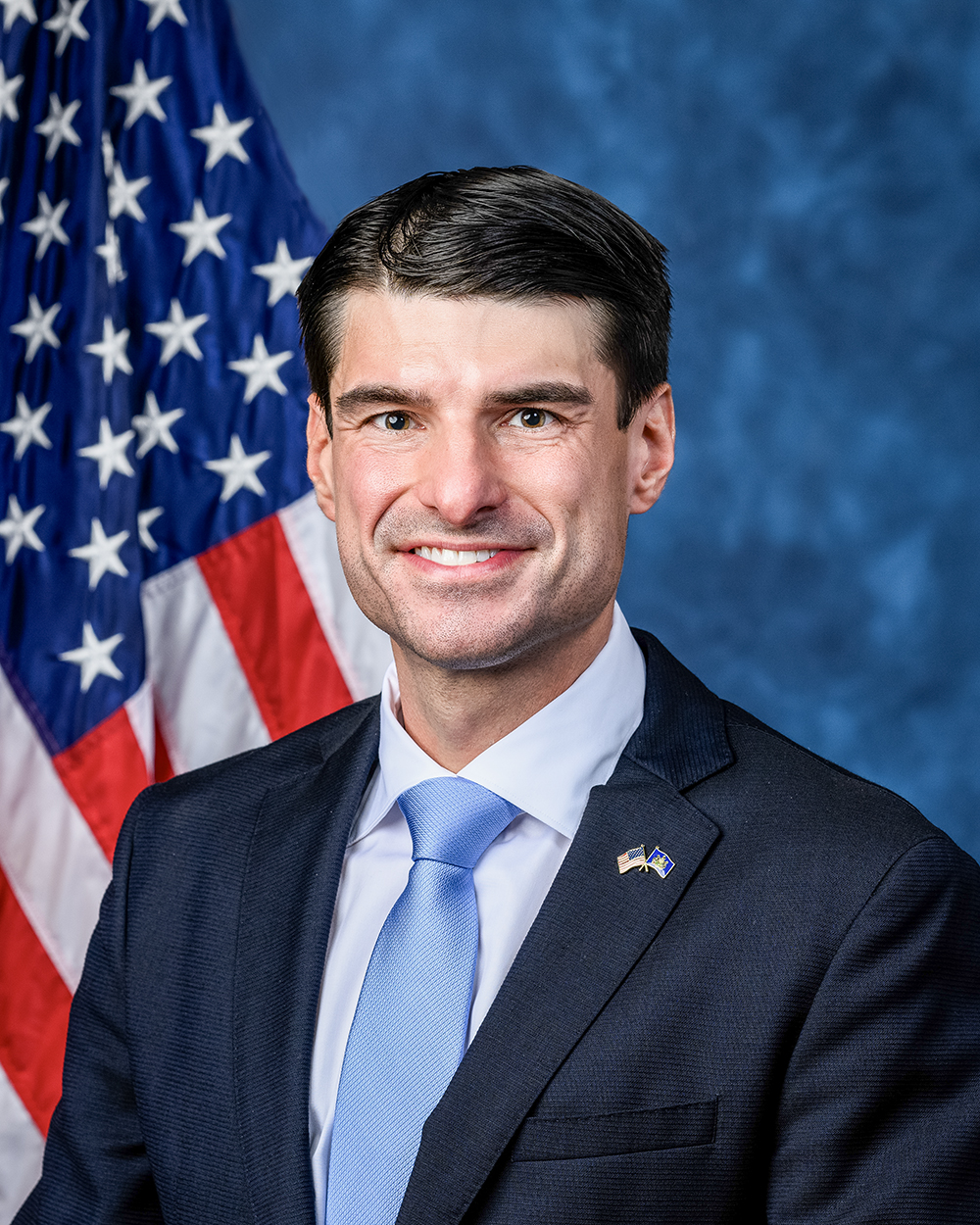
Robert P. Bresnahan, Jr.
Robert P. Bresnahan, Jr. House · District 8
R
Strong +
92% 197
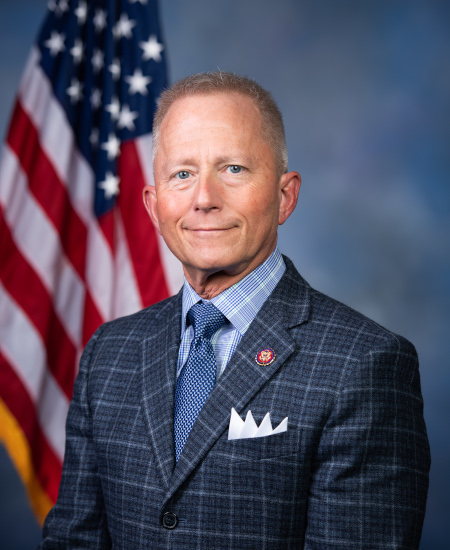
Jefferson Van Drew
Jefferson Van Drew House · District 2
R
Strong +
92% 197
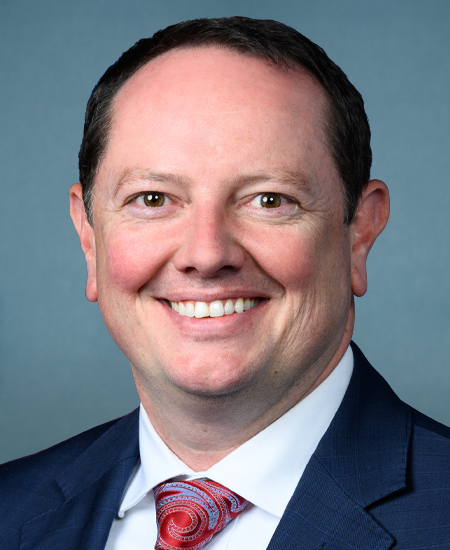
Nick LaLota
Nick LaLota House · District 1
R
Strong +
92% 195
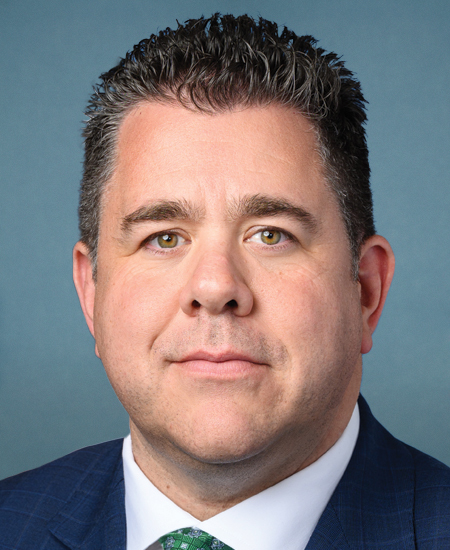
Eric Burlison
Eric Burlison House · District 7
R
Oppose
31% 197
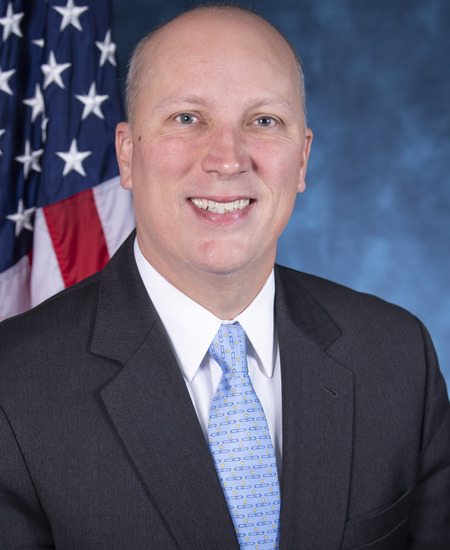
Chip Roy
Chip Roy House · District 21
R
Oppose
31% 190
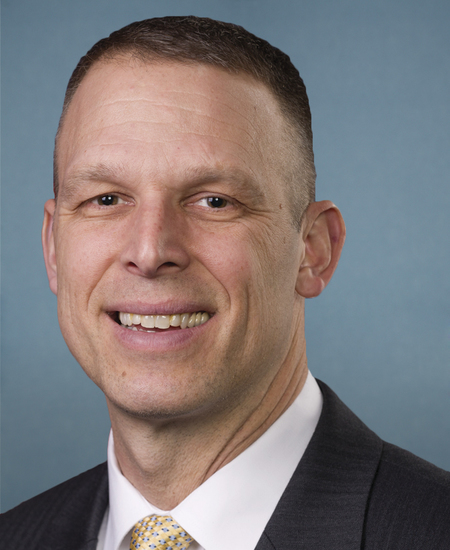
Scott Perry
Scott Perry House · District 10
R
Oppose
31% 194
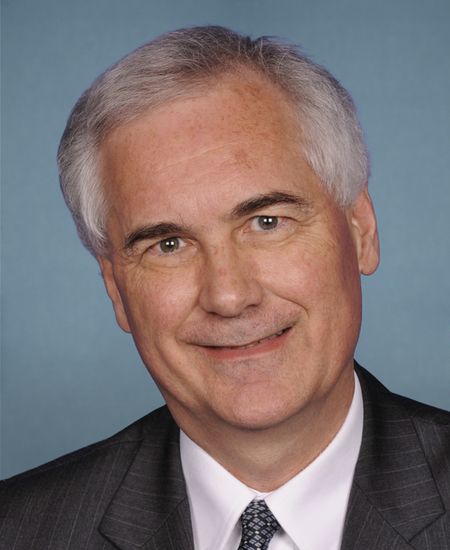
Tom McClintock
Tom McClintock House · District 5
R
Oppose
31% 190
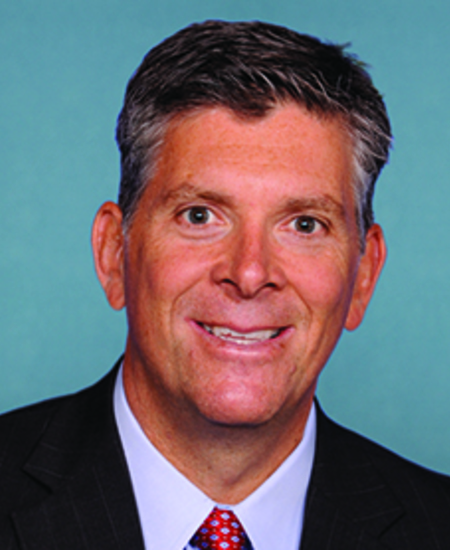
Darin LaHood
Darin LaHood House · District 16
R
Oppose
33% 175
Showing 131–140 of 1,543 bills

All labor & employment bills

passed · United States · Senate Jun 24, 2026

SRES 794: A resolution expressing support for the designation of July 10, 2026, as Journeyman Lineworkers Recognition Day.

This resolution expresses support for designating July 10, 2026, as Journeyman Lineworkers Recognition Day to honor the workers who maintain the nation's electricity grid. The bill honors these employees for their critical role in keeping power running daily and for their dangerous work restoring service during disasters and extreme weather. It also commemorates the 130th anniversary of the death of Henry Miller, the first president of the International Brotherhood of Electrical Workers, who died while restoring power. Finally, the resolution encourages Americans to observe this day with reflection on the sacrifices made by lineworkers over the past century.
Sub-Topics Apprenticeships
in committee · United States · House Jun 18, 2026

HR 9347: CHILD Labor Act

This bill strengthens child labor protections by expanding the definition of hazardous work for minors, particularly in dangerous industries like mining and explosives, and requires the government to update these regulations every five years. It imposes strict rules on companies with federal contracts, prohibiting them from using child labor in their supply chains and holding them jointly liable if their subcontractors violate these rules. The legislation also increases penalties for violations, including higher fines for serious injuries or deaths, allows for stop-work orders, and enables victims to seek significant compensatory and punitive damages. Additionally, the bill mandates training programs to help identify and prevent child labor abuses and requires the Department of Labor to report annually on work-related injuries and deaths.
in committee · United States · Senate Jun 17, 2026

S 4819: Lifeline for First Responders Act

The Lifeline for First Responders Act creates a new grant program to support the mental health and wellness of emergency medical services and first responder agencies. Funded by $7.5 million annually from 2028 to 2032, these grants are distributed to fire services, EMS agencies, and dispatch centers for specific purposes. The program allows recipients to use the funds for stress reduction, suicide prevention, confidential counseling, family support, and related training. Managed by the National Highway Traffic Safety Administration, the initiative aims to provide resources for behavioral health and stigma reduction within these critical service sectors.
Sub-Topics Mental Health Tags Emergency Management Public Safety
in committee · United States · House Jun 26, 2026

HR 9495: Department of Defense Appropriations Act, 2027

This bill appropriates funding for the Department of Defense for fiscal year 2027 to cover military personnel pay, operation and maintenance costs, procurement of weapons and equipment, and research and development activities. It directly affects active duty and reserve members of the Army, Navy, Marine Corps, Air Force, and Space Force, as well as their respective National Guard units, by providing specific dollar amounts for salaries, benefits, training, and the purchase of new hardware like ships, aircraft, and missiles. The legislation also includes numerous provisions that restrict how these funds can be used, such as prohibiting support for certain foreign entities, limiting the procurement of foreign-made steel and supercomputers, and banning the use of funds for specific research topics or social initiatives. Additionally, the bill contains a unique provision that amends federal law to rename the Department of Defense as the Department of War and the Secretary of Defense as the Secretary of War.
in committee · United States · Senate Jun 18, 2026

S 4834: Prioritizing American Talent Act

The Prioritizing American Talent Act prevents the Department of Homeland Security from using funds to process work permits for foreign students and special immigrants unless Congress explicitly authorizes their employment. This restriction applies specifically to individuals classified under sections 101(a)(15)(F) and (M) of the Immigration and Nationality Act, effectively halting the approval of their employment authorization applications. Additionally, the bill requires the rescission of any unspent fees collected for processing these specific applications that are not backed by congressional authorization. The Department of Homeland Security must determine and withdraw these funds within 30 days of the law's enactment.
Sub-Topics Work Authorization
in committee · United States · House Jul 6, 2026

HR 9406: To amend title 38, United States Code, to eliminate the cap on the number of waivers to certain pay limitations that the Secretary of Veterans Affairs may issue for critical health care personnel of the Department of Veterans Affairs.

This bill removes the annual limit on the number of pay waivers the Secretary of Veterans Affairs can issue to critical health care workers. Currently, there is a cap on how many times these specific employees can receive temporary pay increases above the standard rate, which this legislation aims to eliminate. By deleting the relevant restriction in the U.S. Code, the measure allows the Department of Veterans Affairs to grant these salary adjustments without a numerical ceiling. The change directly affects VA medical staff and administrators who manage compensation for essential healthcare roles.
in committee · United States · House Jun 4, 2026

HR 9157: American White-Collar Worker Jobs Act of 2026

The American White-Collar Worker Jobs Act of 2026 primarily targets H-1B visa holders by tightening rules to protect U.S. workers and limit the number of foreign employees admitted. It requires employers to prove they have tried to hire qualified Americans first, pay wages at the 75th percentile, and ensure they do not displace or lay off U.S. staff within a year of hiring a nonimmigrant. The bill also caps the total number of H-1B visas at 65,000 annually, prioritizes applicants with higher salaries, and restricts the maximum stay to two years. Additionally, it grants the Department of Labor the authority to investigate violations, impose fines, and ban employers from using H-1B workers for up to a decade if they break the rules.
Sub-Topics Work Authorization
in committee · United States · Senate Jun 16, 2026

S 4793: Foreign-Trade Zone Export Enhancement Act of 2026

The Foreign-Trade Zone Export Enhancement Act of 2026 aims to support U.S. manufacturing and job creation by allowing specific goods to enter foreign-trade zones without paying import duties. This change applies to items classified under a specific tariff heading that are manufactured or altered within these zones and then exported directly to countries in the USMCA trade agreement. To put this into effect, U.S. Customs and Border Protection must issue new regulations within 90 days of the bill becoming law.
in committee · United States · House Jun 30, 2026

HR 9556: Support Our Miners Act

The Support Our Miners Act updates the monthly disability payments for coal miners suffering from black lung disease to better reflect current living costs. It establishes a new base payment of $1,252.50 per month starting in 2026, which will then increase annually based on inflation data published by the Bureau of Labor Statistics. This legislation directly affects thousands of miners and their families who rely on these benefits for healthcare and financial support, aiming to close the gap between the original 1969 benefit amount and today's economic reality.
in committee · United States · House Jun 24, 2026

HR 9428: COVID–19 Commuter Benefits Distribution Act

This bill, known as the COVID-19 Commuter Benefits Distribution Act, changes tax rules for employees who have employer-sponsored commuter benefits accounts. It allows these employees to take a one-time cash payment from their accounts during a six-month window starting when the law is passed, treating this money as taxable income rather than tax-free. The amount they can withdraw is limited to the highest balance in their account held between March 13, 2020, and December 31, 2023. Additionally, the bill ensures that taking this cash payment does not reduce the amount of future tax-free benefits the employee can receive from the same account.
Showing 131 to 140 of 1,543 bills
Previous 1 13 14 15 155 Next