Issue · Labor & Employment

Labor & Employment

Every labor & employment bill, vote, and legislator stance in United States, automatically classified by Maddy, our AI policy reader.

Total bills
1,399
119th Congress
Top supporter
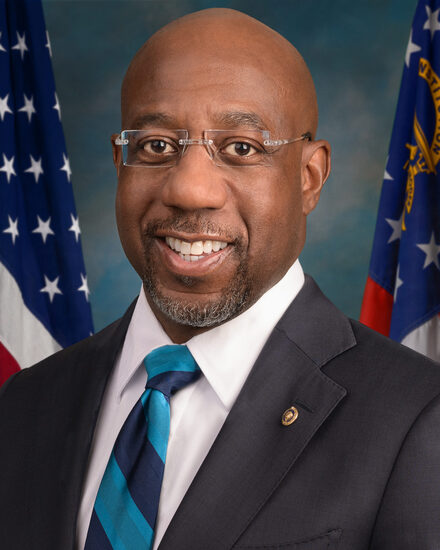
Raphael G. Warnock
100% support rate
Top opponent
Eric Burlison
31% support rate
Ranked legislators
10
5 support · 5 oppose
Key legislators

Who's moving labor & employment in United States

Legislators moving labor & employment in United States
Legislator Party Stance Support rate Votes
Raphael G. Warnock
Raphael G. Warnock Senate
D
Strong +
100% 211
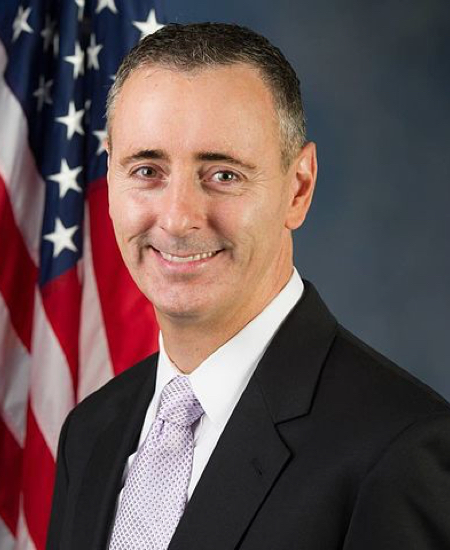
Brian K. Fitzpatrick
Brian K. Fitzpatrick House · District 1
R
Strong +
92% 194
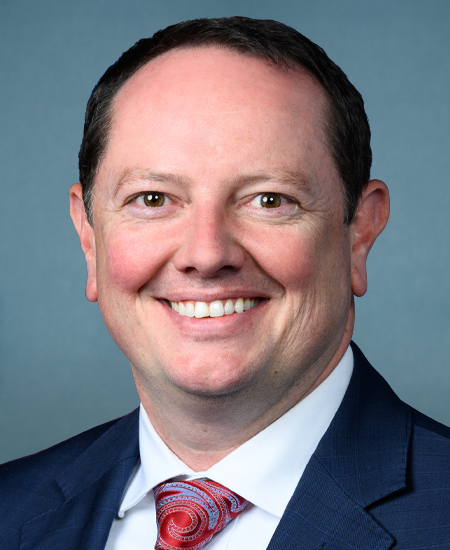
Robert P. Bresnahan, Jr.
Robert P. Bresnahan, Jr. House · District 8
R
Strong +
92% 197
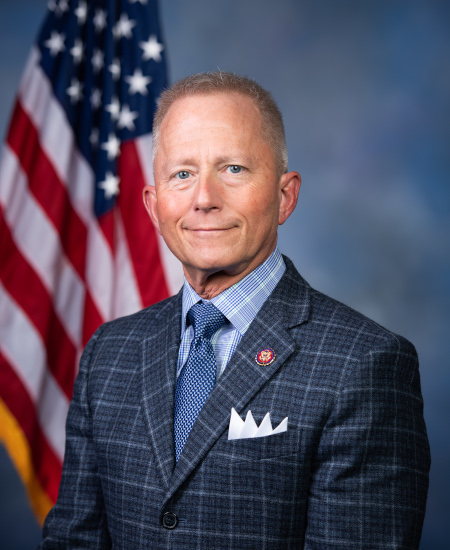
Jefferson Van Drew
Jefferson Van Drew House · District 2
R
Strong +
92% 197
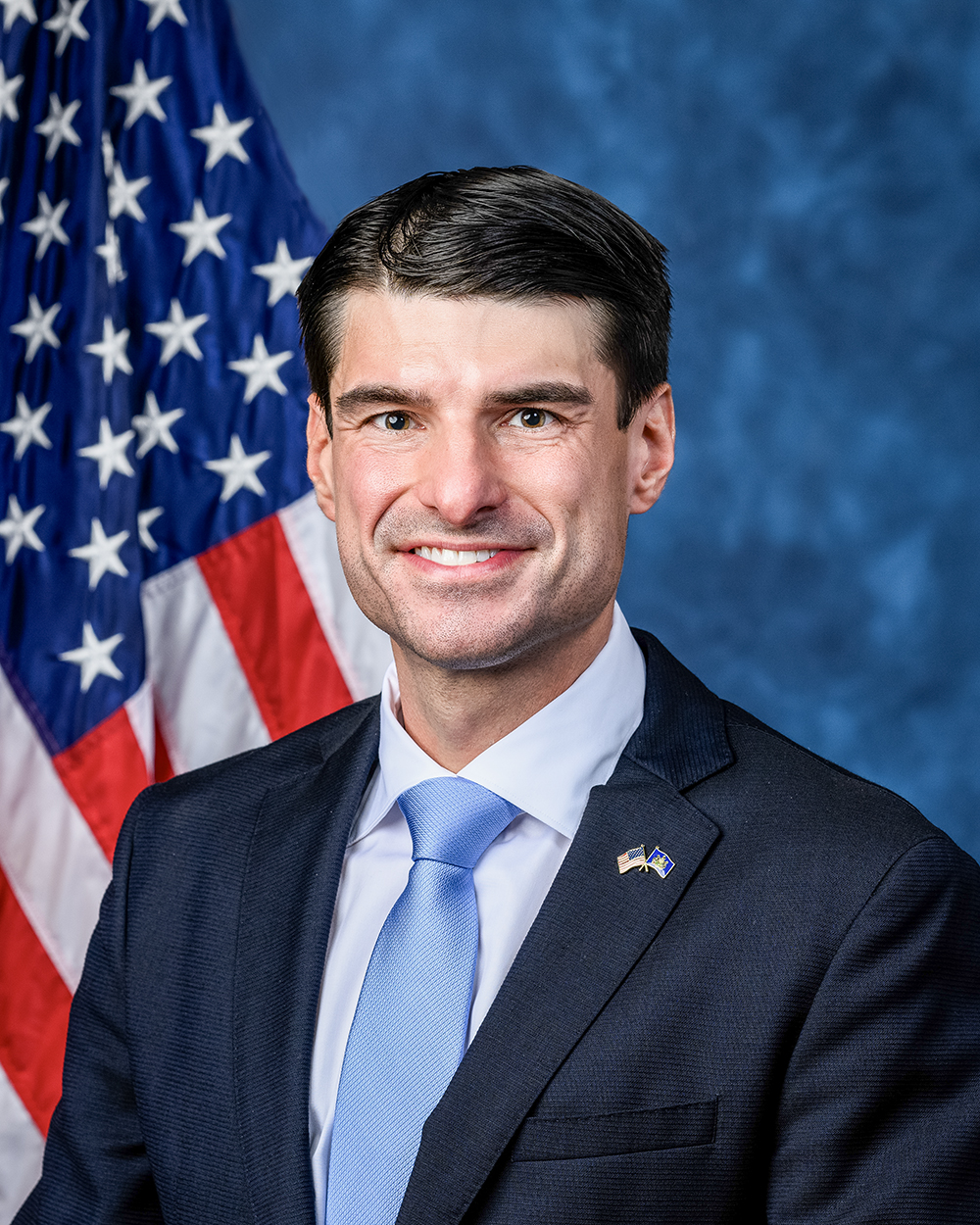
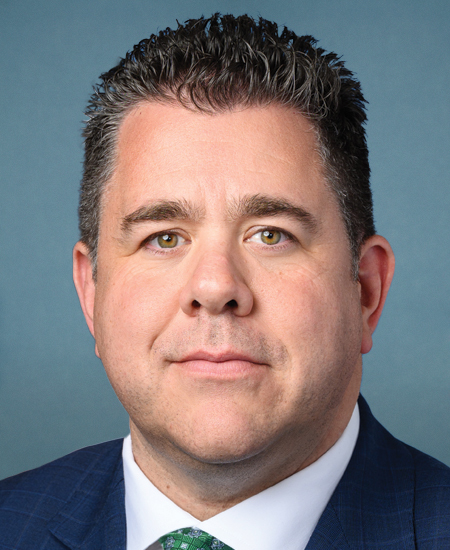
Nick LaLota
Nick LaLota House · District 1
R
Strong +
92% 195
Eric Burlison
Eric Burlison House · District 7
R
Oppose
31% 197
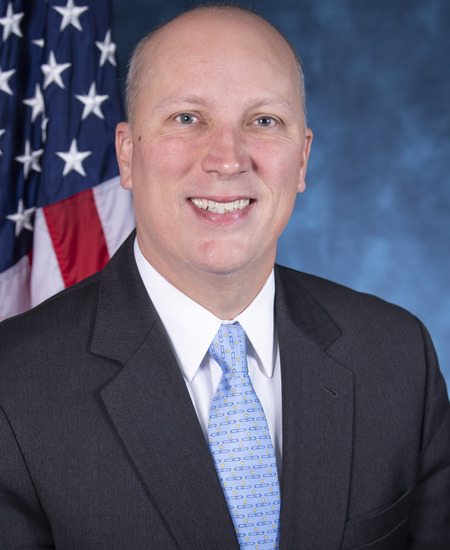
Chip Roy
Chip Roy House · District 21
R
Oppose
31% 190
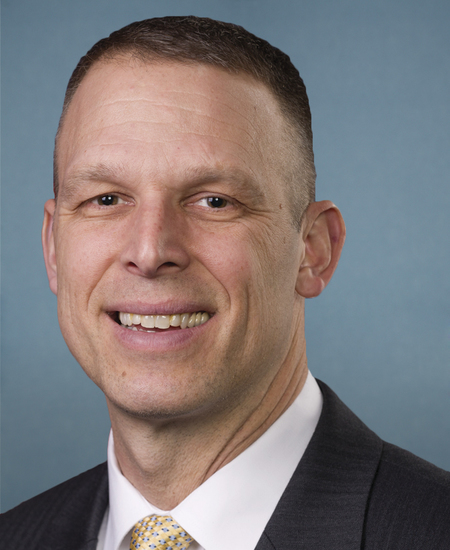
Scott Perry
Scott Perry House · District 10
R
Oppose
31% 194
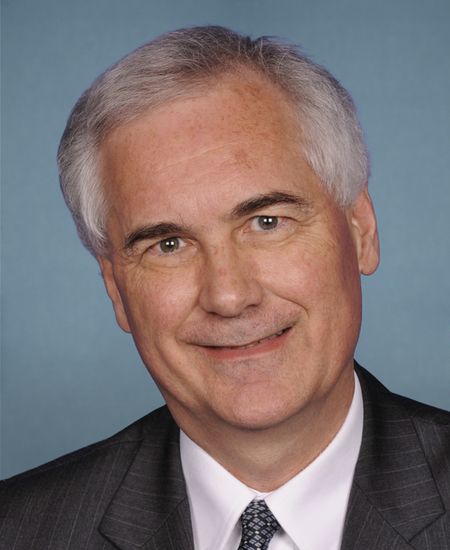
Tom McClintock
Tom McClintock House · District 5
R
Oppose
31% 190
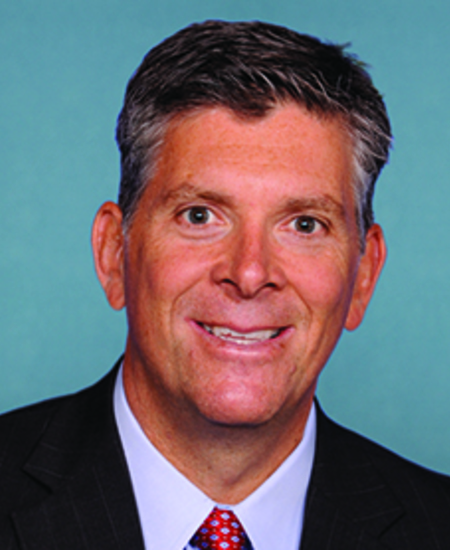
Darin LaHood
Darin LaHood House · District 16
R
Oppose
33% 175
Showing 1,371–1,380 of 1,399 bills

All labor & employment bills

in committee · United States · Senate Jul 28, 2025

S 2474: Advocate for Employee Ownership Act

This bill establishes an "Advocate for Employee Ownership" within the Department of Labor to promote employee ownership models, primarily affecting workers, employers, and employee stock ownership plan (ESOP) participants. The advocate will serve as a liaison between stakeholders, provide public education on ESOPs, help resolve disputes involving ESOPs, and recommend policy changes to expand employee ownership. The role requires annual reports to Congress detailing activities, challenges, and recommendations for improving employee ownership practices. The position, compensated at a senior executive pay level, will coordinate with agencies like the Small Business Administration and Treasury to advance outreach on employee ownership as a business succession option.
Sub-Topics Labor Standards Tags Small Business
in committee · United States · Senate Jun 5, 2025

S 1984: Striking and Locked Out Workers Healthcare Protection Act

This bill prevents employers from dropping health insurance coverage for workers during strikes or lockouts. It amends the National Labor Relations Act to prohibit employers from terminating group health plan coverage for employees who are either locked out (during bargaining disputes) or participating in a lawful strike. Employers who violate this rule face civil penalties of up to $75,000 per violation for lockout-related actions (doubling to $150,000 for repeat offenses) or $50,000 for strike-related actions (doubling to $100,000 for repeat offenses). The law directly affects workers engaged in strikes or locked out by employers, ensuring their healthcare coverage continues during these labor disputes.
in committee · United States · House Dec 17, 2025

HR 6818: Part-Time Worker Bill of Rights Act

HR 6818, the Part-Time Worker Bill of Rights Act, would expand rights for part-time workers by reducing eligibility requirements for family and medical leave from 12 months to 90 days of employment under the FMLA. The bill prohibits employers from discriminating against part-time workers based on hours worked, requiring equal treatment for benefits, promotions, and scheduling. It mandates that employers obtain written statements from employees about their desired work hours and prioritize offering available work hours to existing employees before hiring new external workers. The bill establishes enforcement mechanisms including civil penalties for violations and allows employees to file private lawsuits for damages, with the Secretary of Labor having investigative authority to ensure compliance. This legislation directly affects part-time workers and employers with more than 15 employees across both private and public sectors.
in committee · United States · House May 13, 2025

HR 3335: Children Don't Belong on Tobacco Farms Act

This bill amends the Fair Labor Standards Act to prohibit children under 18 from having direct contact with tobacco plants or dried tobacco leaves on farms. It directly affects minors who might work on tobacco farms and tobacco farm employers who currently allow such employment. The key change adds tobacco farming to the list of occupations where children under 18 cannot work, closing a loophole that previously permitted this activity. This update explicitly excludes tobacco-related agriculture from exceptions allowing minors in certain farm jobs under federal law.
in committee · United States · House May 1, 2025

HR 3155: Child Care for American Families Act

HR 3155, the Child Care for American Families Act, increases tax credits for employers providing child care by raising the credit percentage from 25% to 40% (50% for small businesses with ≤500 employees, 60% for facilities in rural areas or specific census tracts), with annual limits of $1.2 million in credits and $2 million in qualifying costs. It requires the Treasury to create a public awareness program within one year to inform eligible employers about the credit and filing procedures. The bill also mandates a GAO study on state/local licensing requirements and regulatory barriers affecting child care facilities, including recommendations to reduce multi-state compliance costs. This legislation directly impacts employers, particularly small businesses and rural providers, by making employer-sponsored child care more financially accessible.
in committee · United States · House Mar 3, 2026

HR 2299: Ensuring Workers Get PAID Act of 2025

This bill establishes a permanent "Payroll Audit Independent Determination" (PAID) program under the Department of Labor, allowing employers to voluntarily self-audit and correct unintentional wage violations under federal law. Employers submit payroll audits identifying minimum wage or overtime errors, then pay back wages directly to affected employees through a streamlined process overseen by the Department. Employees who accept the settlement receive full payment but waive their right to sue for those specific violations, while employers gain protection from future investigations for the same issues. The program, based on a successful 2018-2019 pilot that resolved cases faster and with higher back-wage payments than traditional enforcement, includes strict safeguards like confidentiality for submitted data and requirements for employer good faith.
in committee · United States · House Jan 15, 2026

HRES 1005: Expressing the sense of the House of Representatives that creators and digital workers, as a distinct and growing class of small businesses and independent economic contributors, deserve fair treatment, transparency, and economic opportunity in the modern platform-based economy.

This non-binding resolution expresses the House's support for creators and digital workers (over 10 million Americans earning income via platforms) who face challenges like misclassification as independent contractors, opaque revenue terms, and limited access to benefits. It calls for transparent revenue-sharing agreements, portable health care and retirement options, clearer platform algorithm policies, and protections against unfair account actions. The resolution does not create new laws but urges platforms and policymakers to address these issues. It focuses on concrete concerns like income volatility and lack of labor protections for this growing workforce.
in committee · United States · Senate Apr 8, 2025

S 1332: Raise the Wage Act of 2025

The Raise the Wage Act of 2025 gradually increases the federal minimum wage from $9.50 to $17.00 per hour over six years, with future annual increases tied to median wage growth. It eliminates the separate lower minimum wage for tipped workers (currently $2.13/hour base), requiring employers to pay the full minimum wage to all tipped employees starting in 2031. The bill also ends the special $4.25/hour starting wage for workers under 20, phasing it out by 2030. Additionally, it prohibits new special wage certificates for disabled workers under Section 14(c) and requires their phaseout by 2030, while providing transition support for affected employers and workers.
in committee · United States · House Feb 13, 2026

HR 7583: BE HEARD in the Workplace Act

# Summary of the Workplace Discrimination and Harassment Bill This comprehensive legislation aims to strengthen protections against workplace discrimination and harassment, with several key provisions: ## Key Provisions ### 1. Expanded Protections for Workers - Extends protections to independent contractors, interns, and volunteers - Clarifies that domestic service workers in households are covered under interstate commerce - Prohibits nondisclosure and nondisparagement clauses that cover harassment or discrimination ### 2. Nondisclosure Agreement Restrictions - Makes it unlawful for employers to require nondisclosure or nondisparagement clauses covering harassment or discrimination - Establishes specific requirements for valid settlement agreements: - Requires mutual agreement - Limits scope to statements with knowledge of falsity - Requires written advice to consult an attorney - Provides 21-day consideration period and 7-day revocation period - Prohibits enforcement of such clauses against workers reporting discrimination ### 3. Federal Contractor Compliance - Requires federal contractors to disclose labor and civil rights violations from the past 3 years - Establishes Labor Compliance Advisors within executive agencies - Creates procedures for pre-award and post-award compliance monitoring - Mandates annual reporting on contractor compliance ### 4. Nationwide Grant Programs - **National Grants**: For preventing and addressing employment discrimination through education, outreach, and complaint assistance - **Legal Assistance Grants**: For low-income workers facing employment discrimination - **State Advocacy System**: Creates state-level systems to protect workers' rights, with: - Independent lead entities - Authority to investigate discrimination - Annual reporting requirements - Coordination with federal and state agencies ### 5. Enforcement Mechanisms - Empowers the Equal Employment Opportunity Commission to enforce the bill - Establishes clear procedures and remedies for violations - Requires employers to provide specific information about their compliance with labor laws The bill represents a comprehensive approach to workplace rights, focusing on prevention, reporting, and enforcement mechanisms while ensuring workers can seek redress without fear of retaliation or silencing through restrictive agreements.
in committee · United States · Senate Nov 6, 2025

S 3124: Protection on the Picket Line Act

This bill (S 3124, "Protection on the Picket Line Act") amends federal labor law to protect employees engaging in union-related activities, like picketing. It clarifies that employers cannot discipline workers for such activity unless the General Counsel proves the employer knew about the protected activity and acted with animus against it, and the employer fails to show they would have taken the same action regardless. The key mechanism shifts the burden to employers to prove disciplinary actions would have occurred even without the protected activity. This directly affects workers participating in union organizing and employers disciplining them for those activities under current labor law.
Showing 1,371 to 1,380 of 1,399 bills