Issue · Immigration

Immigration

Every immigration bill, vote, and legislator stance in United States, automatically classified by Maddy, our AI policy reader.

Total bills
833
119th Congress
Top supporter
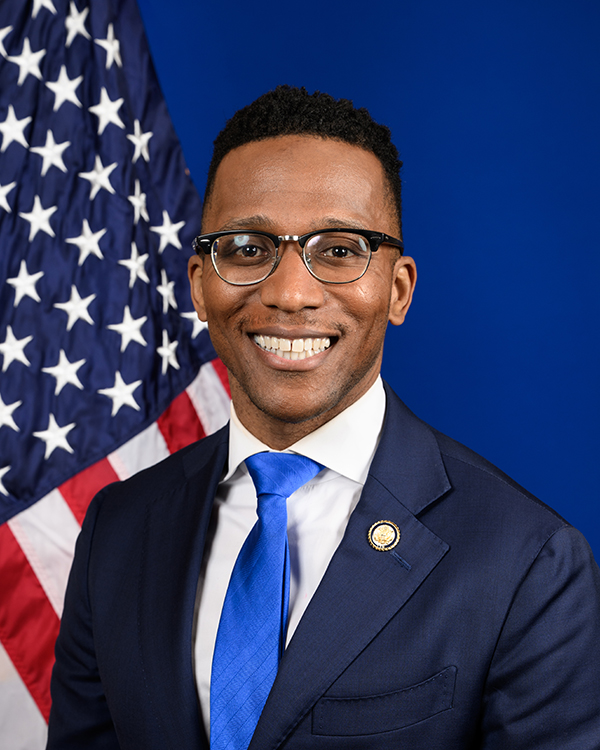
Christian D. Menefee
89% support rate
Top opponent
Gregory F. Murphy
13% support rate
Ranked legislators
10
5 support · 5 oppose
Key legislators

Who's moving immigration in United States

Legislators moving immigration in United States
Legislator Party Stance Support rate Decisive votes
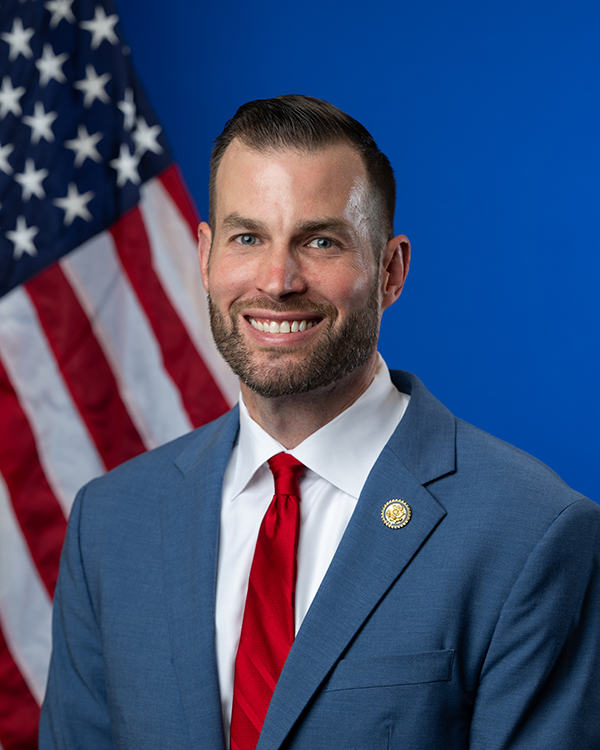
Christian D. Menefee
Christian D. Menefee House · District 18
D
Strong +
89% 9
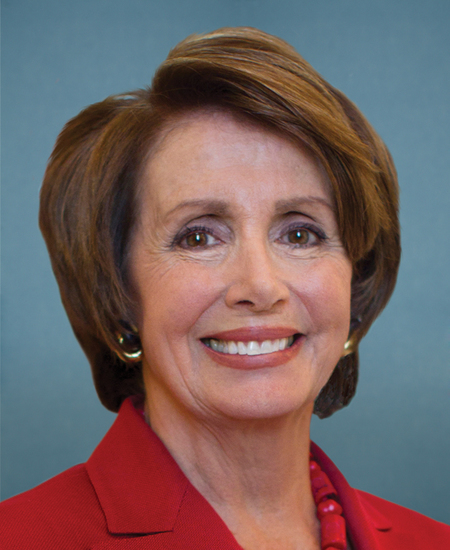
Nancy Pelosi
Nancy Pelosi House · District 11
D
Strong +
86% 21
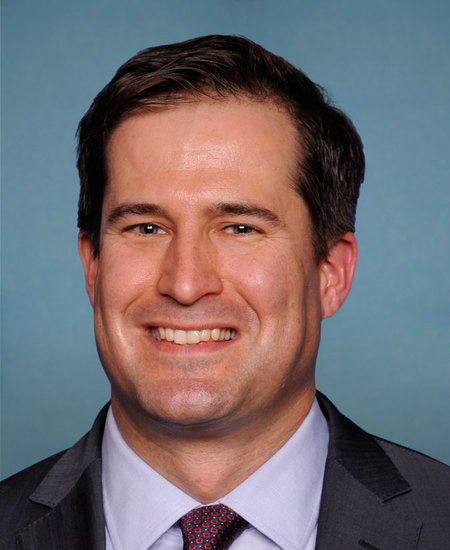
Seth Moulton
Seth Moulton House · District 6
D
Strong +
86% 21
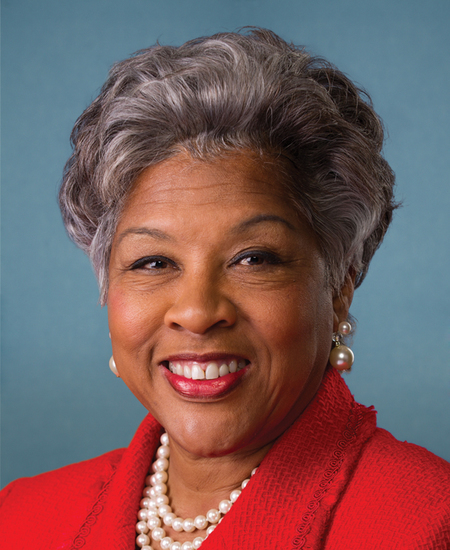
Joyce Beatty
Joyce Beatty House · District 3
D
Strong +
85% 20
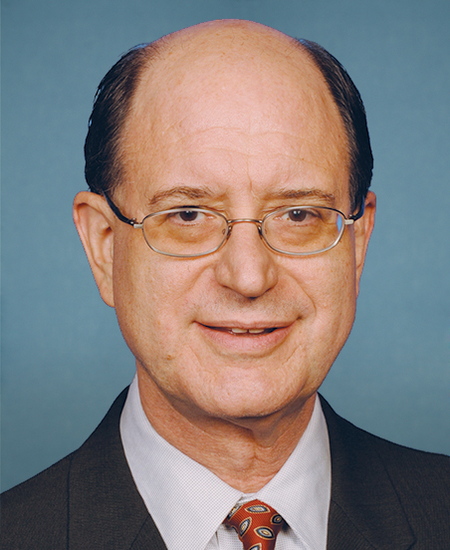
Brad Sherman
Brad Sherman House · District 32
D
Strong +
85% 26
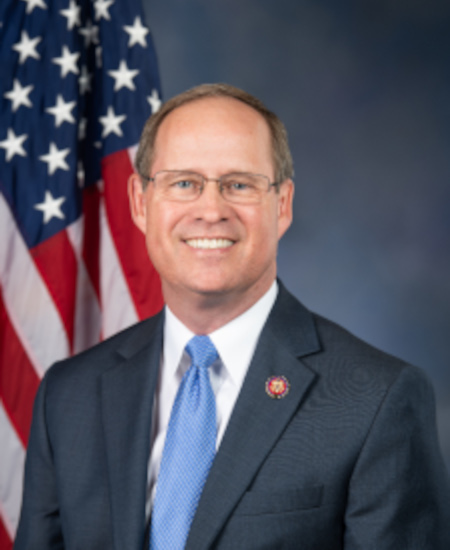
Gregory F. Murphy
Gregory F. Murphy House · District 3
R
Strong −
13% 23
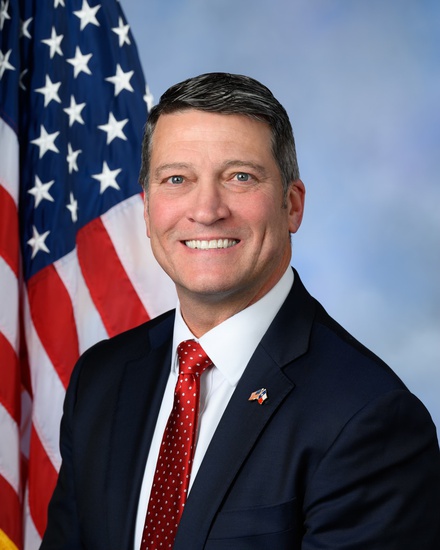
Ronny Jackson
Ronny Jackson House · District 13
R
Strong −
14% 28
Clay Fuller
Clay Fuller House · District 14
R
Strong −
14% 7
Brad Finstad
Brad Finstad House · District 1
R
Strong −
15% 26
Elise M. Stefanik
Elise M. Stefanik House · District 21
R
Strong −
15% 26
Showing 631–640 of 833 bills

All immigration bills

in committee · United States · House Jul 23, 2025

HR 4748: Agriculture Workforce Reform Act of 2025

HR 4748, the Agriculture Workforce Reform Act of 2025, creates a pathway for certain agricultural workers to obtain temporary nonimmigrant status. It directly affects undocumented workers who performed agricultural labor in the U.S. for at least two years between January 2021 and their departure or removal, provided they did not unlawfully receive public benefits. Key provisions waive past inadmissibility grounds, grant immunity from prosecution for prior immigration violations for both workers and employers, and require a $2,500 fee per applicant and employer. The temporary status allows up to three years of work authorization, renewable in three-year increments, during a three-year covered period starting from the bill's enactment date.
in committee · United States · House Feb 5, 2025

HR 992: PATROL Act

HR 992, the PATROL Act, prohibits the federal Attorney General from suing states that build border barriers (like walls or fences) to prevent illegal entry or protect state territory. It specifically blocks civil lawsuits under existing border laws (33 U.S.C. 401/403) against states for such barrier projects. The bill defines key terms like "barrier" (including walls or fences) and "immigration laws" to clarify its scope. This directly affects states constructing border infrastructure and limits federal legal actions against those efforts. The bill does not create new border policies but changes the legal landscape for state-led border security measures.
in committee · United States · House Jan 23, 2025

HR 707: Deport Illegal Voters Act of 2025

HR 707, the "Deport Illegal Voters Act of 2025," would amend U.S. immigration law to make illegal voting by non-citizens a basis for deportation. Specifically, it adds "voting in violation of any Federal, State, or local constitutional provision, statute, ordinance, or regulation" to the definition of an "aggravated felony" under immigration law. This change would make non-citizens who vote illegally in U.S. elections inadmissible (preventing entry) and deportable (allowing removal). The bill directly affects non-citizens who participate in elections where they lack voting eligibility under applicable law.
in committee · United States · Senate Mar 26, 2025

S 1151: Accountability Through Electronic Verification Act

Accountability Through Electronic Verification Act This bill expands the E-Verify program by requiring all employers to use it and permanently reauthorizes the program. Currently, E-Verify use is voluntary for most employers, although some states mandate its use. All employers must use E-Verify to confirm the identity and employment eligibility of all recruited, referred, or hired individuals, including current employees who were never verified under the program. Failure to use E-Verify shall create a rebuttable presumption that the employer is violating immigration law. U.S. Citizenship and Immigration Services must generate weekly reports about individuals who have received a final nonconfirmation of employment eligibility. The Department of Homeland Security (DHS) must use the report to enforce immigration laws. The bill increases civil and criminal penalties for hiring non-U.S. nationals ( aliens under federal law) who are not authorized to work. DHS must bar repeat offenders and those criminally convicted from holding federal contracts, grants, or cooperative agreements. The Social Security Administration, Internal Revenue Service, Department of the Treasury, and DHS must jointly establish a program to share information to help identify non-U.S. nationals who are not authorized to work. The bill establishes the Employer Compliance Inspection Center within Homeland Security Investigations of U.S. Immigration and Customs Enforcement. The center's duties include processing I-9 employment eligibility verification forms and ensuring compliance with employment eligibility laws. DHS must report to Congress on ways to simplify procedures relating to I-9 forms and on whether the I-9 process should be eliminated.
in committee · United States · House Sep 18, 2025

HRES 741: Acknowledging that in the aftermath of September 11, 2001, individuals experienced hate and were targeted by the government on account of their faith, race, national origin and immigration status, and suggesting various forms of relief to support those affected.

This resolution acknowledges that after the September 11, 2001, attacks, Arab, Muslim, Middle Eastern, South Asian, and Sikh communities faced widespread hate, government targeting, and discrimination - including policies like the 2002 National Security Entry-Exit Registration System and mass detentions without evidence. It calls for an independent commission to review these historical policies, document their impact, and recommend changes to dismantle ongoing discriminatory practices. The resolution also urges funding for community-based organizations to provide hate crime prevention, mental health support, and culturally accessible alternatives to law enforcement, while requesting health studies on the effects of profiling and hate.
in committee · United States · Senate Aug 1, 2025

S 2655: Community-based Refugee Reception Act of 2025

The Community-based Refugee Reception Act of 2025 establishes a new program allowing community groups - such as local organizations, faith-based groups, or private sponsors - to provide initial resettlement services for refugees in the U.S. for at least 90 days. Eligible groups must have at least three U.S. citizens in the area, raise funds for expenses, complete required training, and provide services like housing, orientation, and access to medical or employment support. Refugees referred by these groups are exempt from numerical limits on refugee admissions under the U.S. Refugee Admissions Program, and the program is designed to complement, not replace, existing federal resettlement services. The bill requires the Secretary of State to set up the program within 90 days and report annually to state and local governments on refugee placements and community group participation.
Sub-Topics Refugees & Asylum
in committee · United States · Senate Jul 31, 2025

S 2567: CAP Act of 2025

S 2567 (CAP Act of 2025) removes a special exception that allowed colleges and universities to hire foreign workers on H-1B visas without being subject to annual visa caps. This change means institutions of higher education will now face the same annual limits on H-1B visas as other employers. The bill directly affects U.S. colleges and universities that employ foreign workers through the H-1B program. It modifies existing immigration law to eliminate this exemption, requiring these institutions to compete within the standard H-1B visa quota system.
Sub-Topics DACA & Dreamers
in committee · United States · House Sep 11, 2025

HR 5340: To prohibit the disclosure of records by the Secretary of Housing and Urban Development of individuals for the purposes of immigration enforcement, and for other purposes.

HR 5340 prohibits the U.S. Department of Housing and Urban Development (HUD) and public housing agencies from sharing tenant records with immigration authorities for immigration enforcement purposes. It directly affects all HUD housing program participants (including renters and applicants, regardless of immigration status) by requiring HUD to obtain written consent or a language-proficient request from the individual before disclosing their records. Key provisions include banning disclosure without consent, preventing HUD from forcing public housing agencies to share records, and mandating a 90-day compliance report to Congress detailing record security and past sharing practices. The bill aims to protect housing privacy by ensuring immigration enforcement cannot access sensitive tenant information held by HUD without explicit individual authorization.
in committee · United States · Senate Feb 6, 2025

S 481: Securing our Border Act

S 481, the "Securing our Border Act," directs funding to enhance border security by requiring 100% scanning of vehicles at all southern border ports by 2034 using nonintrusive inspection systems, and allocates funds for constructing a border wall along the southwest U.S. border. It also creates new bonus programs for U.S. Customs and Border Protection agents, including up to $15,000 for recruitment, retention bonuses up to 15% of pay, and relocation bonuses up to 15% of annual pay. The bill amends immigration procedures to require returning migrants from neighboring countries to contiguous territory or processing asylum claims, rather than immediate release. These provisions directly affect CBP operations, border patrol staffing, and migrants crossing the southern border, with specific deadlines and reporting requirements for funding use.
in committee · United States · Senate Jan 14, 2026

S 3645: Deportation Acceleration Act

This bill requires state and local courts to share noncitizen criminal convictions with federal immigration authorities within 24 hours, triggering automatic deportation proceedings for those convicted of a felony or two misdemeanors. It expands expedited removal for these individuals, shortens appeal timelines to 30 days for non-asylum cases, and prioritizes such cases in immigration courts. Jurisdictions that restrict sharing immigration status or complying with detainers face 15% cuts to highway funds, while cooperating jurisdictions may receive $150 million annually in grants for enforcement resources. The law applies retroactively to all qualifying convictions, regardless of when they occurred.
Showing 631 to 640 of 833 bills
Previous 1 63 64 65 84 Next