Issue · Immigration

Immigration

Every immigration bill, vote, and legislator stance in United States, automatically classified by Maddy, our AI policy reader.

Total bills
827
119th Congress
Top supporter
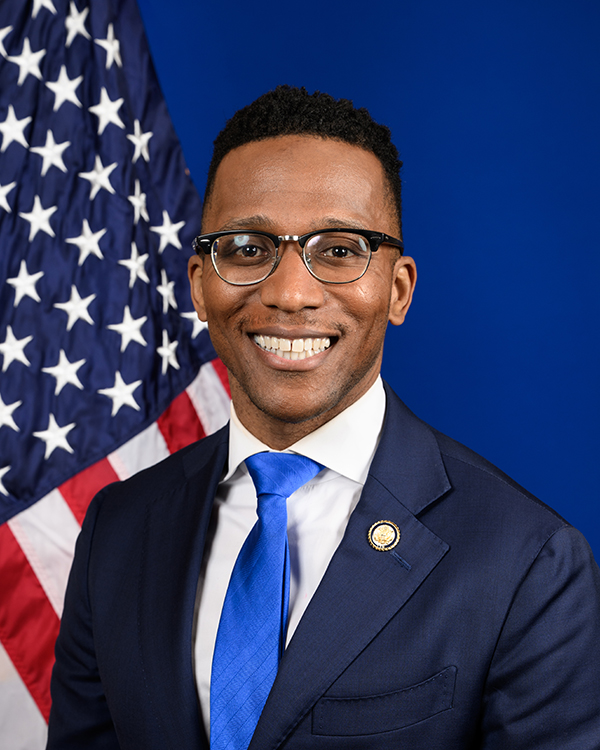
Christian D. Menefee
89% support rate
Top opponent
Gregory F. Murphy
13% support rate
Ranked legislators
10
5 support · 5 oppose
Key legislators

Who's moving immigration in United States

Legislators moving immigration in United States
Legislator Party Stance Support rate Decisive votes
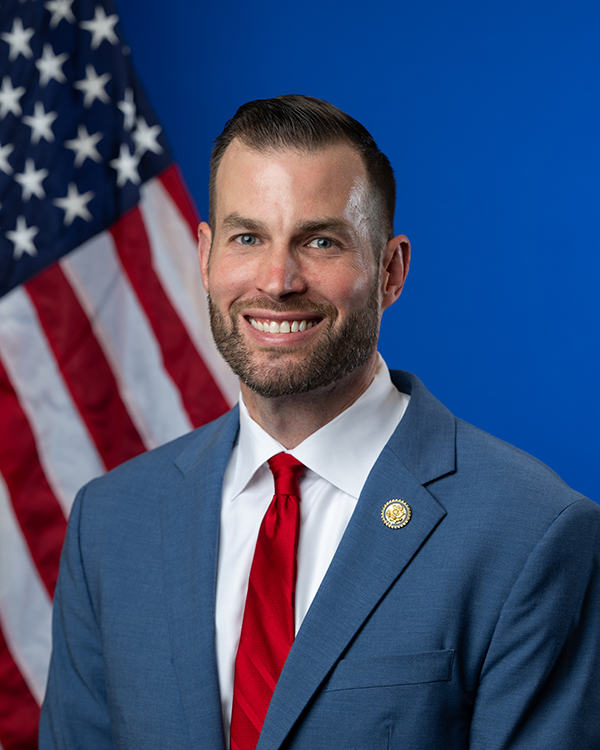
Christian D. Menefee
Christian D. Menefee House · District 18
D
Strong +
89% 9
Nancy Pelosi
Nancy Pelosi House · District 11
D
Strong +
86% 21
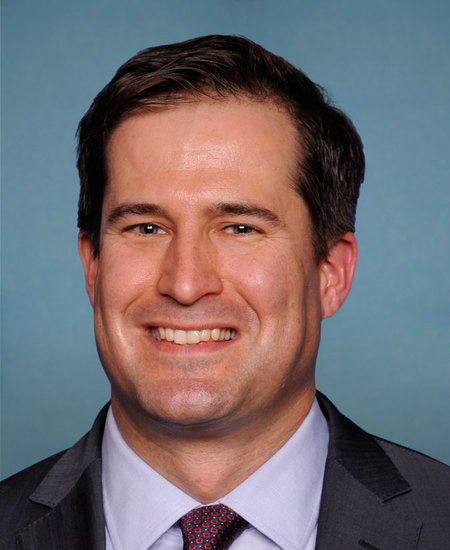
Seth Moulton
Seth Moulton House · District 6
D
Strong +
86% 21
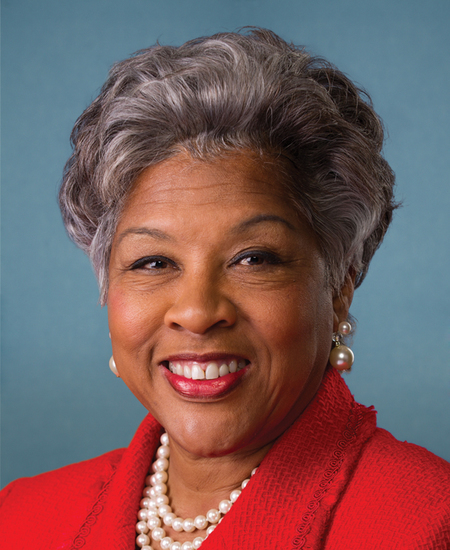
Joyce Beatty
Joyce Beatty House · District 3
D
Strong +
85% 20
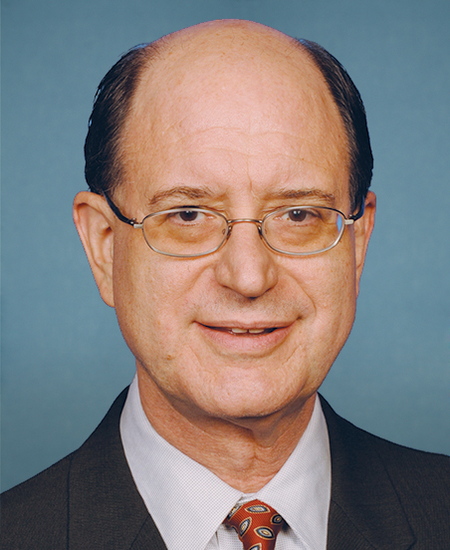
Brad Sherman
Brad Sherman House · District 32
D
Strong +
85% 26
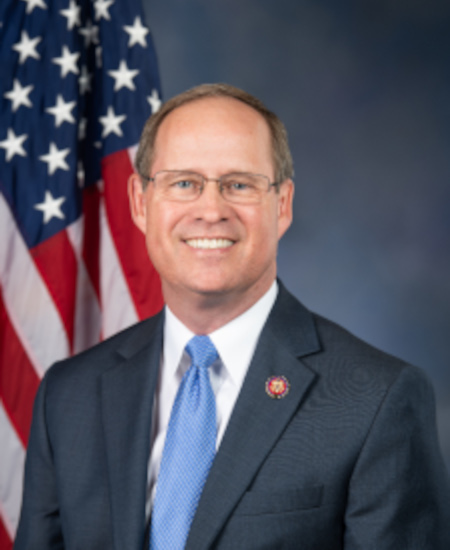
Gregory F. Murphy
Gregory F. Murphy House · District 3
R
Strong −
13% 23
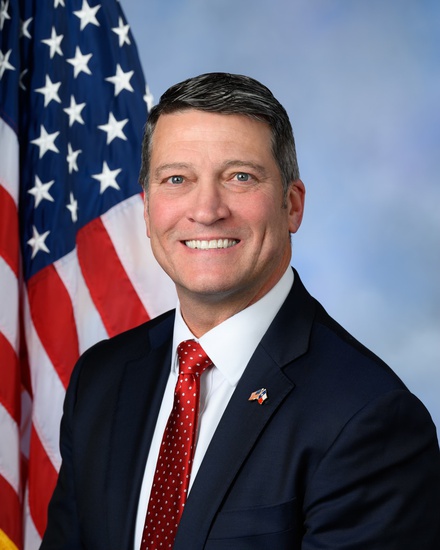
Ronny Jackson
Ronny Jackson House · District 13
R
Strong −
14% 28
Clay Fuller
Clay Fuller House · District 14
R
Strong −
14% 7
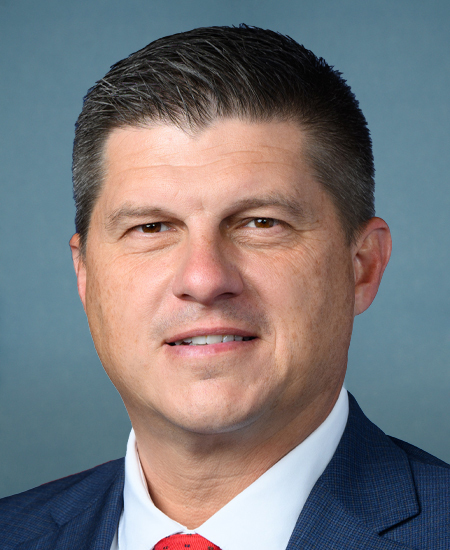
Brad Finstad
Brad Finstad House · District 1
R
Strong −
15% 26
Elise M. Stefanik
Elise M. Stefanik House · District 21
R
Strong −
15% 26
Showing 641–650 of 827 bills

All immigration bills

in committee · United States · Senate Mar 26, 2025

S 1159: GAZA Act

S 1159, the GAZA Act, prohibits entry to the United States for individuals holding passports issued by the Palestinian Authority. The bill makes such individuals inadmissible, ineligible for visas or parole, and barred from receiving immigration benefits under U.S. law. It directly affects Palestinian Authority passport holders seeking to enter or reside in the U.S. The key provision is a blanket visa and admission ban based solely on passport issuance by the Palestinian Authority. This policy change alters immigration eligibility without requiring individual case reviews.
in committee · United States · Senate Oct 23, 2025

S 3054: Kayla Hamilton Act

The Kayla Hamilton Act updates rules for placing unaccompanied alien children (UACs) in U.S. custody. It requires the Department of Health and Human Services (HHS) to consult with immigration and law enforcement before placing a UAC, and to conduct background checks on potential sponsors. Children aged 12 or older who are flight risks, dangerous, or have certain criminal histories (like gang-related tattoos or past convictions) must be placed in secure facilities. The law also bans placing UACs with non-citizen sponsors or those with serious criminal records, and mandates detailed background information to be shared with immigration authorities.
in committee · United States · House Dec 18, 2025

HR 6890: PROTECT Immigration Act of 2025

This bill amends Section 287(g) of immigration law to restrict immigration enforcement authority exclusively to U.S. Immigration and Customs Enforcement (ICE) officers and DHS employees. It removes state and local law enforcement agencies' ability to verify immigration status, investigate, or arrest individuals for immigration violations under current 287(g) agreements. The change directly affects local police departments that previously participated in immigration enforcement through federal partnerships. The bill does not create new policies but alters existing authority to limit enforcement to federal officers only.
in committee · United States · Senate Jun 25, 2025

S 2163: Border Patrol Recruitment Enhancement Act

This bill allows U.S. Customs and Border Protection (CBP) to waive the standard polygraph examination requirement for hiring specific candidates: current state/local law enforcement officers with 3+ years service and clean records, federal officers meeting similar criteria, or military veterans with honorable discharges and background checks. It requires CBP to report annually on waiver usage, hiring outcomes, and polygraph results for these candidates, with a GAO review after 5 years to assess disciplinary records. The waiver authority expires after 5 years, and all waived candidates must still meet other hiring standards like background investigations. The bill directly affects CBP's recruitment process for Border Patrol officers by expanding eligibility to certain experienced law enforcement professionals.
Sub-Topics Border Security
in committee · United States · Senate Jun 3, 2025

S 1937: Visa Overstay Penalties Act of 2025

S 1937, the Visa Overstay Penalties Act of 2025, increases penalties for nonimmigrant visa holders who exceed their authorized stay. It raises civil fines for visa overstays from $50-$250 to $500-$1,000 per violation and adds up to 2 years in jail for repeat offenses or prior convictions. The bill directly affects temporary visa holders (like students or workers) who accumulate 10+ days of unauthorized stay beyond their visa terms. Key changes include explicit penalties for failing to maintain visa status or comply with conditions, with doubled fines for repeat violations.
in committee · United States · Senate Jul 16, 2025

S 2311: State Accountability for Federal Deployment Costs Act of 2025

This bill requires states that obstruct federal immigration enforcement to reimburse the federal government for costs when their actions lead to military deployments. Specifically, if a state fails to cooperate with lawful federal immigration operations - causing civil unrest or security issues - the Defense Department must invoice the state for military personnel's travel, lodging, and equipment costs. States have 180 days to pay; failure to pay could result in the federal government rescinding discretionary grants to that state. The bill targets states that "materially hindered" federal immigration enforcement, directly affecting those jurisdictions whose policies obstruct federal operations.
in committee · United States · House Oct 29, 2025

HR 5863: No CDLs for Illegals Act

HR 5863, the "No CDLs for Illegals Act," requires states to deny commercial driver's license (CDL) applications to individuals without proof of U.S. citizenship, lawful permanent residency, or valid work authorization, plus proof of state domicile. It mandates states to use the federal SAVE system to verify immigration status for non-citizen applicants and prohibits issuing CDLs to non-domiciles. States violating these rules risk losing federal transportation funds, with the Secretary of Transportation required to annually review compliance and suspend funds until corrections are made. The bill directly affects CDL applicants and state licensing agencies, creating concrete policy changes for CDL issuance and enforcement.
in committee · United States · House Jun 26, 2025

HR 4201: TPS Reform Act of 2025

HR 4201, the TPS Reform Act of 2025, changes how Temporary Protected Status (TPS) is granted to immigrants from foreign countries facing crises. It requires Congress, not the executive branch, to pass a specific law designating a country for TPS, based on strict criteria like ongoing armed conflict, major natural disasters, or extraordinary conditions preventing safe return. The law sets clear time limits: initial designations last up to 18 months, with extensions capped at 12 months, and mandates Congress to find that crisis conditions continue for any extension. This directly affects immigrants from designated countries who would otherwise be allowed to live and work temporarily in the U.S. due to unsafe conditions in their home countries. The bill also shifts administration from the Attorney General to the Secretary of Homeland Security.
Sub-Topics Work Authorization
in committee · United States · House Feb 4, 2025

HR 924: NO BAN Act

National Origin-Based Antidiscrimination for Nonimmigrants Act or the NO BAN Act This bill imposes limitations on the President's authority to suspend or restrict aliens from entering the United States. It also prohibits religious discrimination in various immigration-related decisions, such as whether to issue an immigrant or nonimmigrant visa, unless there is a statutory basis for such discrimination. The President may temporarily restrict the entry of any aliens or class of aliens after the Department of State determines that the restriction would address specific and credible facts that threaten U.S. interests such as public safety. The bill also imposes limitations on such restrictions, such as requiring the President, State Department, and the Department of Homeland Security (DHS) to (1) only issue a restriction when required to address a compelling government interest, and (2) narrowly tailor the suspension to use the least restrictive means to achieve such an interest. Before imposing a restriction, the State Department and DHS shall consult with Congress. The State Department and DHS shall report to Congress about the restriction within 48 hours of the restriction's imposition. If such a report is not made, the restriction shall immediately terminate. Individuals or entities present in the United States and unlawfully harmed by such a restriction may sue in federal court. The bill transfers the authority to suspend the entry of aliens traveling to the United States on a commercial airline that failed to comply with regulations related to detecting fraudulent travel documents from the Department of Justice to DHS.
in committee · United States · House Jan 3, 2025

HR 58: Voter Integrity Protection Act

HR 58, titled the "Voter Integrity Protection Act," amends U.S. immigration law to make certain voting violations by undocumented immigrants a basis for deportation. It adds "knowingly committing a violation of 18 U.S.C. §611" (which prohibits voting fraud by non-citizens) to the list of deportable offenses under the Immigration and Nationality Act. Specifically, it targets non-citizens unlawfully present in the U.S. who commit voting fraud, making such acts grounds for removal. The bill directly affects undocumented immigrants who commit voting violations, linking immigration enforcement to federal voting fraud statutes. It does not alter voting eligibility or election procedures for citizens.
Showing 641 to 650 of 827 bills
Previous 1 64 65 66 83 Next