Issue · Healthcare

Healthcare

Every healthcare bill, vote, and legislator stance in United States, automatically classified by Maddy, our AI policy reader.

Total bills
2,988
119th Congress
Top supporter
Darline Graham
82% support rate
Top opponent
Rick Scott
19% support rate
Ranked legislators
10
5 support · 5 oppose
Key legislators

Who's moving healthcare in United States

Legislators moving healthcare in United States
Legislator Party Stance Support rate Decisive votes
Darline Graham
Darline Graham Senate
R
Strong +
82% 11
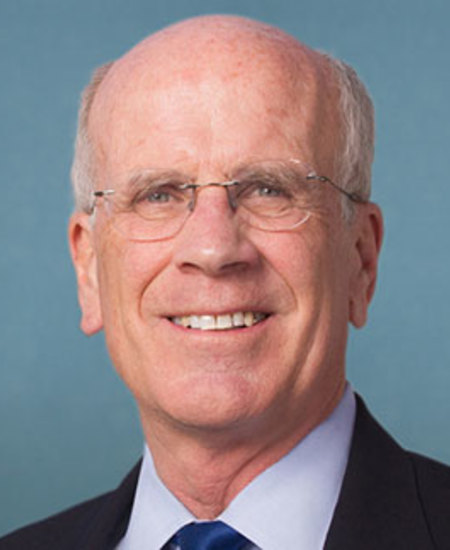
Peter Welch
Peter Welch Senate
D
Strong +
81% 27
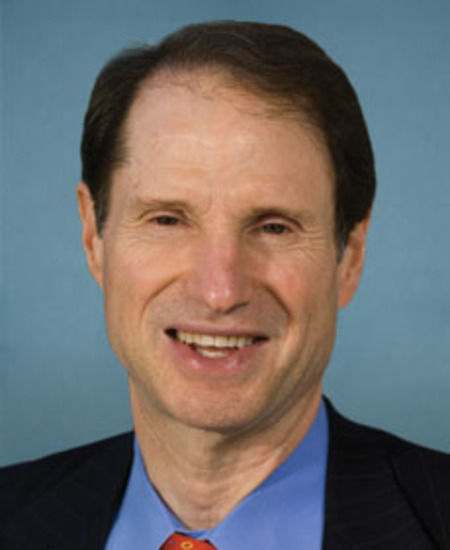
Ron Wyden
Ron Wyden Senate
D
Support
78% 27
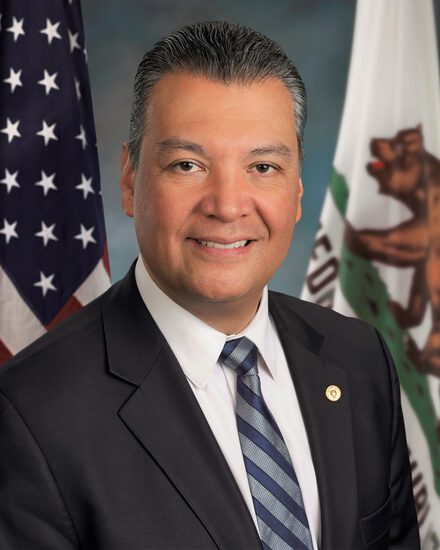
Alex Padilla
Alex Padilla Senate
D
Support
77% 26
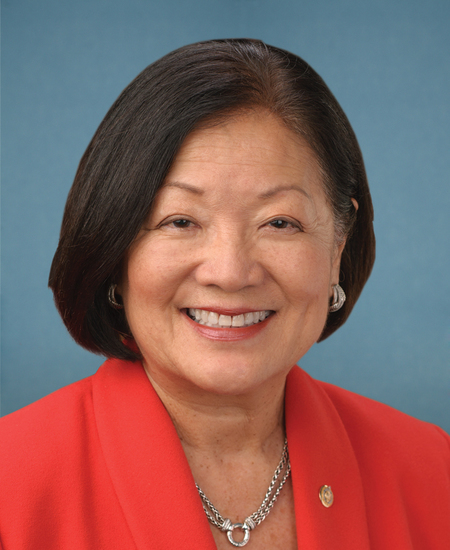
Mazie K. Hirono
Mazie K. Hirono Senate
D
Support
74% 27
Rick Scott
Rick Scott Senate
R
Strong −
19% 27
Ashley Moody
Ashley Moody Senate
R
Oppose
22% 27
Rand Paul
Rand Paul Senate
R
Oppose
22% 27
Brad Knott
Brad Knott House · District 13
R
Oppose
28% 18
Pat Harrigan
Pat Harrigan House · District 10
R
Oppose
28% 18
Showing 881–890 of 2,988 bills

All healthcare bills

in committee · United States · House Mar 30, 2026

HR 8160: Premenstrual Dysphoric Disorder Awareness and Research Act of 2026

This bill directs the National Institutes of Health to expand research into Premenstrual Dysphoric Disorder, a severe mood and physical condition affecting 5 to 8 percent of women and people assigned female at birth. It requires the agency to collect data on PMDD prevalence, economic impact, and treatment barriers while ensuring diverse populations are included in studies. The legislation also funds public awareness campaigns and grants to train healthcare professionals in diagnosing and treating the condition. Additionally, the bill mandates a report to Congress within two years detailing progress on research, education, and access to care.
in committee · United States · House Mar 9, 2026

HR 7884: Healthcare is Human Act of 2026

This bill, titled the Healthcare is Human Act of 2026, creates a tax credit for licensed health care professionals who work in qualifying facilities, including Veterans Affairs medical facilities and those located in health professional shortage areas. The credit amount varies based on the number of hours worked each month, ranging from $300 to $500 per month depending on whether the professional works between 80-120, 120-160, or more than 160 hours of qualifying health care services. To receive the credit, professionals must work at least 80 hours in at least 8 months during the tax year, and their modified adjusted gross income must not exceed $200,000 for single filers or $400,000 for joint filers. The credit is available for taxable years beginning after December 31, 2025, and expires after December 31, 2030, with a requirement for a Government Accountability Office study to evaluate its impact on health care retention and access.
in committee · United States · House Mar 5, 2026

HR 7830: WELLS Act

This bill requires hospitals receiving Medicare funding to create discharge plans for pregnant patients who are expected to leave the hospital before delivery, ensuring they have safe transportation and access to backup care if needed. The discharge plans must include clinical justification for early discharge, assessment of travel logistics, identification of alternative delivery facilities, and confirmation that patients understand the information in their primary language. Additionally, the bill expands rural maternal health training grants to include racial bias training, establishes performance milestones for grant recipients, and creates a new initiative to evaluate different training models for healthcare professionals. The legislation also mandates the development of a public dashboard tracking maternal health outcomes and federal investments in maternal health research.
in committee · United States · Senate Mar 11, 2026

S 4061: RAYS Act

This bill, known as the Raising Awareness for Youth Suicide Prevention Act, requires schools that receive federal education funding to include mental health and suicide prevention resources on student identification cards. The law mandates that these cards display contact information for the 988 Suicide & Crisis Lifeline, the Crisis Text Line, and any state or local suicide prevention hotlines available in the area. Schools that do not issue physical ID cards must instead post this information prominently on their websites and include it on digital platforms students regularly use. The bill also directs the federal education secretary to run outreach campaigns to help students, parents, and school staff learn about these mental health resources.
in committee · United States · House Mar 12, 2026

HR 7904: Protecting America’s Working Dogs Act of 2026

This bill, titled the Protecting America's Working Dogs Act of 2026, would require the Attorney General to create a grant program to help cover medical expenses for retired working dogs that served in federal law enforcement, the military, or as service dogs for veterans and retired officers. The program would award grants of up to $575,000 each to eligible nonprofit organizations that primarily care for these dogs and use at least 70 percent of their spending on covered medical costs. Qualified working dogs include retired military working dogs, federal law enforcement dogs, and service dogs for veterans or retired federal law enforcement officers, with grants intended to pay for veterinary care, medical procedures, diagnostics, and necessary medications. The Attorney General would report annually to Congress on the number of dogs assisted and their average medical expenses, while grant amounts would be reduced if previous unspent funds remain.
in committee · United States · House Mar 9, 2026

HR 7860: Stop ACA Enrollment Fraud Act of 2026

This bill aims to prevent fraudulent enrollments in health insurance exchanges by requiring the government to check for duplicate social security numbers before issuing premium tax credits. It also mandates that agents and brokers must obtain direct consent from individuals or employers before completing enrollments, rather than accepting third-party attestations of consent. These measures directly affect insurance brokers, agents, and individuals seeking health coverage through federal exchanges. The changes would take effect for plan years beginning on or after January 1, 2027.
Sub-Topics Insurance
in committee · United States · House Mar 30, 2026

HR 8159: Gynecologic Pain Management Study Act

This bill directs the Secretary of Health and Human Services to conduct a study on barriers that prevent patients from accessing pain management during gynecologic procedures. The study will examine factors such as insurance coverage, provider training, and resource availability, and will include input from patients, medical professionals, and health equity experts. Within 24 months of enactment, the Secretary must submit a report with findings and recommendations to relevant congressional committees. The bill does not change current laws or funding but establishes a research requirement to inform future policy decisions.
in committee · United States · House Mar 17, 2026

HR 7953: FAIR ACT

This bill, known as the FAIR Act, would allow the U.S. Food and Drug Administration to approve certain medicines and permit clinical trials for life-threatening diseases more quickly by recognizing approvals from trusted international regulatory authorities. It directly affects drug manufacturers, patients with serious illnesses, and U.S. healthcare providers by creating a new pathway where medicines already approved by agencies like the European Medicines Agency or Health Canada could receive reciprocal marketing approval in the United States. The legislation establishes a 30-day timeline for FDA review of these reciprocal requests and includes provisions for clinical trials authorized abroad, while maintaining safety oversight through withdrawal mechanisms if adverse events occur. The bill specifies that only products intended for immediately life-threatening conditions would qualify under this streamlined process.
in committee · United States · Senate Mar 5, 2026

S 4008: Promoting Dental Health Act

The Promoting Dental Health Act extends federal funding for oral health programs through 2031, directly supporting community dental health initiatives and disease prevention efforts. The bill updates the authorization periods for two specific programs under the Public Health Service Act, shifting coverage from previous years to the 2027-2031 timeframe. This reauthorization allows continued government support for oral health promotion activities without requiring new legislation to maintain existing funding streams.
Sub-Topics Public Health
in committee · United States · Senate Mar 25, 2026

SCONRES 31: A concurrent resolution recognizing the duty of Congress to meet the needs of working women.

This concurrent resolution formally recognizes Congress's duty to protect the rights and economic security of working women in the United States. It highlights concerns about wage gaps, workplace discrimination, and recent policy changes that the bill's sponsors claim have disproportionately harmed women in the workforce. The document calls for federal action to ensure equal pay, workplace safety, access to healthcare, and the right to unionize, while affirming the importance of women's contributions to the economy. As a non-binding statement of principle, it does not create new laws but serves to express congressional intent and guide future legislative priorities.
Showing 881 to 890 of 2,988 bills
Previous 1 … 88 89 90 … 299 Next