Issue · Healthcare

Healthcare (Medicaid)

Every healthcare bill, vote, and legislator stance in United States, automatically classified by Maddy, our AI policy reader.

Total bills
389
119th Congress
Top supporter
Christopher Murphy
89% support rate
Top opponent
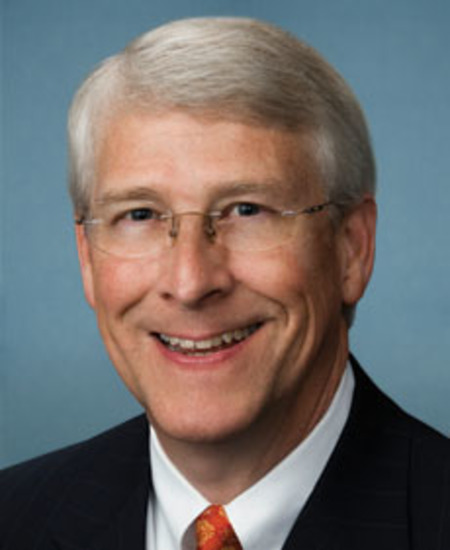
Bill Hagerty
11% support rate
Ranked legislators
10
5 support · 5 oppose
Key legislators

Who's moving medicaid in United States

Legislators moving medicaid in United States
Legislator Party Stance Support rate Decisive votes
Christopher Murphy
Christopher Murphy Senate
D
Strong +
89% 9
Adam B. Schiff
Adam B. Schiff Senate
D
Strong +
80% 10
Alex Padilla
Alex Padilla Senate
D
Strong +
80% 10
Amy Klobuchar
Amy Klobuchar Senate
D
Strong +
80% 10
Andy Kim
Andy Kim Senate
D
Strong +
80% 10
Bill Hagerty
Bill Hagerty Senate
R
Strong −
11% 9
Mitch McConnell
Mitch McConnell Senate
R
Strong −
11% 9
Roger F. Wicker
Roger F. Wicker Senate
R
Strong −
11% 9
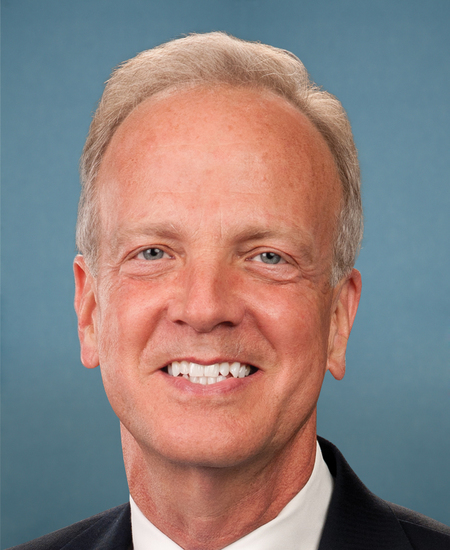
Jerry Moran
Jerry Moran Senate
R
Strong −
12% 8
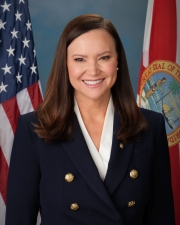
Ashley Moody
Ashley Moody Senate
R
Strong −
20% 10
Showing 71–80 of 389 bills

All healthcare bills

in committee · United States · House Jun 3, 2026

HR 9126: HCBS Anti-Fraud Reporting Act of 2026

This bill requires states to report annually to the federal government on waste, fraud, and abuse detected in home and community-based services funded by Medicaid. Starting in 2026, state agencies must submit details on any such issues they find, along with descriptions of the steps they have taken to prevent them. The law directly affects state Medicaid programs that provide care in community settings rather than institutions. By mandating these reports, the legislation aims to increase transparency and accountability in how these services are managed.
Sub-Topics Medicaid
in committee · United States · House Jun 4, 2026

HR 9139: Medicaid Financing Clarification Act of 2026

This bill, titled the Medicaid Financing Clarification Act of 2026, aims to clarify federal rules regarding how states and local governments can fund their Medicaid programs. It directly affects state and local officials by explicitly defining "public funds" to include various local revenue sources such as taxes, fees, and tobacco settlement money. The legislation amends the Social Security Act to ensure that money held by local entities like counties or cities counts as eligible public funding for Medicaid matching purposes. Additionally, it provides clear definitions for terms like "political subdivision" and "public agency" to remove ambiguity in existing laws. By updating these definitions, the bill seeks to establish a clearer legal framework for how local governments contribute to Medicaid financing.
Sub-Topics Medicaid
in committee · United States · House May 19, 2026

HR 8907: IMPACT to Save Moms Act

The IMPACT to Save Moms Act directs the Centers for Medicare & Medicaid Services to run a five-year demonstration project from 2027 to 2031, allowing states to test new payment models for maternity care under Medicaid and state child health plans. This initiative aims to improve health outcomes for pregnant and postpartum individuals, with a specific focus on reducing disparities among groups that experience higher rates of maternal mortality and severe complications. To achieve these goals, the project requires states to consider alternative payment structures that account for pregnancy risk levels, include diverse care teams with training on bias, and address social factors affecting health. The bill also mandates that the federal government evaluate the project's impact on health outcomes and spending, and submit a final report to Congress with recommendations on whether to expand the program nationwide.
in committee · United States · House May 29, 2026

HR 9061: PREEMPT Act

The PREEMPT Act directs the federal government to issue guidance and provide technical assistance to states regarding Medicaid coverage for preeclampsia screening and detection tests. This legislation aims to improve outcomes for pregnant women by promoting early detection and management of the condition, which is a leading cause of maternal and fetal deaths. Specifically, it requires the Secretary of Health and Human Services to outline best practices and determine which advanced biomarker tests can be covered under state Medicaid plans. The bill does not mandate that states cover these tests but instead establishes a framework for federal support to help states evaluate and implement such coverage.
in committee · United States · House May 11, 2026

HR 8729: No-Cost Breast Examinations in Medicaid Act of 2026

This bill requires Medicaid to cover diagnostic and supplemental breast examinations without charging patients any copayments or deductibles. It defines these exams based on national medical guidelines, covering tests like mammograms, MRIs, and ultrasounds for both evaluating abnormalities and screening high-risk individuals. Additionally, the legislation mandates that screening mammography graded as effective by the USPSTF must be included as a required benefit for all Medicaid beneficiaries. These changes will take effect one year after the bill is signed into law.
in committee · United States · House Apr 28, 2026

HR 8551: Early Access to Screening Act

The Early Access to Screening Act mandates that Medicare, Medicaid, and private health insurance plans cover annual screening mammograms for women aged 30 and older without any out-of-pocket costs. Starting January 1, 2026, these plans must pay the full cost of the procedure, while coverage for women under 30 remains prohibited. The bill also establishes a rule preventing women over 29 from receiving more than one screening mammogram within an 11-month window. By amending federal laws governing public and private health coverage, the legislation ensures consistent, free access to this preventive care for the specified demographic.
in committee · United States · House May 4, 2026

HR 8662: To provide assisted living assistance through Medicaid and low-income housing tax credit.

This bill expands Medicaid coverage to include services in assisted living facilities for individuals who currently require hospital or nursing home care, provided they meet state income and resource limits. It also modifies the Low-Income Housing Tax Credit to give priority funding to projects that help reduce long-term medical costs for the elderly by offering care in non-institutional settings. Both changes are scheduled to take effect on January 1, 2027, allowing states time to update their laws and plans to comply with the new requirements.
in committee · United States · Senate May 19, 2026

S 4566: Increasing Access to Lung Cancer Screening Act

This bill expands access to lung cancer screening and tobacco cessation support by requiring Medicaid to cover annual screenings and related counseling for eligible individuals without charging copayments or requiring prior approval. It also mandates that Medicare and private health insurance plans provide the same screenings without utilization management barriers, ensuring broader coverage across different healthcare systems. Additionally, the legislation authorizes a $10 million federal funding stream to run an education campaign aimed at informing high-risk patients and providers about screening importance and eligibility. The law includes a provision for a government study to examine demographic gaps in current screening guidelines and offers states a grace period to update their plans to comply with these new requirements.
in committee · United States · House May 21, 2026

HRES 1310: Expressing support for continued efforts to safeguard Medicare, Medicaid, and other Federal health care programs from fraud, waste, abuse, and improper payments through strengthened program integrity measures, enhanced oversight, and coordinated enforcement actions, and recognizing the work of the Trump administration and congressional Republicans to investigate and prosecute fraud and protect taxpayer dollars and preserve the long-term sustainability of the Nation's health care safety net.

This resolution expresses support for the Trump administration's efforts to combat fraud, waste, and abuse in Medicare, Medicaid, and other federal health care programs. It highlights specific actions taken, such as using advanced technology to detect fraud, suspending billions of dollars in suspected fraudulent payments, and coordinating with law enforcement to prosecute offenders. The document also acknowledges the creation of a new task force designed to lead a governmentwide strategy against fraud in federal benefit programs. Ultimately, the bill serves as a formal recognition of these initiatives rather than introducing new laws or policy changes.
Sub-Topics Medicaid Medicare
in committee · United States · House Apr 28, 2026

HR 8541: Long-Term Care Workforce Support Act

The Long-Term Care Workforce Support Act aims to address the severe shortage and low wages of direct care professionals who support older adults and people with disabilities by increasing Medicaid funding, expanding training grants, and establishing new federal labor protections. To improve compensation and retention, the bill allows states to receive additional Medicaid funds if they implement specific workforce improvements, such as raising wages, providing paid leave, and ensuring stable scheduling, while also creating a national strategy to calculate fair labor costs. The legislation introduces comprehensive worker rights, including a requirement for written employment agreements, fair scheduling with advance notice, paid sick time, and a federal standard to prevent workplace violence. Furthermore, the bill establishes multiple grant programs to fund training, career advancement, and diversity initiatives, alongside a new commission to develop national training standards and a technical assistance center to address inequities within the workforce.
Showing 71 to 80 of 389 bills
Previous 1 … 7 8 9 … 39 Next