Issue · Healthcare

Healthcare

Every healthcare bill, vote, and legislator stance in United States, automatically classified by Maddy, our AI policy reader.

Total bills
3,150
119th Congress
Top supporter
Darline Graham
100% support rate
Top opponent
Ashley Moody
18% support rate
Ranked legislators
10
5 support · 5 oppose
Key legislators

Who's moving healthcare in United States

Legislators moving healthcare in United States
Legislator Party Stance Support rate Decisive votes
Darline Graham
Darline Graham Senate
R
Strong +
100% 6
AA
Alan Armstrong Senate
R
Strong +
88% 8
Peter Welch
Peter Welch Senate
D
Strong +
82% 22
Ron Wyden
Ron Wyden Senate
D
Support
77% 22
Alex Padilla
Alex Padilla Senate
D
Support
76% 21
Ashley Moody
Ashley Moody Senate
R
Strong −
18% 22
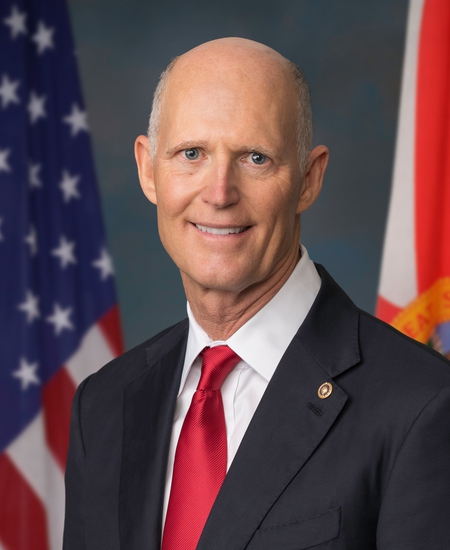
Rick Scott
Rick Scott Senate
R
Strong −
18% 22
Rand Paul
Rand Paul Senate
R
Oppose
23% 22
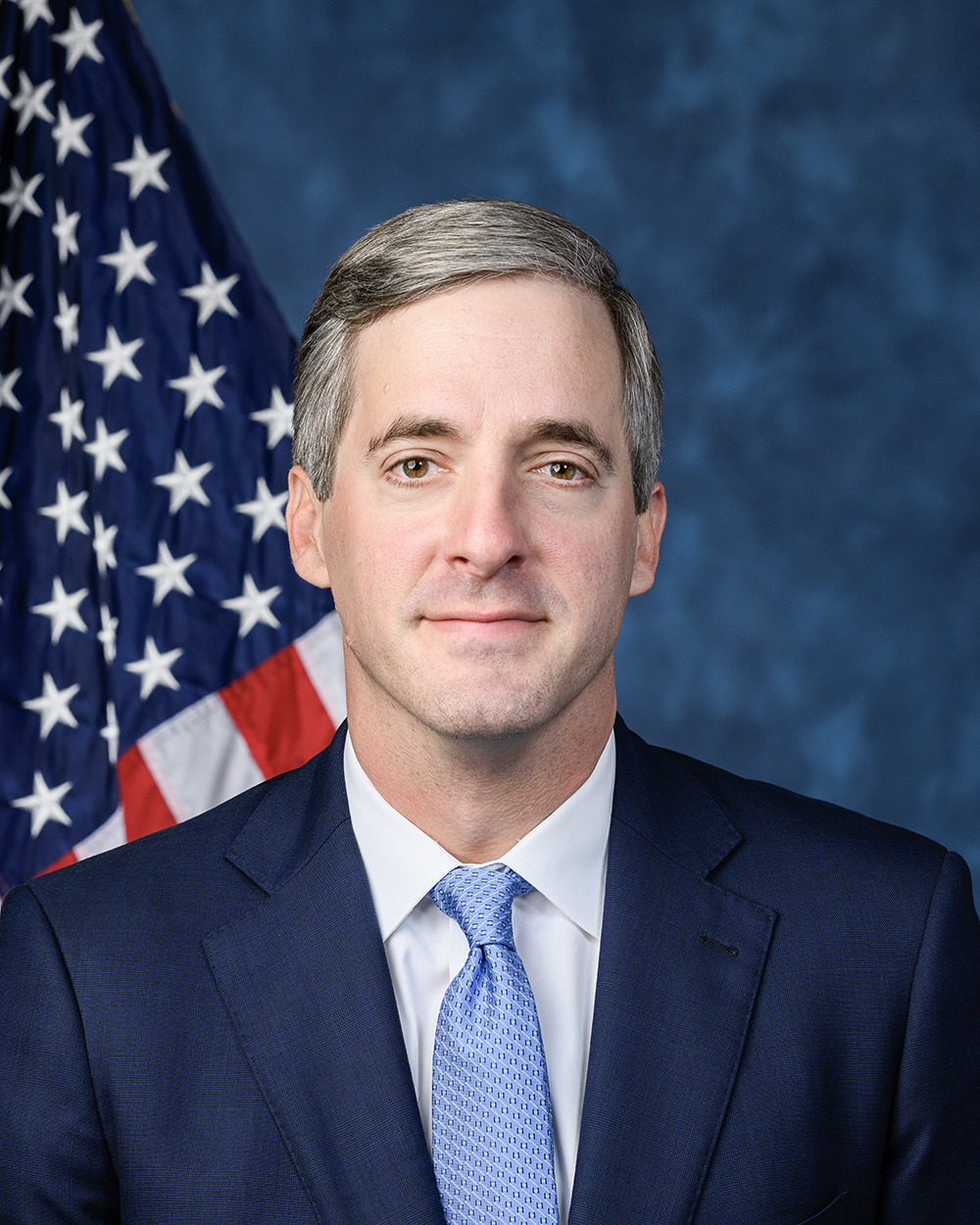
Brad Knott
Brad Knott House · District 13
R
Oppose
28% 18
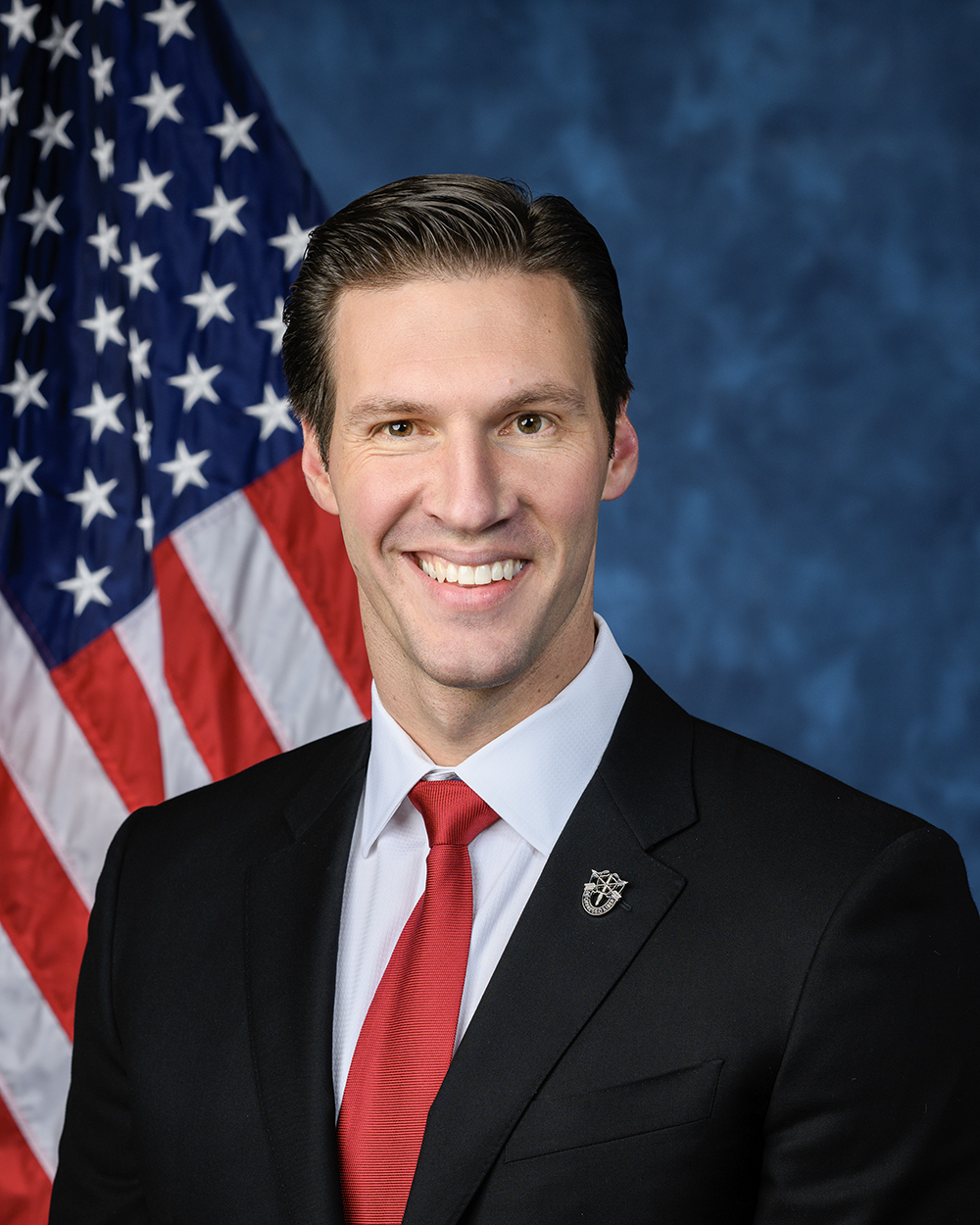
Pat Harrigan
Pat Harrigan House · District 10
R
Oppose
28% 18
Showing 3,021–3,030 of 3,150 bills

All healthcare bills

in committee · United States · House Mar 3, 2025

HR 1805: ARCH Act

The ARCH Act extends Medicare payment protections for rural hospitals through 2031, specifically prolonging the Medicare-Dependent Hospital (MDH) and Medicare Low-Volume Hospital (LVH) programs that prevent payment cuts for financially vulnerable facilities. It requires the GAO to report on rural hospital classifications - including critical access hospitals, rural emergency hospitals, and others - to analyze overlaps and recommend simplifications. The report must also assess how changing cost-reporting rules might improve financial stability for rural hospitals. This bill directly affects rural hospitals qualifying under MDH or LVH designations, ensuring continued Medicare funding until 2031.
Sub-Topics Hospitals Medicare Tags Rural Communities
in committee · United States · House May 13, 2025

HRES 407: Supporting the designation of May 10, 2025, as "National Asian American, Native Hawaiian, and Pacific Islander Mental Health Day".

HRES 407 is a symbolic House resolution designating May 10, 2025, as "National Asian American, Native Hawaiian, and Pacific Islander Mental Health Day." It directly recognizes the mental health disparities faced by AANHPI communities, including lower service utilization rates and higher youth suicide rates. The resolution encourages federal, state, and local health agencies to improve mental health awareness and access for these communities. It does not create new laws or funding but formally supports efforts to address cultural barriers in mental health care. The designation aligns with May's existing observances of AANHPI Heritage Month and Mental Health Awareness Month.
Sub-Topics Mental Health
in committee · United States · House Mar 14, 2025

HRES 224: Expressing support for the recognition of "Detransition Awareness Day".

HRES 224 is a symbolic resolution (not a binding bill) expressing support for recognizing "Detransition Awareness Day." It urges the development of policies ensuring mental health services for people experiencing discomfort with their sex, advocating for informed consent processes about gender-affirming medical procedures, and extending medical malpractice statute of limitations. The resolution also calls for removing damage caps in malpractice claims related to such procedures and requests the Department of Health and Human Services review care guidelines. It has no legal effect but aims to foster public understanding of detransition experiences and promote ethical medical standards.
Sub-Topics Mental Health
in committee · United States · House Feb 10, 2025

HR 1162: Medicaid Primary Care Improvement Act

This bill clarifies that states may use direct primary care arrangements under Medicaid, where patients pay a fixed fee for primary care only (not for other services). It requires the HHS Secretary to issue implementation guidance within one year and submit a report to Congress within two years analyzing state contracting practices and outcomes of these arrangements. The bill directly affects state Medicaid programs and managed care organizations by removing barriers to adopting this payment model. It does not change Medicaid eligibility, funding, or cost-sharing requirements. The focus is on enabling states to explore new primary care delivery methods through clear regulatory guidance.
in committee · United States · House Feb 11, 2025

HR 241: Sergeant Ted Grubbs Mental Healthcare for Disabled Veterans Act

HR 241, the Sergeant Ted Grubbs Mental Healthcare for Disabled Veterans Act, requires the Department of Veterans Affairs to provide mental healthcare services within five days for veterans with service-connected mental disorders rated at 50% or higher. This bill directly affects disabled veterans whose mental health conditions are linked to military service and meet the 50% rating threshold. The key provision amends VA care standards to mandate timely access, ensuring these veterans receive hospital care, medical services, or extended care for their mental disorder no later than five days after requesting it. The law focuses on reducing wait times for a specific group of veterans with significant service-connected mental health needs.
in committee · United States · House Aug 29, 2025

HRES 666: Supporting the goals of Overdose Awareness Day and strengthening efforts to combat the opioid crisis in the United States.

This resolution (HRES 666) recognizes Overdose Awareness Day and commits the House to advancing bipartisan policies that reduce stigma around substance use disorders. It pledges collaboration with states, health providers, and communities to support prevention, treatment, harm reduction, and recovery efforts for opioid use disorder. As a non-binding resolution, it does not create new laws or allocate funds but expresses congressional support for existing crisis response strategies.
Sub-Topics Substance Abuse
in committee · United States · Senate Jun 24, 2025

S 2149: Health Equity and Access under the Law for Immigrant Families Act of 2025

This bill removes immigration status barriers to health care for lawfully present immigrants and those with Federally authorized presence (like deferred action). It requires states to cover all lawfully present individuals in Medicaid and CHIP, expands ACA exchange eligibility for undocumented people with authorized presence, and allows states to opt into covering undocumented children in CHIP. Key provisions amend the Social Security Act to eliminate citizenship requirements for Medicaid/CHIP and treat Federally authorized presence as equivalent to lawfully present for ACA subsidies. The bill does not automatically cover all undocumented people but creates a state option to extend coverage to undocumented individuals meeting income criteria.
in committee · United States · House Dec 9, 2025

HR 6510: National Military Civilian Medical Surge Program Act of 2025

This bill establishes the Military-Civilian Medical Surge Program, requiring the Department of Defense (DoD) and Health and Human Services (HHS) to partner with civilian healthcare providers at eight or more strategic U.S. locations (including transport hubs and logistics centers) to rapidly deploy medical support during national emergencies. It directly affects military medical facilities and civilian healthcare systems by enhancing coordination for responding to crises like wars, pandemics, or disasters declared under specific federal laws. Key provisions mandate pre-identified partnerships with hospitals and academic medical centers that demonstrate expertise in high-consequence health threats, and require semiannual coordination meetings between DoD, HHS, and military health agencies. The program aims to strengthen the National Disaster Medical System’s capacity to mobilize civilian medical personnel to support military health operations during emergencies.
in committee · United States · Senate Feb 11, 2026

S 3829: Corporate Crimes Against Health Care Act

This bill creates new criminal and civil penalties for corporate entities whose actions contribute to patient harm in healthcare settings. It targets "covered parties" including executives, directors, shareholders, and private equity firms that receive "covered compensation" (such as salaries, bonuses, or equity) from a healthcare organization experiencing a "triggering event" like financial distress leading to patient harm. The bill establishes a clawback mechanism allowing the Attorney General or state attorneys general to recover compensation received by these entities during the 10 years before or after the triggering event, with recovered funds to be used for employee benefits or community health services. It also requires healthcare entities to report ownership information and mandates a study on profit-driven practices in healthcare delivery.
in committee · United States · Senate Apr 9, 2025

S 1399: Health Tech Investment Act

S 1399, the Health Tech Investment Act, creates a new Medicare payment category for algorithm-based healthcare services (like AI tools used in diagnosis or treatment) starting January 1, 2026. It requires Medicare to pay based on manufacturer costs (including software, staff, and overhead) and protects these services in the special payment category for at least five years, preventing reassignment without sufficient claims data. This directly affects Medicare beneficiaries receiving these AI-driven services and healthcare technology companies developing them. The bill also codifies existing Medicare payment rules for software-as-a-service starting January 1, 2023.
Showing 3,021 to 3,030 of 3,150 bills