Issue · Healthcare

Healthcare

Every healthcare bill, vote, and legislator stance in United States, automatically classified by Maddy, our AI policy reader.

Total bills
3,150
119th Congress
Top supporter
Darline Graham
100% support rate
Top opponent
Ashley Moody
18% support rate
Ranked legislators
10
5 support · 5 oppose
Key legislators

Who's moving healthcare in United States

Legislators moving healthcare in United States
Legislator Party Stance Support rate Decisive votes
Darline Graham
Darline Graham Senate
R
Strong +
100% 6
AA
Alan Armstrong Senate
R
Strong +
88% 8
Peter Welch
Peter Welch Senate
D
Strong +
82% 22
Ron Wyden
Ron Wyden Senate
D
Support
77% 22
Alex Padilla
Alex Padilla Senate
D
Support
76% 21
Ashley Moody
Ashley Moody Senate
R
Strong −
18% 22
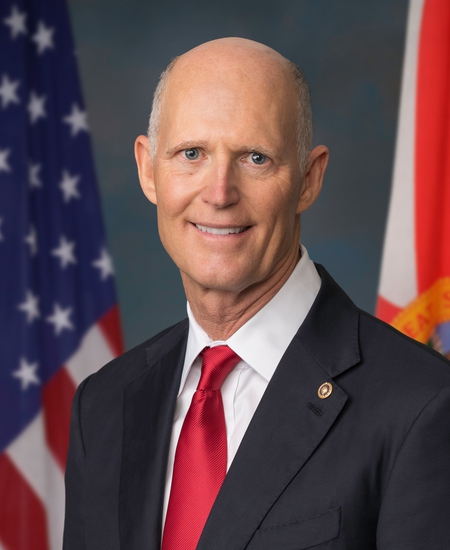
Rick Scott
Rick Scott Senate
R
Strong −
18% 22
Rand Paul
Rand Paul Senate
R
Oppose
23% 22
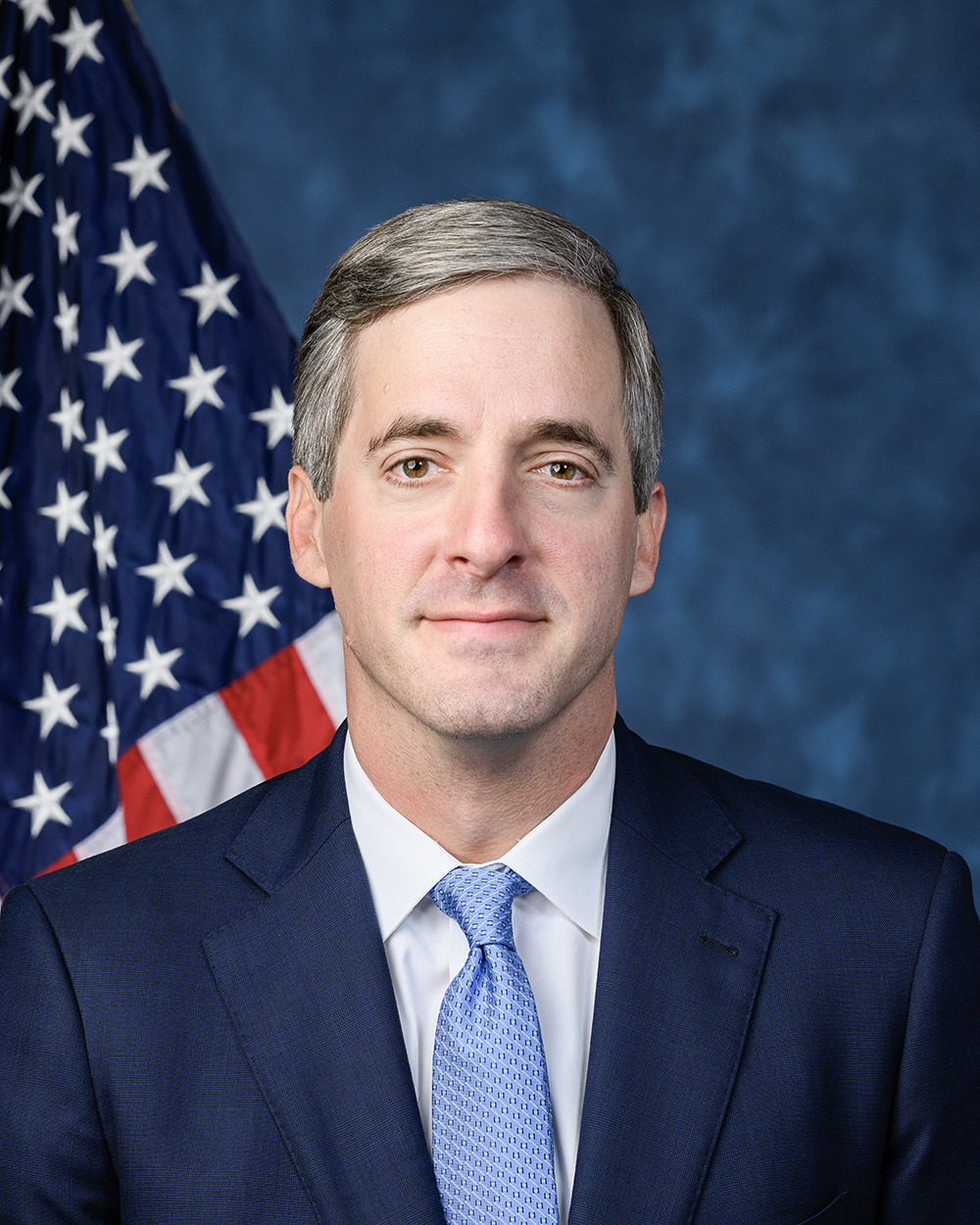
Brad Knott
Brad Knott House · District 13
R
Oppose
28% 18
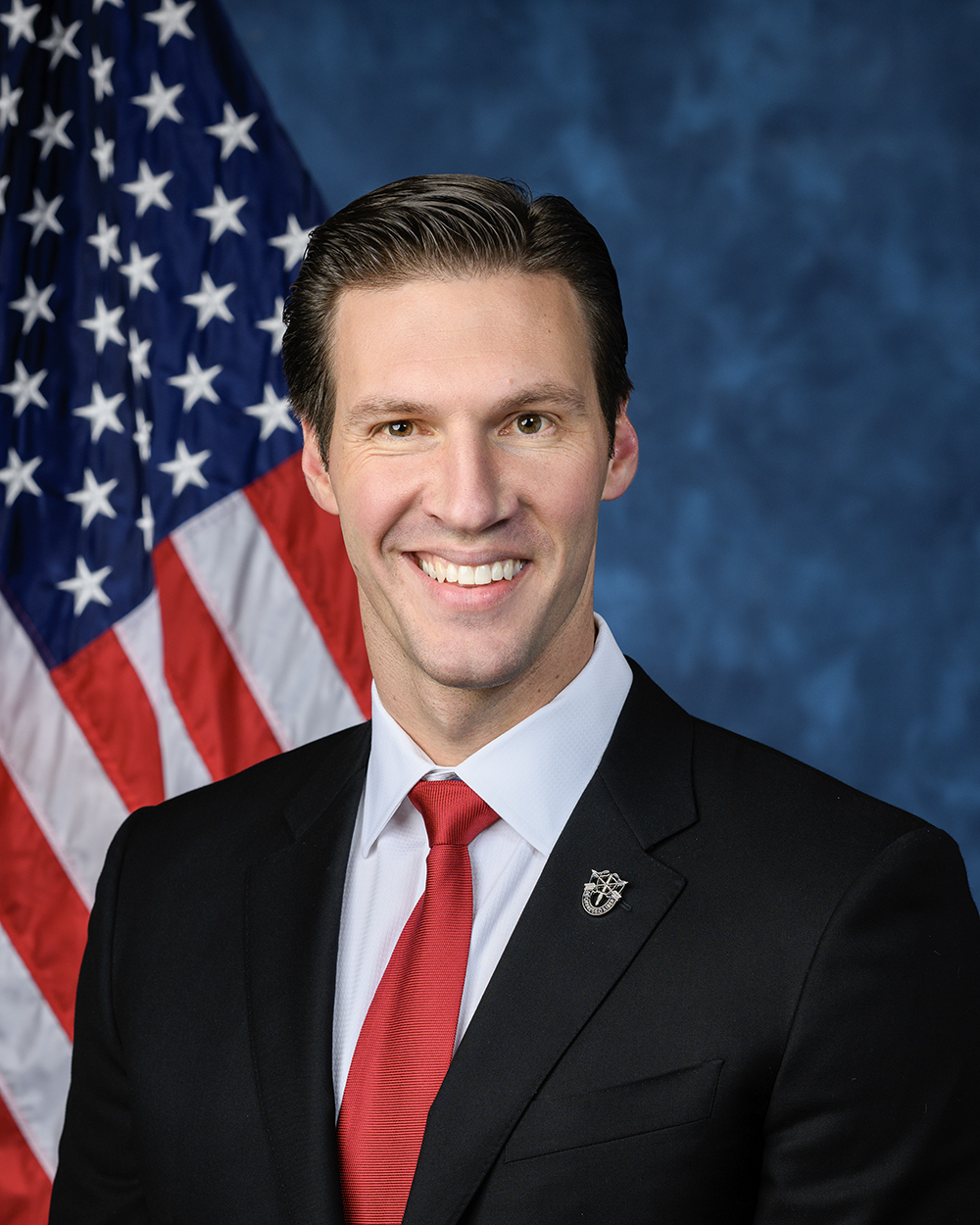
Pat Harrigan
Pat Harrigan House · District 10
R
Oppose
28% 18
Showing 2,891–2,900 of 3,150 bills

All healthcare bills

in committee · United States · House Apr 10, 2025

HR 2874: Defense of Conscience in Health Care Act

This bill requires the Health and Human Services Secretary to issue a final rule within six months of enactment that reinstates the 2019 "protecting statutory conscience rights in health care" regulation. It directly affects healthcare providers and facilities receiving federal funds, ensuring they can refuse certain services (like abortion or contraception) based on religious or moral beliefs without penalty. The rule must explicitly supersede any conflicting current regulations. This is a procedural rule restoration, not a new policy, aimed at preserving existing conscience protections under federal law.
Sub-Topics Women's Health
died · United States · Senate Dec 11, 2025

S 3386: Health Care Freedom for Patients Act of 2025

Health Care Freedom for Patients Act of 2025 This bill allows certain individuals with health savings accounts (HSAs) to receive federal payments. It also restricts payments under Medicaid and the Children's Health Insurance Program (CHIP) regarding certain noncitizens and restricts coverage of gender-transition procedures. Specifically, the bill provides funds for the Department of Health and Human Services to deposit payments into an individual’s HSA during 2026-2027 if the individual has a bronze or catastrophic plan through a health insurance exchange, is between the ages of 18 and 64, and has income up to 700% of the federal poverty level (FPL). Individuals may receive $1,000 or $1,500 annually, depending on age.  The bill also provides funds, beginning in 2027, for cost-sharing reductions for certain individuals who have a silver plan and income up to 250% of the FPL. Beginning in 2027, the bill allows any individual to enroll in a catastrophic plan. Currently, these plans are limited to those under the age of 30 or who have certain exemptions. The bill also reduces the enhanced federal matching rate for the Medicaid expansion population in states that provide any health benefits for individuals who are not qualified aliens under federal law. The bill makes Medicaid and CHIP coverage of individuals while their status is being verified optional and conditions federal payment during this period on verification.  Finally, the bill prohibits exchange plans from covering gender-transition procedures as an essential health benefit and prohibits federal payment under Medicaid and CHIP for these procedures.
in committee · United States · Senate Jan 9, 2025

S 47: Defense of Conscience in Health Care Act

This bill requires the Secretary of Health and Human Services to issue a final rule within six months of enactment that reinstates the 2019 regulation protecting healthcare providers' right to refuse certain services based on conscience. It directly affects healthcare providers (like doctors, hospitals, and clinics) who may face conflicts between their religious or moral beliefs and specific medical procedures. The rule must mirror the previous 2019 regulation (45 CFR Part 88) and override any conflicting current rules. It does not create new policies but restores a specific regulatory framework governing conscience protections in healthcare.
in committee · United States · Senate Mar 4, 2025

SRES 105: A resolution condemning the mass terminations of employees of the Department of Veterans Affairs carried out with no justification or analysis of the impact on veterans and their families.

SRES 105 is a Senate resolution condemning the February 2025 mass terminations of 2,400 Department of Veterans Affairs (VA) employees by Secretary Doug Collins, without justification or analysis of impacts on veterans. The resolution states the Senate opposes these terminations - specifically noting the lack of transparency about effects on critical services like mental health care, claims processing, and cybersecurity - and calls for all affected employees to be reinstated. This resolution does not change VA policy but expresses the Senate’s formal disapproval of the terminations and demands accountability. It was introduced by 30 Senators on March 4, 2025.
in committee · United States · Senate Dec 4, 2025

S 3349: PBM Disclosure Act

The PBM Disclosure Act clarifies that pharmacy benefit managers (PBMs) and third-party administrators (TPAs) must disclose both direct and indirect compensation they receive for managing pharmacy benefits in employer-sponsored health plans. This requirement directly affects PBMs and TPAs that provide pharmacy benefit management services to health plans. The bill mandates the Department of Labor to issue regulations within 180 days of enactment, which will apply to health plan years beginning six months after publication. The law explicitly clarifies an existing ERISA disclosure rule without creating new requirements.
in committee · United States · Senate Aug 1, 2025

S 2673: MEDIC Careers Act of 2025

The MEDIC Careers Act of 2025 aims to improve the transition of military medics (Armed Forces clinical health care personnel) into civilian healthcare careers, such as nurse aides or medical assistants. It requires the Defense Secretary to develop recommendations addressing barriers like credential translation, standardization of military training, and access to bridge programs, with a report due within 180 days. The bill also creates a $5 million annual pilot program (2026-2030) to fund grants for healthcare providers in underserved areas, supporting hiring, training, and retention of separating military medics through license preparation and coordination with transition programs. This directly affects military medics separating from service and healthcare providers in rural or medically underserved communities.
in committee · United States · House Nov 18, 2025

HR 6074: To amend the Internal Revenue Code of 1986 to extend the enhancement of the health care premium tax credit.

HR 6074 extends two key provisions of the health care premium tax credit through 2028, directly affecting households purchasing health insurance through the marketplace who qualify for these credits. It extends the enhanced amount of the tax credit (currently helping lower-income households) and maintains the rule allowing credits for people with household incomes above 400% of the federal poverty level. The bill updates the expiration dates in the tax code from 2025 to 2028, applying to tax years starting after December 31, 2025. This is a straightforward extension of existing benefits, not a new policy.
in committee · United States · House Mar 14, 2025

HR 2114: Block Organ Transplant Purchases from China Act of 2025

This bill prohibits federal health programs (Medicare, Medicaid) and private health insurance from covering organ transplants originating in China or not procured through the U.S. Organ Procurement Network, effective January 1, 2026. It defines a "prohibited organ transplant" as one performed in China or using organs not sourced via the U.S. network, including follow-up care like lab tests or drugs. Exceptions only apply to life-saving services provided *after* such a transplant. The law also imposes criminal penalties (up to 2 years in prison) and civil penalties (three times the cost) for violations.
in committee · United States · House Sep 10, 2025

HRES 693: Expressing support for the designation of September 9 as "National African Immigrant and Refugee HIV/AIDS and Hepatitis Awareness Day" or "NAIRHHA Day".

This resolution designates September 9 as "National African Immigrant and Refugee HIV/AIDS and Hepatitis Awareness Day" (NAIRHHA Day). It directly supports African immigrant and refugee communities in the U.S., which face significantly higher rates of HIV (6x the general population) and hepatitis B (10% prevalence) compared to other groups. The resolution expresses support for raising awareness about these health disparities, reducing stigma, and promoting culturally appropriate prevention, testing, and treatment resources. It is a non-binding symbolic gesture by the House of Representatives, not a policy with new requirements or funding.
Sub-Topics Refugees & Asylum
in committee · United States · Senate Nov 20, 2025

S 3280: Measuring Availability of Providers (MAP) for Veterans Act

The Measuring Availability of Providers (MAP) for Veterans Act requires the Department of Veterans Affairs to study whether establishing full-service VA hospitals in Alaska, Hawaii, and New Hampshire is feasible, with results to be published online within one year. It also amends the law to ensure veterans in these states retain access to the Veterans Community Care Program without interruption if a new VA hospital is built. The amendment specifies that this continued access applies as of the bill's enactment date, preventing gaps in care during transitions. The bill focuses on planning for potential VA facility expansion and maintaining current healthcare access for veterans in those states.
Showing 2,891 to 2,900 of 3,150 bills