Issue · Healthcare

Healthcare

Every healthcare bill, vote, and legislator stance in United States, automatically classified by Maddy, our AI policy reader.

Total bills
3,150
119th Congress
Top supporter
Darline Graham
100% support rate
Top opponent
Ashley Moody
18% support rate
Ranked legislators
10
5 support · 5 oppose
Key legislators

Who's moving healthcare in United States

Legislators moving healthcare in United States
Legislator Party Stance Support rate Decisive votes
Darline Graham
Darline Graham Senate
R
Strong +
100% 6
AA
Alan Armstrong Senate
R
Strong +
88% 8
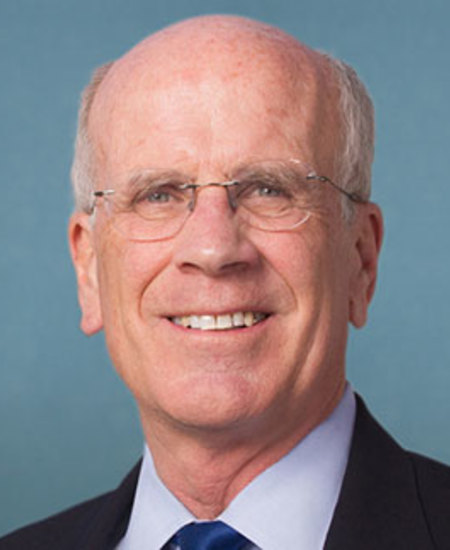
Peter Welch
Peter Welch Senate
D
Strong +
82% 22
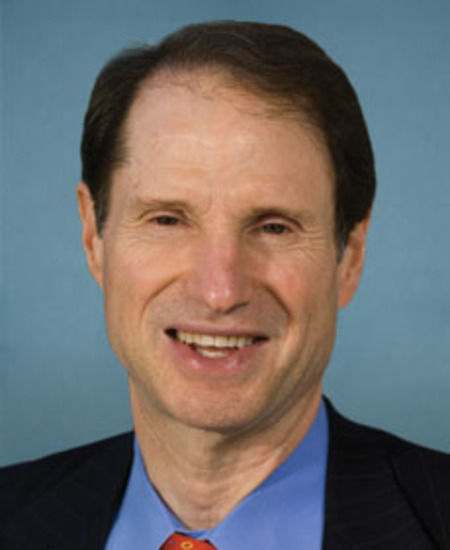
Ron Wyden
Ron Wyden Senate
D
Support
77% 22
Alex Padilla
Alex Padilla Senate
D
Support
76% 21
Ashley Moody
Ashley Moody Senate
R
Strong −
18% 22
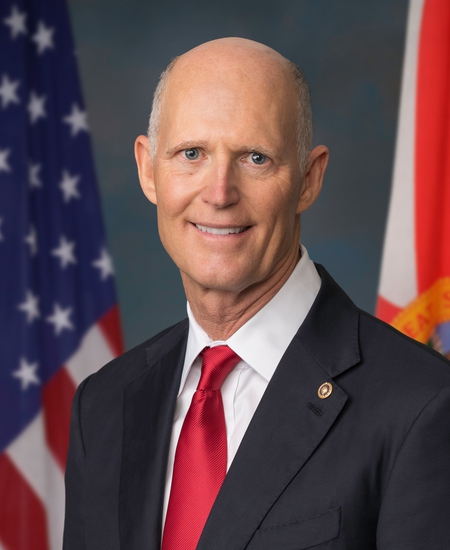
Rick Scott
Rick Scott Senate
R
Strong −
18% 22
Rand Paul
Rand Paul Senate
R
Oppose
23% 22
Brad Knott
Brad Knott House · District 13
R
Oppose
28% 18
Pat Harrigan
Pat Harrigan House · District 10
R
Oppose
28% 18
Showing 2,841–2,850 of 3,150 bills

All healthcare bills

in committee · United States · House Jun 5, 2025

HR 3792: KIDS Act

HR 3792, the KIDS Act, prohibits healthcare providers participating in Medicare, Medicaid, or CHIP from requesting minors' gender identity or sexual preference on intake forms or during healthcare enrollment. The bill bans such requests for non-essential information unrelated to a minor's medical diagnosis, treatment, or prevention of health conditions. Providers must stop collecting this data 180 days after the bill's enactment, with a new reporting system for violations to be established by the HHS within the same timeframe. This directly affects healthcare providers serving children under 18 in federally funded health programs.
in committee · United States · Senate Mar 12, 2025

S 977: End Taxpayer Funding of Gender Experimentation Act of 2025

This bill prohibits federal funds from covering gender transition procedures in any federal health program, including Medicaid, military health care, and federal employee benefits. It broadly defines "gender transition procedures" to include hormone treatments, surgeries (like hysterectomies or breast implants), and cosmetic procedures, while excluding treatment for disorders of sex development, medical emergencies, or precocious puberty. The bill also modifies the Affordable Care Act to block federal premium tax credits and cost-sharing subsidies for health plans covering these procedures, though it allows states or individuals to pay for separate coverage using non-federal funds. It directly affects federal health programs, Medicaid, and ACA marketplace plans by restricting federal funding for gender transition care.
Sub-Topics Insurance Medicaid
in committee · United States · House Jan 21, 2026

HR 7189: PrEP Access Act

The PrEP Access Act expands Medicare Part B coverage to include pharmacist-provided HIV prevention services, such as pre-exposure prophylaxis (PrEP) counseling, medication administration, and related testing. It directly affects Medicare beneficiaries (primarily seniors) and pharmacists, allowing pharmacists to bill Medicare for these services under state law. Key provisions set payment at 80% of the lesser of actual charges or 85% of physician rates, and prohibit balance billing for these services. The policy change takes effect January 1, 2027, making PrEP more accessible through pharmacy settings.
in committee · United States · Senate Jan 29, 2026

S 3729: PBM Reporting Transparency Act

The PBM Reporting Transparency Act requires the Medicare Payment Advisory Commission (MedPAC) to produce two reports analyzing pharmacy benefit manager (PBM) agreements with Medicare prescription drug plans. The first report, due 2 years after data becomes available, must detail trends in PBM contracts, their impact on beneficiaries' out-of-pocket costs and pharmacy reimbursement rates, and include recommendations. A second report, due 2 years after the first, will track changes in this data over time and provide updated recommendations. This legislation directly affects Medicare drug plan participants by increasing transparency around PBM practices that influence prescription drug costs.
in committee · United States · Senate Jan 27, 2026

S 3707: Nurse Faculty Shortage Reduction Act of 2026

The Nurse Faculty Shortage Reduction Act of 2026 creates a federal grant program to help nursing schools address faculty shortages by supplementing salaries. Nursing schools applying for grants must submit detailed salary data comparing clinical nurse pay to current faculty pay (adjusted for inflation), then receive funding to cover the difference for eligible faculty - those who previously worked in clinical practice or are new hires. Grants last up to three years ($15 million annually from 2027-2031) and require schools to maintain the salary supplement level throughout the grant period. Priority is given to schools in health professional shortage areas, serving vulnerable populations, or focusing on underrepresented faculty. The program requires schools to demonstrate plans for sustaining salary support after the grant ends.
in committee · United States · House Jun 9, 2026

HRES 830: Providing for consideration of the bill (H.R. 999) to protect an individual's ability to access contraceptives and to engage in contraception and to protect a health care providers ability to provide contraceptives, contraception, and information related to contraception.

HRES 830 is a procedural resolution that schedules consideration of H.R. 999, the bill aiming to protect access to contraceptives and related healthcare services. It removes obstacles to debating H.R. 999 by waiving objections and setting specific rules for debate time (one hour, equally divided) and amendments. The resolution does not change contraceptive access laws itself but enables the House to vote on H.R. 999 by streamlining the legislative process. It directly affects the House's workflow and the timing of the H.R. 999 vote.
Sub-Topics Women's Health
in committee · United States · Senate May 15, 2025

S 1776: Medicare Beneficiary Co-Pay Fairness Act

The Medicare Beneficiary Co-Pay Fairness Act (S 1776) limits out-of-pocket costs for Medicare beneficiaries receiving certain surgical procedures at ambulatory surgical centers. It ensures that coinsurance payments for these services cannot exceed the annual inpatient hospital deductible amount for the same year. If the standard coinsurance would surpass that deductible, the bill requires the Medicare Secretary to cap the beneficiary's payment at the deductible level and reimburse the surgical center for the difference. This change applies to services provided on or after January 1, 2026, directly affecting Medicare beneficiaries undergoing qualifying surgeries.
Sub-Topics Hospitals Medicare
in committee · United States · House Jun 5, 2025

HR 3769: Dependent Income Exclusion Act of 2025

HR 3769, the Dependent Income Exclusion Act of 2025, modifies tax rules to help families qualify for health insurance premium tax credits. It excludes certain income earned by dependents under age 18, or dependents aged 18-24 enrolled in approved education or job-training programs (like those under the Workforce Innovation Act), from being counted toward household income for credit calculations. The exclusion is limited to 15% of a family’s total income, and in states that haven’t expanded Medicaid, it cannot reduce household income below 100% of the federal poverty line. The bill amends the Internal Revenue Code and Affordable Care Act to implement these changes, affecting families claiming health insurance tax credits.
in committee · United States · House Dec 5, 2025

HRES 933: Expressing the sense of the House of Representatives regarding the critical role of victim service providers in the response to domestic violence, dating violence, sexual assault, and stalking, by supporting victims through the physical, mental, emotional, financial, and legal challenges they may face in the aftermath of violence.

HRES 933 is a non-binding House resolution expressing support for victim service providers who assist survivors of domestic violence, dating violence, sexual assault, and stalking. It acknowledges these providers - such as shelters, nonprofits, and community organizations - help survivors navigate legal, medical, and emotional challenges, including safety planning and connecting to resources. The resolution highlights their critical but often underfunded role and calls for meaningful investment to sustain their lifesaving work. (Note: As a resolution, it does not create new laws or funding but formally recognizes the need for support.)
in committee · United States · Senate Dec 3, 2025

S 3321: FAIR Leave Act

The FAIR Leave Act (S 3321) repeals a 12-month waiting period requirement under the Family and Medical Leave Act (FMLA) for spouses seeking leave. It directly affects spouses of employees covered by FMLA, removing a previous barrier to immediate eligibility. The key provision eliminates Section 102(f) of the FMLA, which had required spouses to work for 12 months before qualifying for leave. This change allows spouses to access FMLA leave from their first day of employment, without waiting for a year. The bill makes no other changes to FMLA provisions.
Sub-Topics Paid Leave
Showing 2,841 to 2,850 of 3,150 bills