Issue · Healthcare

Healthcare (Women's Health)

Every healthcare bill, vote, and legislator stance in United States, automatically classified by Maddy, our AI policy reader.

Total bills
302
119th Congress
Top supporter
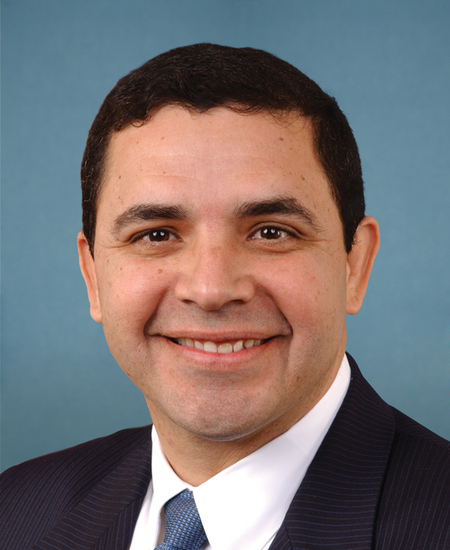
Henry Cuellar
100% support rate
Top opponent
John Garamendi
33% support rate
Ranked legislators
6
5 support · 1 oppose
Key legislators

Who's moving women's health in United States

Legislators moving women's health in United States
Legislator Party Stance Support rate Decisive votes
Henry Cuellar
Henry Cuellar House · District 28
D
Strong +
100% 4
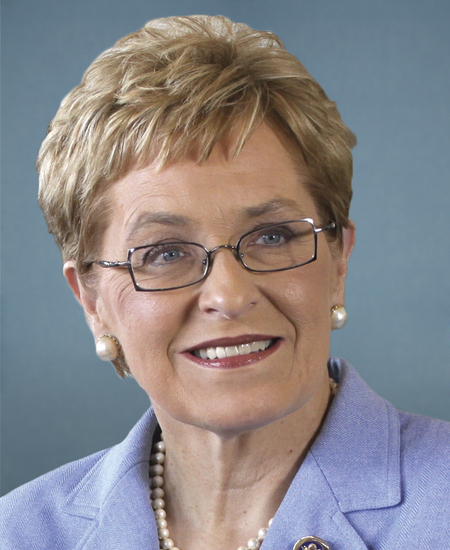
Marcy Kaptur
Marcy Kaptur House · District 9
D
Support
67% 3
Mike Haridopolos
Mike Haridopolos House · District 8
R
Support
67% 3
Aaron Bean
Aaron Bean House · District 4
R
Mixed
50% 4
Abraham J. Hamadeh
Abraham J. Hamadeh House · District 8
R
Mixed
50% 4
John Garamendi
John Garamendi House · District 8
D
Oppose
33% 3
Showing 251–260 of 302 bills

All healthcare bills

in committee · United States · Senate Jun 18, 2025

S 2131: Dads Matter Act of 2025

S 2131, the Dads Matter Act of 2025, requires the Health and Human Services Secretary to launch a public awareness campaign within two years and issue state guidance within one year to improve father involvement in prenatal and postpartum care. The campaign will promote father engagement through public messaging, while the guidance will direct states to train healthcare providers (like OB-GYNs and hospitals) on supporting fathers’ roles during pregnancy and early childcare. Key provisions focus on increasing prenatal care attendance, reducing maternal health risks, improving breastfeeding success, and promoting father-infant bonding. This policy directly affects healthcare systems nationwide by changing provider practices to better include fathers in maternal and infant health support.
in committee · United States · House Nov 25, 2025

HR 6303: CARE for Moms Act

The CARE for Moms Act aims to reduce maternal mortality in the United States by expanding access to comprehensive care for pregnant and postpartum individuals. It directly affects women, particularly Black women who face disproportionately higher maternal mortality rates, as well as rural and underserved communities. Key provisions include funding State-based perinatal quality collaboratives ($35 million annually), requiring 12-month Medicaid coverage for postpartum individuals, mandating oral health services during pregnancy, supporting doula services through $50 million in grants, and creating regional centers to address implicit bias in healthcare. The bill also establishes rural mobile health units for obstetric care and requires hospitals to notify authorities 90 days before closing obstetric units. These changes aim to address systemic issues contributing to the U.S. maternal mortality crisis, which has the highest rate among developed nations.
in committee · United States · Senate Nov 20, 2025

S 3238: Conscience Protections for Medical Residents Act

This bill prohibits Medicare-approved medical residency programs from requiring residents to undergo abortion-related training without their voluntary opt-in. It specifically bans programs from mandating such training or discriminating against residents who choose not to participate in abortion care (including counseling or referrals). The law applies directly to medical residents in Medicare-funded postgraduate training programs. Key provisions ensure residents can opt out without penalty and prevent programs from penalizing those who decline abortion-related instruction.
in committee · United States · Senate Jul 31, 2025

S 2621: A bill to amend the Public Health Service Act to reauthorize support for State-based maternal mortality review committees, to direct the Secretary of Health and Human Services to disseminate best practices on maternal mortality prevention to hospitals, State-based professional societies, and perinatal quality collaboratives, and for other purposes.

This bill reauthorizes funding for state-level maternal mortality review committees, which analyze pregnancy-related deaths to identify preventable causes. It requires the Health and Human Services Secretary to share annual best practices for preventing maternal mortality with hospitals, medical societies, and maternity care groups. The bill increases annual funding for these programs from $58 million to $100 million, extending support through fiscal years 2026-2030. These changes directly affect state health agencies, hospitals, and medical professionals working on maternal health. The focus is on improving death record accuracy and implementing proven prevention strategies.
in committee · United States · House Jul 15, 2025

HR 4395: Stephanie Tubbs Jones Uterine Fibroid Research and Education Act of 2025

This bill directs the Department of Health and Human Services to significantly increase federal research funding for uterine fibroids ($30 million annually from 2026-2030), expand coordination of NIH research, and establish a Medicaid data system to track treatment access and costs. It mandates public education on fibroid symptoms, prevalence (especially among Black women, who face higher risk and severity), and non-hysterectomy treatment options. The bill also requires disseminating evidence-based provider resources on managing fibroids while preserving fertility. These provisions directly affect the estimated 26 million U.S. women with fibroids - particularly women of color - and aim to address the current lack of research and treatment data.
in committee · United States · Senate Jun 24, 2025

S 2150: Women’s Health Protection Act of 2025

The Women’s Health Protection Act of 2025 (S 2150) prohibits state laws that impose unnecessary restrictions on abortion access before fetal viability. It directly affects patients seeking abortion care and health care providers (including clinics, hospitals, and medical professionals), banning requirements like mandatory in-person visits, location-based travel barriers, or restrictions on telemedicine that don’t apply to comparable medical procedures. The bill overrides conflicting state laws, requires courts to consider factors like cost and travel burden when evaluating restrictions, and establishes federal enforcement through lawsuits to stop violations. It focuses on ensuring access to abortion services without burdens that hinder care, while allowing post-viability abortions only when necessary to protect a patient’s life or health.
in committee · United States · House Jun 5, 2025

HR 3762: Supporting Healthy Moms and Babies Act

HR 3762, the Supporting Healthy Moms and Babies Act, requires health insurance plans to cover comprehensive prenatal, childbirth, neonatal, perinatal, and postpartum care without cost-sharing (like copays or deductibles). It mandates specific services including ultrasounds, care for pregnancy loss, delivery support, and postpartum behavioral health services for conditions like diabetes or hypertension. The bill applies to group health plans and individual insurance policies starting after the law's enactment, covering both biological mothers and legal parents who did not give birth. This policy directly affects insured individuals seeking maternal and newborn healthcare, ensuring these essential services are fully covered under existing Affordable Care Act requirements.
in committee · United States · House Feb 11, 2025

HR 1208: No Tax Breaks for Radical Corporate Activism Act

This bill denies tax deductions to employers for expenses related to two specific services: (1) reimbursing employees for travel to obtain an abortion, and (2) covering gender transition procedures for a minor child (under age 18). It directly affects employers who provide health benefits or reimbursements for these services, making such costs non-deductible for tax purposes. Key provisions define "gender transition procedure" broadly to include medical/surgical services, puberty-blocking drugs, and cross-sex hormones, with limited exceptions for medically verified disorders of sex development or complications from prior procedures. The law would take effect for taxable years after enactment.
in committee · United States · House Jan 3, 2025

HR 49: No Pro-Abortion Task Force Act

HR 49, the "No Pro-Abortion Task Force Act," blocks federal funding for the HHS Reproductive Healthcare Access Task Force (created January 21, 2022) and any similar successor group. It directly affects the Department of Health and Human Services by preventing the use of taxpayer money to operate this specific task force. The bill does not alter abortion laws or healthcare access; it only prohibits federal funds from supporting this particular initiative. This is a procedural funding restriction, not a policy change on reproductive healthcare.
Sub-Topics Women's Health
in committee · United States · Senate Mar 19, 2026

S 2289: Healthy Moms and Babies Act

The Healthy Moms and Babies Act (S 2289) aims to improve maternal and infant health outcomes by strengthening Medicaid and CHIP programs. It requires states to report on maternal health quality measures, establishes a new "maternity health home" option for coordinated care during pregnancy and postpartum, and mandates studies on reducing cesarean sections and expanding doula services under Medicaid. The bill also requires states to collect data on social determinants of health affecting pregnant and postpartum women and provides guidance for reducing maternal mortality and severe morbidity. These provisions directly affect pregnant and postpartum women enrolled in Medicaid, healthcare providers, and state Medicaid programs.
Showing 251 to 260 of 302 bills
Previous 1 … 25 26 27 … 31 Next