Issue · Healthcare

Healthcare

Every healthcare bill, vote, and legislator stance in United States, automatically classified by Maddy, our AI policy reader.

Total bills
3,230
119th Congress
Top supporter
Darline Graham
82% support rate
Top opponent
Rick Scott
19% support rate
Ranked legislators
10
5 support · 5 oppose
Key legislators

Who's moving healthcare in United States

Legislators moving healthcare in United States
Legislator Party Stance Support rate Decisive votes
Darline Graham
Darline Graham Senate
R
Strong +
82% 11
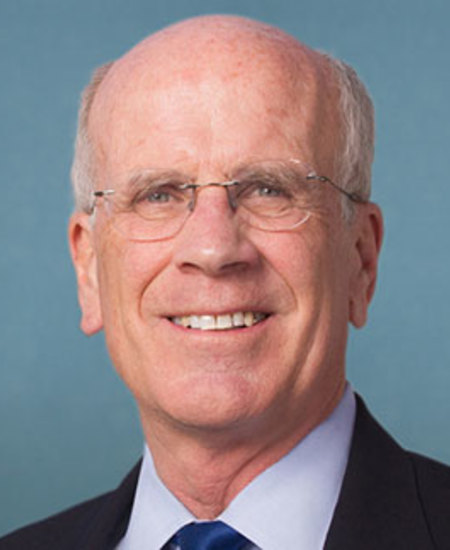
Peter Welch
Peter Welch Senate
D
Strong +
81% 27
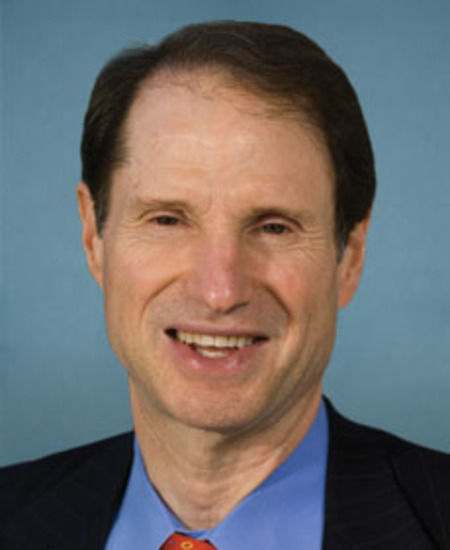
Ron Wyden
Ron Wyden Senate
D
Support
78% 27
Alex Padilla
Alex Padilla Senate
D
Support
77% 26
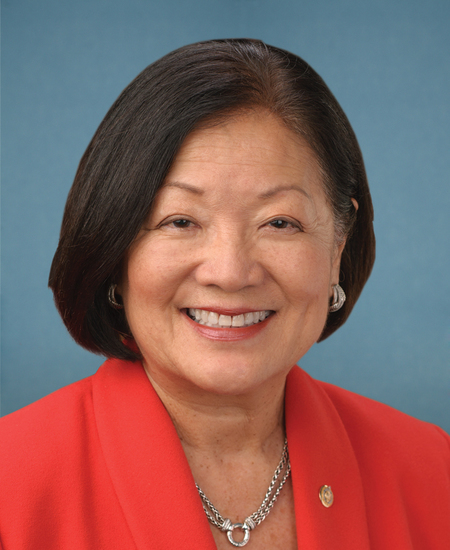
Mazie K. Hirono
Mazie K. Hirono Senate
D
Support
74% 27
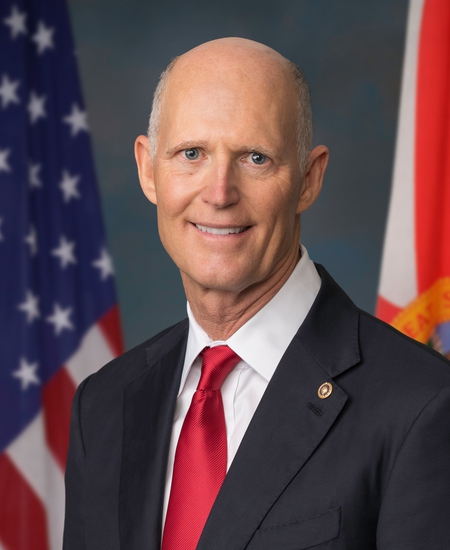
Rick Scott
Rick Scott Senate
R
Strong −
19% 27
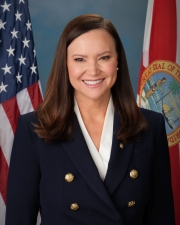
Ashley Moody
Ashley Moody Senate
R
Oppose
22% 27
Rand Paul
Rand Paul Senate
R
Oppose
22% 27
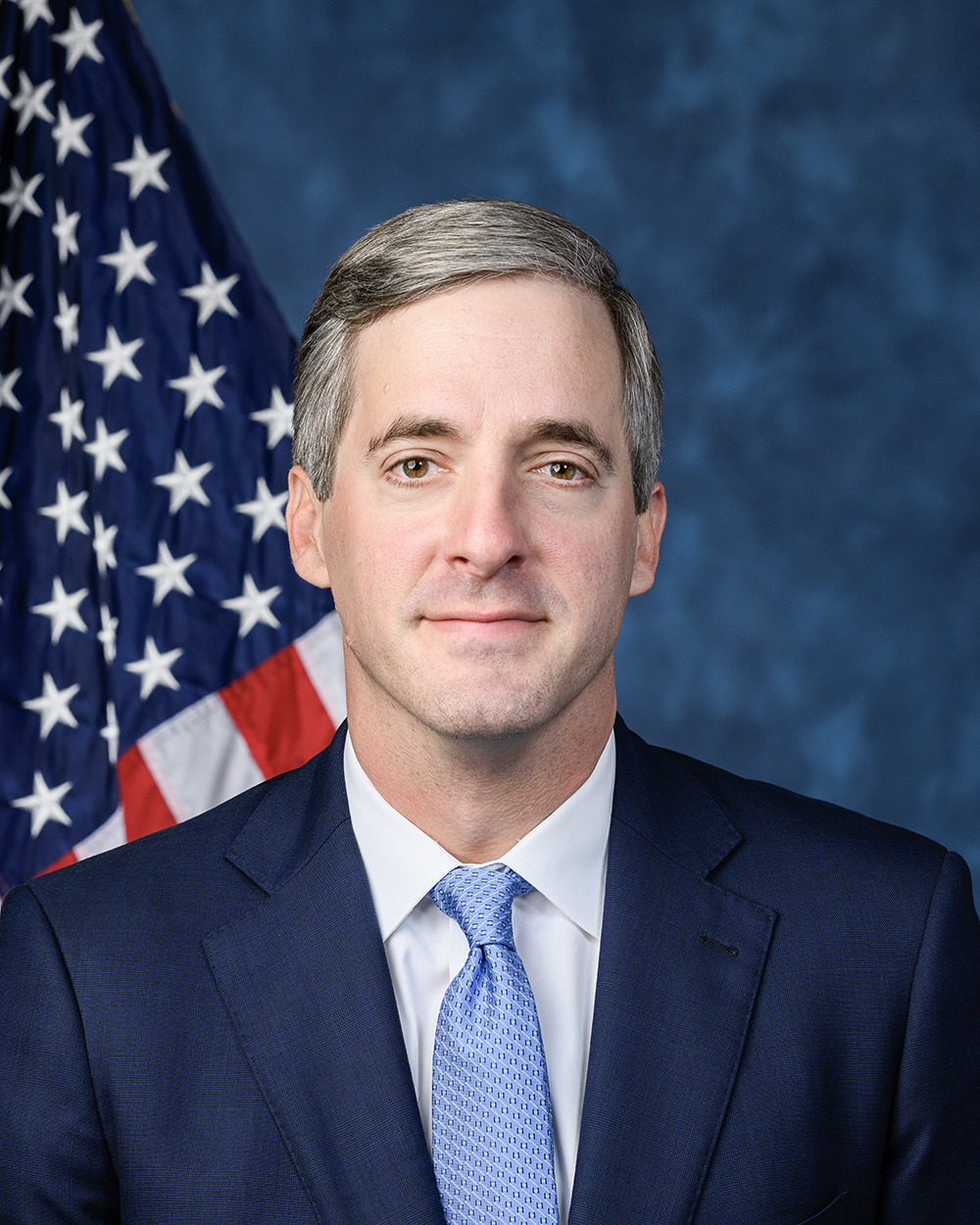
Brad Knott
Brad Knott House · District 13
R
Oppose
28% 18
Pat Harrigan
Pat Harrigan House · District 10
R
Oppose
28% 18
Showing 2,001–2,010 of 3,230 bills

All healthcare bills

in committee · United States · Senate Jun 10, 2025

S 2005: IDeA Reauthorization Act of 2025

This bill reauthorizes the NIH's Institutional Development Award (IDeA) program, formally naming it as such and defining eligible states. It targets research institutions in states receiving below-median NIH grant funding (referred to as "IDeA States"), directly affecting those institutions and their ability to compete for NIH funding. Key provisions include requiring NIH to annually report on program strategy, specific awards made, integration efforts with non-IDeA states, and measurable outcomes like research quality improvements over five years. The bill clarifies program administration and mandates transparency through public reporting, without creating new funding or altering eligibility criteria.
in committee · United States · House Mar 18, 2025

HR 2191: Physician Led and Rural Access to Quality Care Act

This bill modifies Medicare's physician self-referral rules to improve access for rural communities. It creates a new exemption for "covered rural hospitals" (defined as facilities in rural areas more than 35 miles from another hospital or critical access hospital) from certain restrictions on physicians owning hospitals. The bill also removes a prohibition on expanding existing physician-owned hospitals, allowing such expansions after the law's enactment. These changes directly affect rural hospitals seeking Medicare participation and physicians who own or operate hospitals in underserved areas.
in committee · United States · House Dec 16, 2025

HR 6730: HERO Act

HR 6730, the HERO Act, allows active-duty military members and reservists on active duty to sue the U.S. government directly for medical negligence at military hospitals (excluding combat zones). It replaces a previous law by creating a new federal claim process for injuries or deaths caused by faulty medical care, dental services, or related health functions provided by military staff. The bill prevents the government from reducing compensation by veterans' benefits or military life insurance payouts and sets a 10-year deadline from when the injury was discovered to file a claim. This change directly affects service members who suffer harm due to medical errors at covered military treatment facilities.
Sub-Topics Veteran Healthcare
in committee · United States · House Mar 14, 2025

HR 2107: Children’s Hospital GME Support Reauthorization Act of 2025

This bill reauthorizes federal funding for children's hospitals operating graduate medical education (GME) programs through 2030, extending current support until fiscal year 2030. It prohibits payments to any hospital that provided "specified procedures and drugs" to minors under 18 during the prior fiscal year, including surgeries like hysterectomies or puberty-blocking medications. Exceptions apply for medically necessary treatments, such as puberty suppression for precocious puberty or genetic disorders, and care for life-threatening conditions. The bill specifies annual funding levels: $124 million for hospital GME support and $261 million for other program payments from 2026-2030. It directly affects children's hospitals receiving federal GME funding, requiring them to comply with the new restrictions on certain medical services for minors.
Sub-Topics Hospitals
in committee · United States · House Mar 10, 2025

HR 2005: DMEPOS Relief Act of 2025

This bill extends current Medicare payment rates for durable medical equipment (like wheelchairs and oxygen) in non-rural areas through December 2025. It delays implementing a new payment rule for all areas until January 2026. The law directly affects Medicare beneficiaries needing equipment and the suppliers who provide it by maintaining existing reimbursement rates for an additional year. This avoids immediate payment reductions for non-rural areas while postponing the full transition to new rates.
Sub-Topics Medicare
in committee · United States · House Feb 2, 2026

HR 7309: Reentry Resource Guide Act of 2026

HR 7309, the Reentry Resource Guide Act of 2026, creates a federal pilot program to fund states in developing digital resource guides for people returning to communities after incarceration. The bill requires states to create comprehensive, regionally sortable online guides listing contact information for 30+ essential services - including housing, employment, healthcare, crisis lines, substance abuse treatment, and disability support - available for download. States apply for 3-year grants (up to $8 million annually from 2027-2030) to build these guides, with funds covering planning, staffing, and maintenance. Grantees must report annually on fund use, and the Attorney General will evaluate the program’s impact on recidivism after the pilot ends. The direct beneficiaries are formerly incarcerated individuals seeking access to critical community resources.
in committee · United States · House Dec 12, 2025

HR 6690: Northern Mariana Islands Medicaid Advancement Act

This bill amends the Social Security Act to increase Medicaid payment limits for the Northern Mariana Islands. It directly affects the Northern Mariana Islands' Medicaid program by setting its 2026 payment amount equal to the amount allocated to American Samoa for that same fiscal year. The key provision modifies Section 1108(g)(2)(D) to add a new clause specifying this alignment for fiscal year 2026. This changes the funding formula for the territory's Medicaid program without creating new benefits or eligibility rules. The adjustment applies only to the payment limit calculation for the Northern Mariana Islands' Medicaid program.
Sub-Topics Medicaid
in committee · United States · House Jan 13, 2026

HR 5055: Increasing Nutrition Access for Seniors Act of 2025

This bill amends the Food and Nutrition Act to improve SNAP (food stamp) access for seniors and disabled individuals. It creates a new standard medical deduction: seniors can self-attest to monthly medical expenses over $35, allowing a fixed $155 deduction (adjusted yearly for inflation) to be subtracted from household income when calculating SNAP benefits. States may also set higher deductions if they provide evidence of higher local medical costs. This directly affects seniors and disabled SNAP recipients with medical expenses, making it easier for them to qualify for benefits by reducing their counted income. The changes apply to certification periods starting after the bill's effective date.
Tags Seniors
in committee · United States · House May 7, 2025

HR 3263: PATCH Act

HR 3263, the PATCH Act, modifies Medicare payment rules for physicians in Hawaii. It requires the Medicare program to set a minimum payment adjustment factor of 1.5 for physician services provided in Hawaii starting January 1, 2026, if the standard calculation would result in a lower value. This change directly affects Medicare-reimbursed physicians and healthcare providers operating in Hawaii. The key mechanism is a floor on the "work geographic index," ensuring payments in Hawaii do not fall below this minimum level. The provision applies specifically to services furnished in Hawaii after 2025.
Sub-Topics Medicare
in committee · United States · House Feb 26, 2025

HR 1616: Promoting Access to Diabetic Shoes Act

This bill amends Medicare rules to allow nurse practitioners and physician assistants to certify diabetic shoe coverage for Medicare beneficiaries with diabetes, expanding the current requirement that only physicians could provide this documentation. It directly affects Medicare patients needing specialized footwear due to diabetes and healthcare providers like NPs and PAs who would now be authorized to meet the certification requirement. The key change modifies Section 1861(s)(12) of the Social Security Act to insert "nurse practitioner, or physician assistant" in all relevant sections of the documentation rules. This update simplifies access to covered diabetic shoes by broadening which healthcare professionals can issue the necessary certification.
Showing 2,001 to 2,010 of 3,230 bills