Issue · Healthcare

Healthcare (Insurance)

Every healthcare bill, vote, and legislator stance in United States, automatically classified by Maddy, our AI policy reader.

Total bills
282
119th Congress
Top supporter
Adam B. Schiff
90% support rate
Top opponent
Jerry Moran
0% support rate
Ranked legislators
10
5 support · 5 oppose
Key legislators

Who's moving insurance in United States

Legislators moving insurance in United States
Legislator Party Stance Support rate Decisive votes
Adam B. Schiff
Adam B. Schiff Senate
D
Strong +
90% 10
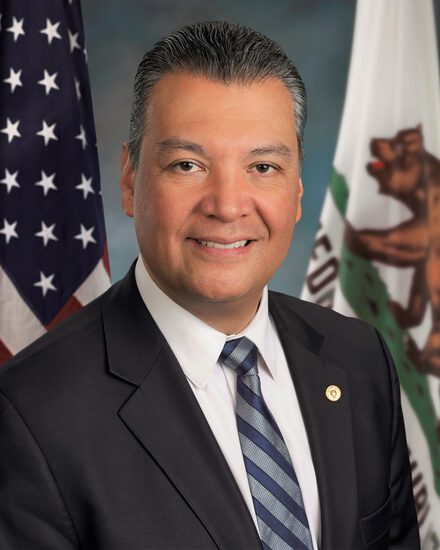
Alex Padilla
Alex Padilla Senate
D
Strong +
90% 10
Amy Klobuchar
Amy Klobuchar Senate
D
Strong +
90% 10
Andy Kim
Andy Kim Senate
D
Strong +
90% 10
Angela D. Alsobrooks
Angela D. Alsobrooks Senate
D
Strong +
90% 10
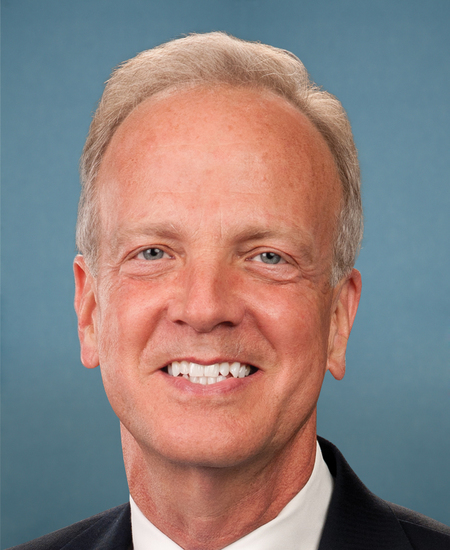
Jerry Moran
Jerry Moran Senate
R
Strong −
0% 8
Ashley Moody
Ashley Moody Senate
R
Strong −
10% 10
Bernie Moreno
Bernie Moreno Senate
R
Strong −
10% 10
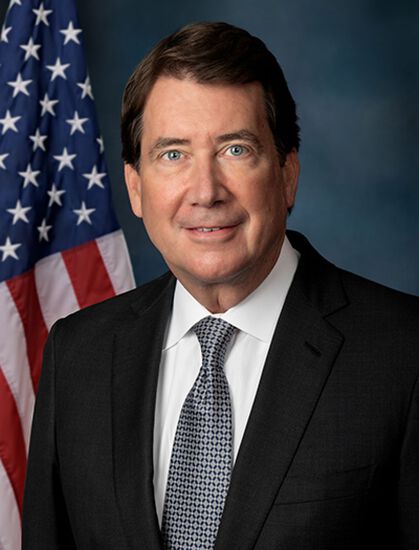
Bill Hagerty
Bill Hagerty Senate
R
Strong −
10% 10
Chuck Grassley
Chuck Grassley Senate
R
Strong −
10% 10
Showing 191–200 of 282 bills

All healthcare bills

in committee · United States · Senate Dec 2, 2025

S 3304: Medical Foods and Formulas Access Act of 2025

The Medical Foods and Formulas Access Act of 2025 would require Medicare, Medicaid, CHIP, and the Federal Employees Health Benefits Program to cover medically necessary food for people with specific digestive and metabolic disorders. This includes specialized formulas and nutrients prescribed by healthcare providers for conditions like inherited metabolic disorders, inflammatory bowel disease, and food protein allergies. The bill defines "medically necessary food" to include items such as amino acid preparations, low protein modified foods, and vitamins specifically designed for these conditions, along with necessary medical equipment for administration. Coverage would apply to federal health programs with different effective dates (1-3 years from enactment) and encourages private health insurance plans to provide similar coverage for these life-sustaining treatments.
in committee · United States · Senate Sep 18, 2025

S 2858: SHINE for Autumn Act of 2025

This bill provides $5 million annually (2026-2030) to states for improving stillbirth data collection and research, directly affecting state health departments and public health officials. It requires states to collect deidentified stillbirth data - including risk factors - using existing systems like fetal mortality reviews, while ensuring strict privacy compliance. The bill also allocates $1 million yearly to develop standardized data collection guidelines and public educational materials about stillbirths, with input from medical professionals and bereavement organizations. It mandates a public HHS report within five years containing these guidelines and educational resources to improve data consistency and awareness. The legislation focuses on enhancing data quality for research and public health, without altering medical care or insurance coverage.
in committee · United States · Senate Jul 29, 2025

S 2496: Keep Kids Covered Act

The Keep Kids Covered Act extends continuous health coverage for children enrolled in Medicaid and CHIP. It requires states to maintain coverage for newborns and young children until age 6 (previously 1 year), for children ages 6-18 until age 19 (previously 12 months), and for former foster youth until age 26 (previously 18). The bill also mandates states to update contact information annually for long-term enrollees and inform them about their coverage duration. These changes aim to prevent gaps in health insurance for vulnerable children and youth. The provisions take effect one year after the bill's enactment.
Sub-Topics Children's Health Insurance Medicaid Tags Children
in committee · United States · Senate Dec 10, 2025

S 3418: COMPETE Act

This bill amends the Public Health Service Act to formally define "short-term limited duration insurance" (STLDI) as health insurance plans with contracts expiring within 12 months of their start date. It allows these plans to include renewal options without premium increases based on health status. The definition directly affects health insurance issuers selling STLDI and consumers purchasing these temporary coverage options. This change creates a clear regulatory category for short-term plans but does not alter their availability or requirements beyond the defined terms.
in committee · United States · Senate Apr 28, 2025

S 1500: Access to Breast Cancer Diagnosis Act of 2025

This bill requires most health insurance plans to cover diagnostic and supplemental breast examinations with no out-of-pocket costs (like deductibles or copays) for enrollees. It specifically covers medically necessary exams used to evaluate abnormalities (diagnostic) or for high-risk screening (supplemental), following national cancer guidelines. Insurance plans may still require prior authorization but cannot impose cost-sharing for these services. The rule applies to group and individual plans starting January 1, 2026, and does not override stricter state laws protecting coverage.
Sub-Topics Insurance
in committee · United States · House Jun 5, 2025

HR 3762: Supporting Healthy Moms and Babies Act

HR 3762, the Supporting Healthy Moms and Babies Act, requires health insurance plans to cover comprehensive prenatal, childbirth, neonatal, perinatal, and postpartum care without cost-sharing (like copays or deductibles). It mandates specific services including ultrasounds, care for pregnancy loss, delivery support, and postpartum behavioral health services for conditions like diabetes or hypertension. The bill applies to group health plans and individual insurance policies starting after the law's enactment, covering both biological mothers and legal parents who did not give birth. This policy directly affects insured individuals seeking maternal and newborn healthcare, ensuring these essential services are fully covered under existing Affordable Care Act requirements.
in committee · United States · House Dec 15, 2025

HR 6708: ICHRA Permanency Act

The ICHRA Permanency Act makes permanent a 2019 federal rule that allows employers to offer health reimbursement arrangements (HRAs) to cover individual health insurance premiums and out-of-pocket medical costs. This directly affects small employers and their employees, enabling businesses to provide tax-advantaged health coverage without requiring group plans. The bill codifies the existing rule into law, ensuring it has the full force of law and cannot be altered by future administrations. This creates a stable framework for employers using HRAs to help workers afford health coverage.
Sub-Topics Insurance
in committee · United States · House Feb 9, 2026

HR 7453: CLEAN Act

This bill denies tax credits for health insurance under the Affordable Care Act and Medicaid medical assistance to individuals convicted of sex offenses (as defined by the Adam Walsh Act). Specifically, it amends tax law to block refundable health care credits for sex offenders and adds a Medicaid provision allowing states to exclude sex offenders from receiving government-funded medical coverage. The policy directly affects sex offenders who would otherwise qualify for these federal benefits. The changes apply to tax years and Medicaid enrollments starting after the bill's enactment.
Sub-Topics Insurance Medicaid
in committee · United States · House Jan 15, 2026

HR 6182: Find It Early Act

The Find It Early Act requires most health insurance plans, Medicare, Medicaid, TRICARE, and VA benefits to cover certain breast cancer screenings without cost-sharing for specific at-risk groups. It affects individuals at increased breast cancer risk (as determined by medical guidelines), those with dense breast tissue (as defined by the American College of Radiology), and others requiring screening due to factors like age, race, ethnicity, or family history. The bill mandates coverage for various screening methods including mammograms, ultrasounds, MRI, and other technologies at frequencies recommended by the National Comprehensive Cancer Network. This requirement takes effect for plan years beginning January 1, 2026, removing financial barriers to early detection.
in committee · United States · House Mar 18, 2025

HR 2202: End Taxpayer Funding of Gender Experimentation Act of 2025

HR 2202 prohibits federal funds from being used for gender transition procedures or health plans covering them in federal programs like Medicaid and the Affordable Care Act. It does not ban these procedures but restricts federal subsidies, requiring individuals to pay for such coverage using non-federal funds (e.g., out-of-pocket or private insurance not tied to federal programs). The bill defines gender transition procedures broadly to include hormonal treatments and surgeries (e.g., mastectomy, hysterectomy), with exceptions for medically necessary treatments related to disorders of sex development or complications from such procedures. It also clarifies that ACA premium tax credits and cost-sharing reductions cannot apply to plans covering these procedures, though separate non-federal-funded coverage remains an option.
Sub-Topics Insurance Medicaid
Showing 191 to 200 of 282 bills
Previous 1 … 19 20 21 … 29 Next