Issue · Healthcare

Healthcare (Women's Health)

Every healthcare bill, vote, and legislator stance in United States, automatically classified by Maddy, our AI policy reader.

Total bills
223
119th Congress
Top supporter
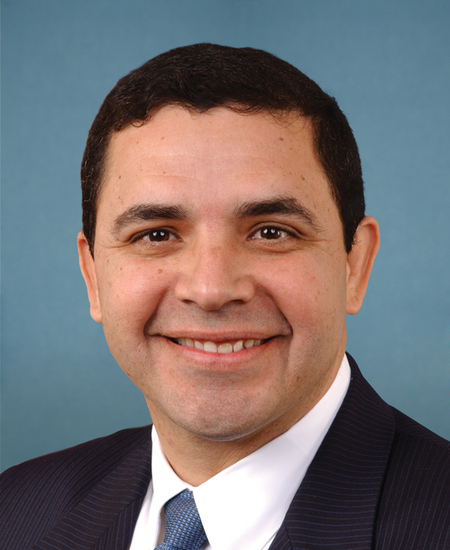
Henry Cuellar
100% support rate
Top opponent
John Garamendi
33% support rate
Ranked legislators
6
5 support · 1 oppose
Key legislators

Who's moving women's health in United States

Legislators moving women's health in United States
Legislator Party Stance Support rate Decisive votes
Henry Cuellar
Henry Cuellar House · District 28
D
Strong +
100% 4
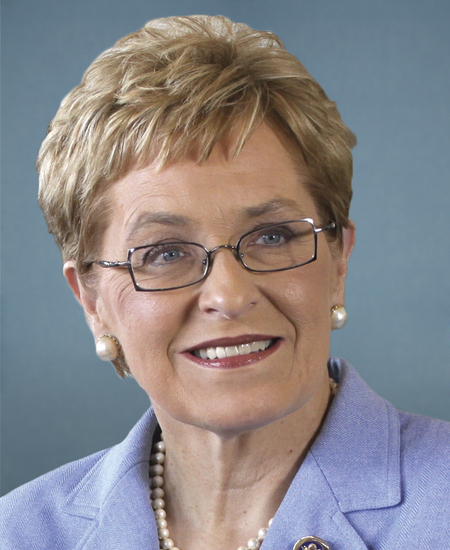
Marcy Kaptur
Marcy Kaptur House · District 9
D
Support
67% 3
Mike Haridopolos
Mike Haridopolos House · District 8
R
Support
67% 3
Aaron Bean
Aaron Bean House · District 4
R
Mixed
50% 4
Abraham J. Hamadeh
Abraham J. Hamadeh House · District 8
R
Mixed
50% 4
John Garamendi
John Garamendi House · District 8
D
Oppose
33% 3
Showing 191–200 of 223 bills

All healthcare bills

in committee · United States · House Jul 15, 2025

HR 4395: Stephanie Tubbs Jones Uterine Fibroid Research and Education Act of 2025

This bill directs the Department of Health and Human Services to significantly increase federal research funding for uterine fibroids ($30 million annually from 2026-2030), expand coordination of NIH research, and establish a Medicaid data system to track treatment access and costs. It mandates public education on fibroid symptoms, prevalence (especially among Black women, who face higher risk and severity), and non-hysterectomy treatment options. The bill also requires disseminating evidence-based provider resources on managing fibroids while preserving fertility. These provisions directly affect the estimated 26 million U.S. women with fibroids - particularly women of color - and aim to address the current lack of research and treatment data.
in committee · United States · Senate Jun 24, 2025

S 2150: Women’s Health Protection Act of 2025

The Women’s Health Protection Act of 2025 (S 2150) prohibits state laws that impose unnecessary restrictions on abortion access before fetal viability. It directly affects patients seeking abortion care and health care providers (including clinics, hospitals, and medical professionals), banning requirements like mandatory in-person visits, location-based travel barriers, or restrictions on telemedicine that don’t apply to comparable medical procedures. The bill overrides conflicting state laws, requires courts to consider factors like cost and travel burden when evaluating restrictions, and establishes federal enforcement through lawsuits to stop violations. It focuses on ensuring access to abortion services without burdens that hinder care, while allowing post-viability abortions only when necessary to protect a patient’s life or health.
in committee · United States · House Jun 5, 2025

HR 3762: Supporting Healthy Moms and Babies Act

HR 3762, the Supporting Healthy Moms and Babies Act, requires health insurance plans to cover comprehensive prenatal, childbirth, neonatal, perinatal, and postpartum care without cost-sharing (like copays or deductibles). It mandates specific services including ultrasounds, care for pregnancy loss, delivery support, and postpartum behavioral health services for conditions like diabetes or hypertension. The bill applies to group health plans and individual insurance policies starting after the law's enactment, covering both biological mothers and legal parents who did not give birth. This policy directly affects insured individuals seeking maternal and newborn healthcare, ensuring these essential services are fully covered under existing Affordable Care Act requirements.
in committee · United States · Senate Mar 19, 2026

S 2289: Healthy Moms and Babies Act

The Healthy Moms and Babies Act (S 2289) aims to improve maternal and infant health outcomes by strengthening Medicaid and CHIP programs. It requires states to report on maternal health quality measures, establishes a new "maternity health home" option for coordinated care during pregnancy and postpartum, and mandates studies on reducing cesarean sections and expanding doula services under Medicaid. The bill also requires states to collect data on social determinants of health affecting pregnant and postpartum women and provides guidance for reducing maternal mortality and severe morbidity. These provisions directly affect pregnant and postpartum women enrolled in Medicaid, healthcare providers, and state Medicaid programs.
in committee · United States · House Dec 19, 2025

HR 4611: EACH Act of 2025

HR 4611 (EACH Act of 2025) requires all federally funded health programs - including Medicaid, Medicare, military health plans, and the Indian Health Service - to cover abortion services without restrictions, repealing the Hyde Amendment's long-standing ban on federal funding for most abortions. This directly affects millions of people enrolled in these programs, particularly low-income women, women of color (including 25% of Black women and 22% of Hispanic women on Medicaid), and young people. The bill mandates coverage in all federally administered health plans and prohibits state or private insurers from restricting abortion coverage in health insurance. It aims to eliminate current federal and state barriers that deny abortion access to people who rely on government health programs.
in committee · United States · House Jul 15, 2025

HR 4392: Uterine Fibroid Intervention and Gynecological Health Treatment Act of 2025

This bill directs the Health and Human Services Secretary to fund research on early detection and intervention for uterine fibroids, aiming to develop evidence-based approaches for healthcare settings. It authorizes grants to states to support screening (including advanced imaging), patient navigation services, and public education campaigns focused on early detection, with priority given to areas with socially vulnerable populations at higher risk. The bill also funds research into disparities in pain management during fibroid surgery and conditions like Asherman’s Syndrome. These provisions directly affect women with uterine fibroids, particularly in underserved communities, by expanding access to early detection services and targeted research.
Sub-Topics Women's Health
in committee · United States · Senate Jul 24, 2025

S 2433: Neonatal Care Transparency Act of 2025

This bill requires hospitals and obstetric providers to disclose policies on providing life-saving care to premature infants, directly affecting parents expecting premature births and healthcare facilities. Hospitals must publicly state if they have a minimum gestational age for treatment, whether care decisions are case-by-case, and transfer plans for infants needing higher-level care. Obstetric providers must share these policies with patients during the first prenatal visit. Non-compliant hospitals and providers risk losing federal Medicaid and CHIP funding starting January 2026. The law aims to ensure transparency about neonatal care options before delivery.
in committee · United States · House Dec 19, 2025

HR 4648: Access to Fertility Treatment and Care Act

This bill would require health insurance plans that cover obstetrical services to also cover a broad range of fertility treatments, including in vitro fertilization, artificial insemination, embryo preservation, and fertility medications. It mandates coverage regardless of whether a person has been diagnosed with infertility, with cost-sharing (deductibles, coinsurance) limited to the same level as other medical services. The law would apply to employer-sponsored health plans, individual insurance, Medicare, Medicaid, TRICARE, and VA benefits, with implementation deadlines ranging from January 1, 2026 for Medicare to January 1, 2027 for notice requirements. The bill also prohibits plans from discouraging fertility treatment or limiting providers who offer it, while ensuring coverage is provided without requiring individuals to undergo treatment.
in committee · United States · House Mar 21, 2025

HRES 238: Expressing the sense of the House of Representatives that every person has the basic right to emergency health care, including abortion care.

HRES 238 is a non-binding House resolution expressing the House's position that every person has the basic right to emergency health care, including abortion care during medical emergencies. It does not create new laws or alter existing regulations but formally states the House's view that abortion restrictions in emergencies endanger patients' health and lives. The resolution specifically highlights how current abortion bans put pregnant people at risk during life-threatening conditions like hemorrhage or infection, disproportionately impacting Black, Indigenous, people of color, immigrants, and low-income individuals. It serves as a symbolic statement opposing policies that restrict emergency reproductive care access.
in committee · United States · House Nov 21, 2025

HRES 909: Recognizing that immigrant justice and reproductive justice are inseparable and must be pursued together.

HRES 909 is a House resolution affirming that immigrant justice and reproductive justice are interconnected and must be addressed together. It calls on the Department of Homeland Security to reinstate protections for pregnant individuals in detention, eliminate the 5-year bar restricting immigrants’ access to federal health programs like Medicaid, and implement transparent oversight of reproductive health care in detention facilities. The resolution also urges Congress to remove barriers to health care access for immigrants and requires federal agencies to report on policies affecting reproductive health care for detained individuals. This resolution directly affects policies toward immigrants in detention, particularly regarding access to abortion, prenatal care, and mental health services, but does not create new laws.
Showing 191 to 200 of 223 bills
Previous 1 … 19 20 21 … 23 Next