Issue · Healthcare

Healthcare

Every healthcare bill, vote, and legislator stance in United States, automatically classified by Maddy, our AI policy reader.

Total bills
3,150
119th Congress
Top supporter
Darline Graham
100% support rate
Top opponent
Ashley Moody
18% support rate
Ranked legislators
10
5 support · 5 oppose
Key legislators

Who's moving healthcare in United States

Legislators moving healthcare in United States
Legislator Party Stance Support rate Decisive votes
Darline Graham
Darline Graham Senate
R
Strong +
100% 6
AA
Alan Armstrong Senate
R
Strong +
88% 8
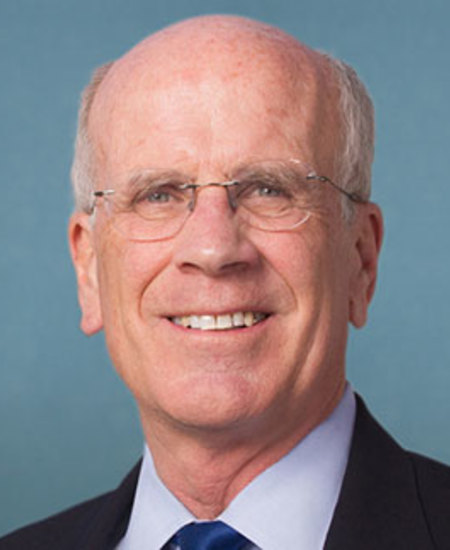
Peter Welch
Peter Welch Senate
D
Strong +
82% 22
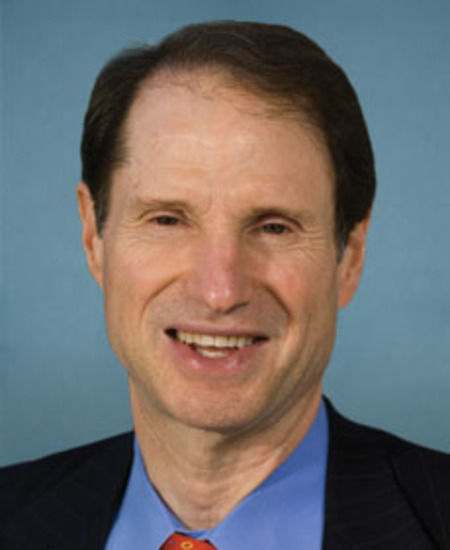
Ron Wyden
Ron Wyden Senate
D
Support
77% 22
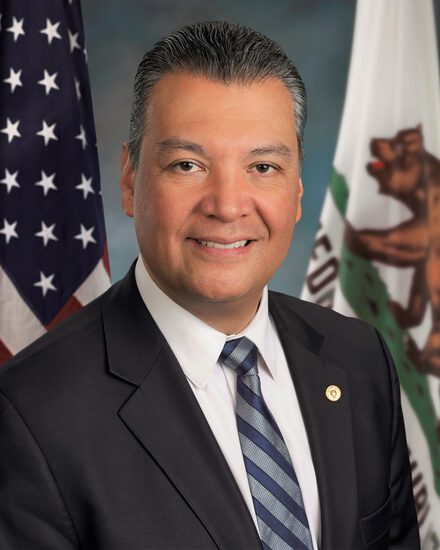
Alex Padilla
Alex Padilla Senate
D
Support
76% 21
Ashley Moody
Ashley Moody Senate
R
Strong −
18% 22
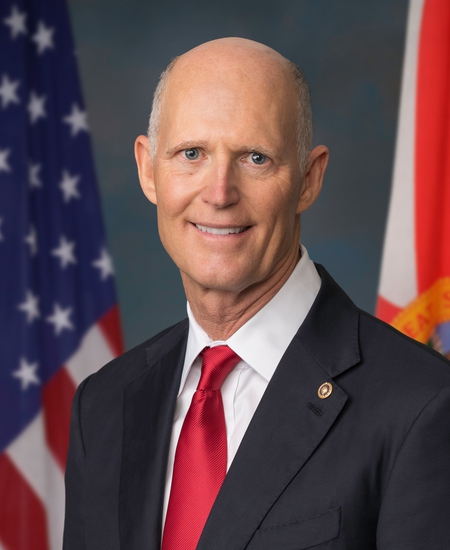
Rick Scott
Rick Scott Senate
R
Strong −
18% 22
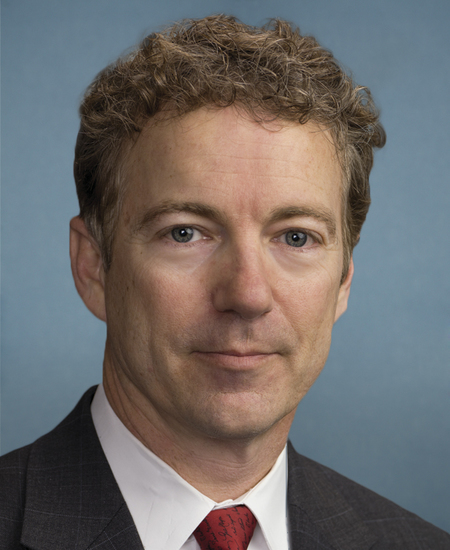
Rand Paul
Rand Paul Senate
R
Oppose
23% 22
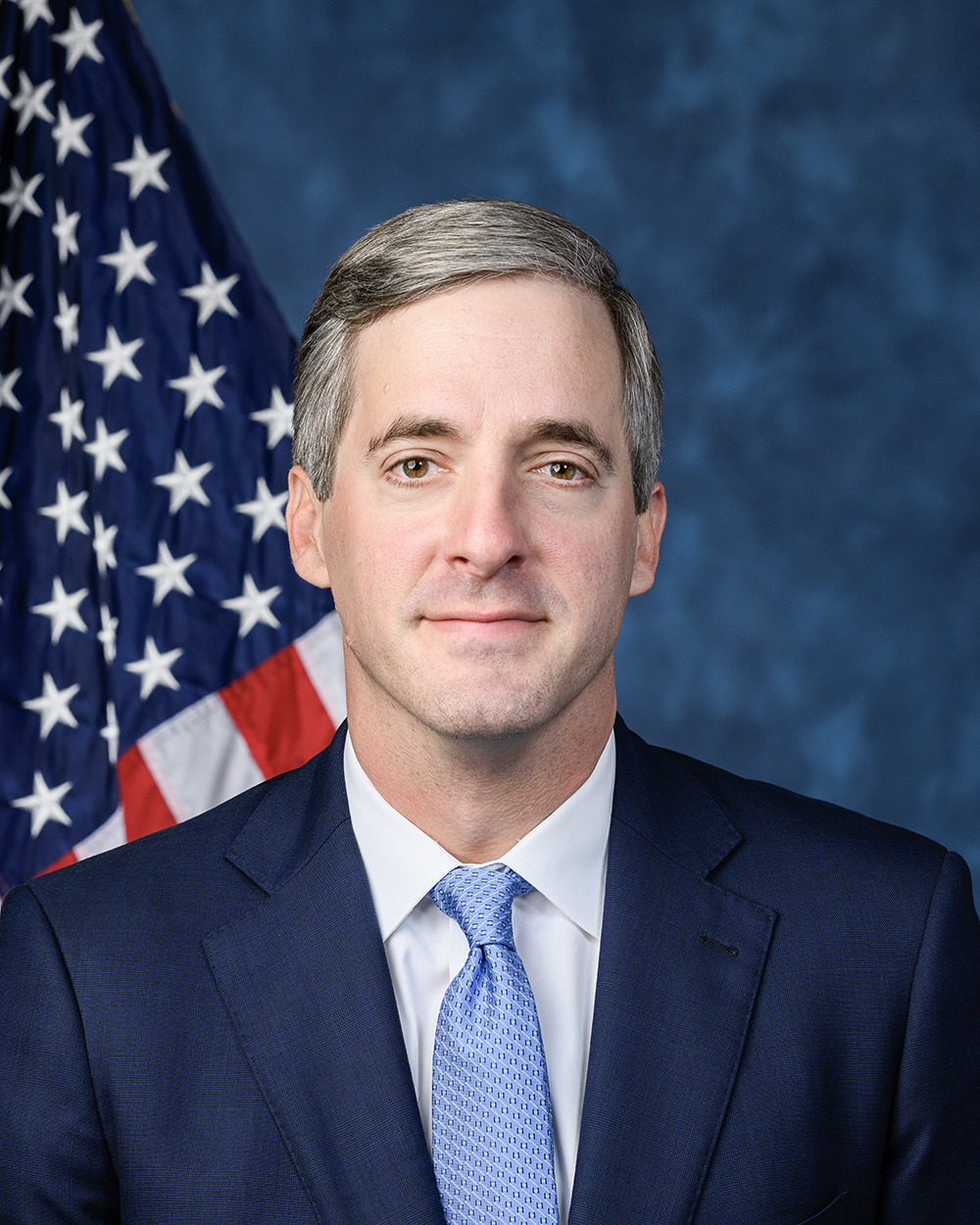
Brad Knott
Brad Knott House · District 13
R
Oppose
28% 18
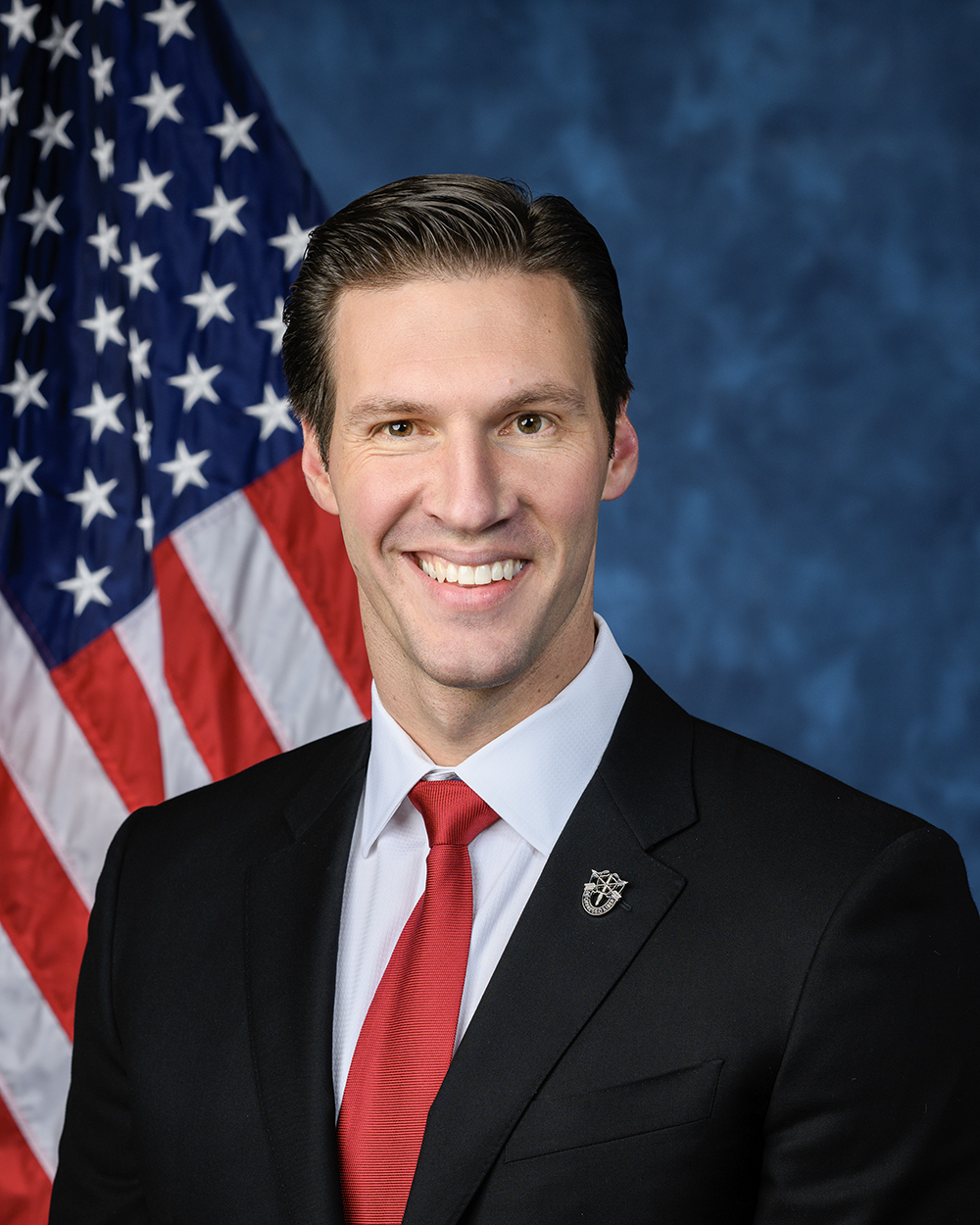
Pat Harrigan
Pat Harrigan House · District 10
R
Oppose
28% 18
Showing 191–200 of 3,150 bills

All healthcare bills

in committee · United States · House Jul 30, 2026

HR 9988: FASTER Act of 2026

The FASTER Act of 2026 expands the list of major food allergens regulated by the FDA to include barley, rye, and oats alongside wheat. This change requires food manufacturers to clearly label these gluten-containing grains, helping consumers with allergies and Celiac disease identify potential triggers. The law also mandates that the FDA update its compliance guides within a year to reflect these new allergen categories. Additionally, the bill directs the Department of Health and Human Services to produce a comprehensive report on Celiac disease, covering data on prevalence, diagnostic methods, prevention strategies, and potential treatments. These provisions apply to all foods entering the market starting one year after the law is enacted.
in committee · United States · House Jul 27, 2026

HR 9952: Healthy Recess for Learning Act

The Healthy Access for Learning Act requires schools receiving federal education funds to provide students with at least 60 minutes of physical activity time each day. This new requirement includes designated recess periods and physical education classes, aiming to address rising rates of childhood obesity and improve academic performance. The bill amends the Elementary and Secondary Education Act to mandate these activity periods while allowing local school districts to determine the specific methods used to meet the goal. By integrating regular exercise into the school day, the legislation seeks to support student health and learning without reducing instructional time.
Sub-Topics Student Health
in committee · United States · Senate Jul 23, 2026

S 5117: Senior Chatbot Protection Act of 2026

The Senior Chatbot Protection Act of 2026 establishes safety and transparency rules for artificial intelligence chatbots used by older adults in the United States. It requires companies to clearly disclose that their chatbots are not human beings or licensed professionals and mandates specific warnings when the chatbot offers advice on high-stakes matters like healthcare or finances. The law also forces chatbots to detect signs of crisis, such as suicidal thoughts, and immediately refer users to human support services while prohibiting the AI from giving dangerous medical or self-harm advice. Additionally, the bill restricts how user conversations are stored and processed, requiring affirmative consent for data training and giving users the ability to delete their chat history. Enforcement is handled by the Federal Trade Commission, which can impose penalties for violations, while the National Institutes of Standards and Technology will develop voluntary guidelines for safe AI design.
in committee · United States · Senate Jul 23, 2026

S 5108: Right to IVF Act of 2026

The Right to IVF Act of 2026 establishes federal protections to ensure individuals can access assisted reproductive technology and intrauterine insemination without state-imposed restrictions, while also mandating that health insurance plans, Medicare, Medicaid, and the Federal Employees Health Benefits program cover these services. The bill defines these procedures broadly to include treatments like egg and embryo freezing and requires coverage regardless of whether a patient has been diagnosed with infertility. It further directs the Department of Defense and the Department of Veterans Affairs to provide fertility preservation and reproductive assistance to uniformed service members and veterans, including funding for egg or sperm retrieval and storage. Additionally, the legislation grants federal courts the authority to challenge and block any state laws that limit access to these reproductive treatments or discriminate against providers and patients based on protected characteristics.
in committee · United States · House Aug 10, 2026

HR 10037: Virtual-Based Opioid Treatment for Veterans Act

The Virtual-Based Opioid Treatment for Veterans Act directs the Department of Veterans Affairs to launch a two-year pilot program aimed at expanding access to virtual opioid treatment for enrolled veterans who face barriers to in-person care. This initiative requires the VA to conduct outreach, build referral networks, and coordinate with other federal agencies to connect veterans with telehealth programs that combine medication and counseling in a single visit. The bill also mandates a study on treatment barriers and requires annual reports to Congress on the program's progress until the opioid crisis is no longer considered a public health emergency.
in committee · United States · House Aug 3, 2026

HR 10015: Great American Healthcare Act

The Great American Healthcare Act introduces several changes to the U.S. healthcare system, primarily focusing on expanding Health Savings Accounts (HSAs) and increasing price transparency for medical services. Under the HSA provisions, individuals can contribute more money to these accounts, use funds for healthy food and fitness expenses, and roll over unused balances to family members or specific political accounts. The bill also allows employers to satisfy certain coverage mandates by contributing directly to employees' HSAs. To make healthcare costs clearer, the legislation requires hospitals, laboratories, and imaging centers to publicly post their standard charges and negotiated rates in a uniform format. Additionally, the bill mandates that health plans provide detailed itemized bills and explanations of benefits to patients within 45 days of a claim request. Finally, the act expands the ability of pharmacists and nurses to dispense certain low-risk prescription drugs without a doctor's direct supervision and repeals a specific rule regarding Federal Reserve earnings on balances.
in committee · United States · House Jul 30, 2026

HR 9984: Medicare Access to Radiology Care Act of 2026

This bill, the Medicare Access to Radiology Care Act of 2026, allows Medicare to pay for services provided by radiologist assistants under the supervision of a radiologist. It defines radiologist assistants as certified professionals who work strictly under a radiologist's direction and clarifies that they cannot independently interpret imaging results. The legislation authorizes Medicare to reimburse these assistants for services performed in hospitals, ambulatory surgical centers, and other specified settings, with the payment directed to the supervising radiologist. These changes take effect on January 1, 2027, aiming to expand access to diagnostic imaging while maintaining existing safety standards.
Sub-Topics Medicare
in committee · United States · House Jul 21, 2026

HR 9817: Justice for Incarcerated Moms Act

The Justice for Incarcerated Moms Act aims to improve maternal health outcomes for pregnant and postpartum individuals in the criminal justice system by restricting financial incentives for states that use restraints on pregnant inmates. Under the bill, states receiving federal justice grants would face a 25 percent funding penalty if they fail to implement laws limiting the use of shackles on pregnant individuals, with those withheld funds redirected to compliant states. The legislation also directs the Bureau of Prisons and the Department of Justice to create and fund programs in at least six federal facilities and across various state and local prisons that provide specialized prenatal care, mental health support, and reentry assistance. These programs are designed to address specific health disparities, particularly for racial and ethnic minority groups, by offering culturally competent care, nutrition counseling, and opportunities to maintain contact with newborn children. Additionally, the act requires an independent oversight organization to monitor program implementation and mandates a Government Accountability Office report to analyze maternal and infant health data within the correctional system.
in committee · United States · Senate Sep 16, 2026

S 5188: Muhammad Ali American Boxing Revival Act of 2026

The Muhammad Ali American Boxing Revival Act of 2026 aims to improve safety and professional opportunities for boxers by modifying the existing Professional Boxing Safety Act of 1996. It creates a new category for "unified boxing organizations," which are private leagues or associations that manage title belts and rankings, allowing them to operate under a specific alternative compliance system. Under this system, these organizations must provide enhanced medical care, including additional ambulances and ringside physicians, and require more rigorous physical exams for older boxers. The bill also mandates minimum payments of $200 per round, limits contract lengths to six years, and establishes a comprehensive anti-doping program with random testing. Furthermore, the legislation prohibits unified boxing organizations from having financial interests in the management of the boxers they promote and requires strict rules against insider betting.
in committee · United States · House Jul 30, 2026

HR 9990: Increasing Mental Health Options Act of 2026

The Increasing Mental Health Options Act of 2026 expands Medicare coverage and oversight rules to include clinical psychologists in rural and underserved areas. Starting in 2026, clinical psychologists working in designated health professional shortage areas will receive an additional 10 percent payment for services provided to Medicare beneficiaries. The bill also removes certain federal restrictions that previously limited the types of care clinical psychologists could provide in outpatient rehabilitation, skilled nursing, partial hospitalization, home health, and inpatient psychiatric settings. These changes allow psychologists to supervise or provide care directly in these facilities as long as state laws permit it, while maintaining existing requirements for consultation with physicians.
Showing 191 to 200 of 3,150 bills
Previous 1 … 19 20 21 … 315 Next