Issue · Healthcare

Healthcare (Mental Health)

Every healthcare bill, vote, and legislator stance in United States, automatically classified by Maddy, our AI policy reader.

Total bills
440
119th Congress
Top supporter
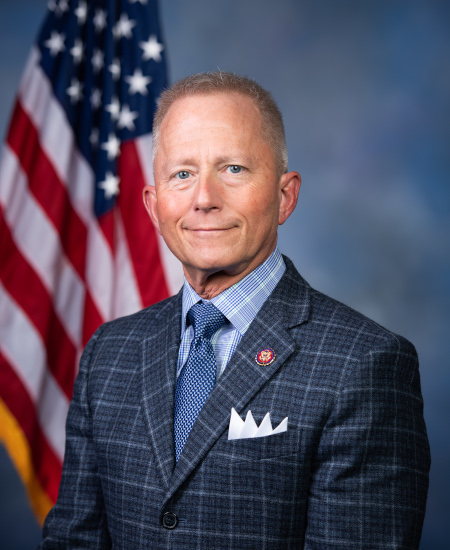
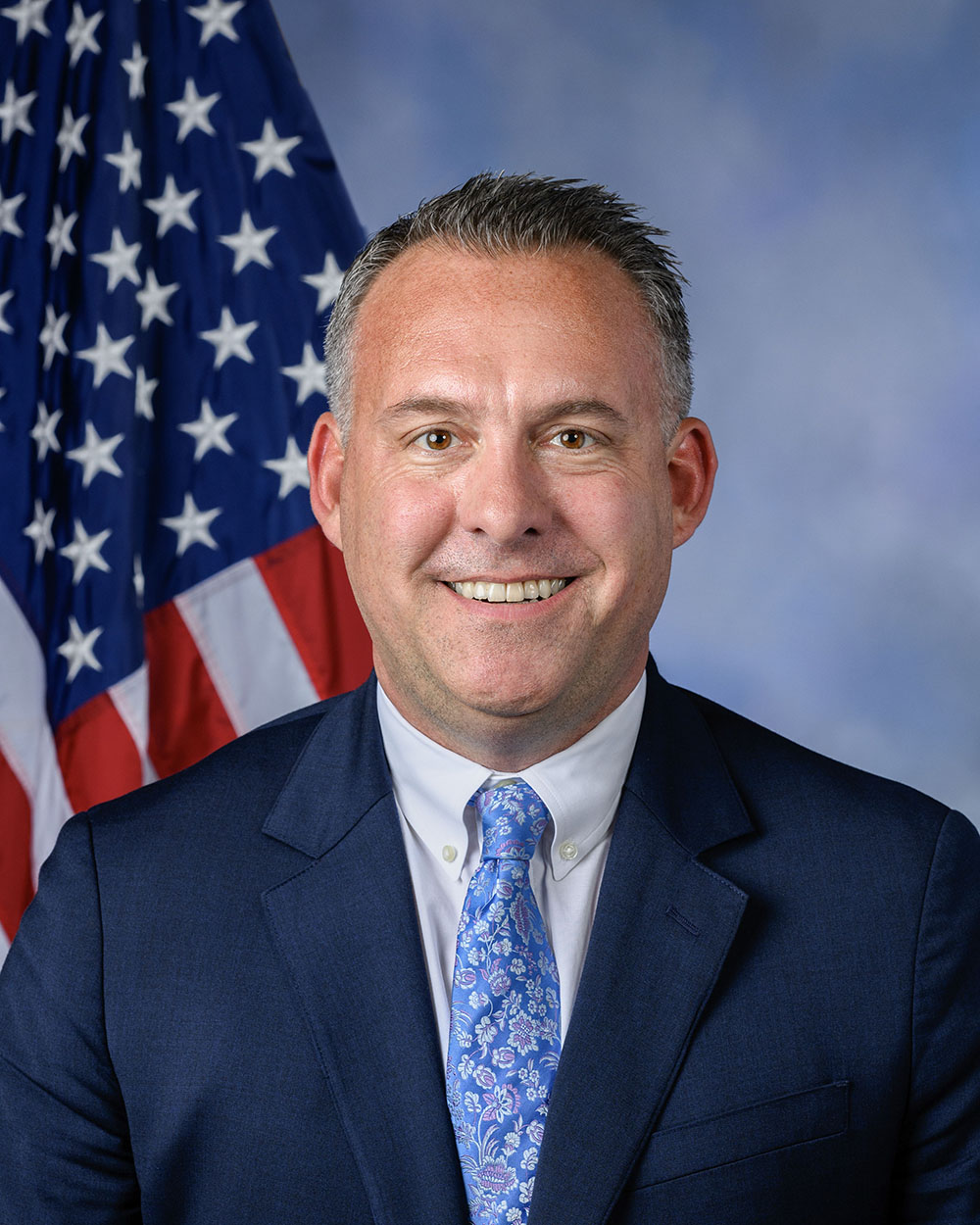
Jefferson Van Drew
100% support rate
Top opponent
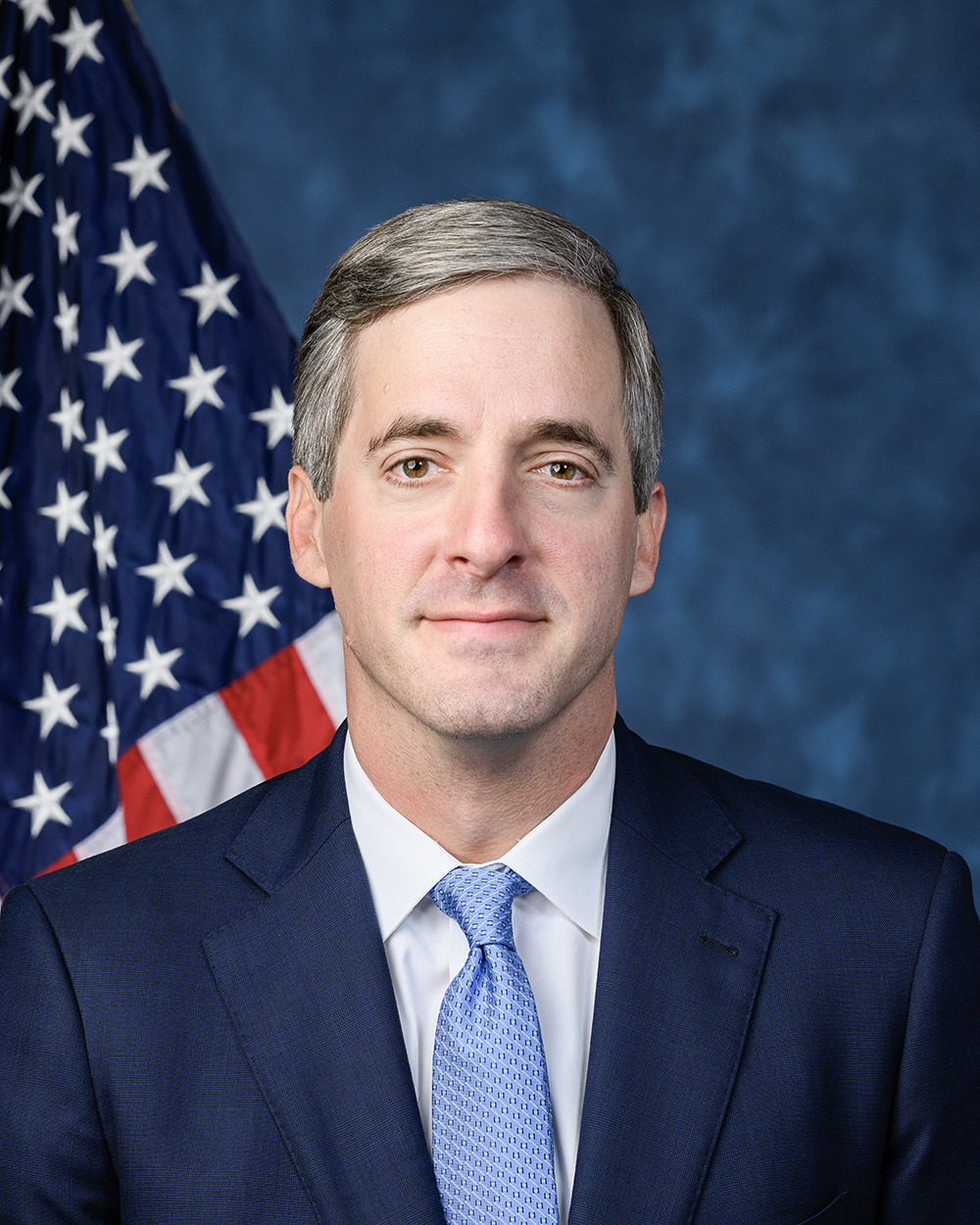
Brad Knott
0% support rate
Ranked legislators
10
5 support · 5 oppose
Key legislators

Who's moving mental health in United States

Legislators moving mental health in United States
Legislator Party Stance Support rate Decisive votes
Jefferson Van Drew
Jefferson Van Drew House · District 2
R
Strong +
100% 4
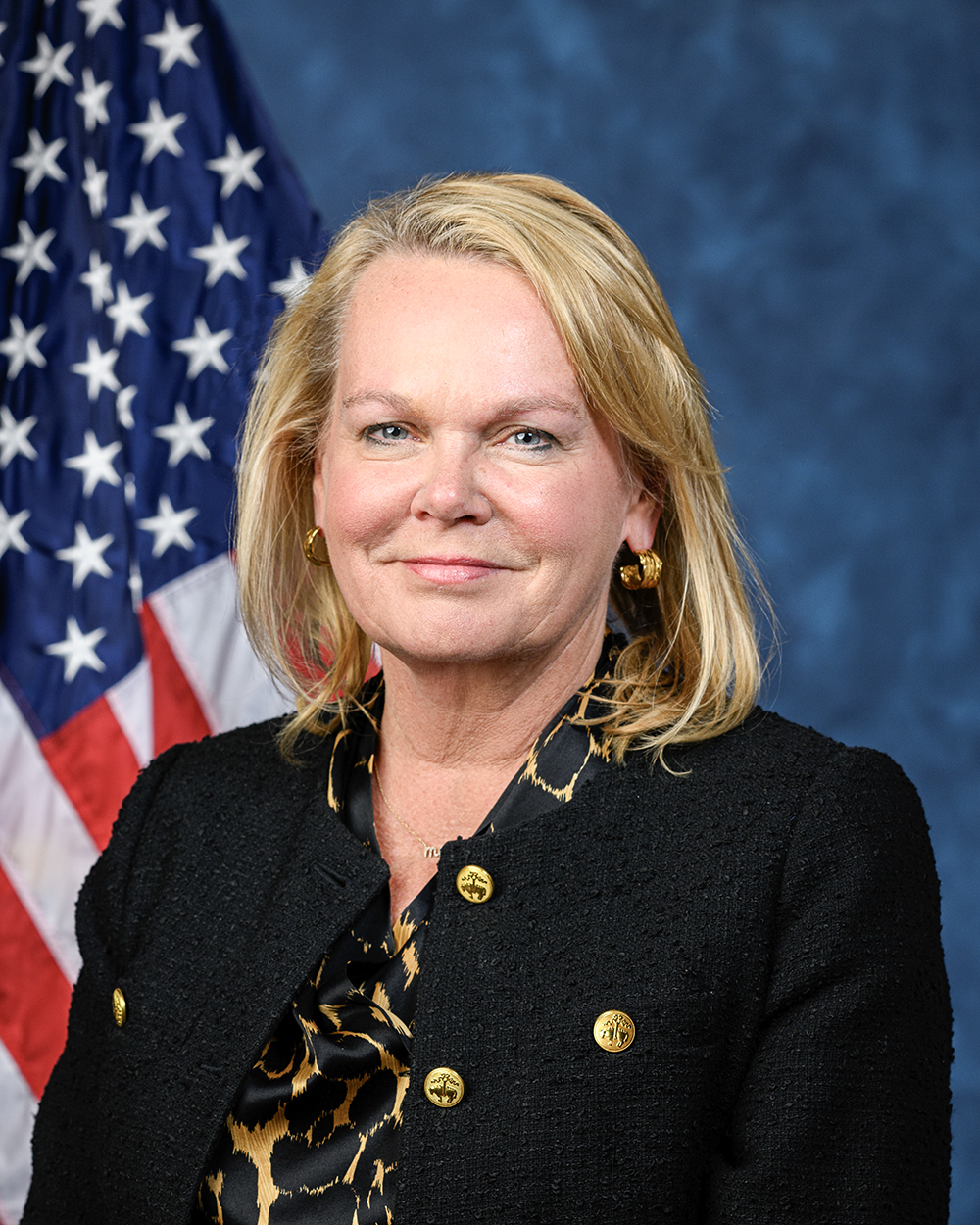
April McClain Delaney
April McClain Delaney House · District 6
D
Strong +
100% 3
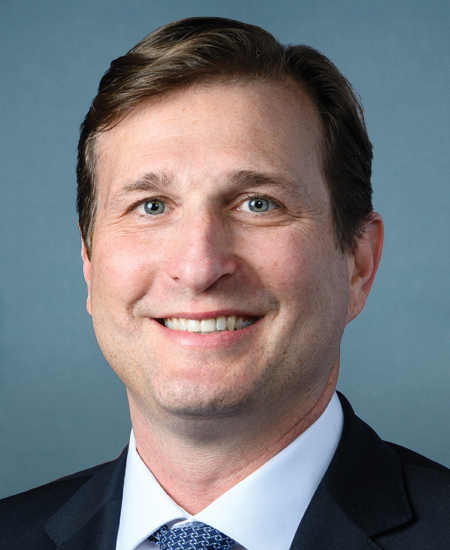
Daniel S. Goldman
Daniel S. Goldman House · District 10
D
Strong +
100% 3
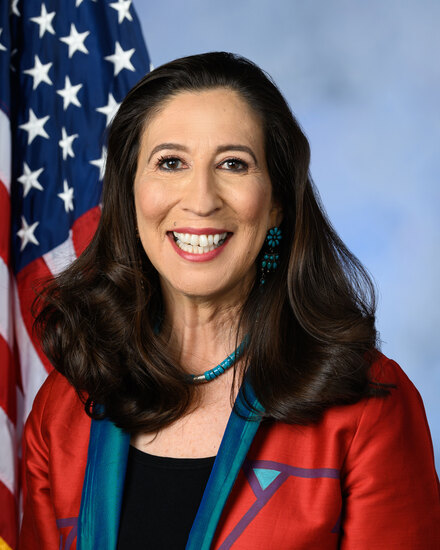
Teresa Leger Fernandez
Teresa Leger Fernandez House · District 3
D
Strong +
100% 3
Adam Gray
Adam Gray House · District 13
D
Support
75% 4
Brad Knott
Brad Knott House · District 13
R
Strong −
0% 4
Keith Self
Keith Self House · District 3
R
Strong −
0% 4
Pat Harrigan
Pat Harrigan House · District 10
R
Strong −
0% 4
Thomas P. Tiffany
Thomas P. Tiffany House · District 7
R
Strong −
0% 4
Andy Harris
Andy Harris House · District 1
R
Strong −
0% 3
Showing 91–100 of 440 bills

All healthcare bills

in committee · United States · Senate Apr 29, 2026

S 4426: STOP Act

The STOP Act prohibits healthcare providers and others from performing gender transition procedures on minors under 18, with specific exceptions for treating disorders of sex development or addressing immediate physical dangers. This federal law defines "gender transition" broadly to include hormone treatments, surgeries, and puberty blockers, while imposing civil penalties of at least $100,000 for violations and allowing affected individuals to sue for damages. To support those seeking to reverse these procedures, the bill authorizes grants for nonprofit organizations to provide medical advice, mental health services, and educational assistance, while explicitly banning the use of these funds for gender transition treatments or most abortions.
Sub-Topics Mental Health
in committee · United States · House Apr 22, 2026

HR 8452: Restoring Law and Order on America’s Streets Act

This bill expands federal civil commitment laws to allow the long-term detention of individuals deemed a danger to public safety, specifically targeting those with serious mental illnesses who engage in certain behaviors. It directly affects homeless individuals with mental health conditions by requiring officials to evaluate them for involuntary commitment if they commit crimes like burglary, drug distribution in public, or prolonged outdoor living. The legislation defines "urban camping" and "urban squatting" as specific offenses that, when combined with a serious mental illness, can lead to mandatory certification for continued confinement. By amending existing statutes, the act aims to address public safety concerns related to mental illness and homelessness through a legal framework that prioritizes institutionalization over other forms of care or release.
in committee · United States · House May 7, 2026

HRES 1265: Expressing support for the designation of the week of May 3, 2026, through May 9, 2026, as "Tardive Dyskinesia Awareness Week".

This resolution expresses support for designating the week of May 3 through May 9, 2026, as Tardive Dyskinesia Awareness Week. It aims to increase public understanding of tardive dyskinesia, a movement disorder that can affect people taking long-term medications for mental health or gastrointestinal issues. The bill encourages individuals across the United States to learn more about the condition, which impacts approximately 600,000 people but often goes undiagnosed. By raising awareness, the House hopes to promote better monitoring and treatment for those living with this condition.
Sub-Topics Mental Health
in committee · United States · House May 15, 2026

HR 8869: Traumatic Births Research Act of 2026

The Traumatic Births Research Act of 2026 directs the Department of Health and Human Services to study how traumatic birth experiences and post-traumatic stress disorder affect mothers, infants, and families. This legislation expands research funding to include states, Indian Tribes, and Tribal organizations, requiring that study results be broken down by race and ethnicity. Additionally, the bill authorizes a pilot program to compare midwife-led care models against traditional medical care regarding their impact on birth trauma and mental health. To monitor progress, the Secretary must submit an interim report by the end of fiscal year 2028 and a final report by the end of fiscal year 2030.
Sub-Topics Mental Health Women's Health Tags Tribal Nations
in committee · United States · House May 13, 2026

HR 8776: Officer Wellness and Peer Support Act of 2026

The Officer Wellness and Peer Support Act of 2026 directs the Attorney General to submit a report on strategies for improving mental health support for law enforcement officers. This report, due within 270 days of enactment, will outline best practices for reducing mental health stigma, encouraging access to counseling and screening, and ensuring the confidentiality of these services. The requirement involves consulting with various law enforcement agencies, professional organizations, and mental health groups to gather input. Additionally, the bill defines "law enforcement officer" broadly to include police, corrections, probation, parole, and judicial officers. Ultimately, the legislation mandates the collection of information and recommendations rather than establishing new federal programs or funding.
in committee · United States · House May 14, 2026

HR 8807: Maternal Health Pandemic Response Act

The Maternal Health Pandemic Response Act allocates $200 million to the Centers for Disease Control and Prevention to improve data collection, surveillance, and research on how public health emergencies affect pregnant and postpartum individuals. This funding supports efforts to gather detailed demographic information on maternal health outcomes, establish regional centers of excellence, and expand surveys to better reach underrepresented communities. The legislation also requires the CDC to make this data publicly available in a disaggregated format while protecting patient privacy, and mandates public education campaigns to ensure accurate information reaches families and healthcare providers. Additionally, the bill creates a diverse task force to develop federal recommendations for respectful maternity care during emergencies, addressing issues such as telehealth access, doula coverage, and the treatment of mental health and substance use disorders. These measures aim to reduce health disparities and improve care quality for pregnant people from racial and ethnic minority groups during public health crises.
in committee · United States · Senate May 21, 2026

S 4618: Elementary and Secondary School Counseling Act

The Elementary and Secondary School Counseling Act creates a new funding program to hire more counselors, psychologists, and social workers for schools with high numbers of low-income students. These funds are distributed to states, which then award subgrants to local school districts to help them reach recommended staffing ratios of 250 students per counselor, 500 per psychologist, and 250 per social worker. To qualify for the money, states must match the federal grant with their own funds and submit detailed plans showing how they will prioritize high-need schools. The bill also requires regular reporting on how many mental health staff are hired and the current student-to-staff ratios in participating schools.
in committee · United States · House Apr 23, 2026

HR 8486: Data Driven Suicide Prevention and Outreach Act of 2026

This bill establishes a grant program within the Department of Veterans Affairs to fund nonprofit and research organizations in developing artificial intelligence tools that predict suicide risks among veterans. Selected organizations will create models that combine military service records with clinical health data to identify risk factors, with a focus on areas experiencing high suicide rates and long wait times for mental health care. The program prioritizes applicants capable of building secure, interoperable systems that can be shared across the VA network, though the resulting technology remains the intellectual property of the winning organizations. Funding for this pilot initiative is authorized until September 30, 2029.
in committee · United States · Senate May 19, 2026

S 4575: SMART Community Policing Act

The Supporting Mental Assistance Responder Teams Community Policing Act authorizes federal COPS funds to help local police departments create specialized teams that include mental health professionals and paramedics. These teams are designed to respond to crisis calls involving individuals with mental health issues, homelessness, or substance use disorders, aiming to de-escalate situations and connect people with necessary treatment instead of relying solely on law enforcement. The legislation also supports co-responder programs where officers work alongside clinicians, as well as outreach teams that follow up with individuals to help them access services and maintain stability. By funding these initiatives, the bill seeks to improve community safety outcomes and reduce the burden on emergency services through better coordination between police and health providers.
Sub-Topics Law Enforcement Policing Mental Health Homelessness Tags Public Safety
in committee · United States · Senate Apr 27, 2026

S 4387: Protect Moms From Domestic Violence Act

The Protect Moms From Domestic Violence Act directs the Department of Health and Human Services to fund research and grants aimed at understanding how violence and trauma affect the health of pregnant and postpartum individuals. This legislation authorizes $15 million over three years to support state, local, and community organizations in developing culturally relevant programs that address issues like domestic violence, sexual assault, and mental health among birthing persons. Additionally, the bill requires the government to publish guidelines for healthcare providers on routinely screening for intimate partner violence and implementing trauma-informed care plans. The law specifically prioritizes initiatives that serve diverse communities, including Black, Hispanic, American Indian, and LGBTQIA2S+ populations, as well as adolescent mothers.
Showing 91 to 100 of 440 bills
Previous 1 … 9 10 11 … 44 Next