Issue · Environment

Environment

Every environment bill, vote, and legislator stance in United States, automatically classified by Maddy, our AI policy reader.

Total bills
1,978
119th Congress
Top supporter
Aisha Wahab
100% support rate
Top opponent
Marsha Blackburn
11% support rate
Ranked legislators
10
5 support · 5 oppose
Key legislators

Who's moving environment in United States

Legislators moving environment in United States
Legislator Party Stance Support rate Decisive votes
Aisha Wahab
Aisha Wahab House · District 14
D
Strong +
100% 7
Everton Blair Jr.
Everton Blair Jr. House · District 13
D
Strong +
89% 9
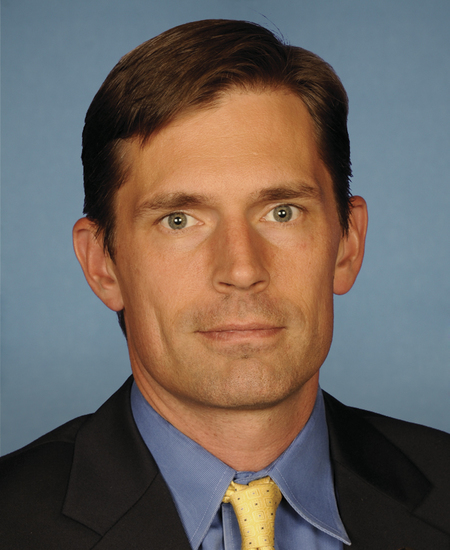
Martin Heinrich
Martin Heinrich Senate
D
Strong +
84% 37
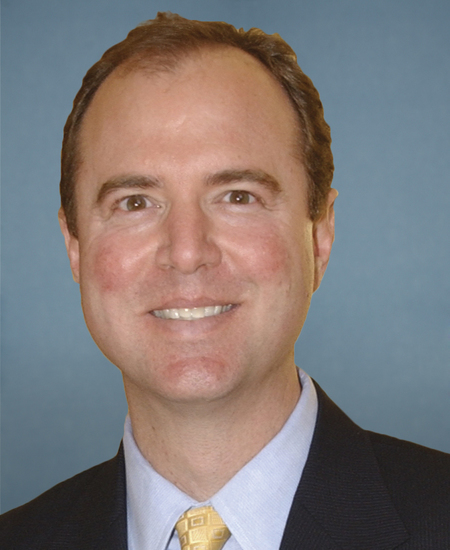
Adam B. Schiff
Adam B. Schiff Senate
D
Support
79% 53
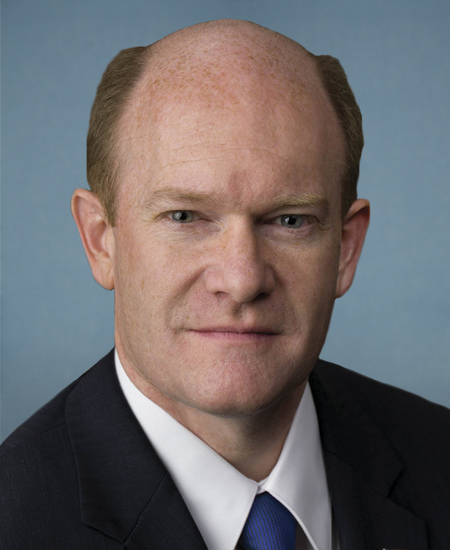
Christopher A. Coons
Christopher A. Coons Senate
D
Support
79% 52
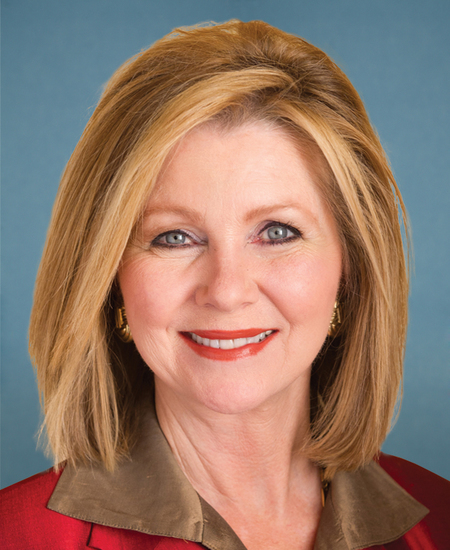
Marsha Blackburn
Marsha Blackburn Senate
R
Strong −
11% 36
Ted Budd
Ted Budd Senate
R
Strong −
20% 40
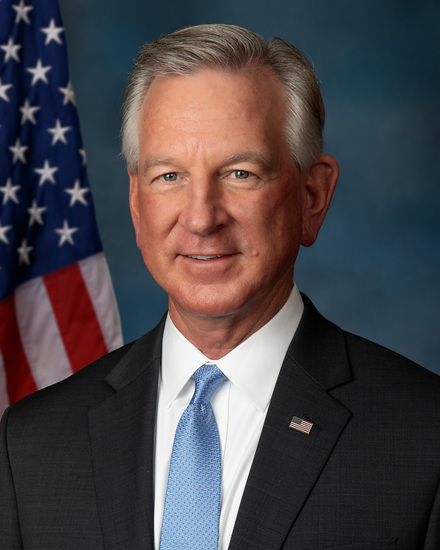
Tommy Tuberville
Tommy Tuberville Senate
R
Oppose
21% 53
Bill Cassidy
Bill Cassidy Senate
R
Oppose
22% 54
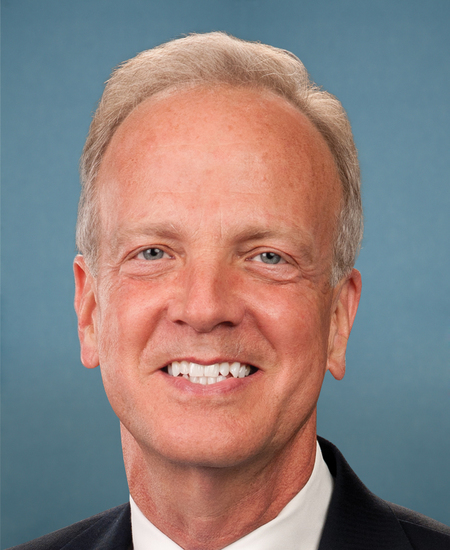
Jerry Moran
Jerry Moran Senate
R
Oppose
23% 53
Showing 471–480 of 1,978 bills

All environment bills

in committee · United States · House Mar 18, 2026

HR 7992: CANS Act of 2026

This bill requires the Secretary of the Interior to conduct an ongoing study on aluminum recycling and disposal. The study must assess how much aluminum ends up in landfills and examine related market factors. Every three years, the Secretary must submit a detailed report to Congress covering landfill amounts, export data, technology improvements, and policies to keep aluminum in the domestic supply chain. The report will also analyze how increased recycling affects U.S. dependence on foreign entities and domestic manufacturing capacity.
in committee · United States · Senate Sep 16, 2026

S 4023: America’s Living Library Act

This bill establishes the America's Living Library Project, a pilot program within the Department of the Interior to collect and analyze genomic data from species found in National Park System units. The program will create a publicly available genomic database while protecting sensitive location information and requires coordination with multiple federal agencies including the National Park Service, Smithsonian Institution, and Department of Agriculture. It authorizes funding through fiscal year 2031 to support genome sequencing, sample storage, and data management, with initial implementation at five selected parks and potential expansion to twenty additional units within two years. The bill also mandates tribal consultation, establishes cybersecurity safeguards for genomic data, and includes provisions for long-term sample storage in U.S. facilities only.
Sub-Topics Parks & Recreation
in committee · United States · Senate Mar 19, 2026

S 4146: Local Data for Better Conservation Act

This bill, known as the Local Data for Better Conservation Act, would require the federal government to use data collected by states when deciding whether to list or remove species from the endangered or threatened lists. The key provision adds a new requirement to the Endangered Species Act mandating that the Secretary of the Interior must accept and integrate state-collected information into listing determinations. This change directly affects state agencies that gather biological and environmental data, as well as federal wildlife officials who make conservation decisions. The bill aims to incorporate local knowledge and regional expertise into federal conservation assessments without altering the overall framework of the Endangered Species Act.
Sub-Topics Conservation Wildlife
in committee · United States · Senate Sep 16, 2026

S 4116: Geo POWER Act

This bill, known as the Geo POWER Act, creates a new government program to fund geothermal energy projects in areas where such power has not been previously generated. It directs the Department of Energy to provide milestone-based financing to projects in low-permeability rock formations and regions with limited geothermal activity, including areas on or near Indian lands. The program requires projects to achieve specific technical and financial goals to receive funding, with a minimum of three projects awarded across at least three different states. Each funded project must have the potential to generate at least 30 megawatts of electricity or advance innovative drilling technologies that could enable larger-scale commercial geothermal power.
Sub-Topics Oil & Gas
in committee · United States · Senate Feb 24, 2026

S 3903: Railway Safety Act of 2026

This bill, titled the Railway Safety Act of 2026, establishes new safety requirements for trains carrying hazardous materials and strengthens emergency response capabilities. It directly affects Class I railroads, emergency response agencies, and communities near rail lines by mandating stricter tank car standards, limiting train speeds in urban areas, and requiring railroads to provide real-time information about hazardous materials shipments to first responders. Key provisions include phasing out older tank cars for flammable liquids by 2027, requiring two-person crews on freight trains, increasing penalties for safety violations, and creating a new emergency response assistance fund to help communities respond to hazardous materials incidents.
in committee · United States · Senate Mar 12, 2026

S 4088: Agricultural Management Assistance Act of 2026

This bill, titled the Agricultural Management Assistance Act of 2026, amends the Federal Crop Insurance Act to expand education and risk management support for agricultural producers and crop insurance providers. It requires the inclusion of language translation services in educational programs and adds specific conservation practices like soil health improvements, sustainable water sources, and agroforestry to the list of eligible activities. The legislation also increases funding limits, raising the five-year payment cap to $200,000 and authorizing $20 million annually to support these expanded assistance programs.
Sub-Topics Conservation Tags Agriculture
in committee · United States · Senate Apr 29, 2026

SJRES 139: A joint resolution providing for congressional disapproval under chapter 8 of title 5, United States Code, of the rule submitted by the Environmental Protection Agency relating to "Air Plan Disapproval; Colorado; Regional Haze Plan for the Second Implementation Period".

This joint resolution seeks to disapprove a rule issued by the Environmental Protection Agency regarding Colorado's regional haze air quality plan. If passed, it would nullify the EPA's decision to disapprove Colorado's second implementation period plan for reducing air pollution from distant sources. The measure directly affects the state of Colorado and the EPA by preventing the federal agency from enforcing its disapproval of the state's air quality strategy. Under this legislation, the EPA's rule would have no legal force or effect, leaving the status of Colorado's air plan unchanged.
Sub-Topics Air Quality
in committee · United States · House Mar 16, 2026

HR 7940: SAFE Pathways Act

This bill, known as the SAFE Pathways Act, requires federal agencies to consider invasive species when designing fishways for dams and other water structures. It directly affects the Secretaries of Commerce and the Interior, who would need to consult with state officials to address potential invasive species threats during fishway planning. The law mandates that these federal officials evaluate how invasive species could impact aquatic ecosystems before approving fishway designs. This change aims to integrate invasive species prevention into existing water management infrastructure projects.
in committee · United States · Senate Mar 5, 2026

S 4011: Tropical Forest and Coral Reef Conservation Reauthorization Act of 2026

This bill reauthorizes the Tropical Forest and Coral Reef Conservation Act of 1998, which provides funding to protect tropical forests and coral reefs around the world. It directly affects the U.S. government agencies responsible for implementing conservation programs, primarily through the Department of State. The key provision allocates $20 million annually for fiscal years 2028 through 2032 to support ongoing conservation efforts. This legislation extends existing funding authority without changing the underlying conservation goals or program structure.
Sub-Topics Conservation Forestry
in committee · United States · House Mar 6, 2026

HR 7845: DROUGHT Act of 2026

This bill, known as the DROUGHT Act of 2026, increases the maximum federal funding level for certain water infrastructure projects from the standard cap to 90 percent of project costs. It directly affects states and counties experiencing severe drought conditions, as well as projects serving low-income communities or those designated as regionally or nationally significant. The legislation defines covered projects as those located in areas with severe drought designations or declared drought emergencies, those serving low-income populations, or those that improve water supply, reuse, or reduce water usage. The bill requires federal officials to prioritize financing for these specific projects under the Water Infrastructure Finance and Innovation Act of 2014.
Sub-Topics Drinking Water
Showing 471 to 480 of 1,978 bills
Previous 1 47 48 49 198 Next