Issue · Environment

Environment (Conservation)

Every environment bill, vote, and legislator stance in United States, automatically classified by Maddy, our AI policy reader.

Total bills
385
119th Congress
Top supporter
Adam B. Schiff
100% support rate
Top opponent
Ashley Moody
0% support rate
Ranked legislators
10
5 support · 5 oppose
Key legislators

Who's moving conservation in United States

Legislators moving conservation in United States
Legislator Party Stance Support rate Votes
Adam B. Schiff
Adam B. Schiff Senate
D
Strong +
100% 9
Alex Padilla
Alex Padilla Senate
D
Strong +
100% 9
Amy Klobuchar
Amy Klobuchar Senate
D
Strong +
100% 9
Andy Kim
Andy Kim Senate
D
Strong +
100% 9
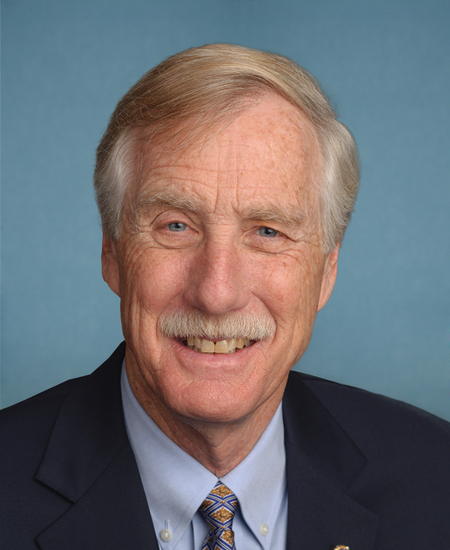
Angus S. King, Jr.
Angus S. King, Jr. Senate
I
Strong +
100% 9
Ashley Moody
Ashley Moody Senate
R
Strong −
0% 9
Bernie Moreno
Bernie Moreno Senate
R
Strong −
0% 9
Bill Cassidy
Bill Cassidy Senate
R
Strong −
0% 9
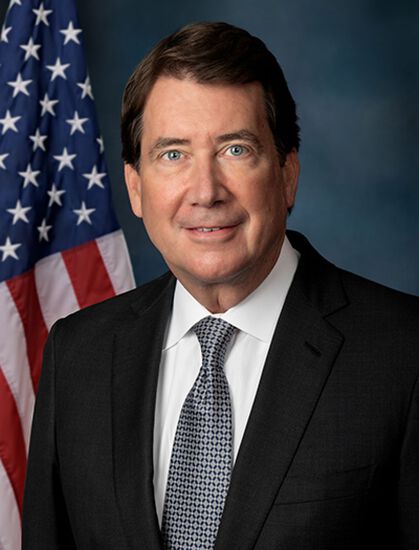
Bill Hagerty
Bill Hagerty Senate
R
Strong −
0% 9
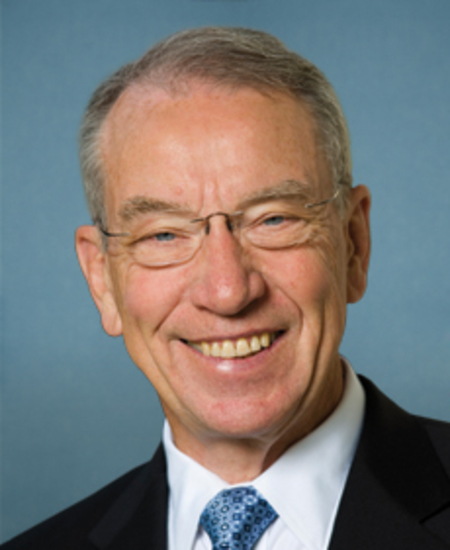
Chuck Grassley
Chuck Grassley Senate
R
Strong −
0% 9
Showing 201–210 of 385 bills

All environment bills

in committee · United States · House Jul 22, 2025

HR 4033: Sturgeon Conservation and Sustainability Act of 2025

HR 4033 exempts farmed sturgeon and their offspring from certain protections under the Endangered Species Act until they are intentionally returned to the wild. This directly affects sturgeon farmers and aquaculture facilities operating in controlled environments, allowing them to continue their activities without ESA compliance for captive sturgeon. The bill requires these operators to maintain records proving their sturgeon qualify under the exemption and to provide documentation to the Secretary upon request. It does not create new conservation measures but clarifies existing ESA rules for commercial sturgeon farming.
Sub-Topics Conservation Wildlife
in committee · United States · House Feb 7, 2025

HR 1150: SPEAR Act of 2025

The SPEAR Act of 2025 amends the Endangered Species Act to prevent the federal government from listing lake sturgeon populations in Wisconsin as threatened or endangered. This change allows Wisconsin to continue its state-led management plan, including the annual sturgeon spearing season, without federal restrictions. The bill adds a specific provision to the Endangered Species Act explicitly prohibiting the Secretary of the Interior from determining that Wisconsin's lake sturgeon are threatened or endangered. The law directly affects federal regulatory actions for these sturgeon, supporting Wisconsin's conservation program and the cultural and economic significance of the spearing season to local communities.
Sub-Topics Conservation Wildlife
in committee · United States · House Jun 24, 2025

HR 4108: Refuge From Cruel Trapping Act

HR 4108, the Refuge From Cruel Trapping Act, bans the possession or use of body-gripping traps (traps that kill or severely injure wildlife) in National Wildlife Refuges. It directly affects visitors, hunters, and trappers using such traps within refuge boundaries, with limited exceptions for federal agencies managing invasive species or endangered wildlife, dismantling traps, Alaska-specific use, and tribal subsistence hunting. The bill includes penalties of up to $500 per trap, potential jail time, and forfeiture of traps or captured wildlife for violations. It requires the Secretary of the Interior to issue implementing regulations within 120 days but takes effect 120 days after enactment.
Sub-Topics Conservation Wildlife
in committee · United States · House Dec 2, 2025

HR 6143: PRECISE Act

The PRECISE Act amends existing agricultural programs to specifically support farmers adopting precision agriculture practices and technology. It expands eligibility under the Conservation Loan Program (Section 304 of the Farm and Rural Development Act) for loans covering precision agriculture tools like GPS guidance, soil sensors, and data software. Farmers using these loans can also receive increased payments through the Environmental Quality Incentives Program (EQIP), with costs for precision agriculture practices covered up to 90% of expenses. The bill directly affects agricultural producers seeking to improve efficiency, reduce input waste, and enhance environmental outcomes through technology adoption.
Sub-Topics Conservation
passed · United States · House Jan 12, 2026

HR 5184: Affordable HOMES Act

This bill repeals federal energy efficiency standards for manufactured housing that were set to take effect in 2022. It specifically nullifies a Department of Energy rule published in May 2022, removing requirements for energy conservation in manufactured homes. The change directly affects manufacturers and buyers of manufactured housing by eliminating these new efficiency mandates. The bill does not establish new standards but removes existing ones from the Energy Independence and Security Act of 2007.
in committee · United States · House Feb 28, 2025

HR 598: FIR Act

HR 598, the Forest Information Reform Act (FIR Act), modifies federal land management rules to eliminate a requirement for reinitiating consultations under the Endangered Species Act (ESA). It applies directly to the U.S. Forest Service and Bureau of Land Management (BLM), preventing them from needing to restart ESA consultations when managing land plans if: (1) a new species is listed as endangered or critical habitat is designated, or (2) new information reveals impacts on listed species not previously considered. The bill removes a specific procedural step that would otherwise trigger federal agencies to reassess their land management plans in response to new ESA-related developments. This changes how agencies handle species conservation updates within their planning processes.
in committee · United States · House Mar 5, 2025

HR 1871: Water Conservation Rebate Tax Parity Act

HR 1871, the Water Conservation Rebate Tax Parity Act, changes federal tax rules to allow homeowners to exclude certain water-related rebates from taxable income. It expands the existing tax exclusion to cover rebates for water conservation measures (like efficient fixtures), storm water management (such as rain gardens), and wastewater management (like septic system upgrades), but only for the homeowner's principal residence. These rebates must come from public utilities, storm water providers, or state/local governments. The changes apply to rebates received after December 31, 2021, and do not affect tax treatment for rebates received before 2022.
in committee · United States · House Dec 1, 2025

HR 5661: Water Preservation and Affordability Act of 2025

The Water Preservation and Affordability Act of 2025 amends the Clean Water Act to require federal water infrastructure funding recipients to prioritize "resource preservation techniques," defined as water efficiency (reuse, conservation), energy efficiency, stormwater mitigation, sustainable design, and environmental innovation. It mandates that projects receiving loans for treatment works repairs or expansions must evaluate and use these techniques to the maximum extent practicable. The bill increases annual funding for the Clean Water Infrastructure Resiliency Program from $25 million to $50 million (2026-2031) and authorizes $40 million yearly for a wastewater efficiency pilot program (2026-2031). These changes directly affect municipal water systems and wastewater treatment facilities receiving federal grants or loans under the Clean Water Act.
in committee · United States · Senate Dec 2, 2025

S 888: Oregon Recreation Enhancement Act

This bill designates approximately 128,000 acres of federal land in Oregon (including Rogue Canyon and Molalla recreation areas) for management focused on recreation, conservation, and wildfire risk reduction. It requires the federal land managers to conduct wildfire risk assessments within 280 days and develop mitigation plans within a year, including forest thinning and evacuation routes for nearby communities. The bill withdraws these designated lands from mining, mineral leasing, and disposal, while preserving existing rights and recreational uses. It also expands the Wild Rogue Wilderness by 59,512 acres and withdraws specific lands in Curry and Josephine Counties from mineral activities.
in committee · United States · House Oct 28, 2025

HR 5852: Upper Raritan River Watershed Wild and Scenic River Study Act of 2025

HR 5852 authorizes a study to evaluate the Upper Raritan River Watershed in New Jersey for potential inclusion in the National Wild and Scenic Rivers System. The bill designates specific segments of the North Branch Raritan River, South Branch Raritan River, and Lamington-Black River, along with their tributaries, for this study. The Secretary of the Interior must complete the study within three years of funding and submit a report to Congress detailing the findings. This bill does not protect the rivers directly but initiates a process to assess their eligibility for future conservation designation under federal law. The study would specifically cover the Upper Raritan River watershed in New Jersey.
Showing 201 to 210 of 385 bills
Previous 1 20 21 22 39 Next