Issue · Environment

Environment

Every environment bill, vote, and legislator stance in United States, automatically classified by Maddy, our AI policy reader.

Total bills
1,975
119th Congress
Top supporter
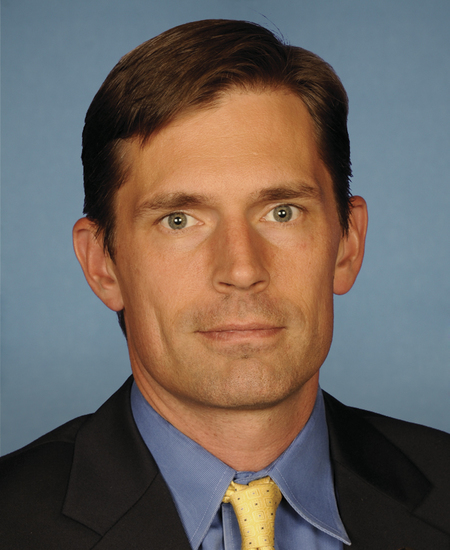
Martin Heinrich
84% support rate
Top opponent
Marsha Blackburn
11% support rate
Ranked legislators
10
5 support · 5 oppose
Key legislators

Who's moving environment in United States

Legislators moving environment in United States
Legislator Party Stance Support rate Votes
Martin Heinrich
Martin Heinrich Senate
D
Strong +
84% 215
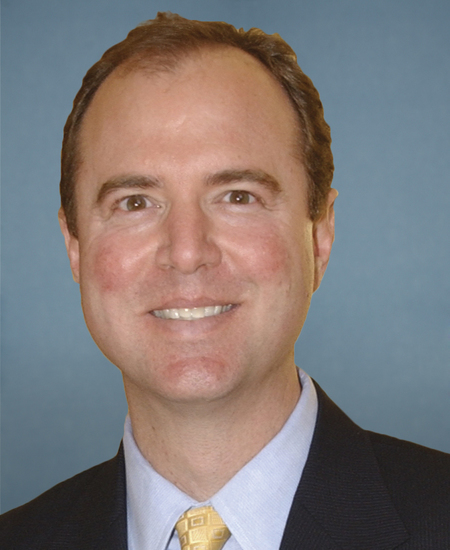
Adam B. Schiff
Adam B. Schiff Senate
D
Support
79% 231
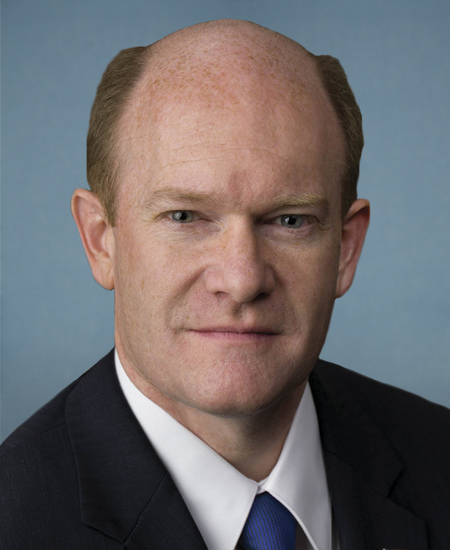
Christopher A. Coons
Christopher A. Coons Senate
D
Support
79% 229
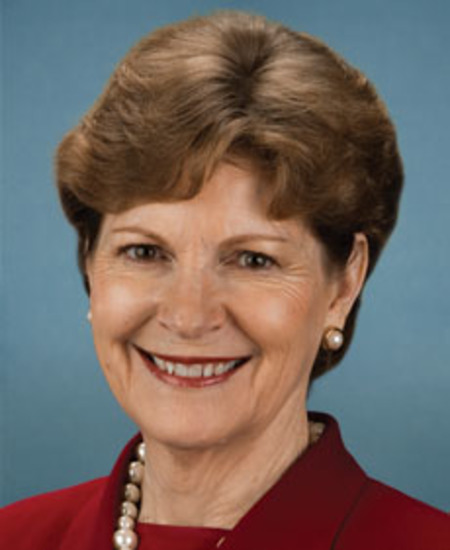
Jeanne Shaheen
Jeanne Shaheen Senate
D
Support
78% 232
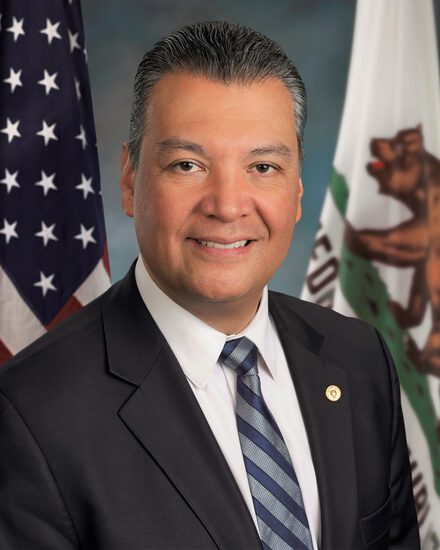
Alex Padilla
Alex Padilla Senate
D
Support
78% 232
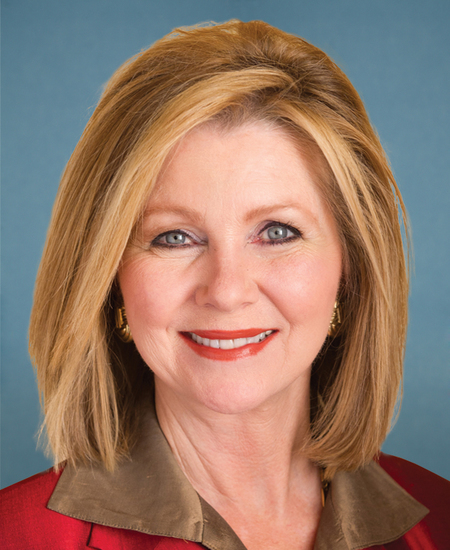
Marsha Blackburn
Marsha Blackburn Senate
R
Strong −
11% 211
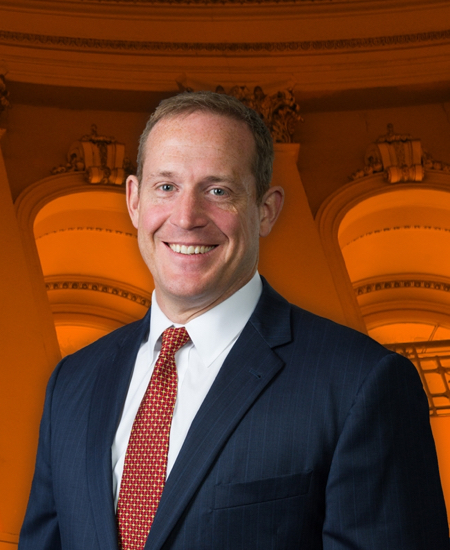
Ted Budd
Ted Budd Senate
R
Strong −
20% 220
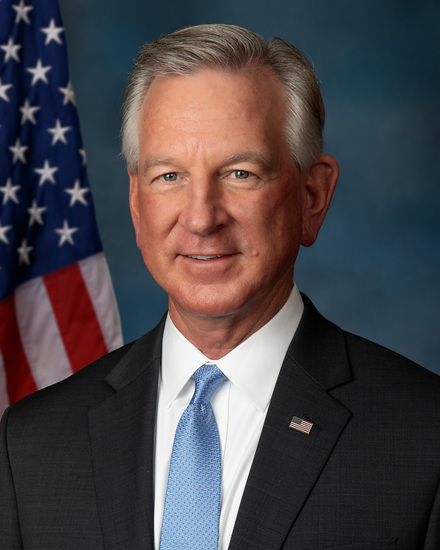
Tommy Tuberville
Tommy Tuberville Senate
R
Oppose
21% 229
Bill Cassidy
Bill Cassidy Senate
R
Oppose
22% 221
Jerry Moran
Jerry Moran Senate
R
Oppose
23% 228
Showing 1,941–1,950 of 1,975 bills

All environment bills

in committee · United States · House Feb 18, 2025

HR 1415: No IRIS Act of 2025

The No IRIS Act of 2025 (HR 1415) prohibits the Environmental Protection Agency (EPA) from using scientific assessments generated by its Integrated Risk Information System (IRIS) program to develop environmental regulations, enforce laws, issue permits, or inform air toxics mapping tools. This bill directly restricts the EPA’s regulatory process by banning IRIS data from key decision-making steps in environmental rulemaking. The law requires the EPA to rely on alternative scientific data for these purposes, without altering the IRIS program itself. It does not change existing EPA authority but limits how specific assessments may be applied in regulatory actions.
in committee · United States · Senate Dec 17, 2025

SRES 550: A resolution recognizing that climate change is not a hoax, but sound science.

This is a non-binding Senate resolution (SRES 550) affirming scientific consensus on climate change. It states that climate change caused by fossil fuels is "not a hoax" and "sound science," citing historical scientific findings and recent NASA/Intergovernmental Panel on Climate Change data. The resolution specifically criticizes the 2025 decision by the Trump administration to dismantle climate research programs and remove the National Climate Assessment. It calls on Congress to protect mandated climate research programs but does not create new laws or affect any individuals or entities. As a symbolic resolution, it has no legal force or direct impact on policy or constituents.
Sub-Topics Climate Change
in committee · United States · Senate Jun 10, 2026

S 3792: Water Project Navigators Act

This bill establishes the Water Project Navigators Program under the Department of the Interior to help communities develop multi-benefit water projects. It provides federal grants to eligible entities (such as states, tribes, rural communities, and nonprofits) to fund "navigators" who assist with planning, grant writing, and technical support for projects that address water supply challenges while benefiting ecosystems. The program prioritizes disadvantaged communities, Tribal nations, and rural areas with limited capacity, requiring navigators to focus on projects that enhance climate resilience, improve water access, and protect natural ecosystems. Funding of $15 million annually (2027-2032) supports these efforts, with a 75% federal cost share and flexibility to waive local contributions for qualifying entities.
Sub-Topics Drinking Water Public Lands Water Quality Tags Tribal Nations
in committee · United States · House Feb 13, 2026

HR 7543: Plastic Pellet Free Waters Act

HR 7543, the Plastic Pellet Free Waters Act, prohibits plastic pellets and pre-production plastic materials from being discharged into waterways through wastewater, spills, or runoff from specific facilities. It directly affects plastic manufacturing, molding, packaging, and transportation facilities regulated under existing environmental rules. Within 60 days of enactment, the EPA must issue a rule banning these discharges and update all relevant wastewater, stormwater, and performance standards in permits. The law requires all permits and standards for these facilities to reflect the new ban, ensuring plastic pellets cannot enter water systems. This is a concrete regulatory change to prevent plastic pollution at its source.
in committee · United States · House Feb 27, 2025

HR 1645: Climate and Health Protection Act

HR 1645, the Climate and Health Protection Act, continues the Climate and Health program within the CDC's National Center for Environmental Health (or a successor program) through 2026 and beyond. It directs the program to translate climate science for state, local, Tribal, and territorial governments; create tools to help communities prepare for climate impacts; and lead public health planning for climate change. The bill authorizes $110 million annually for this program, with a strict rule that these funds cannot be redirected to other CDC programs. This funding and structure directly affect public health agencies and communities preparing for climate-related health risks.
in committee · United States · House Feb 6, 2025

HR 1066: Ending Green Giveaways Act

The Ending Green Giveaways Act (HR 1066) repeals a Clean Air Act provision (Section 138) that authorized federal funding for environmental and climate justice initiatives. It also cancels any unspent funds previously allocated for these programs. This would terminate the funding stream, preventing future allocations for community-based environmental projects. As a result, the program would end without new resources for communities addressing environmental challenges.
Sub-Topics Air Quality
in committee · United States · House Jan 9, 2025

HR 257: SEC Act of 2025

HR 257, the SEC Act of 2025, prohibits the Securities and Exchange Commission (SEC) from requiring public companies to disclose climate-related information that isn't directly relevant to investment decisions. This bill directly affects publicly traded companies by limiting the SEC's authority over mandatory climate disclosures. The key provision amends the Securities Exchange Act of 1934 to state the SEC cannot mandate climate disclosures unless they are "material" to investors - meaning they significantly impact financial decisions. The bill focuses on restricting the scope of disclosure requirements, not on creating new regulations or addressing climate impacts.
in committee · United States · Senate Jan 7, 2026

S 3590: Water Infrastructure Resilience and Sustainability Act of 2026

This bill extends existing federal water infrastructure programs through fiscal year 2031. It reauthorizes the Clean Water Infrastructure Resiliency Program (Title I) and two Drinking Water Infrastructure programs (Title II) by updating their funding periods from 2022-2026 to 2027-2031. The key mechanism is amending specific sections of the Federal Water Pollution Control Act and Safe Drinking Water Act to adjust the program timelines. These programs directly support communities and water systems working to maintain clean water and safe drinking water infrastructure resilience.
in committee · United States · House Mar 3, 2025

HJRES 66: Providing for congressional disapproval under chapter 8 of title 5, United States Code, of the rule submitted by the Environmental Protection Agency relating to "Air Plan Approval; Ohio; Withdrawal of Technical Amendment".

HJRES 66 is a congressional resolution seeking to reject an Environmental Protection Agency (EPA) rule related to Ohio's air quality program. Specifically, it targets the EPA's approval of Ohio's withdrawal of a technical amendment to its air plan, as published in the Federal Register on January 21, 2025. If passed, the resolution would block the EPA rule from taking effect under a specific federal procedure for congressional disapproval. This action directly affects Ohio's implementation of air quality regulations by preventing the EPA from formally approving the state's technical amendment change. The resolution does not create new policy but aims to halt a specific administrative action.
Sub-Topics Air Quality
in committee · United States · House Sep 18, 2025

HRES 734: Recognizing the importance of engagement with the Latino community to get into outdoor recreation and participate in activities to protect United States natural resources, and expressing support for the designation of the third week of September as "Latino Conservation Week".

HRES 734 is a symbolic resolution designating the third week of September as "Latino Conservation Week." It recognizes the Latino community's longstanding engagement in outdoor recreation and conservation activities, such as hiking, stewardship events, and environmental justice efforts on public lands. The resolution affirms that including Latino voices strengthens public lands protection and climate resilience, highlighting their role as a growing force in the outdoor economy. It does not create new laws or funding but formally supports the annual observance initiated by the Hispanic Access Foundation.
Showing 1,941 to 1,950 of 1,975 bills