Issue · Environment

Environment

Every environment bill, vote, and legislator stance in United States, automatically classified by Maddy, our AI policy reader.

Total bills
1,975
119th Congress
Top supporter
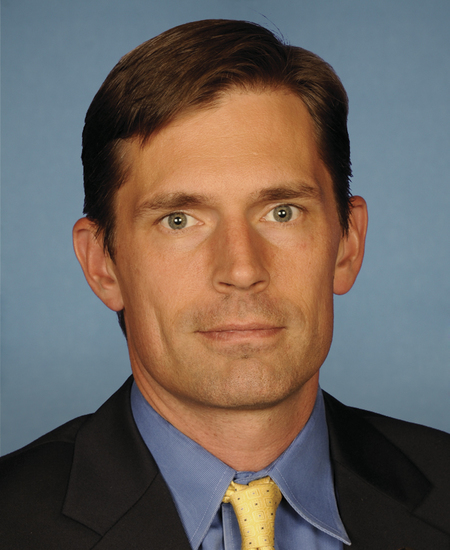
Martin Heinrich
84% support rate
Top opponent
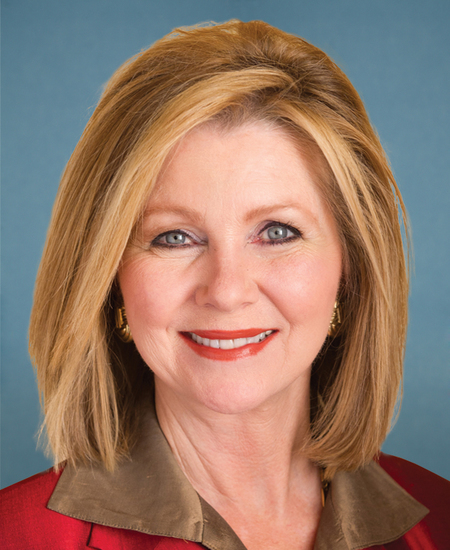
Marsha Blackburn
11% support rate
Ranked legislators
10
5 support · 5 oppose
Key legislators

Who's moving environment in United States

Legislators moving environment in United States
Legislator Party Stance Support rate Votes
Martin Heinrich
Martin Heinrich Senate
D
Strong +
84% 215
Adam B. Schiff
Adam B. Schiff Senate
D
Support
79% 231
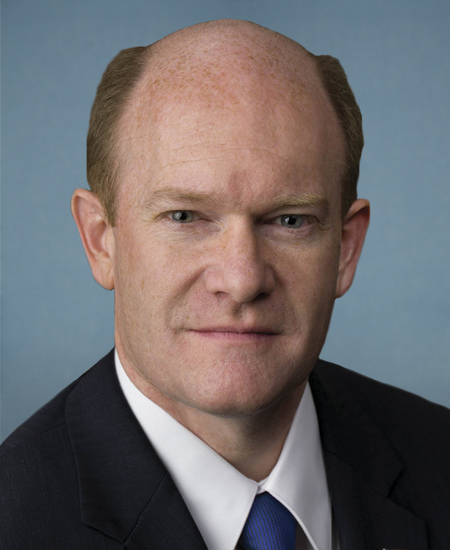
Christopher A. Coons
Christopher A. Coons Senate
D
Support
79% 229
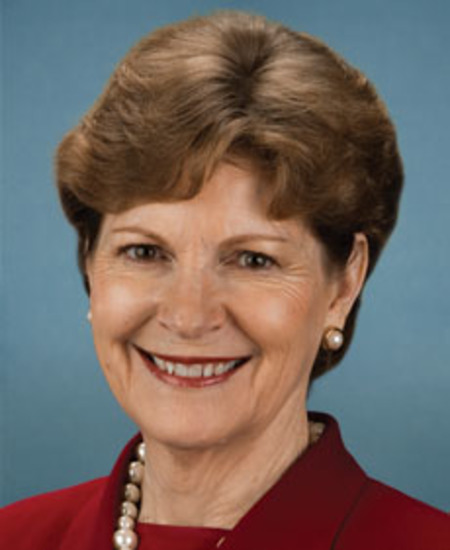
Jeanne Shaheen
Jeanne Shaheen Senate
D
Support
78% 232
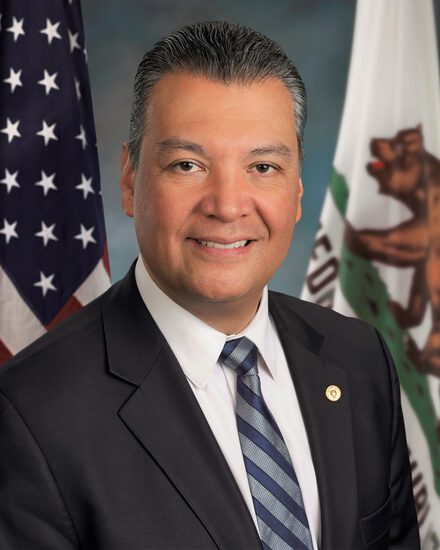
Alex Padilla
Alex Padilla Senate
D
Support
78% 232
Marsha Blackburn
Marsha Blackburn Senate
R
Strong −
11% 211
Ted Budd
Ted Budd Senate
R
Strong −
20% 220
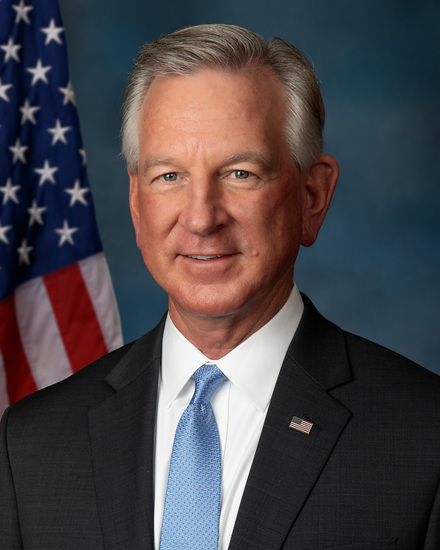
Tommy Tuberville
Tommy Tuberville Senate
R
Oppose
21% 229
Bill Cassidy
Bill Cassidy Senate
R
Oppose
22% 221
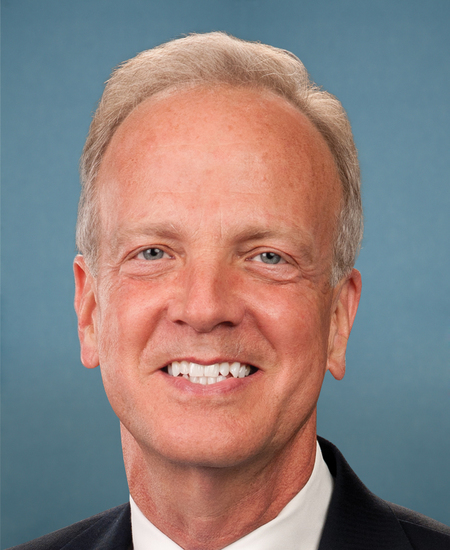
Jerry Moran
Jerry Moran Senate
R
Oppose
23% 228
Showing 1,931–1,940 of 1,975 bills

All environment bills

in committee · United States · Senate Jan 28, 2026

S 3711: Addressing Climate Financial Risk Act of 2026

This bill establishes two new committees under the Financial Stability Oversight Council to address climate-related risks in the financial system. It requires annual reports assessing climate risks' impact on financial stability, updates supervisory guidance for banks with over $50 billion in assets to include climate risks, and mandates a Federal Insurance Office report on homeowners insurance data to evaluate climate impacts. The law directly affects major financial institutions, federal regulators (like the Fed and SEC), state insurance commissioners, and the insurance sector. Key mechanisms include creating a Climate Financial Risk Committee for coordination, an Advisory Committee with climate and financial experts (excluding oil/gas industry), and requiring updated risk management practices for large financial firms.
in committee · United States · Senate Jul 10, 2025

SRES 318: A resolution recognizing that climate change poses a growing threat to public health and necessitates coordinated action to mitigate its impacts and safeguard the health and well-being of all people in the United States.

This non-binding resolution recognizes climate change as a growing public health threat and urges the Department of Health and Human Services (HHS) to prioritize climate resilience in healthcare. It recommends specific actions, including reinstating the Office of Climate Change and Health Equity, directing funding toward underserved communities for infrastructure upgrades, establishing worker heat protection standards, and requiring annual progress reports on health equity outcomes. The resolution directly affects HHS agencies, healthcare providers (especially in rural, Tribal, and low-income areas), and workers facing climate-related health risks. It does not create new laws but calls for coordinated federal action to address climate-driven health impacts like heat-related illnesses, mental health strain, and disease spread.
in committee · United States · House Jun 6, 2025

HRES 482: Recognizing World Oceans Day and the need to protect, conserve, maintain, and rebuild the ocean and its resources.

HRES 482 is a symbolic resolution recognizing June 8 as World Oceans Day and emphasizing the need to protect ocean resources. It highlights threats like plastic pollution, ocean acidification, and climate impacts without creating new laws or direct obligations. The resolution commits the House to increasing federal funding for ocean science research to support U.S. efforts under the UN Decade of Ocean Science for Sustainable Development. It does not directly affect individuals or entities but serves as a policy statement urging greater scientific investment in ocean health.
in committee · United States · Senate Feb 4, 2026

S 3778: Carbon Resource Innovation Act

The Carbon Resource Innovation Act (S 3778) expands a federal tax credit to include businesses capturing carbon in solid or liquid form, directly affecting companies building carbon capture facilities. It modifies the existing 45Q tax credit to cover facilities that capture carbon that would otherwise be released into the atmosphere, requiring measurement at the capture source and verification at disposal. The bill sets a minimum annual capture threshold of 1,000 metric tons for these facilities and defines "solid or liquid carbon capture facility" to include systems with net carbon reductions compared to standard processes. This change aims to incentivize broader carbon capture technology adoption beyond current direct air capture methods.
passed · United States · Senate Nov 20, 2025

S 3022: Save Our Seas 2.0 Marine Debris Infrastructure Programs Reauthorization Act

This bill reauthorizes existing EPA programs focused on marine debris cleanup infrastructure, extending their funding period from 2025 to 2030. It directly affects the EPA's grant programs that provide funding to states, tribes, and local governments for projects removing marine debris from coastlines and waterways. The key change is a simple deadline extension for these established programs, ensuring continued support for coastal cleanup efforts through 2030. The bill does not create new programs or alter funding amounts, only prolonging the current authorization period.
in committee · United States · Senate Jun 12, 2025

S 2063: ESTUARIES Act of 2025

The ESTUARIES Act of 2025 amends Section 320(i)(1) of the Federal Water Pollution Control Act (33 U.S.C. 1330(i)(1)) to extend the National Estuary Program's authorization period from 2026 to 2031. This change directly affects the National Estuary Program, a federal initiative supporting the protection and restoration of estuaries across the United States. The key provision is a simple year adjustment in the law, altering the program's existing timeline without adding new requirements or funding. The bill focuses solely on updating the program's authorization deadline, with no additional policy changes described in the provided context.
in committee · United States · House Jan 13, 2026

HR 6341: Partnerships for Agricultural Climate Action Act

The Partnerships for Agricultural Climate Action Act creates a federal grant program to fund climate-friendly farming practices that reduce greenhouse gas emissions, store carbon in soil, and increase resilience to extreme weather. It provides grants to state and tribal governments, farmer groups, cooperatives, and conservation organizations to develop or implement projects meeting specific climate goals, with priority for initiatives supporting beginning farmers, socially disadvantaged producers, and those incorporating Indigenous agricultural knowledge. The program allocates $150 million annually from 2026 to 2034 (with at least one-third reserved for tribal governments), requiring non-federal matching funds for most applicants and strict rules on fund usage and reporting.
Sub-Topics Climate Change Conservation Tags Agriculture
in committee · United States · House Jul 7, 2025

HR 4296: CROP for Farming Act

HR 4296, the CROP for Farming Act, amends existing federal conservation programs to expand eligible practices for farmers. It updates the Food Security Act of 1985 to explicitly include reducing greenhouse gas emissions (like nitrous oxide or methane) and increasing carbon storage in plants or soil as qualifying conservation activities under incentive contracts. This directly affects farmers enrolled in these programs by broadening the types of environmental practices they can pursue for program benefits. The key change modifies two specific sections of the law to add these new criteria to the existing conservation requirements.
Sub-Topics Climate Change Conservation Tags Agriculture
in committee · United States · House Apr 9, 2025

HR 2786: Resilient Coasts and Estuaries Act of 2025

The Resilient Coasts and Estuaries Act of 2025 establishes a new Coastal and Estuarine Resilience and Restoration Program to protect and restore coastal areas with ecological, recreational, or community value. The program prioritizes lands threatened by development, that can be restored to enhance ecosystem function, or that benefit vulnerable communities facing coastal hazards like sea level rise. It requires the designation of at least five new National Estuarine Research Reserves within eight years and authorizes $47 million annually for 2025-2029 to support these efforts. The bill also creates new requirements for public access to protected lands and establishes a graduate research fellowship program focused on coastal management. This legislation directly affects coastal communities, conservation organizations, and federal agencies managing coastal zones under the Coastal Zone Management Act.
in committee · United States · House Mar 18, 2025

HR 2177: Tradeable Energy Performance Standards Act

The Tradeable Energy Performance Standards Act establishes a market-based system for reducing carbon emissions from large energy facilities. Covered facilities (electricity and thermal energy producers above certain size thresholds) must obtain emission allowances for each metric ton of CO2 they emit, either by receiving allowances from the government or purchasing them. Facilities can also pay increasing fees (starting at $50 per ton in 2028) or trade allowances with other facilities through bilateral agreements. The bill creates an offset program to fund projects that reduce emissions or sequester carbon, with grants awarded based on cost-effectiveness.
Showing 1,931 to 1,940 of 1,975 bills