Issue · Environment

Environment

Every environment bill, vote, and legislator stance in United States, automatically classified by Maddy, our AI policy reader.

Total bills
1,978
119th Congress
Top supporter
Aisha Wahab
100% support rate
Top opponent
Marsha Blackburn
11% support rate
Ranked legislators
10
5 support · 5 oppose
Key legislators

Who's moving environment in United States

Legislators moving environment in United States
Legislator Party Stance Support rate Decisive votes
Aisha Wahab
Aisha Wahab House · District 14
D
Strong +
100% 7
Everton Blair Jr.
Everton Blair Jr. House · District 13
D
Strong +
89% 9
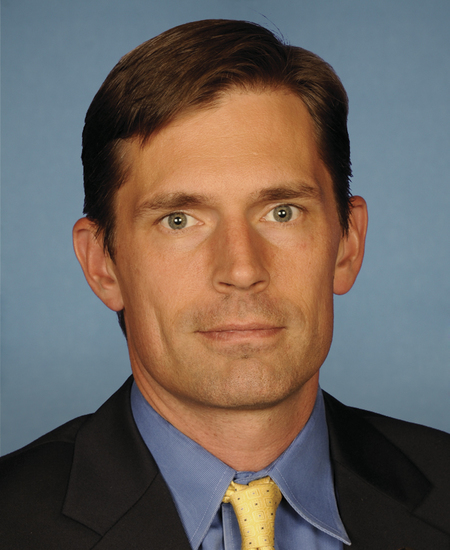
Martin Heinrich
Martin Heinrich Senate
D
Strong +
84% 37
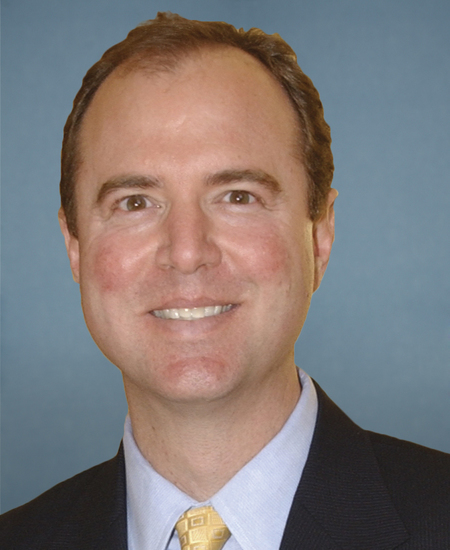
Adam B. Schiff
Adam B. Schiff Senate
D
Support
79% 53
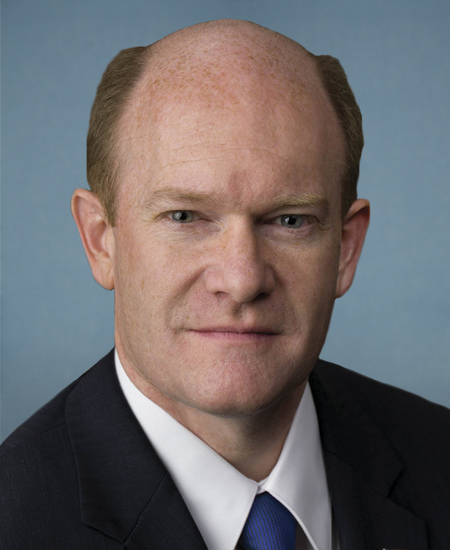
Christopher A. Coons
Christopher A. Coons Senate
D
Support
79% 52
Marsha Blackburn
Marsha Blackburn Senate
R
Strong −
11% 36
Ted Budd
Ted Budd Senate
R
Strong −
20% 40
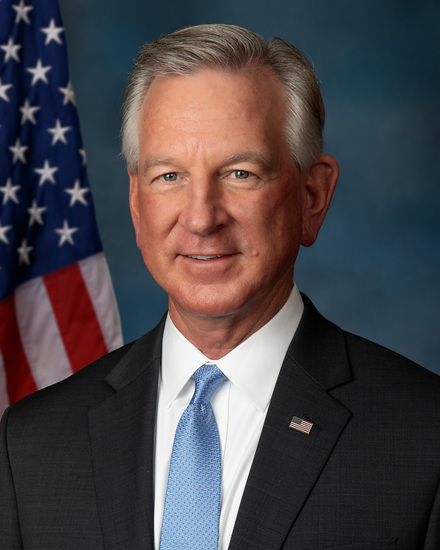
Tommy Tuberville
Tommy Tuberville Senate
R
Oppose
21% 53
Bill Cassidy
Bill Cassidy Senate
R
Oppose
22% 54
Jerry Moran
Jerry Moran Senate
R
Oppose
23% 53
Showing 1,451–1,460 of 1,978 bills

All environment bills

in committee · United States · House Feb 2, 2026

HR 6616: Clean Water Justice Act

HR 6616, the Clean Water Justice Act, amends criminal penalties under the Federal Water Pollution Control Act. It increases maximum fines for water pollution violations: from $5,000 to $25,000, $50,000 to $250,000, and $100,000 to $500,000. The bill also requires annual adjustments to these fines based on the Consumer Price Index, published in the Federal Register, to account for inflation. These changes directly affect polluters who violate federal water pollution laws. The provisions modify existing penalty structures without creating new regulations.
in committee · United States · House Nov 17, 2025

HR 6068: PROTECT Florida Act

HR 6068, the PROTECT Florida Act, extends the existing moratorium on oil and gas leasing and exploration in the Gulf of Mexico through 2032 and adds a new, permanent ban on these activities off Florida’s Atlantic coast. It directly affects federal agencies (like the Department of the Interior), which cannot issue permits for oil/gas exploration, seismic testing, or related activities in two specific zones: the Straits of Florida and the South Atlantic Planning Area south of Florida’s coastline. The bill blocks all leasing, preleasing, and exploration permits in these areas from enactment until June 30, 2032. This policy change prevents new offshore drilling and seismic surveys in Florida’s coastal waters, aiming to protect marine environments and coastal communities.
in committee · United States · House Apr 29, 2025

HR 3077: Agriculture Resilience Act of 2025

# Summary of the Agriculture Resilience Act of 2025 This comprehensive legislative proposal aims to transform U.S. agricultural systems to be more resilient, sustainable, and climate-smart while addressing food waste and improving food safety labeling. ## Key Provisions ### Conservation & Climate Resilience - **Conservation Reserve Program** (Section 504): Expands enrollment targets through 2030 and establishes a new "Grassland 30" contract option for long-term grassland conservation. - **Private Grazing Land Conservation** (Section 503): Focuses on soil health, climate resilience, and transitioning from confinement systems to managed grazing systems. - **Alternative Manure Management Program** (Section 505): Supports dairy and livestock producers in adopting practices that reduce methane emissions and improve carbon sequestration. ### Renewable Energy - **Rural Energy for America Program** (Section 601): Expands to support renewable energy development and greenhouse gas emissions reductions. - **Agrivoltaic Systems** (Section 602): Mandates research on integrated solar energy and agricultural production systems. - **AgSTAR Program** (Section 603): Maintains and expands the anaerobic digestion program to reduce methane emissions from livestock waste. ### Food Loss & Waste Reduction - **Standardized Food Date Labeling** (Section 701-705): Establishes uniform "BEST If Used By" (quality date) and "USE By" (discard date) phrases to reduce confusion and food waste. - **Composting as Conservation Practice** (Section 711): Officially recognizes composting as a conservation practice under USDA programs. - **Federal Food Donation Act Amendments** (Section 712): Requires federal contractors to donate excess food and report on food waste. - **School Food Waste Reduction** (Section 714): Creates grant program for schools to measure, prevent, and reduce food waste. - **Food Waste Research Program** (Section 716): Establishes regional research centers to study food waste reduction strategies. ### Funding - Multiple funding allocations for conservation programs ($50 million/year for grazing land conservation, $1.5 billion for alternative manure management program). - $20 million/year for meat processing system resilience grants (Section 502). - $100 million/year for food waste-to-energy projects (Section 713). This legislation represents a holistic approach to creating a more sustainable food system that addresses climate change, reduces food waste, supports farmers and ranchers, and improves consumer understanding of food labeling.
in committee · United States · House Jan 21, 2026

HR 7181: Replacement Parts Availability Act

This bill amends the Toxic Substances Control Act to require the EPA to exempt replacement parts for complex durable and consumer goods (like appliances or vehicles) designed before a specific regulatory rule is published. It limits EPA regulation of these parts only if the agency proves they significantly contribute to health risks, with strict evidence requirements. The bill also prevents bans on chemicals needed to make exempt parts and mandates a 10-year transition period for any existing restrictions. This directly affects manufacturers of replacement parts and the EPA's regulatory authority over them.
Sub-Topics Hazardous Materials
in committee · United States · House Dec 17, 2025

HR 6798: Calumet National Heritage Area Act

The Calumet National Heritage Area Act designates a specific region in Indiana and Illinois (including parts of three Indiana counties and portions of two Illinois counties) as a National Heritage Area to preserve its cultural, historical, and natural resources. This designation directly affects local communities, organizations like the Calumet Heritage Partnership (which will coordinate efforts), and federal agencies managing the program. The bill requires the local entity to create a management plan within three years and authorizes federal assistance for up to 15 years to support conservation, education, and tourism initiatives. It focuses on protecting the area’s industrial heritage, ecological sites like Indiana Dunes National Park, and immigrant cultural history without creating new federal funding or regulatory requirements.
in committee · United States · House May 1, 2025

HR 3137: Biodiesel Tax Credit Extension Act of 2025

HR 3137 extends federal tax credits for biodiesel production and use through 2026, directly affecting biodiesel producers, refiners, and businesses that purchase or use biodiesel. The bill updates tax code provisions to keep the biodiesel credit active until 2026 (instead of expiring in 2024) and prevents double benefits by disallowing credits for fuel already covered under a separate clean fuel production credit. It also extends related credits for second-generation biofuels until 2027 and applies to fuels sold or used after December 31, 2024. The changes maintain existing tax incentives without altering eligibility or creating new requirements.
Sub-Topics Tax Credits
in committee · United States · Senate May 14, 2025

S 1765: Connecticut River Watershed Partnership Act

The Connecticut River Watershed Partnership Act establishes a federal program to coordinate habitat restoration, water quality improvement, and public access projects across the Connecticut River watershed (encompassing Connecticut, Maine, Massachusetts, New Hampshire, and Vermont). It creates a competitive grant program providing matching funds to states, tribes, nonprofits, and universities, with enhanced federal funding (up to 90%) for projects serving environmental justice communities - defined as communities of color, low-income areas, or Tribal groups facing disproportionate environmental risks. The program requires consultation with tribal governments, local entities, and affected communities to implement watershed-wide strategies focused on ecosystem health, climate resilience, and equitable access to natural spaces. It mandates annual congressional reports and authorizes funding for 2026-2030, prioritizing projects that restore fish/wildlife habitat, improve water quality, and support community engagement.
in committee · United States · House Aug 1, 2025

HR 4865: Advancing Research on Agricultural Soil Health Act of 2025

The Advancing Research on Agricultural Soil Health Act of 2025 requires the U.S. Department of Agriculture to develop a standardized method for measuring soil carbon within 270 days of enactment. It establishes a national Soil Carbon Inventory and Analysis Network to track soil carbon changes across agricultural lands and create predictive models showing how farming practices affect carbon sequestration. The bill includes provisions for voluntary reporting of soil carbon data by farmers and ranchers, with technical assistance provided in multiple languages and formats. It authorizes $2 million annually for methodology development and $17.5 million for the Soil Carbon Inventory and Analysis Network, with requirements for stakeholder consultation including socially disadvantaged farmers and ranchers.
Tags Agriculture
in committee · United States · House Jun 29, 2026

HR 3300: Forest Protection and Wildland Firefighter Safety Act of 2025

HR 3300 amends a permit requirement under the Federal Water Pollution Control Act to exempt certain aerial fire suppression applications from needing a permit. It specifically allows the use of fire control products listed on the Forest Service's current Qualified Products List without a permit during wildfire operations. This directly affects wildland firefighters and federal agencies like the Forest Service when deploying approved suppression materials. The change streamlines access to critical firefighting tools during emergencies by removing a specific regulatory barrier.
Sub-Topics Forestry Water Quality
in committee · United States · House Apr 29, 2025

HR 3067: Arctic Refuge Protection Act

HR 3067, the Arctic Refuge Protection Act, repeals the existing oil and gas program for the Arctic National Wildlife Refuge (ANWR) and designates approximately 1.56 million acres of the refuge's Coastal Plain as wilderness. This directly affects federal management of the ANWR, halting potential oil drilling in the designated area. The bill requires the Secretary of the Interior to administer the newly designated wilderness area under the Wilderness Act, treating it as part of the existing wilderness within ANWR. The change prevents future oil and gas development on this specific portion of the refuge.
Showing 1,451 to 1,460 of 1,978 bills