Issue · Environment

Environment

Every environment bill, vote, and legislator stance in United States, automatically classified by Maddy, our AI policy reader.

Total bills
1,989
119th Congress
Top supporter
Aisha Wahab
100% support rate
Top opponent
Marsha Blackburn
11% support rate
Ranked legislators
10
5 support · 5 oppose
Key legislators

Who's moving environment in United States

Legislators moving environment in United States
Legislator Party Stance Support rate Decisive votes
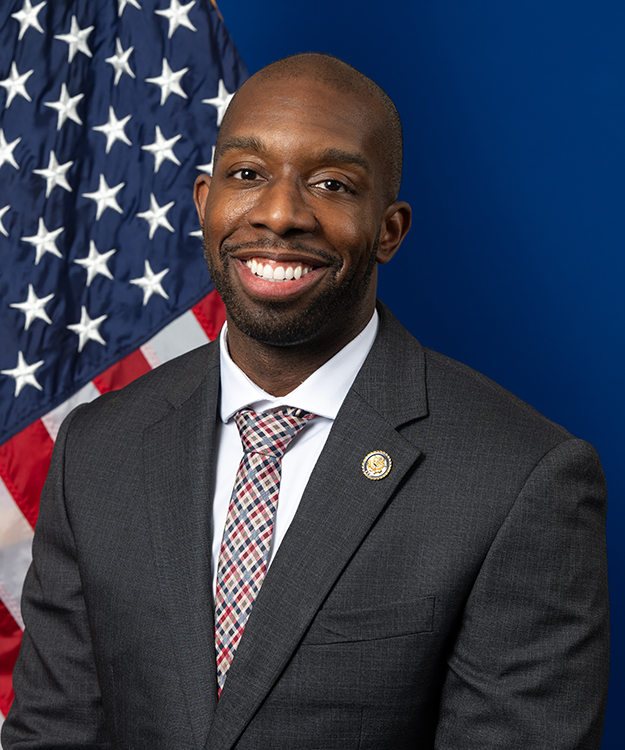
Aisha Wahab
Aisha Wahab House · District 14
D
Strong +
100% 7
Everton Blair Jr.
Everton Blair Jr. House · District 13
D
Strong +
89% 9
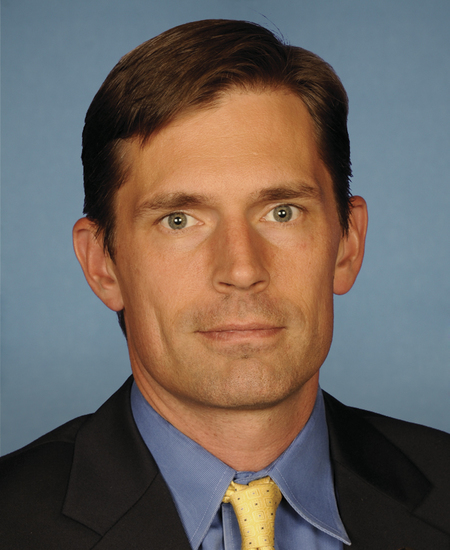
Martin Heinrich
Martin Heinrich Senate
D
Strong +
84% 37
Adam B. Schiff
Adam B. Schiff Senate
D
Support
79% 53
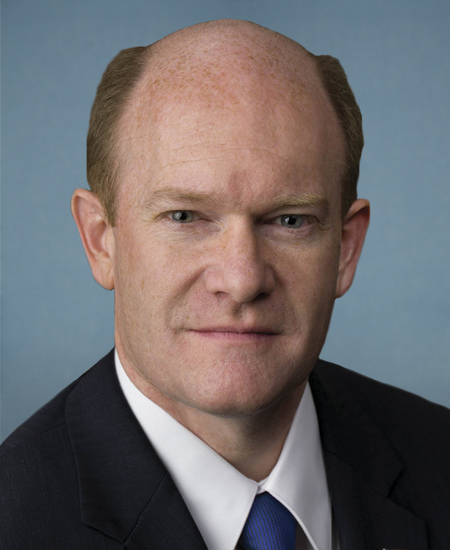
Christopher A. Coons
Christopher A. Coons Senate
D
Support
79% 52
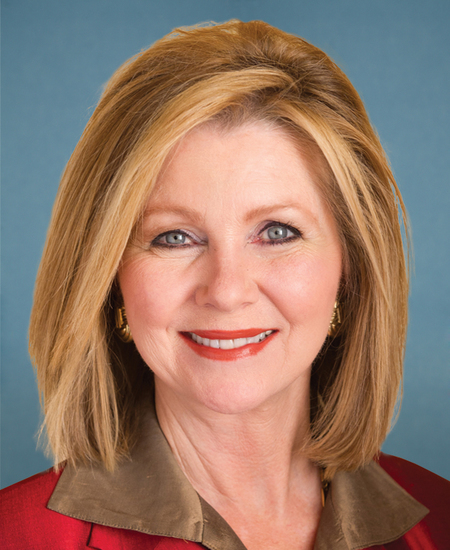
Marsha Blackburn
Marsha Blackburn Senate
R
Strong −
11% 36
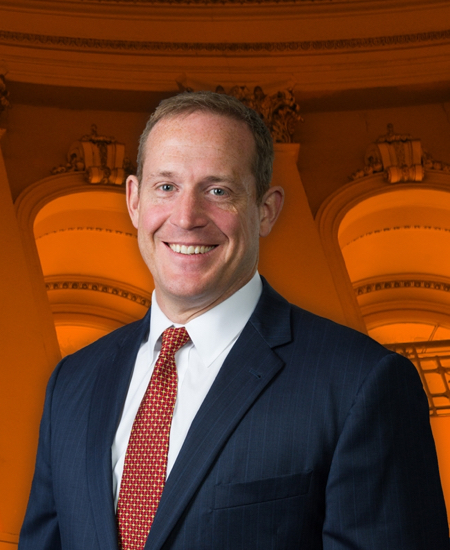
Ted Budd
Ted Budd Senate
R
Strong −
20% 40
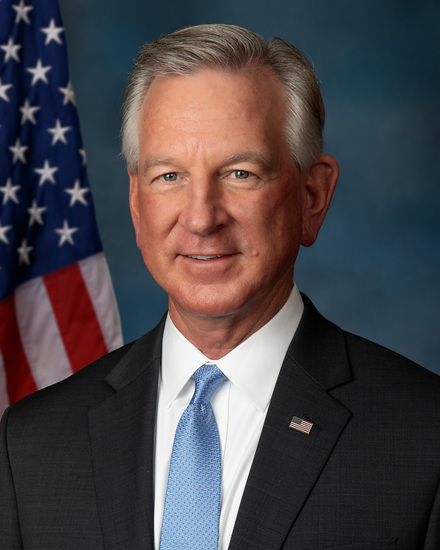
Tommy Tuberville
Tommy Tuberville Senate
R
Oppose
21% 53
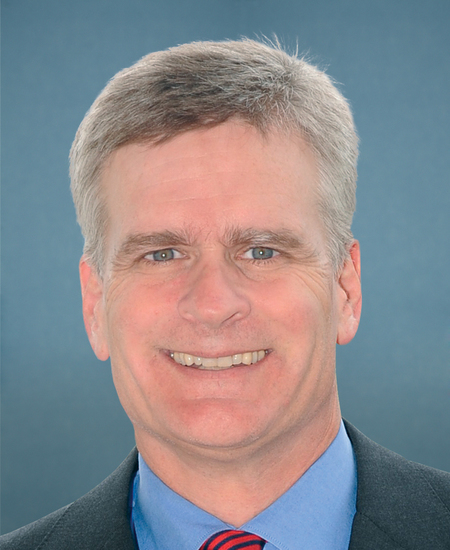
Bill Cassidy
Bill Cassidy Senate
R
Oppose
22% 54
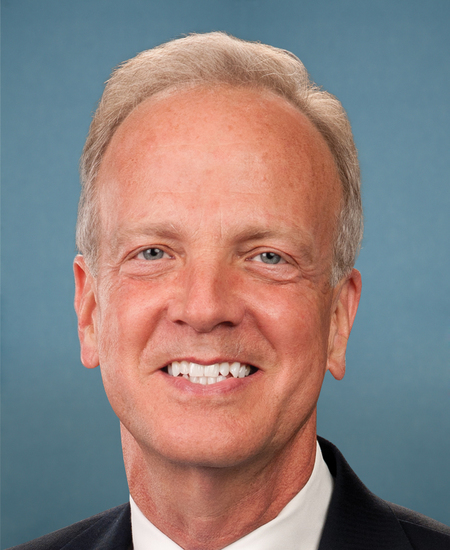
Jerry Moran
Jerry Moran Senate
R
Oppose
23% 53
Showing 1,401–1,410 of 1,989 bills

All environment bills

in committee · United States · House Sep 15, 2026

HR 181: To amend the Endangered Species Act of 1973 to provide that artificially propagated animals shall be treated the same under that Act as naturally propagated animals, and for other purposes.

This bill would amend the Endangered Species Act to require that captive-bred (artificially propagated) animals receive identical protections as wild (naturally propagated) animals under the law. It mandates that the Secretary of the Interior must authorize using captive-bred animals to offset harm to endangered species in conservation projects (mitigation). These changes apply to all species listed under the Act, regardless of when they were designated as endangered or threatened. The bill does not alter species listing criteria or habitat protections but ensures consistent treatment of captive and wild populations.
Sub-Topics Conservation Wildlife
in committee · United States · Senate Dec 11, 2025

S 3446: A bill to require the Secretary of Defense to submit a strategy to accelerate the response efforts of the Department of Defense with respect to releases of perfluoroalkyl substances or polyfluoroalkyl substances from the activities of the Department.

This bill requires the Department of Defense (DoD) to create and submit a strategy within 180 days to speed up cleanup efforts at military bases and National Guard facilities contaminated with PFAS chemicals (like firefighting foam). The strategy must detail how the DoD prioritizes sites based on health/environmental risks, set specific cleanup timelines for each location, and outline plans to add labs, staff, or technology to reduce delays. It also mandates a public online dashboard updated every six months, showing funding use, cleanup progress, completion dates, and community contacts for each affected site. The bill directly affects military installations and National Guard facilities with PFAS contamination and aims to improve transparency and accelerate remediation under federal cleanup law.
in committee · United States · Senate Dec 2, 2025

S 1005: Southern Nevada Economic Development and Conservation Act

The Southern Nevada Economic Development and Conservation Act transfers approximately 48,302 acres of federal land to be held in trust for Nevada's Moapa Band of Paiutes and Las Vegas Paiute tribes, while establishing 10 special management areas totaling over 300,000 acres for conservation in Clark County. The bill authorizes conveyances of federal land to Clark County and local governments for public purposes including fire facilities, water infrastructure, and affordable housing, with requirements that land be used for specific purposes and may revert to the federal government if misused. It adjusts boundaries for Red Rock Canyon and Sloan Canyon National Conservation Areas and adds several new wilderness areas to the National Wilderness Preservation System. These provisions aim to balance economic development with conservation of natural resources in Southern Nevada.
passed · United States · House Apr 27, 2026

HR 6387: FIRE Act

The FIRE Act amends the Clean Air Act to clarify when air quality monitoring data affected by wildfires or prescribed fire (a state-approved wildfire risk mitigation practice) can be excluded from compliance calculations with air quality standards. It expands the definition of "exceptional events" to include natural wildfires and human activities mimicking natural events (like prescribed burns), while excluding common weather patterns and pollution from noncompliance. The bill requires the EPA to conduct regional analysis for multistate wildfire events and create a public website tracking state petitions for data exclusion. This change primarily affects how states and the EPA handle air quality data during wildfire seasons and when using prescribed fire as a management tool.
Sub-Topics Air Quality Forestry
in committee · United States · House Oct 27, 2025

HR 5827: To advance bipartisan, common sense solutions.

The bill establishes a carbon tax on fossil fuel emissions starting at $35 per metric ton of CO2 equivalent in 2027, with annual increases based on inflation. It creates border tax adjustments for imports and exports of greenhouse gas-intensive products to prevent carbon leakage. Revenue from the tax would fund the Rebuilding Infrastructure and Solutions for the Environment Trust Fund, which would distribute funds for infrastructure projects, climate adaptation, and assistance for displaced energy workers. The tax would directly affect fossil fuel producers, manufacturers, and importers/exporters of covered goods.
in committee · United States · House Jun 26, 2025

HR 4212: SHADE Act

HR 4212, the SHADE Act, establishes a federal grant program to plant trees in historically underserved urban areas. It directly affects cities and communities in "redlined areas" (low-income neighborhoods historically denied loans) or "intra-urban heat islands" (city zones with high temperatures and low tree cover). The bill authorizes $50 million annually (2026-2036) for grants to states, local governments, tribes, or qualifying nonprofits to fund tree planting, maintenance for 5 years, and community engagement plans. Grants prioritize projects that avoid displacing residents and require planting non-invasive tree species suited to the local environment.
Sub-Topics Forestry
in committee · United States · House Mar 28, 2025

HR 1994: Public Land Renewable Energy Development Act of 2025

The Public Land Renewable Energy Development Act of 2025 establishes rules for solar and wind energy projects on federal public lands and National Forest System lands. It requires project owners to pay current rents and fees (with a limited exception for projects that applied for permits by December 2016) and directs 25% of revenue from these projects to the state, 25% to the county (based on land area), 25% to speed up renewable energy permit processing, and 25% to a new conservation fund. The fund finances habitat restoration, wildlife corridor protection, wetland conservation, and improved public access to federal lands affected by renewable energy development. This bill directly affects renewable energy developers, states, counties, and federal agencies managing public lands.
in committee · United States · Senate Nov 6, 2025

S 3123: Sustainable International Financial Institutions Act of 2025

S 3123, the Sustainable International Financial Institutions Act of 2025, requires U.S. representatives at major international financial institutions (like the World Bank, IMF, and regional development banks) to use their voting power to oppose new fossil fuel projects and advance clean energy funding. The bill mandates that the U.S. reduce its financial contributions to any institution funding new fossil fuel capacity (including expansion of existing projects), with the withheld funds held in an escrow account until the institution stops such funding. It directly affects countries and entities receiving loans or assistance from these institutions, as well as the institutions themselves, by blocking new fossil fuel investments and requiring them to phase out support for fossil fuels by 2027. Key provisions include a defined scope of "fossil fuel activity" (covering coal, oil, gas, and unconventional sources like oil sands) and annual reporting requirements to Congress.
passed · United States · Senate Dec 15, 2025

S 719: Tribal Forest Protection Act Amendments Act of 2025

This bill amends the 2004 Tribal Forest Protection Act to expand protections for tribal lands and clarify restoration goals. It broadens the definition of "Indian forest land or rangeland" to include areas with historical forest cover capable of restoration and explicitly adds "restore" to the Act’s purpose (previously only "protect"). The changes directly affect federally recognized tribes, Alaska Native Corporations under the Alaska Native Claims Settlement Act, and federal agencies managing land. It also authorizes $15 million annually for fiscal years 2026-2031 to implement these provisions.
Sub-Topics Forestry Public Lands Tags Tribal Nations
in committee · United States · House Mar 14, 2025

HR 1116: REAL Meat Act of 2025

HR 1116, the REAL Meat Act of 2025, prohibits federal funding for cell-cultured meat (lab-produced meat) by banning government support for its research, production, promotion, or inclusion in USDA programs. It directly affects federal agencies like the Department of Agriculture and research programs by blocking funds for any activity related to cell-cultured meat, except for NASA's space-related use. The bill defines cell-cultured meat as meat grown from animal cells in a lab, ensuring the funding restriction applies specifically to this method. The sole exception allows NASA to fund cell-cultured meat intended for consumption off-planet. This policy change restricts government financial support but does not ban the sale or consumption of cell-cultured meat products.
Tags Agriculture
Showing 1,401 to 1,410 of 1,989 bills