Issue · Environment

Environment

Every environment bill, vote, and legislator stance in United States, automatically classified by Maddy, our AI policy reader.

Total bills
1,989
119th Congress
Top supporter
Aisha Wahab
100% support rate
Top opponent
Marsha Blackburn
11% support rate
Ranked legislators
10
5 support · 5 oppose
Key legislators

Who's moving environment in United States

Legislators moving environment in United States
Legislator Party Stance Support rate Decisive votes
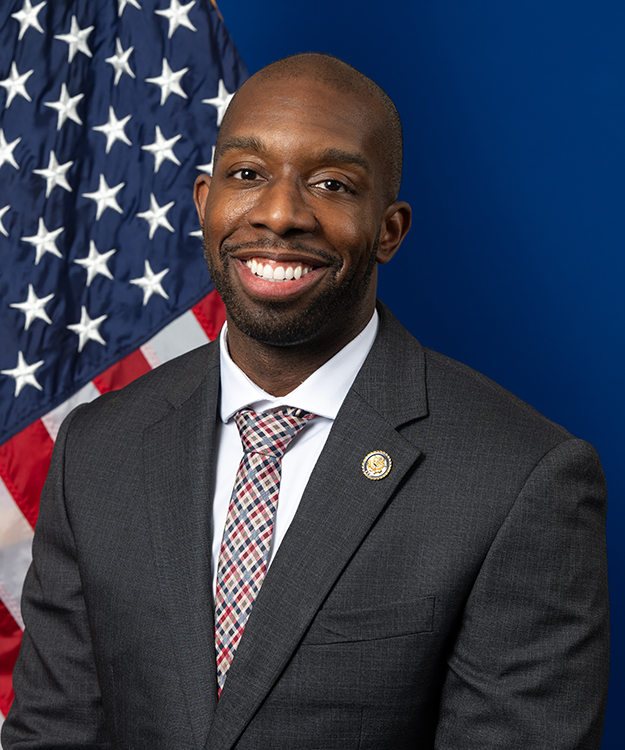
Aisha Wahab
Aisha Wahab House · District 14
D
Strong +
100% 7
Everton Blair Jr.
Everton Blair Jr. House · District 13
D
Strong +
89% 9
Martin Heinrich
Martin Heinrich Senate
D
Strong +
84% 37
Adam B. Schiff
Adam B. Schiff Senate
D
Support
79% 53
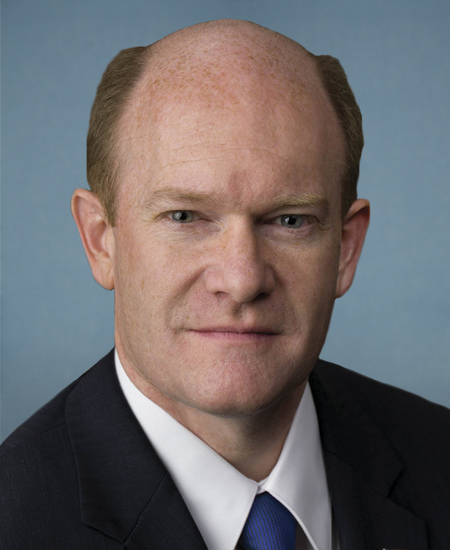
Christopher A. Coons
Christopher A. Coons Senate
D
Support
79% 52
Marsha Blackburn
Marsha Blackburn Senate
R
Strong −
11% 36
Ted Budd
Ted Budd Senate
R
Strong −
20% 40
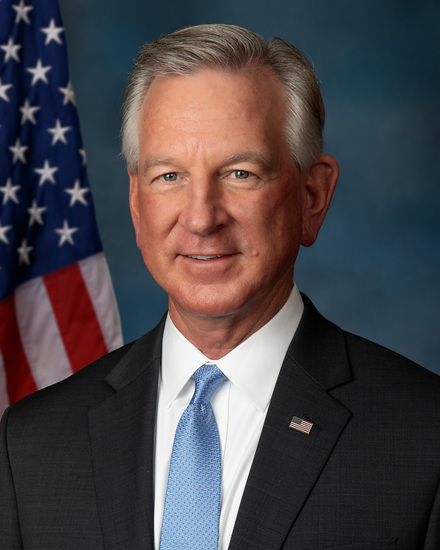
Tommy Tuberville
Tommy Tuberville Senate
R
Oppose
21% 53
Bill Cassidy
Bill Cassidy Senate
R
Oppose
22% 54
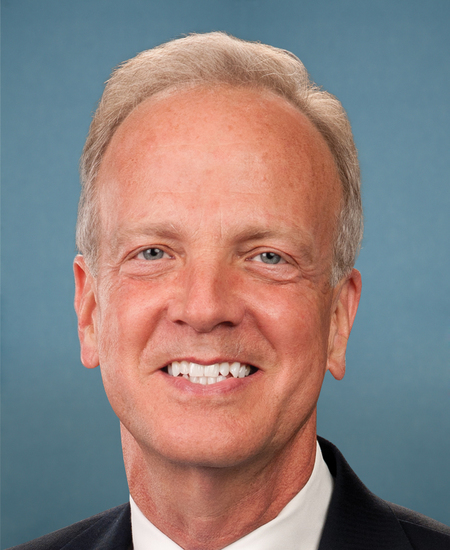
Jerry Moran
Jerry Moran Senate
R
Oppose
23% 53
Showing 1,321–1,330 of 1,989 bills

All environment bills

in committee · United States · House Mar 20, 2025

HR 1459: Protect the West Act of 2025

The Protect the West Act of 2025 establishes a $60 billion Outdoor and Watershed Restoration Fund to support projects improving forest conditions, rangeland health, watershed function, and wildlife habitat on both Federal and non-Federal lands. The bill creates two main programs: a $20 billion grant program for planning and projects on non-Federal land (with priority for wildfire risk reduction and community collaboration), and a $40 billion Partnership Program for restoration projects on Federal land, with at least $20 billion specifically allocated for Federal land projects. Eligible entities including states, tribes, local governments, and nonprofits can apply for funding to carry out projects that address wildfire risk, improve habitat, and create outdoor jobs while complementing existing conservation programs. The bill requires projects to follow best available science, prohibits work in wilderness areas, and mandates annual reporting to Congress on fund usage and outcomes.
in committee · United States · House Jul 22, 2025

HR 4033: Sturgeon Conservation and Sustainability Act of 2025

HR 4033 exempts farmed sturgeon and their offspring from certain protections under the Endangered Species Act until they are intentionally returned to the wild. This directly affects sturgeon farmers and aquaculture facilities operating in controlled environments, allowing them to continue their activities without ESA compliance for captive sturgeon. The bill requires these operators to maintain records proving their sturgeon qualify under the exemption and to provide documentation to the Secretary upon request. It does not create new conservation measures but clarifies existing ESA rules for commercial sturgeon farming.
Sub-Topics Conservation Wildlife
in committee · United States · House Feb 7, 2025

HR 1150: SPEAR Act of 2025

The SPEAR Act of 2025 amends the Endangered Species Act to prevent the federal government from listing lake sturgeon populations in Wisconsin as threatened or endangered. This change allows Wisconsin to continue its state-led management plan, including the annual sturgeon spearing season, without federal restrictions. The bill adds a specific provision to the Endangered Species Act explicitly prohibiting the Secretary of the Interior from determining that Wisconsin's lake sturgeon are threatened or endangered. The law directly affects federal regulatory actions for these sturgeon, supporting Wisconsin's conservation program and the cultural and economic significance of the spearing season to local communities.
Sub-Topics Conservation Wildlife
in committee · United States · House Oct 29, 2025

HR 5869: Tribal Water Infrastructure Grants Expansion Act

This bill allocates $30 million annually (from existing funds) plus $500 million yearly (2026-2031) specifically for tribal water infrastructure projects. It provides direct grants to federally recognized tribes for clean water treatment systems, maintenance, and related training without requiring tribes to cover project costs. Funds can support construction, operation, and management of water systems on tribal lands, aligning with existing federal water pollution control programs. The legislation targets tribes as the direct beneficiaries of these expanded funding streams.
Sub-Topics Drinking Water Water Quality Tags Tribal Nations
in committee · United States · House Sep 30, 2025

HR 5650: Weatherization Resilience and Adaptation Program Act

This bill establishes a federal grant program to help low-income homeowners and affordable housing owners adapt properties to climate-driven hazards like flooding and wildfires. It authorizes $250 million annually (2026-2031) for states, tribes, and Native Hawaiian organizations to fund resilience projects for eligible property owners, defined as those at or below 300% of the federal poverty level in high-risk areas. Key provisions require grants to cover natural solutions (e.g., ecological landscaping), prohibit rent increases for two years on funded properties, and mandate resident relocation protections for multifamily buildings. The program mandates adherence to federally developed resilience standards and includes reporting requirements to ensure funds are used effectively. It directly affects vulnerable households in climate-threatened communities who cannot afford property adaptations on their own.
in committee · United States · Senate Nov 6, 2025

S 3152: LEAF Act of 2025

The LEAF Act of 2025 requires the U.S. Forest Service to give preference in awarding contracts for wildfire prevention projects to "appropriate local contractors" meeting specific criteria. These contractors must either be based in the state where work occurs with at least 26% of their workforce residing there, or within 60 miles of their business location. The bill covers projects like forest thinning, hazard tree removal, and fuel breaks aimed at reducing wildfire risks on federal lands. The Forest Service must also submit annual reports tracking contract awards to such contractors and assessing the policy's economic impact.
Sub-Topics Forestry
in committee · United States · House Jun 24, 2025

HR 4108: Refuge From Cruel Trapping Act

HR 4108, the Refuge From Cruel Trapping Act, bans the possession or use of body-gripping traps (traps that kill or severely injure wildlife) in National Wildlife Refuges. It directly affects visitors, hunters, and trappers using such traps within refuge boundaries, with limited exceptions for federal agencies managing invasive species or endangered wildlife, dismantling traps, Alaska-specific use, and tribal subsistence hunting. The bill includes penalties of up to $500 per trap, potential jail time, and forfeiture of traps or captured wildlife for violations. It requires the Secretary of the Interior to issue implementing regulations within 120 days but takes effect 120 days after enactment.
Sub-Topics Conservation Wildlife
in committee · United States · House Mar 5, 2025

HR 1881: Methane Reduction and Economic Growth Act

HR 1881, the Methane Reduction and Economic Growth Act, creates a new tax credit for businesses that capture methane emissions from mining operations. It directly affects mining facilities (including underground, abandoned, or surface mines) that install methane capture equipment and capture at least 2,500 metric tons of methane annually. The bill provides a tax credit by modifying existing carbon capture tax rules to apply specifically to methane, requiring captured methane to be used for energy (e.g., in pipelines meeting safety standards or for industrial heat) with minimal atmospheric release. The credit applies to methane captured after December 2024, aiming to incentivize reducing methane emissions from mining sources.
Sub-Topics Tax Credits Coal
in committee · United States · Senate Jan 30, 2025

S 341: Smoke and Heat Ready Communities Act of 2025

This bill creates federal grants to help communities prepare for wildfire smoke and extreme heat. It provides funding for air pollution agencies to monitor air quality, install air filtration in public buildings, distribute protective equipment like N95 masks, and conduct community outreach in vulnerable areas. The bill also establishes research centers at universities to study health impacts and develop better response strategies, and creates a competitive grant program for states, tribes, and local governments to develop community-specific smoke and heat mitigation plans. These provisions directly affect communities facing wildfire smoke and extreme heat risks, particularly those with limited resources.
in committee · United States · House Dec 2, 2025

HR 6143: PRECISE Act

The PRECISE Act amends existing agricultural programs to specifically support farmers adopting precision agriculture practices and technology. It expands eligibility under the Conservation Loan Program (Section 304 of the Farm and Rural Development Act) for loans covering precision agriculture tools like GPS guidance, soil sensors, and data software. Farmers using these loans can also receive increased payments through the Environmental Quality Incentives Program (EQIP), with costs for precision agriculture practices covered up to 90% of expenses. The bill directly affects agricultural producers seeking to improve efficiency, reduce input waste, and enhance environmental outcomes through technology adoption.
Sub-Topics Conservation
Showing 1,321 to 1,330 of 1,989 bills