Issue · Environment

Environment

Every environment bill, vote, and legislator stance in United States, automatically classified by Maddy, our AI policy reader.

Total bills
1,989
119th Congress
Top supporter
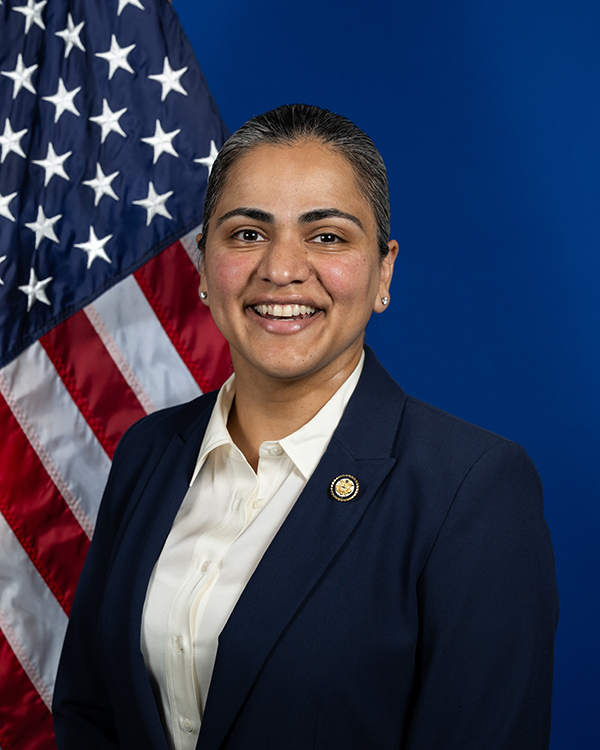
Aisha Wahab
100% support rate
Top opponent
Marsha Blackburn
11% support rate
Ranked legislators
10
5 support · 5 oppose
Key legislators

Who's moving environment in United States

Legislators moving environment in United States
Legislator Party Stance Support rate Decisive votes
Aisha Wahab
Aisha Wahab House · District 14
D
Strong +
100% 7
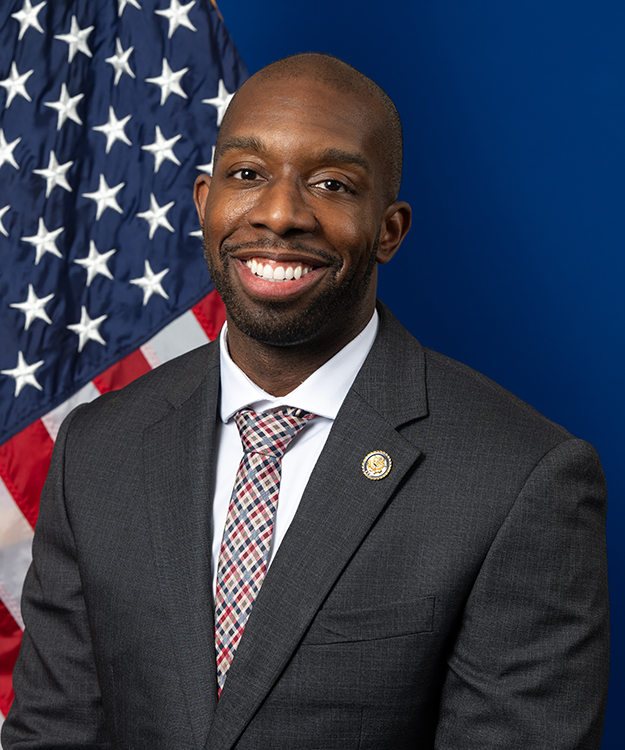
Everton Blair Jr.
Everton Blair Jr. House · District 13
D
Strong +
89% 9
Martin Heinrich
Martin Heinrich Senate
D
Strong +
84% 37
Adam B. Schiff
Adam B. Schiff Senate
D
Support
79% 53
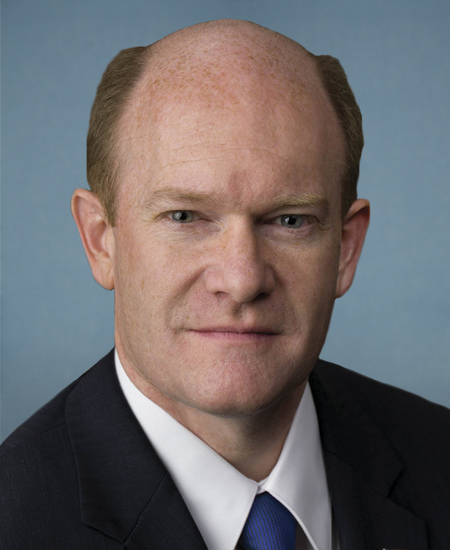
Christopher A. Coons
Christopher A. Coons Senate
D
Support
79% 52
Marsha Blackburn
Marsha Blackburn Senate
R
Strong −
11% 36
Ted Budd
Ted Budd Senate
R
Strong −
20% 40
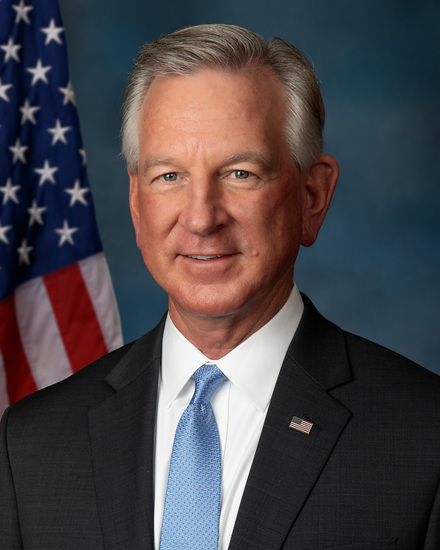
Tommy Tuberville
Tommy Tuberville Senate
R
Oppose
21% 53
Bill Cassidy
Bill Cassidy Senate
R
Oppose
22% 54
Jerry Moran
Jerry Moran Senate
R
Oppose
23% 53
Showing 1,291–1,300 of 1,989 bills

All environment bills

in committee · United States · House Nov 29, 2025

HR 6090: FRESHER Act of 2025

The FRESHER Act of 2025 requires the Secretary of the Interior to study stormwater runoff impacts from oil, gas, and mining operations on groundwater and aquifers. It mandates a specific analysis of measurable contamination, groundwater resources, and aquifer susceptibility to contamination in affected areas. The study must be completed within one year of the bill's enactment, with results reported to Congress. This bill directly affects oil, gas, and mining operations by establishing new federal study requirements for their stormwater runoff.
Sub-Topics Water Quality
in committee · United States · House Feb 13, 2025

HR 1281: Natural GAS Act of 2025

The Natural GAS Act of 2025 requires the Department of Energy to conduct a full fuel cycle analysis (referencing a 2009 National Academies report) before setting new energy efficiency standards for residential gas water heaters, furnaces/boilers, and cooktops/ranges/ovens. It mandates that any final rule must certify it won’t cause a significant shift from gas to electric appliances in construction or replacement. Manufacturers must prominently disclose the analysis results on required energy efficiency labels visible to consumers at point-of-sale. The bill exempts small appliance manufacturers (defined in federal regulations) from these requirements.
in committee · United States · House Jan 28, 2025

HR 753: FIRE Act of 2025

HR 753, the FIRE Act of 2025, directs the NOAA Administrator to establish a program improving wildfire forecasting and detection to reduce loss of life and property. The bill requires developing advanced satellite detection, fuel moisture assessments, and coupled fire-atmosphere modeling systems to better predict wildfire spread, smoke dispersion, and enable early detection. It authorizes $15 million for fiscal year 2026 to fund research testbeds for these capabilities, created through NOAA partnerships with industry and academia. This program directly affects communities at wildfire risk, firefighters, and emergency responders by enhancing early warning systems and risk communication.
in committee · United States · House Jul 17, 2025

HR 4526: Waste and Illegal Property Eradication (WIPE) Act

HR 4526, the Waste and Illegal Property Eradication (WIPE) Act, authorizes the Department of Defense to use mobile solid waste disposal systems for destroying illicit contraband like counterfeit goods, unauthorized military equipment, narcotics, and classified materials. It prohibits the use of open-air burn pits for disposing of such items or hazardous waste, replacing that method with the new systems. The bill adjusts funding by adding $8.95 million to Army procurement for these disposal systems while reducing the same amount from Army operations funding previously allocated for burn pit use in contingency operations. This directly affects military installations, border security operations, and partner security forces relying on these disposal methods.
in committee · United States · Senate Nov 18, 2025

S 3178: A bill to require the Secretary of Housing and Urban Development and the Secretary of Agriculture to withdraw a final determination relating to energy efficiency standards for housing, and for other purposes.

S 3178 requires the Housing and Urban Development (HUD) and Agriculture Secretaries to withdraw a specific energy efficiency rule for HUD- and USDA-financed housing. It prevents these agencies (and also the Veterans Affairs and Federal Housing Finance Agency) from implementing or enforcing that rule or similar standards, mandating a return to pre-existing energy efficiency requirements for covered housing programs. The bill also updates a provision to allow states with energy efficiency codes meeting or exceeding the withdrawn standard (at least 26 states) to continue using them. This directly affects federal housing agencies and the housing projects they fund.
in committee · United States · Senate Dec 9, 2025

S 1926: Reducing Waste in National Parks Act

This bill requires national parks to reduce disposable plastic use by eliminating the sale of single-use plastic water bottles and other items like plastic bags and food containers. It directly affects park visitors (who must bring reusable bottles) and concessioners (like food vendors and shops). Key mechanisms include setting up water refill stations, developing visitor education plans, and requiring regional park directors to consider factors like safety, costs, and concessioner revenue before implementation. Parks must conduct biennial evaluations to track visitor satisfaction, waste reduction, and public health impacts. The law applies to all national park units, with some flexibility for parks already without plastic water sales.
in committee · United States · House Oct 25, 2025

HR 5834: Critical Water Supplies for Resilient Communities Act

This bill amends the Federal Water Pollution Control Act to create permanent federal grants for alternative water source projects, directly affecting communities facing water scarcity or drought risks. It redefines "critical water supply needs" to include publicly engaged plans for comprehensive water supply or drought resiliency, replacing the previous "pilot program" structure. The legislation requires the Administrator to annually report to Congress on funded projects, detailing how each addresses identified water supply needs. These changes shift the program from a temporary pilot to a sustained grant mechanism with specific eligibility criteria and transparency requirements.
in committee · United States · House Feb 12, 2025

HR 1239: Voluntary Sustainable Apparel Labeling Act

The Voluntary Sustainable Apparel Labeling Act creates a voluntary program where apparel companies can label products with a sustainability label showing a numerical summary of the product's full life cycle greenhouse gas emissions - from growing materials to disposal - along with a QR code for additional details. The Environmental Protection Agency (EPA) will establish the rules for the label, including verification standards based on international carbon accounting practices, and require participants to apply for inclusion. Companies that join must display the label on products or packaging, clearly state whether they are the manufacturer or retailer, and make voluntary emission-reduction commitments public. The EPA will maintain a public database of label information and conduct consumer outreach to explain the program, with reviews every seven years to assess its effectiveness.
Sub-Topics Climate Change
in committee · United States · House Aug 1, 2025

HR 4835: Strategic Resources Non-discrimination Act

HR 4835, the Strategic Resources Non-discrimination Act, amends the Defense Production Act of 1950 to prevent discrimination against fossil fuel industries in financial support decisions. It prohibits the President from denying financial support (under sections 301, 302, or 303) for fossil fuel exploration, development, production, or sale, except when the denial is specifically for environmental protection purposes. This directly affects energy companies seeking federal financial assistance under the Defense Production Act and federal agencies administering those programs. The bill’s key provision ensures fossil fuel-related activities cannot be excluded from support solely based on their energy source, with environmental protection being the sole permitted exception.
Sub-Topics Oil & Gas
in committee · United States · Senate Apr 8, 2025

S 1355: REPAIR Act of 2025

The REPAIR Act of 2025 creates new rules for challenging environmental project approvals required under federal law. It sets a 120-day deadline for filing challenges to project approvals and limits courts to remanding approvals (sending them back for review) rather than vacating them, unless there's an immediate threat to health or the environment. The bill establishes a mediation process where project sponsors and federal agencies must work with the Federal Permitting Improvement Steering Council to fix approval issues within 60 days. It also requires a public database tracking cases not resolved within 90 days of filing.
Showing 1,291 to 1,300 of 1,989 bills