Issue · Environment

Environment

Every environment bill, vote, and legislator stance in United States, automatically classified by Maddy, our AI policy reader.

Total bills
1,989
119th Congress
Top supporter
Aisha Wahab
100% support rate
Top opponent
Marsha Blackburn
11% support rate
Ranked legislators
10
5 support · 5 oppose
Key legislators

Who's moving environment in United States

Legislators moving environment in United States
Legislator Party Stance Support rate Decisive votes
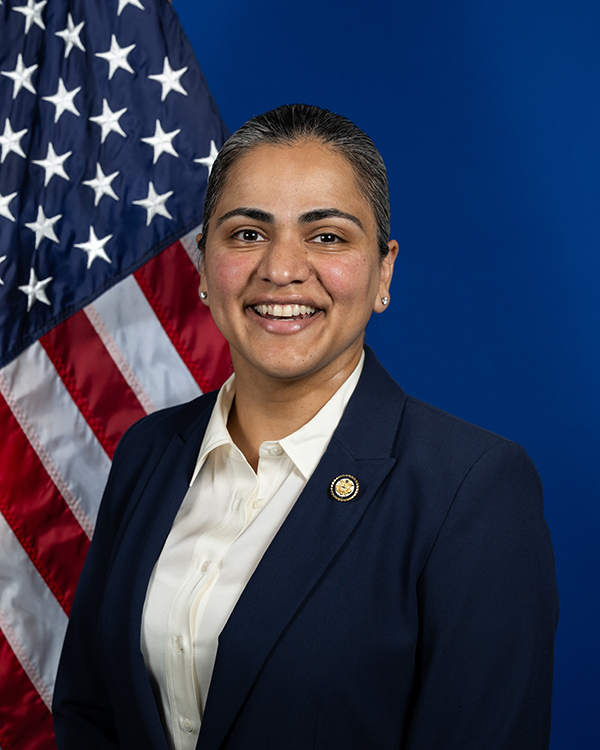
Aisha Wahab
Aisha Wahab House · District 14
D
Strong +
100% 7
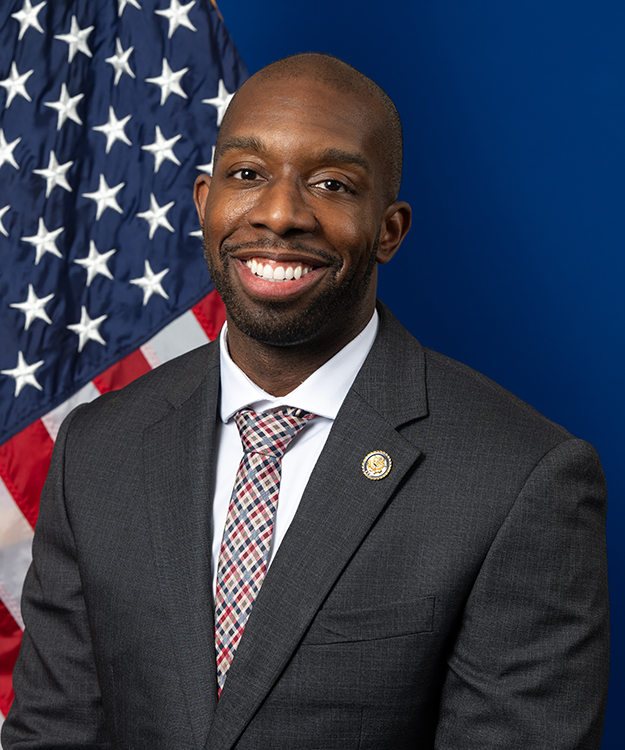
Everton Blair Jr.
Everton Blair Jr. House · District 13
D
Strong +
89% 9
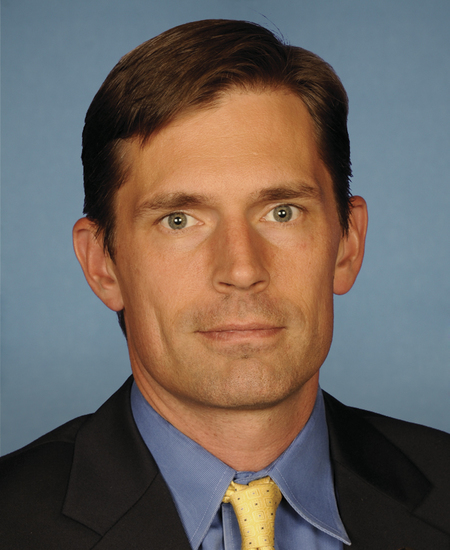
Martin Heinrich
Martin Heinrich Senate
D
Strong +
84% 37
Adam B. Schiff
Adam B. Schiff Senate
D
Support
79% 53
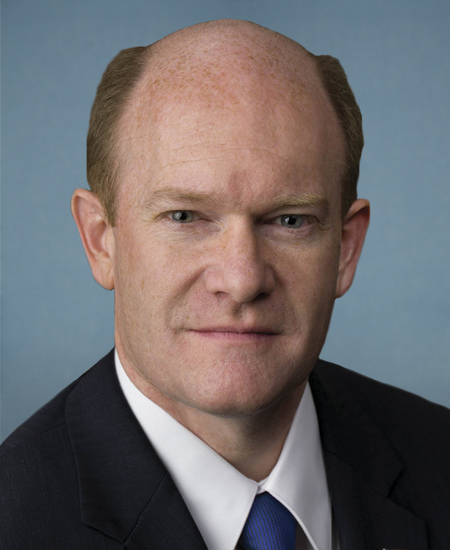
Christopher A. Coons
Christopher A. Coons Senate
D
Support
79% 52
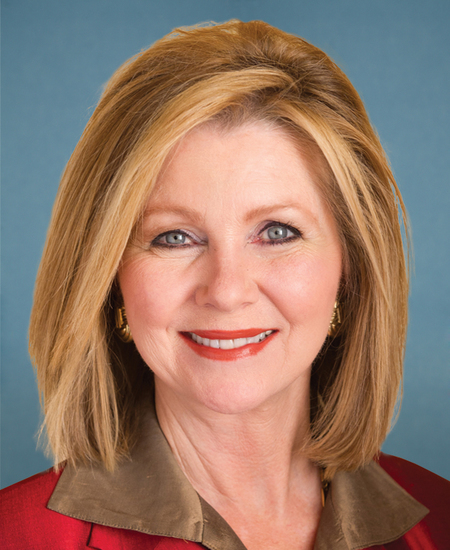
Marsha Blackburn
Marsha Blackburn Senate
R
Strong −
11% 36
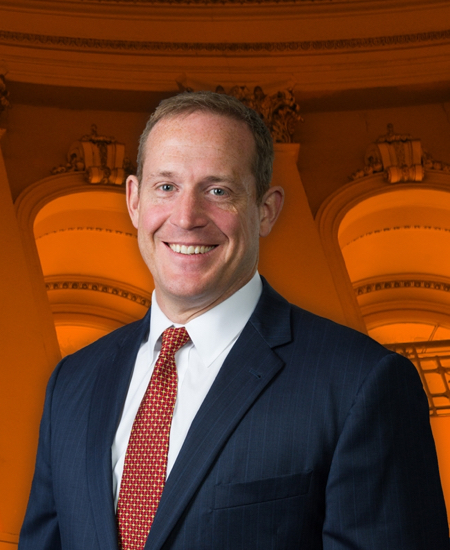
Ted Budd
Ted Budd Senate
R
Strong −
20% 40
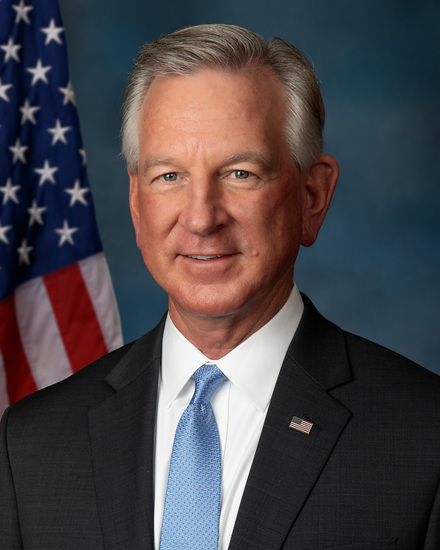
Tommy Tuberville
Tommy Tuberville Senate
R
Oppose
21% 53
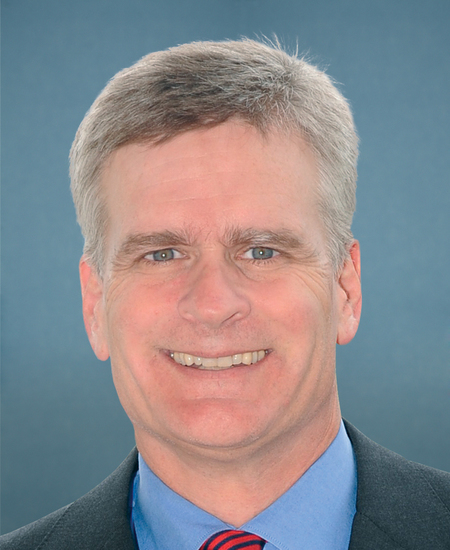
Bill Cassidy
Bill Cassidy Senate
R
Oppose
22% 54
Jerry Moran
Jerry Moran Senate
R
Oppose
23% 53
Showing 1,281–1,290 of 1,989 bills

All environment bills

passed · United States · House Mar 25, 2026

HR 6422: American Water Stewardship Act

This bill extends funding periods for several key water restoration programs through 2031, including the Great Lakes Restoration Initiative, Long Island Sound program, and Columbia River Basin restoration. It modifies the San Francisco Bay program to require 25% non-Federal cost-sharing for projects and updates coastal water quality monitoring rules to include new testing technologies. The bill also restricts federal funds for these programs from going to non-U.S. entities or those partnering with "foreign countries of concern." These changes directly affect state, local, and nonprofit entities managing federally funded water restoration projects across specific geographic regions.
in committee · United States · House Sep 2, 2025

HR 5102: Greater Yellowstone Recreation Enhancement And Tourism Act

This bill designates five specific river segments in Montana - including the Madison River (42 miles), Gallatin River (39.5 miles), and Hyalite Creek (4.6 miles) - as protected under the Wild and Scenic Rivers program. It directly affects recreational users, local tourism economies, and existing water rights holders by preserving public access, private property rights, and current infrastructure like the Hebgen and Madison Dams. Key provisions include designating segments as "recreational" or "scenic" rivers under USDA Forest Service management, explicitly preserving existing hydropower operations (including FERC licenses for the Hebgen and Madison Dams), and prohibiting dam expansion into protected areas. The bill also confirms that existing water rights, including Tribal and state compacts, remain fully intact.
in committee · United States · House Jun 13, 2025

HR 3899: Clarifying Federal General Permits Act

HR 3899, the Clarifying Federal General Permits Act, amends the Clean Water Act to clarify how the EPA issues and renews general permits for water pollution discharges. It requires the EPA to publish a Federal Register notice at least two years before a general permit expires if it won't be renewed. If the EPA fails to provide this notice, the expired permit's terms automatically continue applying to covered discharges until a new permit is issued or two years after the decision not to renew. This directly affects industries and entities needing permits for routine water discharges by ensuring regulatory continuity during permit transitions.
Sub-Topics Water Quality
in committee · United States · House Apr 1, 2025

HR 2537: Deschutes River Conservancy Reauthorization Act of 2025

HR 2537 reauthorizes the Deschutes River Conservancy Working Group through 2032, extending its existing program. The bill specifies the working group must include 10-15 members representing environmental groups, irrigated agriculture, the Confederated Tribes of Warm Springs, hydroelectric producers, federal agencies, Oregon state agencies (like fish and water departments), and local governments in the Deschutes River Basin. It increases the administrative cost cap from 5% to 10% of funds and updates the program’s expiration date from 2016 to 2032. This bill directly affects water management stakeholders in Oregon's Deschutes River Basin by continuing their collaborative conservation work.
Sub-Topics Conservation
in committee · United States · Senate Feb 5, 2025

S 416: Marsh-Billings-Rockefeller National Historical Park Establishment Act Amendments Act of 2025

S 416 amends the Marsh-Billings-Rockefeller National Historical Park Act to expand the park’s boundaries, incorporating specific areas like the historic mansion complex, Billings Farm and Museum, and the King Farm (split between historic and protection zones). It clarifies land acquisition rules, allowing the National Park Service to acquire land via donation, purchase, or exchange, and specifies that the King Farm must be used for agriculture, conservation, and educational purposes that maintain its historic character. The bill also establishes the National Park Service Stewardship Institute at the park to promote workshops and best practices in conservation stewardship. These changes directly affect park management, landowners within the expanded boundaries, and the ongoing operations of the King Farm and Billings Farm.
in committee · United States · House Nov 7, 2025

HR 5970: Save Our Ships Act

This bill creates the Historic Naval Ship Preservation Grant Program under the Department of the Interior to fund the physical preservation of decommissioned military vessels displayed at public sites like museums and memorials. It authorizes $5 million annually for competitive grants to state/local governments or nonprofits managing these "covered sites," covering vessel repairs, environmental protection, and education programs related to shipbuilding and submarine careers. The program directly supports organizations that maintain historic military vessels, ensuring public access to these educational resources. It does not alter existing vessel ownership or military operations but provides dedicated funding for their upkeep and educational use.
Sub-Topics Conservation
in committee · United States · House Jul 29, 2025

HR 4800: Fisheries Modernization Act of 2025

HR 4800, the Fisheries Modernization Act of 2025, expands eligibility for fishery disaster relief by adding "infrastructure-related cause" to the definition of qualifying events under the Magnuson-Stevens Act. This specifically covers disruptions caused by Federal or State infrastructure failures (like flood control systems, levees, or spillways) that impact commercial or subsistence fisheries, habitat, or water quality. The bill explicitly includes the red swamp crawfish and white river crawfish fisheries in eligibility requirements, requiring information on hydrological conditions, water quality, or environmental disruptions affecting them. It does not change existing relief for marine or anadromous fisheries but clarifies that infrastructure-related events now qualify for assistance.
in committee · United States · House Sep 30, 2025

HR 5636: Protect Consumers from Reallocation Costs Act of 2025

HR 5636, the *Protect Consumers from Reallocation Costs Act of 2025*, prevents the Environmental Protection Agency from shifting renewable fuel obligations from small refineries with extended exemptions to other companies. It directly affects small refineries that have received extended exemptions under the Clean Air Act. The bill requires the EPA to include gasoline or diesel refined by these exempt refineries in the total fuel volume calculations for the year, rather than excluding it or reallocating the obligation. This change ensures small refineries’ production is counted toward overall fuel volume, preventing other entities from bearing their renewable fuel requirements. The law modifies Section 211(o)(9) of the Clean Air Act (42 U.S.C. 7545(o)(9)).
Sub-Topics Air Quality
in committee · United States · House Sep 4, 2025

HR 5151: Quiet Communities Act of 2025

The Quiet Communities Act of 2025 reestablishes the Environmental Protection Agency’s Office of Noise Abatement and Control, which was defunded in 1982. This office will provide grants to states for local noise control programs, conduct national research on noise health impacts, develop public education materials, and create regional technical assistance centers. The bill authorizes $25 million annually (2026-2030) to fund these activities, directly supporting communities affected by noise pollution - particularly the estimated 28 million U.S. residents with hearing impairments linked to noise exposure. It emphasizes state/local solutions, market incentives, and coordination with other agencies to address noise from aircraft, traffic, and other sources.
in committee · United States · House Jan 13, 2026

HR 4892: Seedlings for Sustainable Habitat Restoration Act of 2025

This bill authorizes the U.S. Forest Service to fund contracts and grants with state forestry agencies, local nonprofits, universities, tribal governments, and regional coalitions to collect native seeds and produce seedlings for ecosystem restoration. It specifically directs these funds toward activities like maintaining seed orchards and growing seedlings for replanting vegetation in degraded landscapes. The law modifies existing programs under the Infrastructure Investment and Jobs Act and the Public Land Management Act to include these seed and seedling initiatives. This directly supports organizations working on restoring forests, grasslands, and other habitats using locally adapted native plant materials.
Showing 1,281 to 1,290 of 1,989 bills